REVIEW · KATHMANDU
Everest Base Camp Trek
Book on Viator →Operated by Explore Himalaya Travel and Adventure · Bookable on Viator
Everest Base Camp is the kind of trip that rewires your sense of scale. What makes this one special is the jump from Kathmandu to Lukla, then a steady climb through Sagarmatha National Park toward the highest navigable base area on Earth. I especially like the up-front support before you even start trekking, and the calm, skilled guiding on the trail, often credited to leaders and Sherpa guides like Anuj, Bal Kumar Tamang, Sabin Khadka, Raju, and Gelu. One real consideration: Lukla flights can get delayed or canceled in weather, and that can shift your start or finish.
I also love the practical deal here: local lodge nights, sharing-style accommodations, and meals planned around you being out of your comfort zone but not out of your routine. The guide-and-porter setup matters more than people think, because high altitude turns every small problem into a big one, and that support is what keeps the day-to-day moving. The drawback to keep in mind is simple but important: lodges are basic (standard places with sharing bathroom), and you’re signing up for a moderate fitness challenge at altitude.
In This Review
- Key highlights you’ll feel on this trek
- Kathmandu warm-up: a real start, not just a hotel night
- Lukla: why the cliff-edge flight is the make-or-break moment
- Sagarmatha National Park and Sherpa villages: the trail has a pulse
- Namche Bazaar and the climb that turns into rhythm
- Reaching Everest Base Camp, then using Kala Patthar for the best angles
- Lodges, meals, and the porters who quietly do the heavy lifting
- Guide support that starts before the trek day
- Pricing: what you’re really buying for $2,500
- Weather and flight delays: plan like the mountain has the calendar
- Who this private Everest Base Camp trek is for
- Should you book this Everest Base Camp trek?
- FAQ
- What airports does this trek connect to?
- How long is the Everest Base Camp trek?
- What does the $2,500 price include?
- What is not included in the tour price?
- Do I need a visa for Nepal?
- What if my Lukla flight is delayed or canceled?
- Is the trek private?
- What kind of accommodation will I get on the trek?
- What fitness level do I need?
- What’s the cancellation policy?
Key highlights you’ll feel on this trek
- Lukla flights included: you get the air link that makes Everest Base Camp practical
- Sherpa villages and monasteries: you’re not just walking scenery, you’re meeting living culture
- Sagarmatha National Park trekking: big views plus protected high-mountain terrain
- Base Camp plus Kala Patthar option: the second wind for the best angles
- Strong guide and porter emphasis: people consistently mention support, patience, and encouragement
- Trekking info tracking fees included: the logistics aren’t just about convenience, they’re about safety too
Kathmandu warm-up: a real start, not just a hotel night
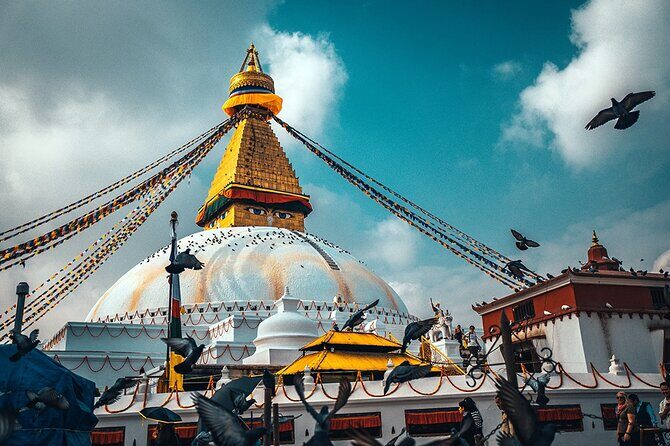
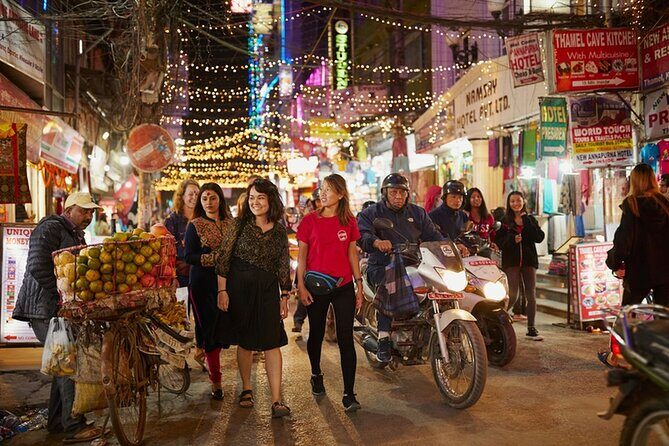
Most Everest Base Camp treks begin with the same question: can you get your bearings before the mountains steal your energy? This itinerary gives you a day (and a few days in Kathmandu overall) to do that, with time for a proper Kathmandu exploration before you head to the high country.
You also get three nights in a 3-star hotel in Kathmandu, twin sharing with breakfast. That’s a thoughtful way to handle jet lag and planning stress, because you arrive in Nepal with paperwork to handle, gear to check, and nerves that want to run the show. Pickup is offered, and the meeting point is near public transport, so you’re not trapped in logistics the way some trips can feel.
Value check: this is the kind of comfort you’ll be happy you had. After days trekking near some of the tallest peaks on Earth, you’ll be grateful for a normal bed and a breakfast you don’t have to guess your way through.
You can also read our reviews of more hiking tours in Kathmandu


Lukla: why the cliff-edge flight is the make-or-break moment
The trek’s hinge is the flight to Lukla, the common gateway at about 2,860 meters (the data you have puts it around 2,845–2,860m). This airport sits in a dramatic position, and the practical result is that flights tend to operate in the morning to reduce weather trouble.
I like that the tour plan is honest about the real-world risk. You might face delays or even cancellations for one or more days, at the start or at the end. That’s not a small detail. It can change your schedule, your energy, and the order of what you’ll do next.
Also important: the tour provider notes that you won’t be refunded or covered for expenses tied to flight cancellation, and you can’t expect refunds for unused services. So if you hate uncertainty, build extra mental room for the mountains doing what the mountains do.
Optional escape hatch: if you want to stay closer to your original plan, you can ask about a helicopter flight supplement to/from Lukla if availability allows. Just remember that this is an added cost on top of the included airfare.
Sagarmatha National Park and Sherpa villages: the trail has a pulse
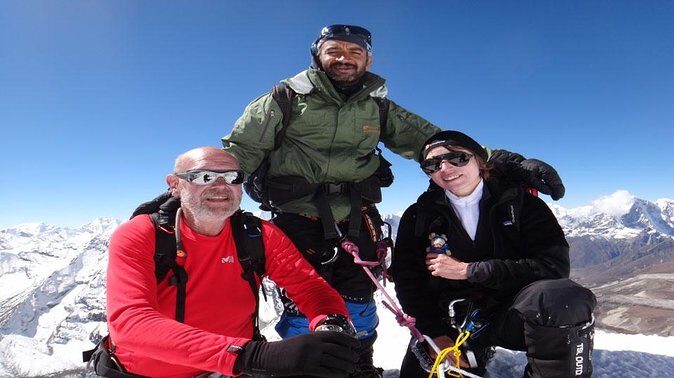
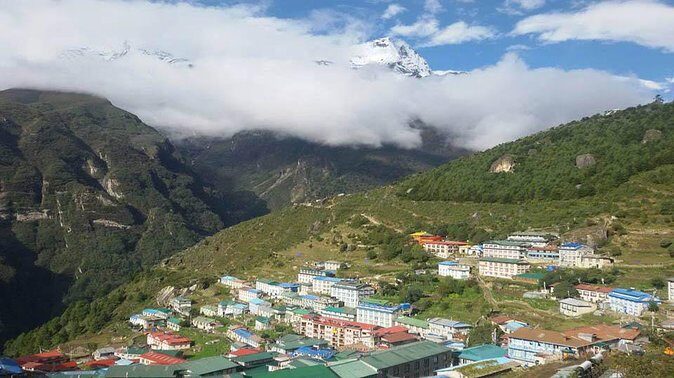
Once you leave Lukla, the trek follows a path that’s both high and human. You’re moving through Sagarmatha National Park, but it’s not just protected land on a map. The trail gives you up-close contact with the ways Sherpa communities live, worship, and build in the high Himalaya.
The cultural beats matter here. Expect Sherpa villages and monasteries along the way, not as quick photos but as real places with people moving through their day. That makes the whole hike feel less like a checklist and more like you’re traveling through a place.
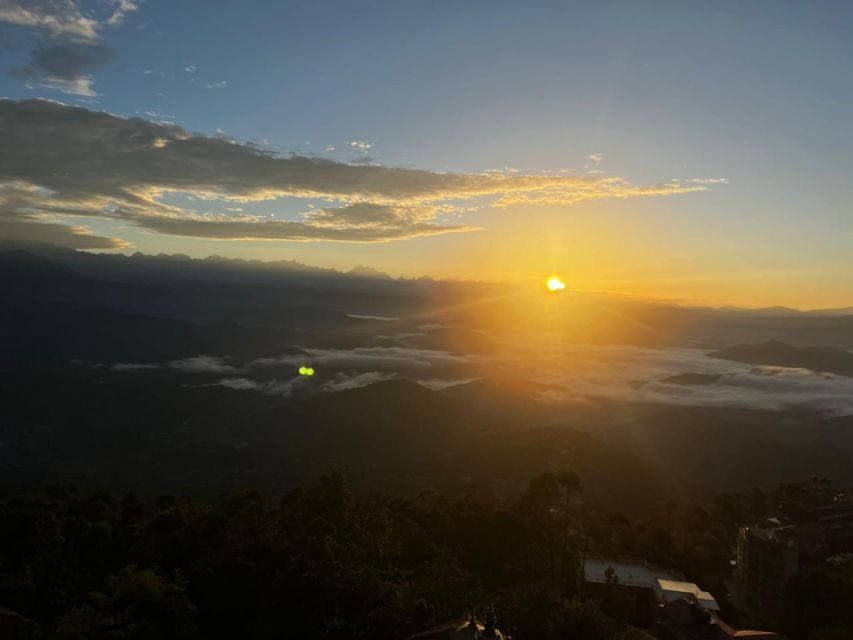
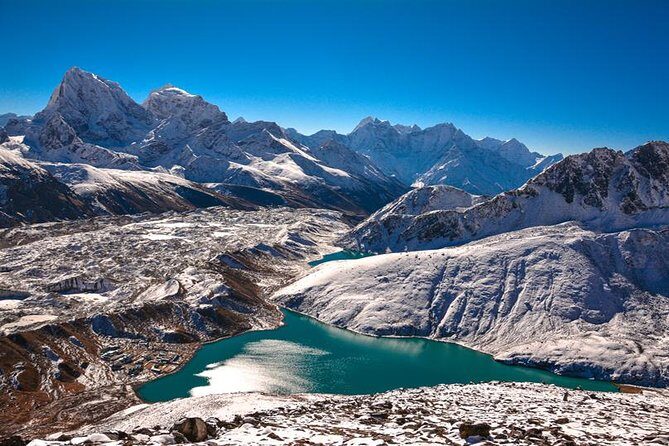
And yes, the views are a huge part of the payoff. The route is framed by Himalayan giants including Mt. Everest, Mt. Lhotse, Mt. Cho Oyu, and Mt. Ama Dablam, plus other major peaks you’ll hear about through the region’s geography. Even when the weather softens the sharp edges, the sense of scale stays strong.
Practical note: you’ll be at altitude and walking on uneven paths, so you want a trail rhythm that stays steady. This trip is set up for that with guide-led pace and the lodge network you’ll use most nights.
Namche Bazaar and the climb that turns into rhythm
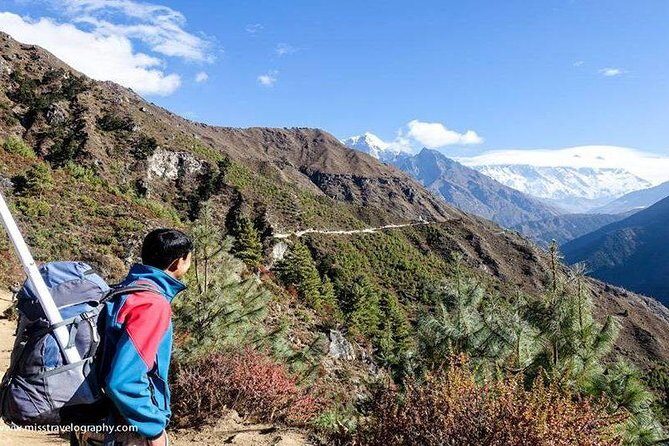
At some point, Everest Base Camp begins to feel like more than a destination. It becomes a daily rhythm: slow steps, short breaks, and a growing awareness of how your body handles thin air.
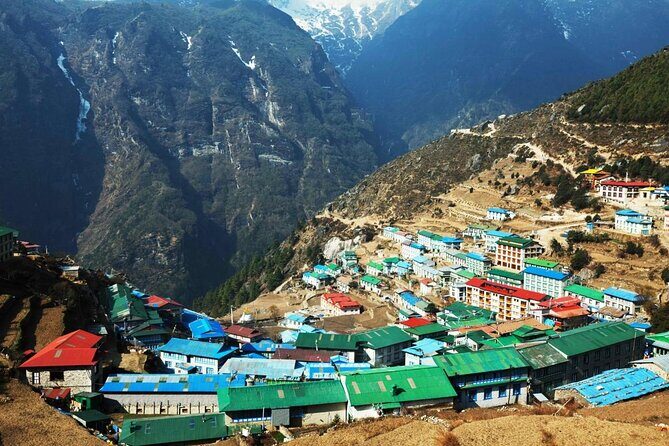
Namche Bazaar shows up in the story of this trek, and it makes sense because it’s one of the more famous altitude hubs along the way. It’s also the kind of place where you can feel the transition from everyday Nepal to high-mountain living. You’ll likely find tea-house life central here, and that’s not just about caffeine. It’s your chance to reset, hydrate, and watch how other trekkers are managing altitude and energy.
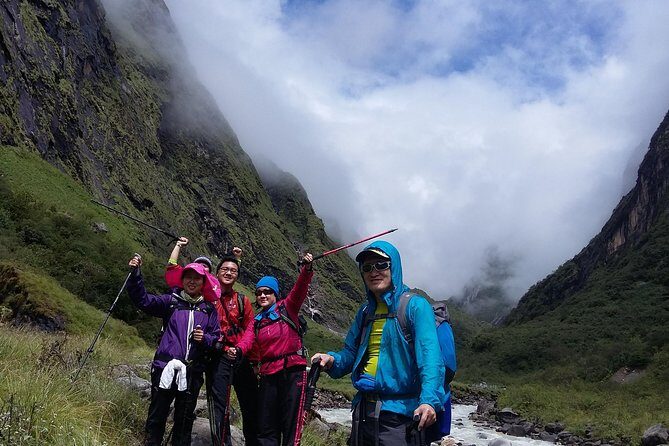
One more thing I appreciate: this tour doesn’t sell the idea that you’ll glide upward. One of the strongest themes in the feedback is the role of patient, experienced guides and porters who keep people moving, even when someone lags behind. That matters a lot more as the days get harder.
Reaching Everest Base Camp, then using Kala Patthar for the best angles
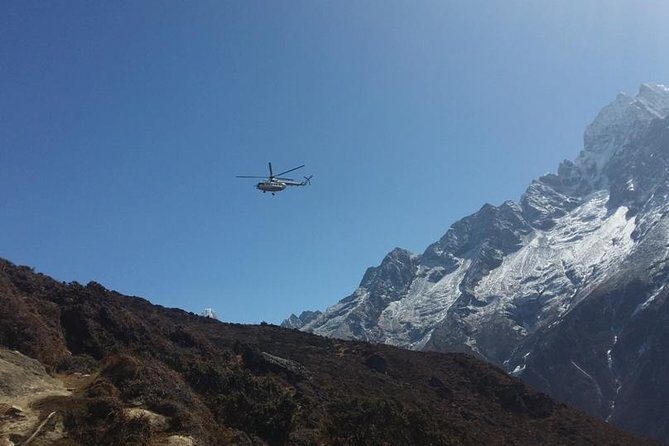
Everest Base Camp is the headline, but what makes it memorable is what comes around it. You’re trekking into a high-altitude area where Everest feels close enough to be personal, even though it’s still impossibly vast.
Kala Patthar is specifically mentioned as part of the experience in some itineraries, and it’s a common “value add” for a reason: it gives you a different vantage point. If you’re the type who likes to squeeze one more view out of your effort, this is often the day that delivers that feeling.
This is also where good logistics pay off. The included structure (English-speaking guide, porters, meals, lodge nights) helps you focus on acclimatization and the physical work, not on reinventing the day. The best sign that you’re set up well is what people repeatedly highlight: calm guidance, encouragement when needed, and smooth day-to-day flow.






Lodges, meals, and the porters who quietly do the heavy lifting
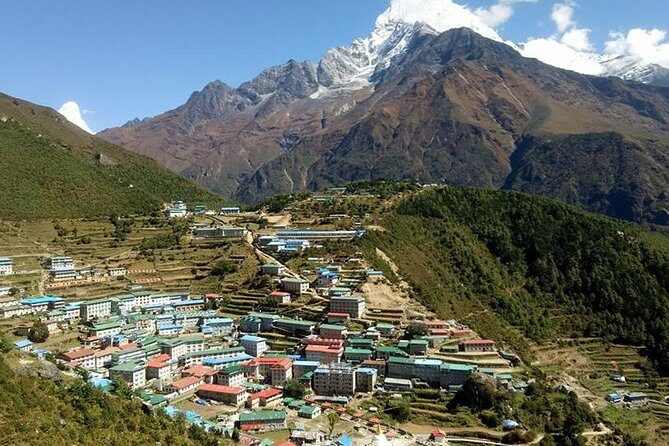
This trek includes accommodation in local lodges, described as standard lodging with sharing bathrooms. That’s what you should expect in the Everest region: not luxury, but functional and warm enough to restore your energy after a day of altitude walking.
Meals are also planned: three-course meals with hot drinks (breakfast, lunch, dinner) while trekking. That matters because at altitude, eating becomes a mission. You want meals that keep you steady, not random snacks you hoped would exist.
And then there are porters. In the feedback you provided, porters get specific credit for support and carrying day bags when people had setbacks. That’s a real deal, not a feel-good detail. When your legs and lungs are under stress, offloading the little stuff helps you keep moving.
If you’re deciding what gear to bring, think in terms of daily comfort: layers you can adjust, something reliable for rain, and items that help you dry off quickly in cold lodge conditions.
Guide support that starts before the trek day
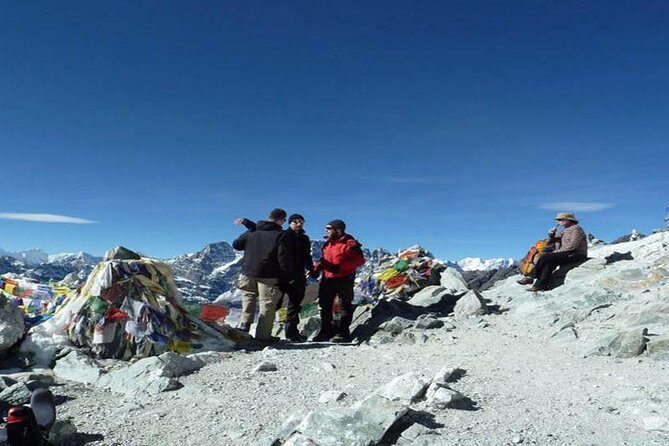
Here’s where the tour gets very human. People consistently talk about pre-trek communication being prompt and thorough, especially around planning and answers. Names that show up in the record include Anuj, along with support from the company’s team during the planning stage.
On the trail, the pattern repeats: guides described as professional, patient, and calm. Some groups also mention guides explicitly by name, including Bal Kumar Tamang, Sabin Khadka, Raju, and Gelu. The common theme isn’t fancy talk. It’s practical help: support when someone falls behind, help during a minor injury, and steady pacing that keeps the group together.
Why I think that matters for value: you’re paying for more than route and lodging. You’re paying for decision-making in messy conditions, especially around altitude, fatigue, and the most annoying issue of all—weather and flight risk at Lukla.
Pricing: what you’re really buying for $2,500
At $2,500 per person, the sticker price looks high until you break down what’s included.
In this package you get:
- Kathmandu/Lukla/Kathmandu airfare
- 3 nights in Kathmandu in a 3-star hotel (twin share, breakfast included)
- Local lodge accommodation during the trek (sharing bathroom style)
- Meals during the trek: breakfast, lunch, dinner plus hot drinks
- An English-speaking local expert guide and porters
- Trekkers’ Information Management System fees
- All surface transfers as per itinerary
What you pay extra for:
- Nepal visa (multiple entry 30 days, listed as USD 40)
- Lunch and dinner in Kathmandu
- Drinks/snacks while walking
- Insurance and medical expenses
- Any emergency evacuation costs, if needed
So is it good value? For Everest Base Camp, yes, because the flight component and on-the-ground staffing are the big-ticket pieces most people struggle to assemble on their own. Also, the included porter and guide setup is part of what keeps the trek realistic for a wide range of trekkers, including older travelers mentioned in the feedback.
The only “price” downside is the one you can’t control: if Lukla flights are canceled, the tour notes you aren’t entitled to refunds for unused included services. That’s not a deal-breaker, but it’s a budgeting reality.
Weather and flight delays: plan like the mountain has the calendar
Let’s be blunt: the Lukla airport is weather-sensitive. The tour’s additional info even points out that flights can be delayed or canceled even in the best season.
If you can, build buffer days into your overall Nepal plan. This trek itself is listed as about 15 days, and having a little slack before or after reduces stress if you get stuck waiting on flight schedules.
If you want a backup route, the tour provider suggests alternatives toward Annapurna, Langtang, or Upper Mustang since those areas are more accessible by road. That’s a smart contingency approach, because it gives you options instead of dead time.
Who this private Everest Base Camp trek is for
This is a private tour, meaning your group is the only one participating. That’s a big quality-of-life factor because you’re not forced into someone else’s pace, habits, or stamina.
The guidance says the trek suits moderate physical fitness. That’s a useful phrase because it signals: you don’t need to be a mountain athlete, but you do need stamina, a willingness to walk daily at altitude, and the ability to keep going when the air gets thinner.
It also seems like this trip is friendly to people who want extra attention, including older travelers who mention reaching Base Camp successfully with the right guidance and support. If you’re 50+ or have a history of slow-but-steady endurance, this could be a good fit as long as you’re honest with yourself about how you handle altitude.
On the other hand, if you’re hoping for a cushy walking vacation with private bathrooms and no schedule friction, this isn’t that. Lodges are basic, and the flight schedule can take the steering wheel.
Should you book this Everest Base Camp trek?
You should book it if you want Everest Base Camp as an organized, guided experience with the hard parts handled: flights, lodging, meals, and a team that’s used to keeping people moving in altitude conditions. The included airfare and guide/porter staffing alone are a strong value signal for the money.
You should think twice if Lukla flight risk would derail your stress levels or your timeline. If you can’t tolerate uncertainty, or you have strict travel deadlines that leave no room for delays, choose a plan with more road flexibility or add extra days.
FAQ
What airports does this trek connect to?
The meeting point is Tribhuvan Airport in Kathmandu. The trek includes the flights between Kathmandu and Lukla, and the information also references Tenzing–Hillary Airport as an alternate shortest point to start.
How long is the Everest Base Camp trek?
It’s listed as 15 days (approx.).
What does the $2,500 price include?
It includes Kathmandu/Lukla/Kathmandu airfare, 3 nights at a 3-star hotel in Kathmandu with breakfast (twin sharing), lodge accommodation during the trek, trekking meals (breakfast, lunch, dinner) with hot drinks, an English-speaking local guide and porters, surface transfers, and Trekkers’ Information Management System fees.
What is not included in the tour price?
Not included are the Nepal visa, lunch and dinner in Kathmandu, drinks/snacks while walking, any emergency evacuation/road block expenses, and your insurance and medical expenses.
Do I need a visa for Nepal?
Yes. The tour notes a Nepal visa, multiple entry 30 days, listed as USD 40.
What if my Lukla flight is delayed or canceled?
The information warns delays or cancellations can happen and suggests keeping buffer days. It also says the provider will try to schedule the next flight, and a helicopter option may be available with a supplement charge depending on availability.
Is the trek private?
Yes. It’s described as a private tour/activity, with only your group participating.
What kind of accommodation will I get on the trek?
Accommodation during the trek is in local lodges, described as standard lodge rooms with a sharing bathroom setup.
What fitness level do I need?
The trek is described as suitable for moderate physical fitness.
What’s the cancellation policy?
You can cancel up to 24 hours in advance for a full refund. If you cancel less than 24 hours before the start time, the amount paid is not refunded.