REVIEW · KATHMANDU
Chitwan Jungle Safari-All inclusive 3 Days Chitwan Tour
Book on Viator →Operated by Alpine Luxury Treks Pvt Ltd · Bookable on Viator
Wildlife takes over Chitwan fast. This 3-day safari trip from Kathmandu is built around real on-the-ground wildlife time—jeep safari, jungle walk, bird watching, and river canoeing—done with an English-speaking nature guide.
I also like how the program leans into what Chitwan does best: birds and river wildlife. You’re not just hoping for a big-mammal sighting; you get structured chances to spot rare animals like one-horned rhinos and even Bengal tigers, plus a chance to see gharial and crocodiles from a canoe. One thing to consider: transfers are long (plan around a 6-hour drive each way), and the canoeing near crocodiles can feel a bit nerve-racking, even if it’s very exciting.
In This Review
- Key things I’d focus on before you go
- From Sorhakhutte to Sauraha: the morning drive that sets the mood
- Sauraha base camp: why this town is the right jump-off
- Jeep safari and jungle walk: how spotting wildlife really works
- Canoe time on the rivers: crocs, gharial, and quieter wildlife moments
- Bird watching in Chitwan: the park’s real specialty
- Tharu culture and village-style moments: more than just animals
- Price and logistics: what you’re really paying for at $160
- Who should book this 3-day Chitwan safari (and who might not)
- Should you book this Chitwan Jungle Safari tour?
- FAQ
- What time is the pickup in Kathmandu?
- Where does the tour start and end?
- How long is the tour?
- What activities are included in Chitwan?
- What wildlife can I hope to see?
- Are meals included?
- Is there an English-speaking guide?
- Is the transport air-conditioned?
- What is not included in the price?
- What is the group size?
- FAQ
- Is the ticket digital?
- Can I participate if I’m not extremely active?
- Is bottled water included?
- Can the booking be changed after purchase?
- When will I return to Kathmandu?
Key things I’d focus on before you go
- Small group size (up to 10 travelers) makes it easier to hear your guide and keep the pace comfortable.
- Jeep safari + jungle walk gives you two different viewing angles for the same park.
- Canoe ride on the river is where the mood often changes from adrenaline to quiet scanning.
- Bird watching is a standout and a big part of why many people fall in love with Chitwan.
- Tharu culture and village-style experiences add context to the landscape you’re moving through.
From Sorhakhutte to Sauraha: the morning drive that sets the mood
Your trip starts with an early pickup in Kathmandu at Sorhakhutte (6:30 am). You’ll walk from there toward the Tourist Bus Park, then get on the ride out to Sauraha, the gateway town for Chitwan National Park.
The big practical point here: that early start matters. It helps you get moving before the day gets hot and crowded, and it gives you daylight time for activities once you reach Sauraha. If you’re the type who hates “half-day travel days,” this is still a worthwhile hit of comfort—because the vehicle is air-conditioned, and the driving time is part of the deal rather than a surprise.
The other practical angle is timing. The transfer durations are approximate and depend on the time of day and traffic, so don’t plan anything tight the same morning in Kathmandu. Think of this as a travel day that ends with you finally breathing in that southern Nepal air.
When you arrive in Sauraha after about 6 hours, a representative meets you at the bus park and helps you move to your accommodation. That matters more than it sounds. You don’t want to burn your first evening figuring out directions and logistics after a long ride.
A few more Kathmandu tours and experiences worth a look
Sauraha base camp: why this town is the right jump-off
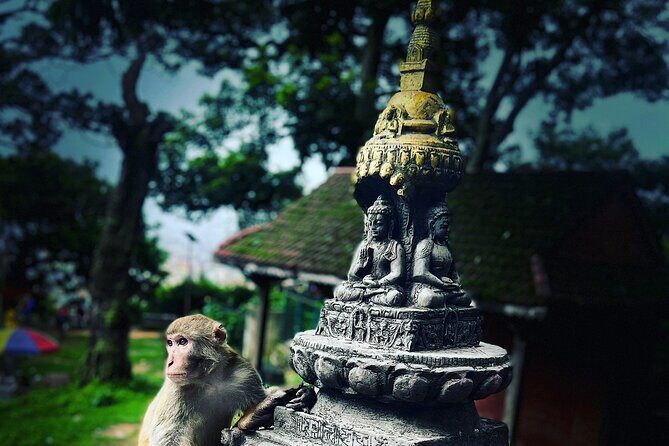
Sauraha isn’t just a dot on the map. It’s where you get positioned for Chitwan without having to fight daily logistics inside or right at the park gates.
Once you arrive, the day’s setup becomes simple: meet your hotel representative, get checked in, and then shift from city mode to nature mode. Most of your time on this tour is outside, so having a clear, organized “get settled” moment helps your energy.
This is also where the tour structure starts to feel practical. You’re not doing constant switching of vehicles or endless check-ins. The program is designed around a short stay—two nights in the nature area—so you can actually enjoy the activities instead of spending the whole trip in transit.
One note: this experience uses a mobile ticket, and it’s listed as near public transportation. That’s useful if you’re comfortable getting around on your own for small things. But on this trip, the key value is that your main transport and activities are already arranged.
Jeep safari and jungle walk: how spotting wildlife really works
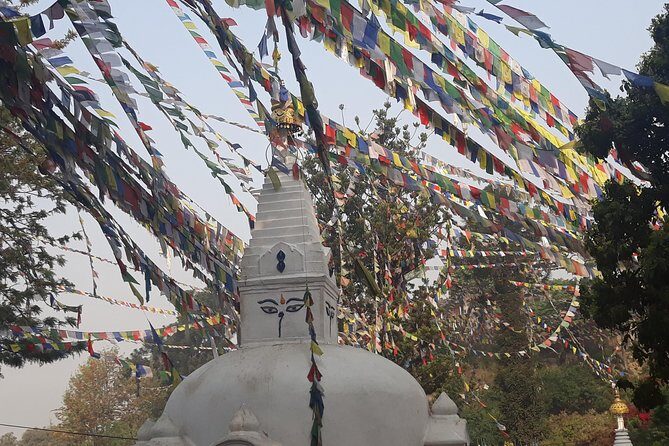
Chitwan’s animals are the headline: one-horned rhinoceros and Bengal tiger are specifically mentioned as possible sightings. But the way this tour tries to make those sightings more likely is what I really like.
First you get a jeep safari. From a jeep, you cover more ground and you can reach areas where animals are using the day’s routes. This is the action-heavy part of the tour, the one where your guide is scanning constantly and where the group energy tends to spike the moment someone calls out a track or movement.
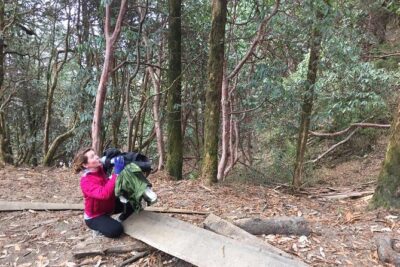
Then you add a jungle walk. This part slows you down. You’re moving through the park on foot, which changes what you notice. Tracks, calls, and smaller movements stand out more when you aren’t bouncing in a vehicle. It’s also a good match for people who want more than a quick drive-by photo moment.
Bird watching fits into this same wildlife rhythm. With time set aside for it (not just a quick stop), you get a real chance to pick up on calls, feeding patterns, and where species tend to hang around.
The one possible drawback isn’t about effort—it’s about nature. Wildlife viewing is never 100 percent guaranteed on any safari. If you’re the kind of person who needs certainty, you might find it stressful. If you like the thrill of being out there and reading the day, you’ll likely find it worth it.
Canoe time on the rivers: crocs, gharial, and quieter wildlife moments
After the jeep and jungle segments, canoe time is the mood shift. It’s a different kind of “search,” and that contrast is a big part of why the tour feels well balanced.
A canoe ride on the local river gives you a calmer pace. Instead of covering distance fast, you float and scan. That’s when you often notice animals that don’t look like they’re in a hurry—especially along river edges where movement can be subtle.
This part is also where the tour’s river wildlife shows up. You could see crocodiles and gharial, with crocodiles described as being close enough to feel nervous but exciting. That’s a very human reaction—and it’s a fair consideration if you’re sensitive about being near wild animals.
The practical takeaway: if you want adrenaline, canoeing delivers. If you want a meditative break between jeep rounds, canoeing also delivers, because you’re not constantly bouncing or tracking. You’re just watching carefully and letting the river do its thing.
Bird watching in Chitwan: the park’s real specialty
If you care about birds, Chitwan is a strong match. Bird watching isn’t treated like a filler activity here—it’s built in as a scheduled part of your day, and the park is known for being a bird haven.
In plain terms, this matters because birds are often easier to enjoy with time and guidance. A guide can point out what you’re actually looking at—calls, shapes, movement patterns—so you’re not just staring at distant treetops hoping for a luck strike.
The best way to think about it: the wildlife safari experience can feel random if you only chase large animals. But birds add a second layer of action. Even if a tiger is staying hidden, you can still have a rewarding morning because bird activity keeps showing up.
For bird lovers, canoe time can also support the birding mood. River edges and calm water areas tend to pull different species into view, and having multiple activity types on the same trip increases your odds of finding something interesting.
A few more Kathmandu tours and experiences worth a look
Tharu culture and village-style moments: more than just animals
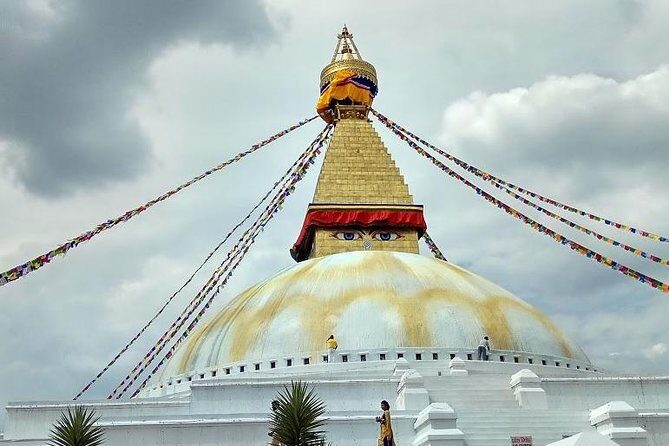
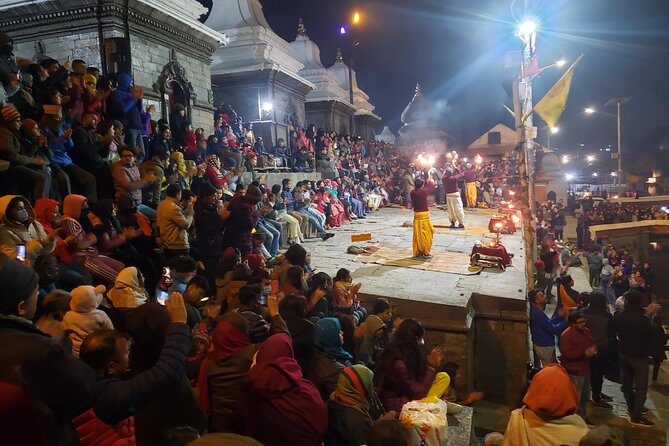
This tour doesn’t stop at wildlife. It includes a Tharu cultural program, with dancing mentioned as part of the experience. There are also mentions of a village tour, which adds a human layer to the time you spend in the park region.
Why this is valuable: Chitwan is not only about animals. It’s also about the people who live in and around the ecosystems. When you add a Tharu cultural program, you get a better sense of daily life, traditions, and how local communities relate to the environment around them.
It also helps break up the day. After hours of scanning for movement—whether in a jeep, on a walk, or from a canoe—having a cultural moment gives your brain a rest.
One more reason I like this mix: it balances your trip. You leave with stories that aren’t only about whether a tiger appeared. You also have something memorable to share about the culture you encountered along the way.
Price and logistics: what you’re really paying for at $160
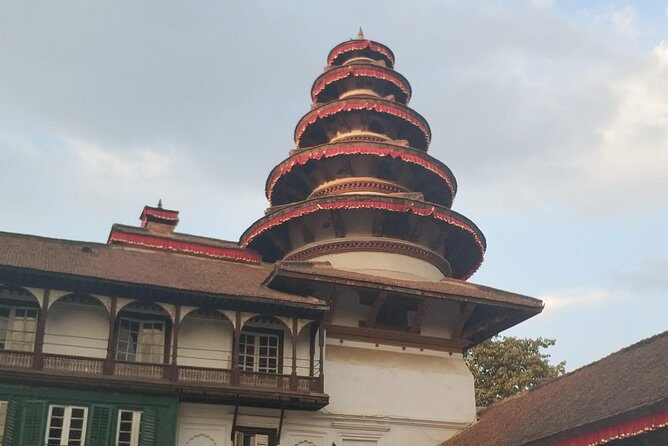
At $160 per person, the value is mostly about what’s included—and what isn’t.
Included costs cover:
- Air-conditioned vehicle transport
- All fees and taxes
- Meals: 2 breakfasts, 2 lunches, and 2 dinners
- An English-speaking nature guide
- The main activity blocks in the Chitwan experience
That’s the key: you’re not budgeting separately for guide service, park-related fees, and core meals. For a 3-day itinerary with long transport legs, this reduces decision fatigue.
What’s not included:
- Alcoholic beverages
- Bottled water
- Tipping
That last point matters for planning your spending. Also, you’ll want to be ready to buy bottled water during the days you’re out in the park.
If you’re traveling solo, this tour’s small group size (up to 10) helps you feel less like you’re being shipped around. It’s a good size for safari days, where listening matters and where your guide needs to manage pace and viewing opportunities.
Who should book this 3-day Chitwan safari (and who might not)
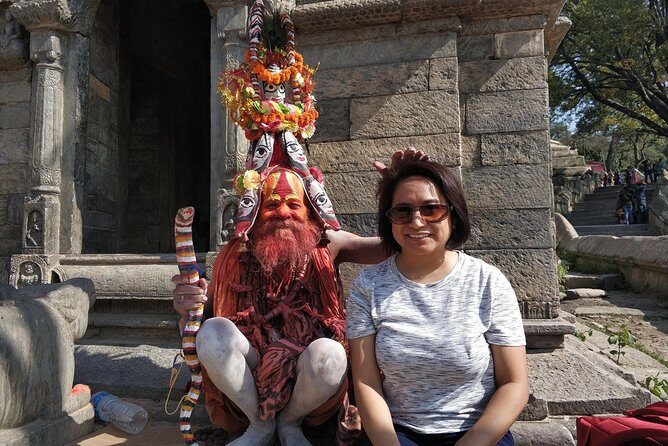
I’d say this tour fits best if you want a strong “wildlife focus” but also enjoy the softer side: birds, river scenery, and cultural moments.
It’s a good match for:
- Bird lovers who want real birding time, not just a quick stop
- People who want both vehicle-based and foot-based wildlife viewing
- Travelers who like structure: transport covered, meals covered, guide included
- Small groups who don’t want a huge crowd on safari days
You might reconsider if:
- You hate long drive days. The transfer time is around 6 hours each way, and it’s approximate depending on traffic.
- You’re very uncomfortable around the idea of canoeing near crocodiles. The experience is described as exciting, but that proximity can feel intense.
Should you book this Chitwan Jungle Safari tour?
Yes, if you want an organized, all-inclusive style of Chitwan that hits the main wildlife formats: jeep safari, jungle walk, bird watching, and canoeing. The best sign is the balance. You’re not betting everything on one animal appearing; you’re getting multiple chances across different habitats and viewing styles.
If you’re the type who plans for wildlife uncertainty and enjoys the process of watching, you’ll likely have a great time. And if you like culture as a context layer, the Tharu program and village-style experiences add real value.
If you know you’ll be miserable on long transfer days or you’re strongly anxious about being near crocodiles, then look closely at your comfort level before committing. Otherwise, this is a solid way to experience Chitwan without turning your trip into logistics work.
FAQ
What time is the pickup in Kathmandu?
Pickup starts at 6:30 am from Sorhakhutte, Kathmandu 44600, Nepal.
Where does the tour start and end?
The tour starts at Sorhakhutte, Kathmandu 44600, Nepal and ends back at the same meeting point in Kathmandu.
How long is the tour?
The duration is about 3 days, with transfer times also approximate.
What activities are included in Chitwan?
You’ll do a jeep safari, a jungle walk, bird watching, and a canoe ride, plus time for a nature and park-guided experience.
What wildlife can I hope to see?
The tour highlights possible sightings such as the one-horned rhinoceros, Bengal tiger, and other wildlife. Crocodiles and gharial are mentioned for the canoe experience.
Are meals included?
Yes. The package includes 2 breakfasts, 2 lunches, and 2 dinners.
Is there an English-speaking guide?
Yes. An English-speaking nature guide is included during the tour.
Is the transport air-conditioned?
Yes. An air-conditioned vehicle is included.
What is not included in the price?
Alcoholic beverages, bottled water, and tipping are not included.
What is the group size?
The tour has a maximum of 10 travelers.
FAQ
Is the ticket digital?
Yes. It uses a mobile ticket.
Can I participate if I’m not extremely active?
Most travelers can participate, but you should consider the walking portion of the jungle walk.
Is bottled water included?
No, bottled water is not included.
Can the booking be changed after purchase?
The experience is non-refundable and cannot be changed for any reason.
When will I return to Kathmandu?
You’ll drive back to Kathmandu after finishing the Chitwan portion, ending back at the meeting point.