REVIEW · KATHMANDU
Everest Base Camp Trek
Book on Viator →Operated by Nepal Hiking Adventure Company - Private Day Tours · Bookable on Viator
Lukla to Everest in two weeks. This Everest Base Camp Trek packs huge mountain days into a well-paced 14 days, with Kala Patthar at the top of the list and Sherpa culture stops that make the route feel human, not just high-altitude. I love the way the early flight into Lukla drops you fast into the Khumbu world, so the trek starts feeling real from day one. I also like the built-in rhythm—acclimatization in Namche Bazaar and a full rest day in Dingboche—so you’re less likely to feel rushed as the air thins.
One thing to think about: Lukla flights depend on weather, and delays or cancellations can happen on this route. If your schedule is extremely tight, you’ll want some flexibility around the return to Kathmandu.
In This Review
- Key things I’d bet on (before you book)
- Price and Logistics: what you’re actually buying for $1,300
- Day 1 in Kathmandu: Thamel basecamp and a plan you can trust
- Day 2: the Lukla flight and the first walk to Phakding
- Days 3–4: Dudh Koshi to Namche Bazaar, then acclimatize like you mean it
- Day 5: Tengboche monastery day and a long set of Everest-range views
- Day 6: Dingboche via Deboche and rhododendron country
- Day 7: a real rest day in Dingboche (not just standing still)
- Day 8: Lobuche, memorials, and that colder kind of silence
- Day 9: Everest Base Camp after lunch, then Gorak Shep
- Day 10: Kala Patthar (5,550m) for Everest dawn views
- Day 11: Pangboche monastery and a longer descent toward Lukla
- Day 12: Lukla arrival day and time to decompress
- Day 13–14: flying out via Lukla and getting back to Kathmandu
- Guides, support, and what people tend to value most
- Altitude and fitness: how to judge if this is right for you
- What to pack and how to budget on an EBC route
- Should you book this Everest Base Camp Trek?
- FAQ
- How long is the Everest Base Camp Trek?
- Where does the trek start?
- How do you travel to Lukla?
- What’s included in the $1,300 price?
- Do you have acclimatization or rest days?
- What happens if poor weather cancels the experience?
Key things I’d bet on (before you book)
- Small group size (max 8 travelers) for a more personal pace on the trail
- Acclimatization days in Namche Bazaar (3,440m) and Dingboche to help you handle altitude
- Big-dawn payoff at Kala Patthar (5,550m) for Everest views
- Sherpa culture stops like the Sherpa Museum and monasteries including Tengboche and Pangboche
- Flights built into the trip plan (KTM–Lukla–KTM or Ramechhap–Lukla–Ramechhap depending on season)
Price and Logistics: what you’re actually buying for $1,300
At $1,300, this is not the cheapest way to do Everest Base Camp—but it’s not just paying for hiking. You’re also paying for the trip infrastructure that often eats time and energy: airport transfers in Kathmandu, the Kathmandu hotel nights, and the flights that move you between Kathmandu (or Ramechhap) and Lukla.
Here’s what helps the value feel real:
- Flights are included: for you (KTM–Lukla–KTM or Ramechhap–Lukla–Ramechhap) and for the guide as well.
- Meals are included on most trek days: breakfast every trek day plus lunch and dinner on the majority of days (the totals listed are breakfast 13, lunch 11, dinner 11).
- Two Kathmandu nights are included on a bed-and-breakfast plan (Hotel Kailash Kutee or similar categories), plus arrival and final departure pickup.
What’s not included is where you’ll need to plan your day-to-day spending: personal expenses, beverages, and tips for your guide/diver. Alcohol is only available if you’re over 18. In practice, the included meals cover your core costs, but tea, snacks, and extras can still add up when you’re stopping often in lodges.
One more practical note: this tour runs with up to 8 travelers and offers group discounts. Smaller groups usually mean fewer bottlenecks at viewpoints and fewer awkward logistics moments when weather shifts.
You can also read our reviews of more hiking tours in Kathmandu


Day 1 in Kathmandu: Thamel basecamp and a plan you can trust
On your first day, you land in Nepal and get met by a staff member. You’ll be driven to a hotel near Thamel, then you’ll do a pre-trip meeting with the team. This is when you get your route rhythm explained and you sort out the basics for the next morning.
Why I like this setup: Kathmandu feels chaotic for first-timers, so having a real human walk you through what happens next reduces stress. Also, Thamel is convenient for getting last-minute basics if you’ve forgotten something.
Day 2: the Lukla flight and the first walk to Phakding
Early on day two, you fly to Lukla—about a 40-minute flight. It’s often described as one of the most dramatic parts of Nepal travel, and the appeal here is that you transition from city noise into real trekking terrain immediately.
Once you arrive, the plan is to walk a short route to Phakding (about three hours) and spend the night there. This first trekking day is intentionally gentle enough that your legs can wake up without you burning out early.
What to expect: you’ll notice the altitude right away, and it’s smart to keep your pace slow. Even on the easier day, don’t treat it like a casual stroll—this is still your body learning how to work higher up.
Days 3–4: Dudh Koshi to Namche Bazaar, then acclimatize like you mean it
Day three takes you through the classic approach toward Namche. You’ll trek along the western banks of Dudh Koshi, cross two tiny suspension bridges, and end up in the Namche area via Monjo. The day is long enough to feel accomplished, but the big moment is arriving at the Everest region’s entrance and cultural hub.
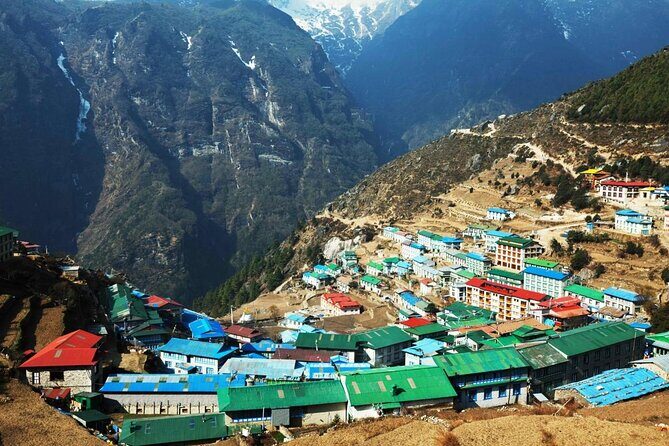
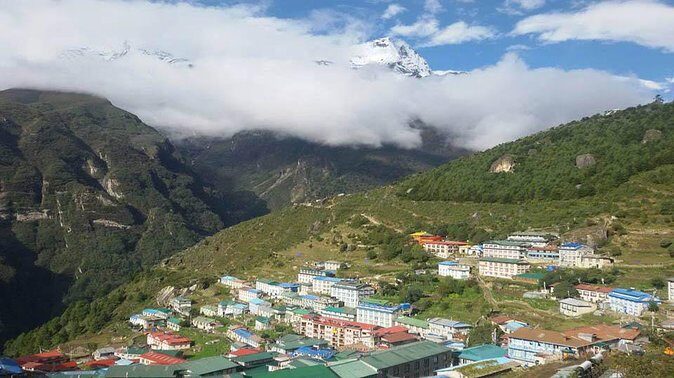
Then comes one of the best pieces of the plan: day four is built for acclimatization in Namche Bazaar (3,440m). You’re not just walking higher and hoping for the best. You stay put and adjust. You can visit the Sherpa Museum, which is a strong way to understand why Sherpa communities are central to Everest history and modern mountaineering culture.
There’s also time for a viewpoint-focused break in the area, including an Everest View Point option. If you like getting your bearings with big panoramas instead of only checking off trail miles, Namche is one of the best places to do it.
Why this matters: Everest Base Camp is not just a physical challenge—it’s an altitude challenge. The slower day helps you keep the rest of the trek enjoyable.
Day 5: Tengboche monastery day and a long set of Everest-range views
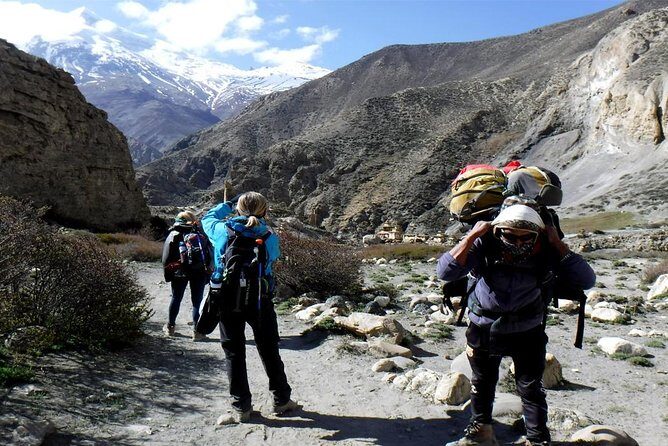
On day five, you head from the Namche/upper valley rhythm toward Tengboche. The route follows a high-level path above the Dudh Koshi and gives you major mountain perspectives along the way—think Everest, Nuptse, Lhotse, Thamserku, and more.
This day is special for two reasons:
- You’re usually moving through forested sections and changing scenery, which keeps the hike from feeling repetitive.
- You’re approaching some of the most iconic religious stops in the Everest region.
You’ll arrive at Tengboche, described as home to the Charming Tengboche Monastery. The key here is timing. If you can, aim to be present at monastery moments when it’s calm, not when everyone is rushing for the next photo spot.





Day 6: Dingboche via Deboche and rhododendron country
Day six moves you toward Dingboche. You get up early and trek through rhododendron forests and meadows, then pass the Buddhist nunnery at Deboche before continuing through the Imja Khola area.
This section is a “slow burn” kind of day—scenery changes often, and you’re usually walking in a way that feels like it’s setting up your next altitude step. Along the way, you also get big views of the peaks that define the Khumbu.
Day 7: a real rest day in Dingboche (not just standing still)
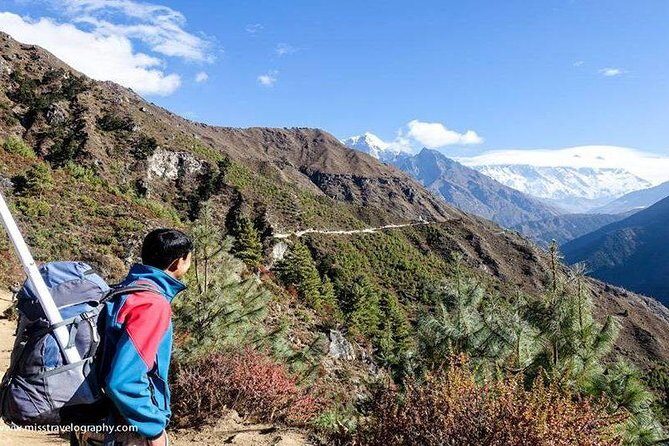
Day seven is your planned break. The itinerary gives you a full day option to relax, and if you want to move, you can take a shorter walk in the area. This is not a day to force a big summit attempt—it’s a day to let your body catch up.
What to do with a rest day:
- Keep moving gently if you want, but don’t turn it into a second hard trekking day.
- Use the time to hydrate and eat normally. Altitude rewards boring good habits.
I also like that the trek design returns you to Dingboche overnight, so you’re not constantly hopping around while your body adjusts.
Day 8: Lobuche, memorials, and that colder kind of silence
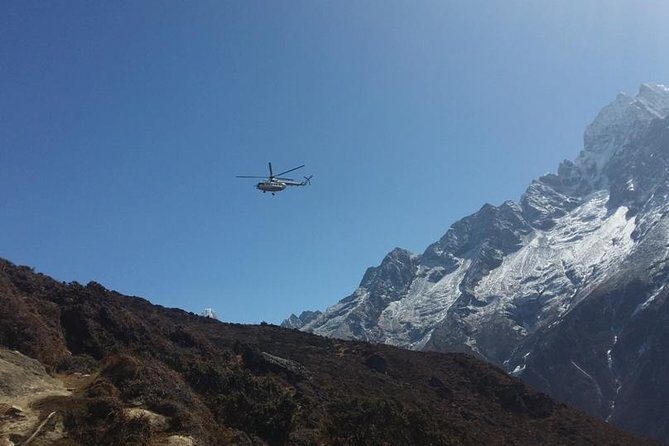
On day eight, you trek toward Lobuche, crossing over a hill and reaching the Dughla village. This is also a day with strong emotional texture, because you’ll pass memorials to Sherpas who lost their lives on Everest trips.
After that, you continue along the Khumbu Glacier Moraine, with views including Kalar Pattar and Pumori as you head forward. This is one of those days where the walking feels less like “vacation miles” and more like part of a larger story.
Day 9: Everest Base Camp after lunch, then Gorak Shep
Day nine is the day you’re really here for. After lunch, you continue toward Everest Base Camp, with the route described as crossing stony dunes, moraines, and streams. You also get a look toward the Khumbu Icefall area.
When you reach Base Camp, you tour the area and the glacier around it. The glacier terrain and the starkness of the ice make Everest Base Camp feel less like a “tour stop” and more like a place where big goals meet real risk.
Then you check into a lodge at Gorak Shep. That’s an important logistics point: Gorak Shep is where you rest before the summit-view morning. You’re usually tired, so keep your energy for sleep, not wandering.
Day 10: Kala Patthar (5,550m) for Everest dawn views
This is the headline day. You go to Kala Patthar (5,550m), described as the place with the most breathtaking Everest dawn views. The guide plans time for you to climb up, and you can expect about a two-hour reach to the viewpoint area after starting from Gorak Shep.
Even if you’re not an early-morning person, this is worth it. Sunrise views from that elevation are the kind of payoff that makes the earlier days feel like the necessary setup, not the tedious part.
After admiring the view, you descend back to Gorak Shep for breakfast, then trek toward Pheriche for the night. Day ten is where comfort returns a bit—still high, still demanding, but less “edge of the map” feeling than the Kala Patthar approach.
Day 11: Pangboche monastery and a longer descent toward Lukla
Day eleven is a return day with culture added back in. You’ll pass by Pangboche monastery, noted as the oldest monastery in the area, and then continue trekking down via Tengboche/related route points toward Kyanjuma and onward, with an overnight in the broader Lukla-direction area.
The practical value of this day: the descent starts to feel like progress. Your legs still work, but the altitude pressure often eases as you drop. The monastery stop keeps things grounded, too—you’re not only moving through elevation changes, you’re also moving through the people’s landscape.
Day 12: Lukla arrival day and time to decompress
On day twelve, after breakfast, you trek at your leisure back down to Lukla. The itinerary references passing through lush green backgrounds and local Sherpa hamlets, then crossing the Hilary suspension bridge.
When you arrive in Lukla, the guide confirms details for your flight. This is the day to expect the most “logistics moments”—checking timing, confirming flights, and making sure everything matches what you planned.
If your schedule has been tight emotionally because of altitude, this is often the first day you can fully relax again.
Day 13–14: flying out via Lukla and getting back to Kathmandu
Day thirteen includes a flight from Lukla back toward Kathmandu, then travel to Ramechhap Airport if needed. The itinerary notes that during busy season, they fly you to Ramechhap due to air traffic at Kathmandu airport. In peak times, there may also be a drive to Ramechhap.
Then day fourteen finishes the trip with a transfer to Tribhuvan International Airport, where you’re free to start additional plans or fly home.
Why this two-stage return matters: this trek is one of the most weather-sensitive itineraries in Nepal. Having the plan account for season traffic realities is a real plus, because it reduces last-minute scrambling.
Guides, support, and what people tend to value most
The most praised part across many Everest Base Camp experiences is usually not the view itself—it’s the human handling of stress. In feedback for this trek, you’ll see the same themes pop up around calm guidance and practical support from guides and staff.
Names that show up in trip feedback include guide Ram and guide Gore, plus support from Amer as a porter. In at least some cases, support was described as hands-on and problem-solving, like helping address gear issues and keeping the group steady when conditions turn rough. That matters, because on EBC routes you’ll hit tiny emergencies all the time—wet gear, tired legs, questionable energy, and the occasional cold snap.
Also, the operator’s staffing shows up in team mentions like Bishnu, Rajesh, Tilak, Binode, and Sanjay. Even if you never learn who you’ll get in advance, that pattern suggests you’re working with a company that staffs the trip beyond just a guide name on paper.
Altitude and fitness: how to judge if this is right for you
This trek is for people with moderate physical fitness. That’s a fair description, but you should still know what that means in real life: you’re walking daily, often with elevation gain even if some days are slower. Your highest marked point is Kala Patthar at 5,550m, plus you’ll spend time at Namche (3,440m) and in multiple high villages.
If you’re the type who gets anxious when you can’t control every variable, pay attention to the design. The itinerary includes pacing tools that help: acclimatization in Namche and a rest day in Dingboche. Those days aren’t filler. They’re there so you can finish with fewer problems and more enjoyment at the end.
A reality check: weather can also add difficulty. Even when the trail itself is manageable, wind and cold at high altitude can make your “effort level” higher than expected.
What to pack and how to budget on an EBC route
Because the trek includes many meals but not personal expenses, you’ll want a budget for the extras you will inevitably buy on a mountain timeline. That typically includes hot drinks, snacks, and anything you need if your gear isn’t ready.
Packing priorities for this kind of trek usually come down to layers and cold protection. Your plan includes a sunrise viewpoint at a very high elevation, so warm layers, gloves, and a hat matter even if your day-to-day hiking starts out comfortable.
If you use trekking poles, this is a trek where they can help save your knees on descents. Also bring a small dry bag so you’re not constantly fighting for space when you’re sweating, then freezing.
Finally, keep cash handy. Lodges and small stops work fast, and you don’t want to pause your day while you hunt for payments.
Should you book this Everest Base Camp Trek?
You should book if you want:
- A 14-day Everest Base Camp route that includes acclimatization and a rest day
- The full Everest-view arc: Namche viewpoints, Tengboche, Gorak Shep, and Kala Patthar
- A small-group experience (max 8) with airport transfers and flights built into the schedule
- A plan that takes weather and season realities seriously, including Ramechhap during busy periods
I’d think twice if:
- You have zero flexibility for potential Lukla flight disruptions
- You want a trip with minimal planning and no altitude management at all
If you’re practical, okay with long days, and you want the real Everest story (icefall, glacier country, Sherpa villages, and that Kala Patthar sunrise payoff), this is a solid choice.
FAQ
How long is the Everest Base Camp Trek?
It runs for about 14 days.
Where does the trek start?
The tour starts in Kathmandu, Nepal, with pickup from the airport and an overnight in a hotel near Thamel.
How do you travel to Lukla?
You fly from Kathmandu (or Ramechhap) to Lukla, with the flight time listed at about 40 minutes. Return flights are arranged from Lukla as well, with Ramechhap used during busy season due to Kathmandu air traffic.
What’s included in the $1,300 price?
Included are airport drop and pickup on arrival and final departure, all fees and taxes, flights for you (KTM–Lukla–KTM or Ramechhap–Lukla–Ramechhap) and flights for the guide, two nights in Kathmandu on a bed-and-breakfast plan, and meals during the trek (breakfast 13, lunch 11, dinner 11).
Do you have acclimatization or rest days?
Yes. There is an acclimatization day in Namche Bazaar and a rest day in Dingboche.
What happens if poor weather cancels the experience?
The experience requires good weather. If it’s canceled due to poor weather, you’ll be offered a different date or a full refund.