REVIEW · KATHMANDU
Everest Three High Passes Trek – 20 Days
Book on Viator →Operated by Himalayan Adventure Treks and Tours Pvt Ltd · Bookable on Viator
Three high passes, one serious attitude. This Everest trek takes you off the usual checklist and into Kongma La, Cho La, and Renjo La, with the payoff of Gokyo lakes and a crack-at-sunrise viewpoint at Kala Patthar. It’s tough, yes, but the route logic is smart: altitude gains, acclimatization days, and then the big moments.
I especially like the way the trip builds in breathing room. You get acclimatization in Namche Bazaar (including a hike up toward Everest View Hotel) and again around Dingboche, plus side trips like Khumjung’s monastery and Hillary School.
The second thing I like is the support that makes the challenge feel manageable. Airport transfers, TIMS and permits handled, tea-house/lodge stays, and a guide plus a porter system (listed as 1 porter for 2 clients) mean you can focus on breathing and footsteps instead of paperwork and logistics. The main drawback is the reality of the high-altitude cold and possible weather delays around Lukla, which can turn the schedule tight and push costs if flights or mountain timing shift.
In This Review
- Key points to know before you go
- The route: why this trek feels special (and not just famous)
- Day 1–2: Kathmandu setup, then the fast jump to Lukla
- The first real trekking day into Sagarmatha National Park
- Namche acclimatization: the hike days that save your summit legs
- Tengboche to Dingboche: monasteries, wind, and glacier-world views
- Chhukung Ri and Kongma La: where the trek turns serious
- Everest Base Camp and Kala Patthar: the sunrise-style push
- Cho La to Gokyo: lakes, glacier crossings, and big panoramic breaks
- Gokyo Ri and lake days: the viewpoint math works
- Renjo La and the return toward Thame and Lukla
- Meals, tea houses, and how the trekking “feels” day to day
- Price and logistics: what $2,700 buys you in the real world
- Who this trek is for (and who should pause)
- Guides and people: support you can feel when it matters
- Should you book Everest Three High Passes?
- FAQ
- What are the three high passes on this trek?
- How long is the trek and where does it start?
- Are flights to Lukla included?
- What permits and paperwork are included?
- What kind of accommodation and meals should I expect?
- How is porter support handled?
Key points to know before you go
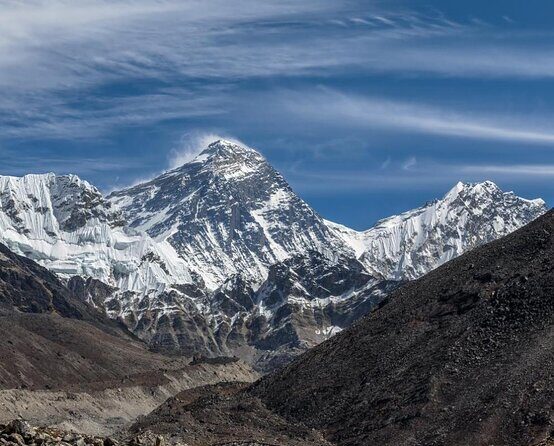
- Three passes, three different kinds of hard: Kongma La is a big altitude moment, Cho La is steep and scramble-prone, and Renjo La delivers huge views with a long day pace.
- Acclimatization is baked in: Namche and Dingboche give you rest and perspective before the highest effort days.
- Gokyo is not a side quest: you get time at the lakes plus a viewpoint day (Gokyo Ri) that’s designed for big panoramas.
- Kala Patthar can mean trekking in the dark: the early start and cold winds are part of the deal for sunrise-style views.
- Support covers the heavy lifting: permits, rescue arrangements, medical first aid supplies, and porter coverage help you stay in “trekker mode.”
- The company’s planning matters: past clients praised meticulous coordination by Dawa and Gombu, and helpful guides such as Ang Dawa Sherpa and Ang Pemba.
The route: why this trek feels special (and not just famous)
The Everest Three High Passes trek is a full-strength Khumbu adventure because it combines two classic regions—Everest’s high camps and Gokyo’s lake country—then connects them with the kind of passes that punish poor pacing. What makes it interesting for me is that it’s not only about reaching Everest points. You’re also walking through Sherpa villages, monastery towns, glacier edges, and high-altitude valleys that change the feel of each day.
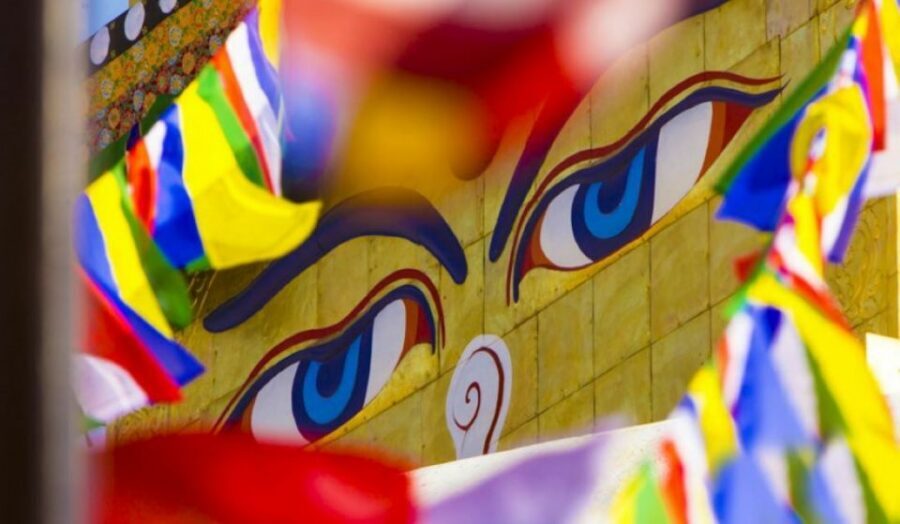
The highlights come from variety. One day you’re doing familiar-style trekking through forests and rivers. Next you’re walking above glacier moraines. Then you’re climbing passes where you can feel the mountain’s scale in every direction—prayer flags, cairns, and that high, thin air silence.
Value-wise, you’re paying for a guided, structured mountain program with permits, rescue arrangements, and the practical rhythm that keeps you from improvising at altitude. If you’re the type who wants epic views but also wants fewer moving parts, this route fits that.
You can also read our reviews of more hiking tours in Kathmandu
Day 1–2: Kathmandu setup, then the fast jump to Lukla
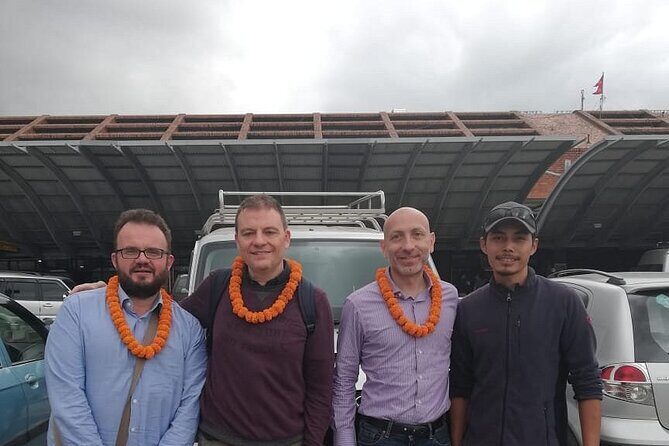
You start in Kathmandu, with pickup from Tribhuvan International Airport and a transfer to your hotel. That first evening is about logistics and getting calm. You’ll meet the group and get a feel for what the next days will demand.
Then comes the short flight to Lukla. The program lists flights as lasting less than 30 minutes, and that’s exactly why it’s worth doing this trek with a packaged plan: you remove most of the long-distance uncertainty. Once you land, you begin trekking to Phakding (about 3 to 4 hours). It’s a gentler entry day, paced so your body can adjust before you start stacking altitude.
Practical tip: even on these early days, I’d treat your “easy walking” like warm-up, not like leisure. Your legs will still feel it later when you’re climbing stony grades and stepping around moraine terrain.
The first real trekking day into Sagarmatha National Park
The trek to Namche Bazaar comes via the Dudh Koshi river corridor, with Monjo acting as the entrance point to Sagarmatha National Park. This section is scenic and varied: you pass through forest blocks of pine, fir, and rhododendron and keep getting mountain views that make the whole thing feel real.
Reaching Namche is more than just arriving at a town. It’s also where your pace starts to matter. Namche sits at a higher altitude than your body is used to, and the air gets thinner fast.
If you’re prone to rushing, this is where you’ll get a lesson. Slow down here and you’ll earn it later.
Namche acclimatization: the hike days that save your summit legs
Day 4 is designed as an acclimatization day, and it’s one of the smartest parts of the whole program. You’re not just resting. You get time for short hiking, a visit toward Sagarmatha National Park learning areas, and a hike toward Everest View Hotel on the way back to Namche.
You also tour Khumjung Village, including the monastery and Hillary School. That cultural time matters because it breaks up “pure walking mode.” It also helps explain the Sherpa presence in this region: the trekking routes are inseparable from the communities that host and guide climbers.
For many trekkers, the best acclimatization trick is mindset: treat it like training with a purpose. Walk a bit, rest a bit, drink water, and don’t try to win the day.
Tengboche to Dingboche: monasteries, wind, and glacier-world views
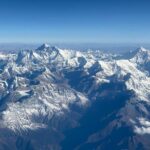
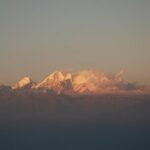
From Namche you head toward Tengboche via Phunki Thanga. Tengboche is known for a major monastery in the Everest region, and the program notes you might even catch a Buddhist religious ceremony if timing works out. Either way, the payoff is the views: Everest, Ama Dablam, Thamserku, Nuptse, Lhotse, and more show up in a way that feels huge and personal at the same time.
Next you move downhill through forests and across river valleys, heading toward Debuche and Pangboche before reaching Dingboche. Dingboche is a high, windy settlement with fields protected by stone walls. Those stone walls aren’t decoration; they’re practical answers to cold and grazing pressure.
The program gives you another acclimatization day in Dingboche, plus a hike to Nagarjun Hill for wide views including Makalu and multiple peaks around you. If you want one reason to respect this trek structure, it’s this: climbing too fast wastes your energy on the “wrong” days.
Chhukung Ri and Kongma La: where the trek turns serious
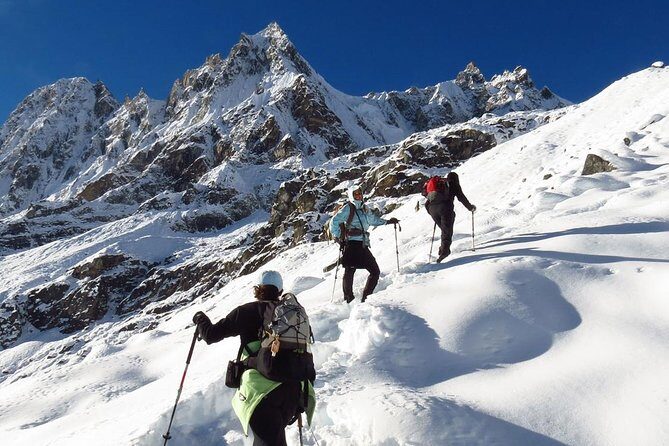
After Dingboche, you head toward Chhukung, passing through stone-walled fields and glacial moraines. You’ll see classic viewpoints over Amadablam and the Amphu Labsa area, then push up toward Chhukung for the climb to Chhukung Ri. The description mentions easy scrambling near the top, which is a good heads-up: you’ll want trekking poles and steady footwork, not just endurance.
Then comes Kongma La, the highest first pass on this trek (listed at 5,535 m). The day is early, and you cross the pass via a route that can vary: either over a hill near Nuptse Glacier moraines or via the trail above the Niyang Khola. The top is marked with cairns and prayer flags, and then the real challenge starts: the descent is described as the most difficult part of the day, taking you toward Lobuche.
I like Kongma La because it feels like a turning point. After this, you’re fully in the glacier edge world.
Everest Base Camp and Kala Patthar: the sunrise-style push
Gorakshep is where you get surrounded by the high peaks, and from there you continue to Everest Base Camp. The route follows the Khumbu Glacier lateral moraine and takes you through rocky dunes, moraines, and streams. Base Camp itself sits in a rough, dramatic setting, and your view range includes Nuptse, Khumbutse, and Pumori from the surrounding area.
Then the program shifts to the big moment: Kala Patthar (listed at 5,545 m), with an early departure to catch first light on Everest. This is not a casual hike. You’ll be trekking in the dark and dealing with cold temperatures that vary by season, plus the chance of chilly winds.
If you’re thinking of booking and you hate early starts, this is the part where you’d need to rethink expectations. The upside is obvious: you’re close enough to the Everest story that it stops being a concept and turns into an actual physical presence.
Cho La to Gokyo: lakes, glacier crossings, and big panoramic breaks
After descending toward Lobuche, you continue along routes near the Khumbu Glacier, then start moving toward Cho La. The program notes you’ll pass Chola Tsho Lake and another smaller lake before reaching Dzongla.
Cho La is listed at 5,420 m, and the route is described as steep with boulders where scrambling may be needed. The final approach can feel tricky around a crevasse. When you reach the top, cairns and prayer flags mark the pass—and then you have a long enough descent toward Thangnak that the day doesn’t end instantly, even after the hardest climbing.
When you move into the Gokyo valley, the trek becomes memorable in a different way. You reach the Ngozumpa glacier, described as the longest glacier in Nepal, and then see the series of six Gokyo lakes. You spend the night at Gokyo village on the edge of that lake system.
Gokyo Ri and lake days: the viewpoint math works
You climb Gokyo Ri for views (this is your classic “high viewpoint day” in the Gokyo region). After that, you can tour the fourth lake and then continue toward the fifth lake. The program calls out a viewpoint at the edge of the fifth lake called Scoundrel’s Viewpoint, with views that include Cho-Oyu, Gyachung Kang, Everest, Lhotse, Nuptse, and Makalu, plus the huge Ngozumpa Glacier.
This section is valuable because it gives you a full day of scenery without needing another immediate pass crossing. Your body still works, but you get “reward time” built into the schedule.
If you’re used to the Everest trail being mostly about climbing to the next checkpoint, Gokyo shifts your attention to wide panoramas and lake-level drama.
Renjo La and the return toward Thame and Lukla
Renjo La is listed at 5,360 m, and it’s approached on a long day. You start early, walk alongside Dudh Pokhari for a while, then descend toward the Renjo La pass. The program highlights outstanding views of the Himalayan and Rolwaling ranges and mentions that views from the pass echo the Gokyo Ri-style perspective, with the third Gokyo Lake and Gokyo village below.
After Renjo La, you go down: the description includes a stone staircase and then loose scree toward the south bank of Angladumba Tsho Lake. The next days continue the descent toward Thame. The route uses a traditional trader path, crossing the Bhote Koshi River, passing through Taranga, then reaching Thame, with its gompa on a hill.
Finally you descend to Namche Bazaar and then down toward Lukla via fast-flowing bridges over the Dudh Koshi and tributaries. The last descent days tend to feel long on the knees, but they also feel freeing: you’re moving toward the end of the high-altitude bubble.
Meals, tea houses, and how the trekking “feels” day to day
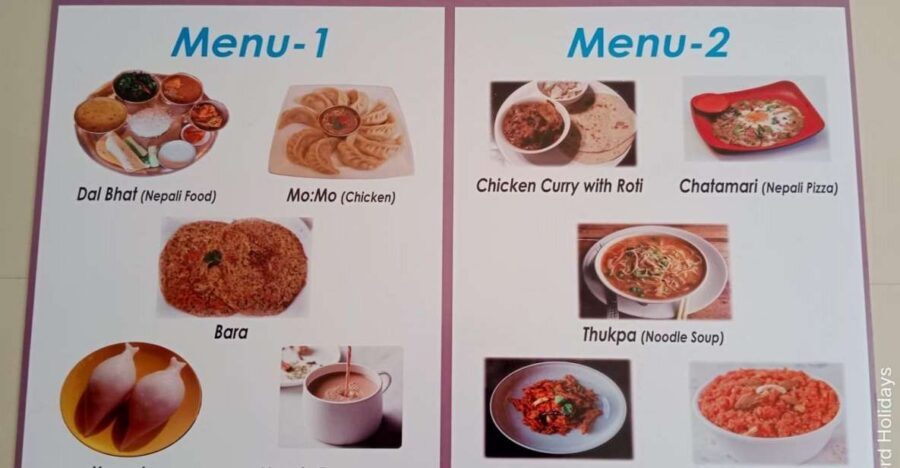
You’ll stay in lodges/tea houses during the trek, which keeps the experience grounded and budget-friendly compared to higher-end tented logistics. The program also includes breakfast, lunch, and dinner during trekking (with specific meals listed near the end of the trip). That matters because at these altitudes, the difference between a reliable meal schedule and scavenging can be the difference between steady energy and constant low-grade fatigue.
You’ll also have a 3-star hotel in Kathmandu for two nights with breakfast. That’s not luxury; it’s a reset button. You get a real bed before the first flight and another cushion toward the end.
One more practical note: the included packing list mentions a duffle bag that’s returned after the trek. That’s helpful because you can travel lighter day-to-day, while your main gear is carried.
Price and logistics: what $2,700 buys you in the real world
At $2,700 per person for a roughly 20-day guided trek, the value is mostly in risk management and time management. You’re paying for:
- Kathmandu hotel transfers and two nights in a 3-star property with breakfast
- the Lukla flights included in the package (including Kathmandu→Lukla and Kathmandu/Ramachap→Lukla/Ramachap flight options)
- TIMS and Khumbu Valley permit handling plus the paper work
- lodge stays and meals during trekking
- an experienced guide and porter support (1 porter per 2 clients)
- travel and rescue arrangements, plus a first aid kit
I also like that the trek ends with a farewell dinner with cultural performance. It’s a small detail, but it gives the trip a proper wrap instead of just “and then you fly home.”
What you don’t get (and should plan for): Nepal visa, international flights, Kathmandu meals beyond what’s already included, travel and rescue insurance, personal expenses, and tips. Also, if bad weather forces changes or you’re stuck longer than scheduled, extra mountain costs aren’t included.
That’s the real way to judge value: the package reduces friction, but you still own your travel insurance and personal spending, and you should expect altitude and weather to sometimes rearrange timing.
Who this trek is for (and who should pause)
This is for you if you have strong fitness and you want a serious high-altitude trekking goal that also gives you cultural stops. The program explicitly calls for strong physical fitness, and with three passes above 5,000 meters plus a cold early push to Kala Patthar, you really can’t fake your way through.
It’s also a good fit if you like structure. The acclimatization days aren’t random; they’re built into Namche and Dingboche. The support is real: guides plus a porter system, permits handled, rescue arrangements in place, and medical supplies mentioned.
I’d think twice if you struggle with early starts and cold conditions. Kala Patthar specifically includes a start in the dark and cold winds that vary by season.
Guides and people: support you can feel when it matters
The people side matters a lot on a trek like this, and the feedback you’re given through the company’s past trips is consistent: meticulous coordination by team members like Dawa and Gombu, and praise for guides such as Ang Dawa Sherpa and Ang Pemba. There’s also mention of friendly, helpful porters and a “problem-solving” attitude, including the return of a backpack that was lost by airline while someone was hiking.
Even if your exact guide name won’t be the same as someone else’s trip, it tells you something about the company’s operating style: they don’t just hand you a route and hope you figure it out.
Should you book Everest Three High Passes?
Book it if you want a guided trek that blends major altitude goals with real cultural and lake-country time, and you’re ready for cold, early starts, and steady effort over long days. The package is priced in a way that makes sense for what’s included: flights, permits, lodging, meals, and the people who handle your mountain logistics.
Don’t book it if you’re hoping for an easy stroll, or if you’re not prepared for the possibility that weather around Lukla can shift timing. This is a mountain program, not a “set-and-forget” vacation.
If you want, tell me your trekking background (how many days you’ve hiked at altitude before, and your fitness level), and I can help you judge whether the three-pass plus Gokyo combo is a good match for you.
FAQ
What are the three high passes on this trek?
The trek crosses Kongma La (5,535 m), Cho La (5,420 m), and Renjo La (5,360 m). You also visit Gokyo Valley and the viewpoint at Kala Patthar (5,545 m).
How long is the trek and where does it start?
It’s listed as 20 days (approx.) and starts in Kathmandu, Nepal, with a meeting point at Tribhuvan Airport. The listed start time is 7:00 am.
Are flights to Lukla included?
Yes. The package includes the Kathmandu to Lukla flight and also mentions Kathmandu/Ramachap to Lukla and Ramachap to Lukla flight options.
What permits and paperwork are included?
The package includes TIMS and the Khumbu Valley permit, plus all necessary paper works.
What kind of accommodation and meals should I expect?
In Kathmandu, you get two nights in a 3-star hotel with breakfast. During the trek, you’ll stay in lodges/tea houses, with breakfast, lunch, and dinner during trekking included (Kathmandu meals are not included).
How is porter support handled?
The program lists an experienced guide and porter setup as 1 porter for 2 clients.