REVIEW · KATHMANDU
12-Day Nepal Adventure Trek with Jungle Safari
Book on Viator →Operated by Outfitter Himalaya Holidays P. Ltd · Bookable on Viator
Temples, treks, and jungle in one sweep. This 12-day Nepal adventure strings together Kathmandu culture with the Poon Hill sunrise trekking route, then finishes in Chitwan National Park for wildlife and Tharu culture. I like that it’s a tight “best-of” mix for a two-week trip: old temples, mountain mornings, and jungle time without you having to stitch it all together yourself.
I also like the trip structure. You get local guiding throughout, plus transport between Kathmandu, Pokhara, and Chitwan, so the days feel organized instead of chaotic. In the mountain sections, the pace is manageable for a moderate fitness level, and the support from guides has been described as attentive, with help if someone is slower on the trail.
The one real consideration: you will earn your sunrise views. There’s at least one day with a big climb and lots of stairs, and the trekking accommodations are basic (clean, but not fancy), so go in expecting the simple lodge life.
In This Review
- Key highlights worth your attention
- Your first morning in Kathmandu: airport pickup and an early start
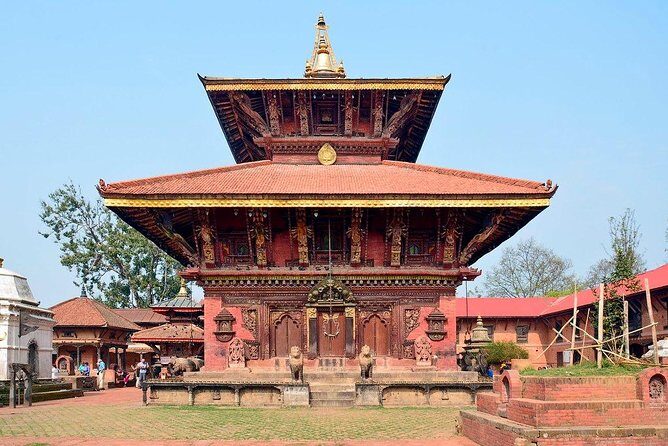
- Kathmandu temple day: Swayambhunath, Durbar Square, Boudhanath, Pashupatinath
- The scenic Pokhara transfer: river valleys and a slower pace
- The Annapurna trek begins: Tikhedhunga to Ghorepani (with Ulleri’s climb)
- Poon Hill sunrise and the climb day to Tadapani
- Ghandruk, rhododendron forests, and the descent toward Syauli Bazaar
- Chitwan National Park: Tharu village, jungle walking, and safari time
- Bird watching morning and the return to Kathmandu
- Price and what $950 actually buys (and what’s extra)
- Who this trip fits best, and how to prepare without overthinking
- Should you book this Nepal Adventure Trek with Jungle Safari?
- FAQ
- What time does the tour start and where do we meet?
- Is the group size limited?
- Are trekking permits included?
- What meals are included during the trip?
- Do I need to pay entrance fees for Kathmandu sights?
- Can I get a full refund if I cancel?
Key highlights worth your attention
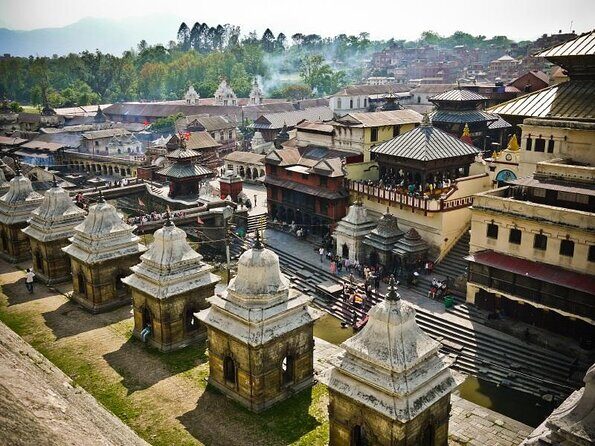
- Kathmandu temple circuit without travel roulette: Swayambhunath, Kathmandu Durbar Square, Boudhanath, and Pashupatinath in one packed day
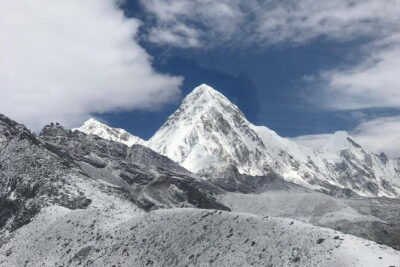
- Poon Hill at 3,232m for big sunrise views: prime vantage over several Himalayan peaks on a clear morning
- A classic Annapurna region walk: Tikhedhunga → Ghorepani → Tadapani → Ghandruk with forest paths and village scenery
- Chitwan adds wildlife and culture: Tharu village visit, jungle walking, Tharu stick dance, plus safari time
- Small group size (up to 14): easier logistics and a better chance of getting help when you need it
Your first morning in Kathmandu: airport pickup and an early start
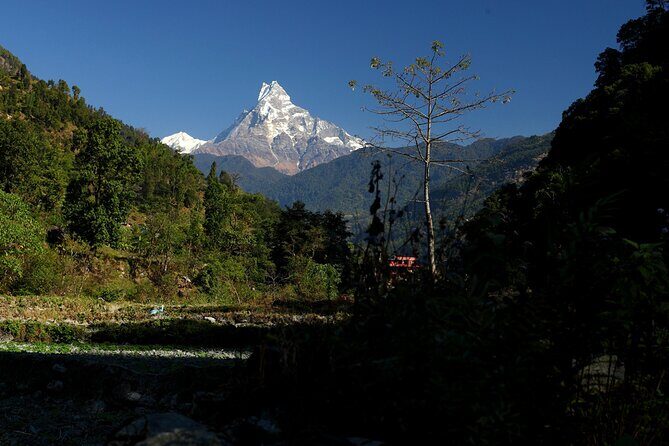
This trip starts by meeting you at Tribhuvan Airport in Kathmandu and transferring you to your hotel. The stated start time is 6:15 am, which is useful to know because it signals an early, organized day one rather than a slow start.
If you’ve got jet lag, treat day one like a reset: get oriented, eat something easy, and try to sleep at a normal local time. Nepal’s traffic and bustle can be a lot, and having that airport handoff lowers the stress immediately.
You can also read our reviews of more hiking tours in Kathmandu


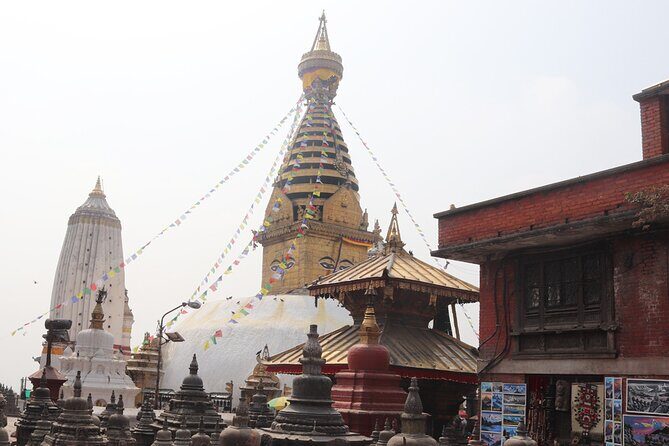
Kathmandu temple day: Swayambhunath, Durbar Square, Boudhanath, Pashupatinath
Day two is a strong Kathmandu sampler. You’ll visit four major sites:
- Swayambhunath (Monkey Temple): perched up high, with a classic view over the valley approach routes. It’s one of those places where you’ll feel the city’s scale fast.
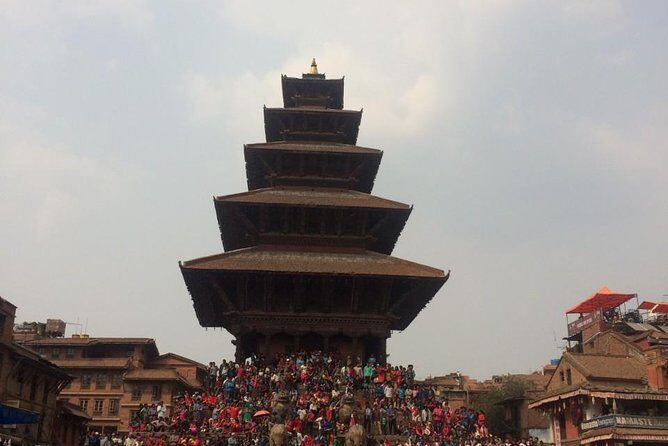
- Kathmandu Durbar Square: a focal point for historic architecture and old-world urban energy.
- Boudhanath Stupa: massive and calming compared to the busier streets, with the stupa’s presence pulling your attention upward.
- Pashupatinath Temple: one of the most important Hindu temples in the region, and a place where religious life feels real, not staged.
A practical note: entrance tickets are not included for these sights. The tour lists $25 per person for Swayambhunath and the Day-2 sightseeing places. So, if you’re counting total trip costs, plan on that add-on.
Also, this is a “do a lot in one day” kind of schedule. It’s efficient, but it’s also warm-footed work—good walking shoes matter, and you’ll want a bottle of water.
The scenic Pokhara transfer: river valleys and a slower pace
After Kathmandu, you travel to Pokhara by tourist bus. The drive is listed as about 6 hours, and it runs along the Trisuli and Marsyangdi River routes. For many people, this day is the mental shift from city bustle to mountain travel mode.
Pokhara is where the trip’s vibe changes. You’ll feel it even without dramatic views: the pace slows, and people start talking about trekking rather than traffic. If you can, use this day to rest your legs before the hiking begins the next morning.
The Annapurna trek begins: Tikhedhunga to Ghorepani (with Ulleri’s climb)
Your trekking starts after a drive to Nayapul, about 1.5 hours, followed by a hike out to Tikhedhunga (1,577m) via Birethanti. Even if you’re not a hardcore hiker, the early trail helps you dial in rhythm—short breaks, steady steps, and saving energy for the steeper moments later.
Then the route moves on to Ghorepani, with a climb pattern described as steep for the first two hours, followed by gentler trekking. Along the way you pass Ulleri (2,070m) and Banthanti villages. This is where the Annapurna region starts feeling like it has a personality: small communities, trail bends that reveal new angles, and the constant sense you’re gradually gaining altitude.
One important mindset shift: this trek isn’t about sprinting. It’s about keeping legs moving efficiently. If you slow down, that’s normal here, and the guide support on this trip has been praised—so don’t feel like you’re holding anyone back.
Poon Hill sunrise and the climb day to Tadapani
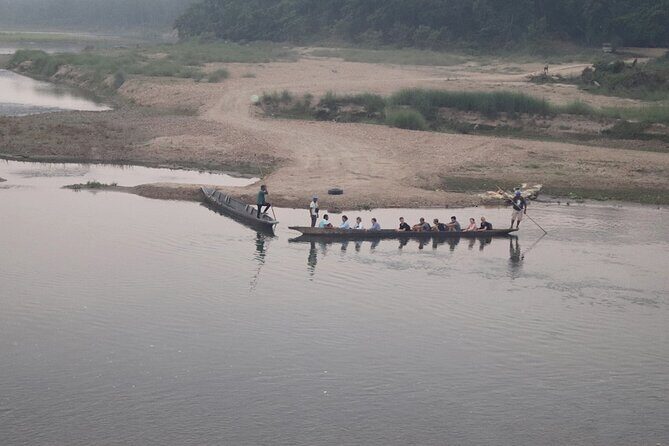
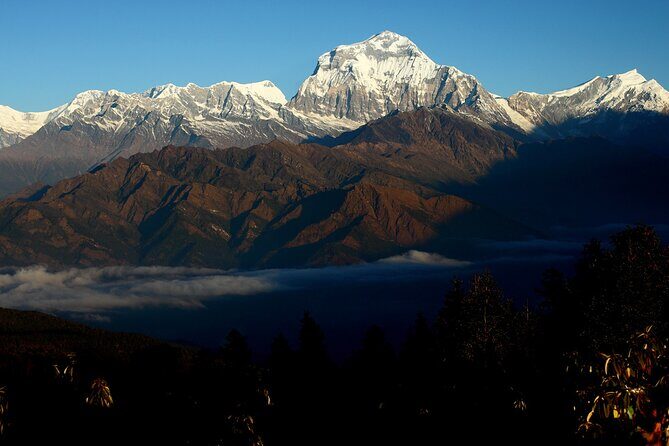
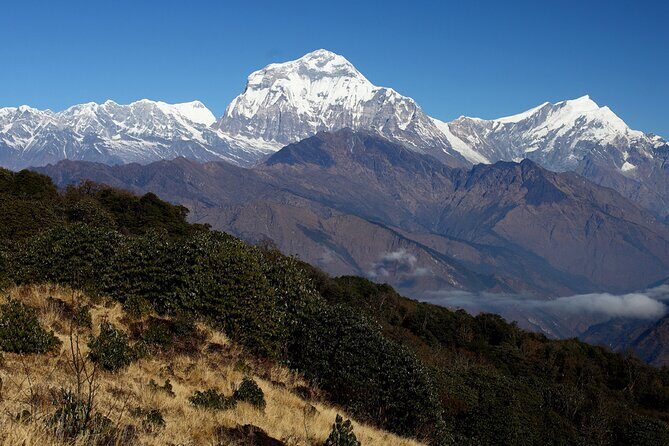
This section is built around getting to Poon Hill (3,232m) for sunrise views. The itinerary lists mountain viewing highlights you might see on a clear morning, including Dhaulagiri and Annapurna I/Annapurna South, along with peaks such as Tukuche Peak, Nilgiri, and Varaha Shikhar.
Here’s what’s practical: sunrise mornings at elevation mean cold hands and slower breathing. You don’t need to be a mountain athlete, but you do need layers and patience. Bring a warm top even if daytime in Pokhara felt mild.
Your day ends with lodging at Tadapani, and the route here is described as a long hiking day (listed as 7 hours). In one of the trip reviews, a standout warning was about a day with extreme elevation gain and around 3,000 stairs in one stretch. So if stairs make you grind, pace yourself early and don’t wait until you’re already out of breath.
The good news: lodge life on this route tends to be straightforward. Accommodations are described as basic but clean, and meals are often plentiful enough that you don’t feel rationed on recovery energy.
A few more Kathmandu tours and experiences worth a look

Ghandruk, rhododendron forests, and the descent toward Syauli Bazaar
On the next trekking day, you head toward Ghandruk. The itinerary describes this as easier trekking with gentle descending through rhododendron, oak, and other dense forests, plus the chance to hear different birds. It’s a nice change after the higher-gain push days.
Ghandruk is a classic foothills-style destination: you’re not just walking through “nature,” you’re walking through a living village region. The descent also helps your body adjust—legs stop feeling like they’re constantly climbing.
The final trekking day is also listed as easy-ish: gentle descent through rice fields and local villages toward Syauli Bazaar, then you connect back toward Pokhara. The itinerary marks this as about 6 hours, so it’s still a day, but it’s less punishing than the earlier sections.
Chitwan National Park: Tharu village, jungle walking, and safari time
Then you switch ecosystems. From Pokhara you drive about 6 hours to Chitwan, check into a jungle lodge, and do a Tharu village tour. This part matters because it sets context. Chitwan isn’t only about big animals; it’s also about the people whose lives have long intersected with the forest and floodplain rhythms.
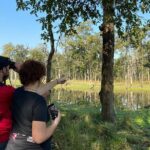
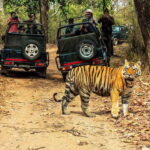
The full jungle day includes jungle walking and a jungle safari across streams and into the jungles, plus cultural time like a Tharu cultural stick dance. Expect a day with some bumpy riding, a lot of quiet looking time, and the kind of nature focus that makes you forget your phone exists for a while.
In one of the trip notes, the combination of walking plus safari was highlighted as a key value—more than just a single vehicle ride. If you enjoy being out on the ground (even when mosquitoes are also enjoying you), this day is likely to land well.
Bird watching morning and the return to Kathmandu
On day eleven, there’s a bird watching tour in the morning. After that, you drive back to Kathmandu and check into your hotel.
This is a good “cooldown” day. The bird-focused morning gives your body something lighter after trekking and jungle time, and the Kathmandu arrival puts you back in a place where you can eat normally, shower longer, and take the final night at your own pace.
Price and what $950 actually buys (and what’s extra)
At $950 per person for about 12 days, this trip’s value comes from what’s bundled rather than what you add yourself.
Included items (the big ones):
- 11 nights of accommodation
- Airport transfers
- Local guide throughout
- Transport by tourist bus between Kathmandu–Pokhara–Chitwan–Kathmandu
- Trekking permits including TIMS and trekking permit
- Meals: breakfast (11), lunch (7), dinner (6)
Not included (plan for these):
- Nepal entry visa fee
- Travel insurance
- Drinks and sweets not listed in the itinerary
- International airfare
- Tips for guide/porter/driver
- Porter if you need one (optional, not built into the base)
- Entrance fees for Day-2 sights and Swayambhunath: $25 per person
So when you compare value, don’t just compare nightly lodge prices. You’re also paying for logistics that are hard to DIY: the transport routing, the permits, the guided days, and the structured meal plan.
Who this trip fits best, and how to prepare without overthinking
This is aimed at people with moderate physical fitness. That lines up with an Annapurna Poon Hill route that mixes steeper sections (including stair-heavy stretches) with easier, descending walking days.
You’ll likely be happiest if you want:
- A guided trekking experience with a clear plan
- A mix of culture + trekking + wildlife without needing multiple separate bookings
- A small group environment (max 14) where you can move with the pace of your guide
What to prepare for:
- Cold mornings during higher elevation sunrise timing
- Stair and uphill effort on at least one day
- Basic lodge accommodations (clean, but simple)
- Entrance fee cash for Kathmandu sights ($25 per person listed for that day)
If you’re worried about stamina, lean on the guide system. In past groups, slower hikers have been supported with extra help from porters. You may want to mention your comfort level early so the team can adjust your pacing.
Should you book this Nepal Adventure Trek with Jungle Safari?
Book it if you want a two-week Nepal trip that doesn’t force you to choose between mountains and wildlife. The big strength here is balance: you get Kathmandu’s spiritual landmarks, a classic Poon Hill trekking arc with sunrise payoff, and then Chitwan’s jungle experience with both walking and safari time plus Tharu cultural moments.
Skip it (or at least adjust expectations) if you hate stairs or you’re not ready for basic trekking lodges. The trek includes at least one serious climb day, and the comfort level on the mountain side is intentionally simple.
If you fit the “I can hike, I want variety, and I like guided structure” profile, this is strong value for a single, well-packed Nepal adventure—temple morning, mountain sunrise, jungle day, done.
FAQ
What time does the tour start and where do we meet?
The meeting point is Tribhuvan Airport in Kathmandu, Nepal, with a stated start time of 6:15 am. The tour includes airport pickup and transfer.
Is the group size limited?
Yes. The tour lists a maximum group size of 14 travelers.
Are trekking permits included?
Yes. The tour includes trekking permits, specifically TIMS and a trekking permit.
What meals are included during the trip?
The package includes 11 breakfasts, 7 lunches, and 6 dinners.
Do I need to pay entrance fees for Kathmandu sights?
Yes. Entrance tickets for Swayambhunath and all Day-2 sightseeing places are listed as not included, with an added cost of $25 per person.
Can I get a full refund if I cancel?
A full refund is available if you cancel at least 3 days in advance of the experience’s start time. If you cancel less than 3 full days before, the amount paid is not refunded.