REVIEW · KATHMANDU
Kathmandu – Pokhara – Chitwan – 08 Days(KATHMANDU VALLEY- POKHARA –CHITWAN )
Book on Viator →Operated by Exciting Nepal Holidays Treks · Bookable on Viator
One route, three very different Nepal moods. You’ll move from Kathmandu’s heritage lanes to Pokhara’s lake-and-views days, then into Chitwan’s wildlife routines. The best part is the pacing: you get guided sights in the cities, then hands-on nature time that actually changes your day.
I love how the trip mixes big-name cultural stops with real local texture in places like Thamel and the Kathmandu Valley cluster. I also like that Chitwan isn’t just a “drive by” wildlife promise; you get structured animal-focused time such as canoe-style river riding and jeep safaris for species like one-horned rhino and Royal Bengal tiger.
One possible drawback: the Himalayan viewpoints (like Sarangkot) depend heavily on weather clarity. If skies are hazy, you might get fewer dramatic mountain views than you hoped for, even though the rest of the day still works.
In This Review
- Key highlights to focus on
- Kathmandu Valley starts in Thamel, then goes full heritage
- City logistics: pickup, air-conditioned rides, and group size that stays human
- Kathmandu to Pokhara: the scenic coach ride that actually matters
- Pokhara lakeside, Sarangkot viewpoints, and the best kind of early morning
- Chitwan: the wildlife park that starts with culture, not just animals
- Morning canoe, elephant breeding center, and why Sal forest shows up twice
- Wildlife odds in plain terms (so you don’t feel cheated)
- Back to Kathmandu: Durbar Square again, plus a realistic airport finish
- Price and value: what $395 buys you in real terms
- Who this tour suits best (and who should consider alternatives)
- Should you book this Kathmandu–Pokhara–Chitwan route?
- FAQ
- What is the meeting point and start time?
- Are pickup and mobile tickets included?
- What’s included in the price?
- Which entrance fees are not included?
- Do I need to pay for meals and drinks?
- What about domestic flights and travel insurance?
- What if the weather is bad?
- Can I cancel and get a full refund?
Key highlights to focus on
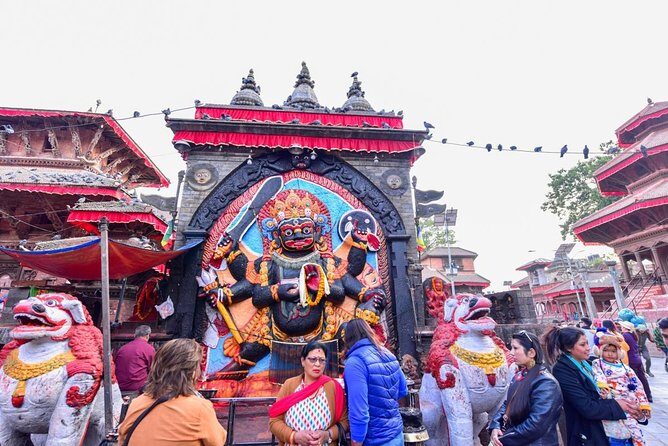
- Kathmandu Valley, concentrated: Durbar Square + Pashupatinath + Boudhanath, plus Patan, with day-long guidance.
- Pokhara drive with scenery value: A long 200 km coach ride that breaks the journey into an easier rhythm.
- Sarangkot timing for views: Early-hour viewpoint time can pay off when the weather is clear.
- Chitwan wildlife structure: Morning river/elephant activity followed by afternoon jeep safari for best odds.
- Tharu cultural evening: A dinner plus Tharu dance that gives context to the people tied to the park area.
- Small-group feel: Maximum 24 travelers, which helps logistics feel calmer.
Kathmandu Valley starts in Thamel, then goes full heritage
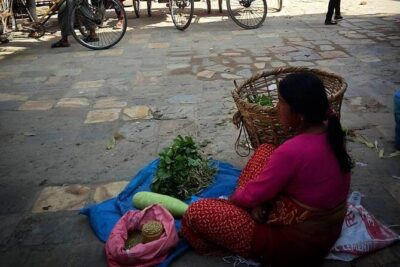
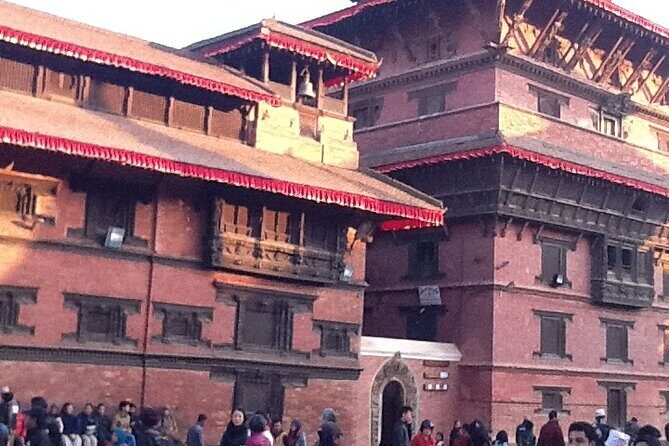
Your trip begins at Tridevi Temple (Tridevi Sadak) around 7:00 am, then you ease into Kathmandu with a stop in Thamel for about an hour. This is one of those practical openings that matters. Thamel is where you can orient fast—street life, local houses, souvenir stalls, and the everyday rhythm of the city. Even if you’ve read about Kathmandu for years, it still helps to get your bearings before you jump into major religious sites.
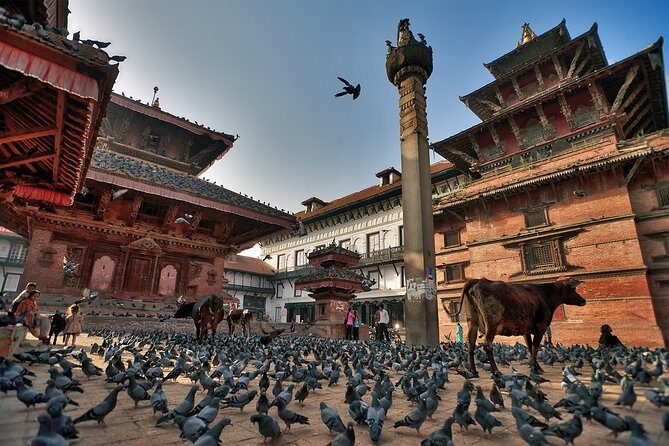
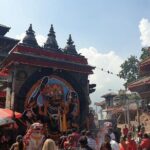
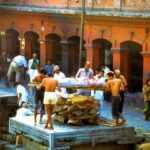
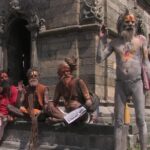
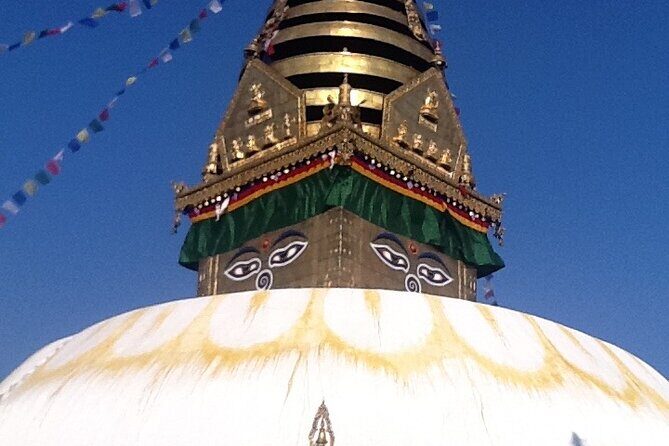
Then the focus sharpens on the Kathmandu heritage circuit. On day two, you’ll cover Kathmandu Durbar Square, Pashupatinath (Hindu pilgrimage site), Boudhanath (Buddhist pilgrimage site), and also Patan. This “cluster” style is a smart way to avoid wasting time backtracking across the city. You also get a real contrast on the same day: Pashupatinath brings river-edge Hindu devotion; Boudhanath feels different in tone—prayer wheels, monks, and a slower pace.
I like that this day is guided with a local English-speaking setup. In a place like Kathmandu, signage can be patchy and context matters. When you know what you’re seeing—what’s ceremonial, what’s historic, and why certain areas matter—you can enjoy the sights without feeling lost.
Practical note: day two is long (about 6 hours), and admission fees for Kathmandu sites are not included in the deal. Plan for cash/card time at each major stop so you don’t lose momentum.
You can also read our reviews of more tours and experiences in Kathmandu.
City logistics: pickup, air-conditioned rides, and group size that stays human
This route runs on ground transport, and that’s a big part of its value. You’ll have an air-conditioned vehicle for the major transfers (like Kathmandu to Pokhara and Pokhara to Chitwan), plus a local guide who helps keep you oriented. For Nepal, that’s not just comfort—it’s time control. It also helps you settle into a routine across eight days instead of constantly coordinating taxis.
The group limit is up to 24 travelers. That matters more than it sounds. Big buses can turn every stop into a stampede. With a smaller cap, you’re more likely to keep a steady pace, hear your guide, and avoid long waits.
Also, you get a mobile ticket, which is handy for keeping everything in one place. You’ll still want to bring a phone battery-friendly plan, because Nepal runs on schedules that sometimes change slightly—especially when roads are busy.
Kathmandu to Pokhara: the scenic coach ride that actually matters
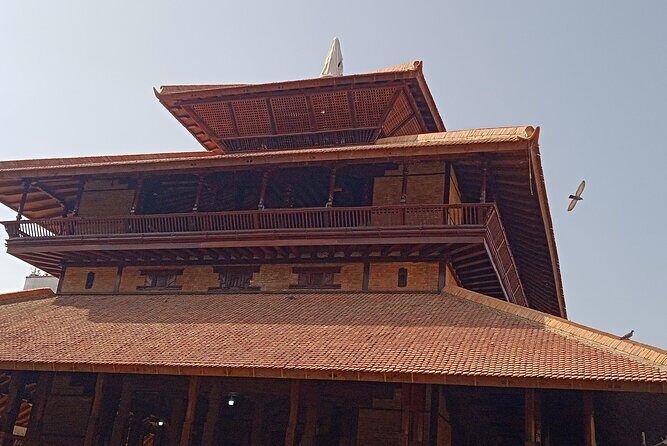
On day three, you travel from Kathmandu to Pokhara by tourist coach, about 200 km and roughly 6 hours. This isn’t a throwaway transfer day. The ride gives you a slow, steady look at hill country and river valleys, and you’ll see the greenery and settlement patterns that make western Nepal feel different from the Kathmandu basin.
If you’re the type who hates “wasting” transit time, this is a good route choice. Instead of flying and losing the land connection, you get the window views that remind you Nepal is not just mountains on postcards.
You’ll arrive in Pokhara and sleep there. Having an overnight matters because Pokhara is where you’ll start transitioning from temples to nature and light hiking-style sightseeing.
Pokhara lakeside, Sarangkot viewpoints, and the best kind of early morning
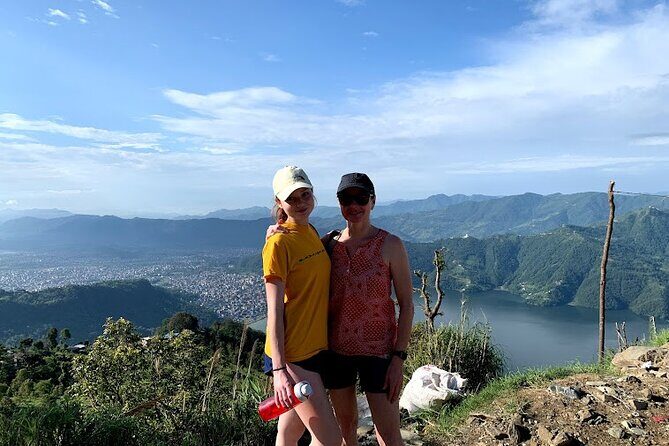
Pokhara is where the trip changes gear. You’ll spend day four with a mix of viewpoints and signature spots, usually in a 6-hour block.
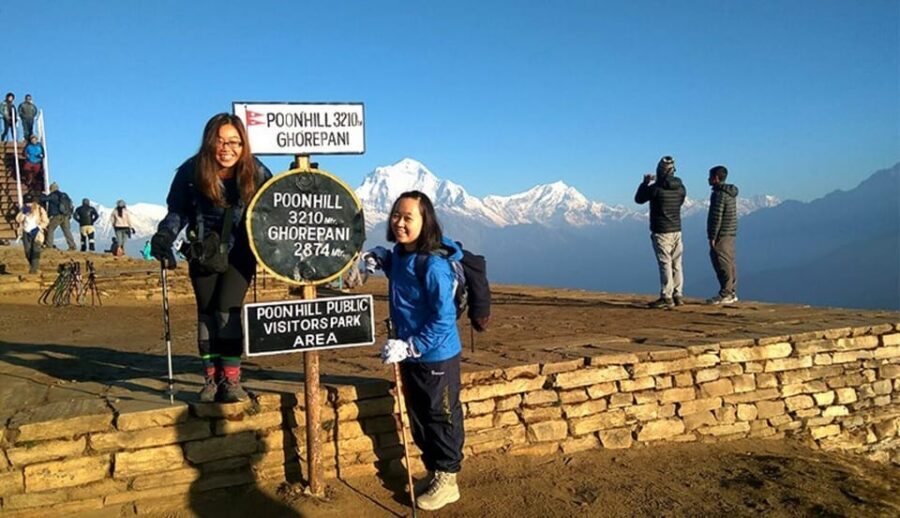
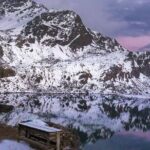
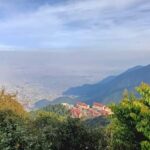
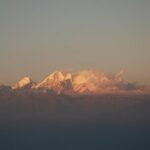
The star here is Sarangkot. If conditions are clear, you can catch views over mountain ranges including Dhaulagiri, Himalchuli, Machhapuchhre, and multiple peaks in the Annapurna area. There’s even a built-in logic to this: early visibility often makes the difference between a “nice” view and one that feels like a whole new level.
The tradeoff is obvious: weather. If clouds roll in, your view can be muted. Still, the morning routine itself is worthwhile. Even without perfect mountain silhouettes, Sarangkot gives you that high-hill perspective where the valley and sky do a lot of work.
After the viewpoint, you’ll move through Pokhara essentials:
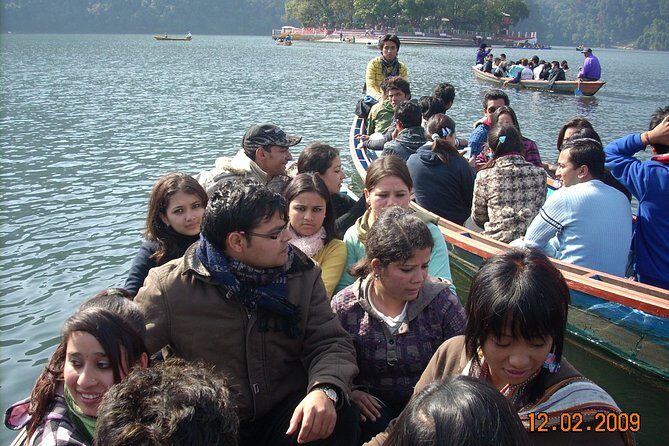
- Fewa Lake for boating
- Bindyabasini Temple
- Seti River Gorge
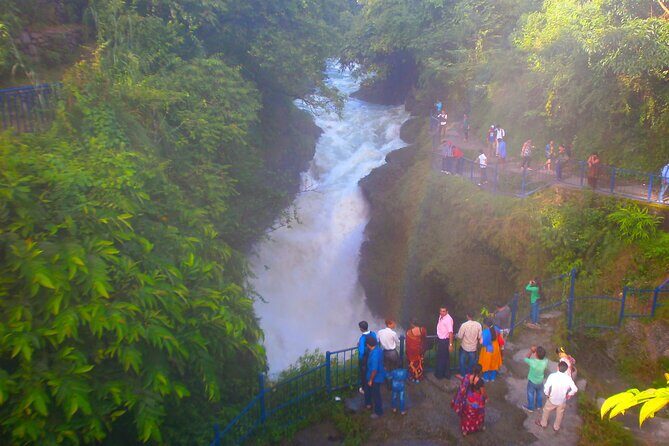
- Devi’s Fall
This is a good mix if you want more than just sitting by the water. The lake time feels peaceful, while the gorge and fall add motion and sound, which helps the day stay active.
A heads-up: the entrance tickets in Pokhara aren’t included, so budget for those.
Chitwan: the wildlife park that starts with culture, not just animals
Then comes the long-awaited jump into Chitwan National Park on day five. You’ll drive about 145 km in roughly 4 hours from Pokhara, then get a welcome drink, room allocation, and a structured evening.
The Chitwan night plan includes dinner plus Tharu dance performed by the Tharu people. The itinerary frames this as a cultural highlight, and that’s exactly how I’d treat it. Chitwan isn’t a theme park. It’s a living region with communities that sit next to protected habitat. Seeing the Tharu dance in context makes the park feel less like a distant wildlife checklist and more like a place where people have an ongoing relationship with the land.
On day five, you’ll also have dinner arranged, which is convenient after travel. The whole schedule feels designed to reduce decision fatigue.
Admission for Chitwan activities is included in the package, which is nice. It means you’re less likely to face surprise add-ons once you’re already in the park.
Morning canoe, elephant breeding center, and why Sal forest shows up twice
Day six is the “wildlife day” in a practical sense. It starts early:
- wake-up call around 6:00 am
- breakfast by 6:30
- then canoe ride
- elephant breeding center visit, including a chance to see elephant babies
- and time with the surrounding forest, including Sal forest, plus a stop that can include a view of a Tharu village on the way back
This morning section works because it builds your day in layers. You start with the river route feeling, then you shift to one of Chitwan’s conservation-linked elephant spaces, then you move into the core forest system. Even if animal sightings are never guaranteed, you’re not sitting still waiting. You’re moving through habitats.
Then lunch, tea/coffee, and the main safari block.
The afternoon jeep safari is where you’re aiming for the headline wildlife. The route says you might see:
- one-horned rhino
- Royal Bengal tiger (sightings depend on luck)
- several deer species
- birds
- monkeys
- sloth bear
- wild boar
…and more, depending on the day.
This is also the section where being in Sal forest or mixed forest matters. Those forest types affect where animals travel and how visible they are. Jeep safari routes are built to maximize your chances while still respecting the park’s needs.
One more thing: the plan also mentions an option-style structure like canoe ride and jungle walk in the morning plus jeep safari in the afternoon. So you should expect a “morning + afternoon” rhythm, even if the exact order flexes slightly depending on timing.
Wildlife odds in plain terms (so you don’t feel cheated)
I’m going to say the quiet part out loud: Chitwan wildlife isn’t a guaranteed tiger selfie. The park can be incredible and still not hand you the exact animal you’re imagining.
What this trip does well is it doesn’t rely on a single moment. You have structured opportunities across morning and afternoon: river-style viewing, forest walking time in some formats, elephant-area contact/learning, and jeep safari searching. That means if the first safari doesn’t deliver a dramatic sighting, you’re not out of luck—you’re still in action.
The best way to enjoy this day is to treat it like tracking. Look at movement, listen for calls, watch for signs like tracks and bird behavior. Your guide helps with that kind of reading, and that’s where a strong on-the-ground explanation can turn a “maybe” into a “wow.”
In the reviews you can also sense this care for real-world navigation and timing. Many guests highlight the guiding style from Hari Prasad Timilsina (Hari) and mention additional language support depending on the group, including Jack for Italian-speaking guests. That kind of prep matters when you’re scanning treelines for animals.
Back to Kathmandu: Durbar Square again, plus a realistic airport finish
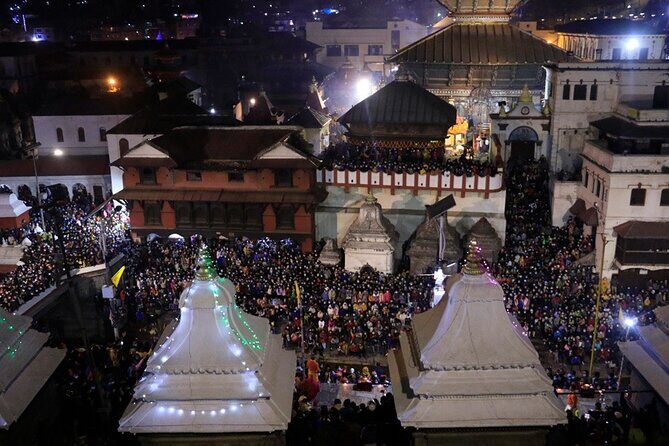
On day seven, you head back to Kathmandu and include another Kathmandu Durbar Square visit. Departure is around 9:30 am with about 5 hours of travel time. Re-visiting a Durbar Square might seem repetitive until you remember Kathmandu isn’t one single “viewpoint.” It’s multiple layers of architecture, courtyards, and historic space. A second pass can help you compare what you saw earlier and notice details you missed.
On day eight, you finish with breakfast, then free time for final shopping, plus transfer to Tribhuvan International Airport for your next destination. This structure is practical. It helps you come home with something meaningful without rushing your last morning.
If you like shopping, focus on items you’ll actually use: small crafts, textiles, or things tied to the neighborhood you started in (Thamel). If you don’t, use the time to rest. The long drives can catch up with you after a couple of days in Chitwan.
Price and value: what $395 buys you in real terms
At $395 per person for about eight days, this trip is positioned as a mid-budget, guided “triangle route” through Nepal’s key regions: culture (Kathmandu), views and lakes (Pokhara), and wildlife (Chitwan).
Here’s the honest value breakdown based on what’s included:
- Bed and breakfast in twin sharing rooms in Kathmandu and Pokhara
- Local English-speaking guide plus air-conditioned vehicle for the key transfers
- Meals built into the program (7 breakfasts, 2 lunches, 2 dinners)
- Chitwan entrance and sightseeing are included
And here’s what you need to budget separately:
- Entrance fees in Kathmandu and Pokhara are not included
- Beverages, personal expenses, medicine, and tips aren’t included
- Domestic air fare and travel insurance aren’t included
For me, the value is strongest if you want someone else handling the schedule. The driving days are long. Without guidance, you’d spend your time coordinating rides and tickets while trying to make sense of religious sites and wildlife rules. With this format, you’re more likely to spend your energy on enjoying the moments.
Who this tour suits best (and who should consider alternatives)
This itinerary fits you best if you want:
- a guided Nepal introduction with clear structure
- a mix of temples + lake time + wildlife in just 8 days
- less stress with transport because the major legs are covered
- a cultural evening in Chitwan that goes beyond wildlife-only sightseeing
It may be less ideal if you’re chasing only mountain views. Sarangkot can deliver, but it’s weather-dependent. If your priority is guaranteed panoramas, you’ll want a plan that includes weather flexibility and possibly more dedicated viewpoint time.
If you dislike early starts: day six is early, and day five sets up an active evening, so you’ll feel the pace.
Should you book this Kathmandu–Pokhara–Chitwan route?
Yes, if you want a well-timed sampler that’s still more than a checklist. The strongest reason to book is the balance: guided heritage days in Kathmandu, a scenic-and-varied Pokhara block with Sarangkot and Fewa Lake time, then Chitwan with a real sequence (canoe/elephant-area morning and jeep safari afternoon).
You should think twice only if weather-dependent viewpoints would ruin the trip for you, or if you strongly prefer paying less while doing more independent planning. Entrance fees in Kathmandu and Pokhara are on you, so check that you’re comfortable budgeting for tickets.
If you like practical guidance and a calm small-group feel, this route has the right ingredients—especially thanks to the consistent emphasis on reliable guiding highlighted through Hari and other language support like Jack for Italian-speaking groups.
FAQ
What is the meeting point and start time?
The meeting point is Tridevi Temple, Tridevi Sadak, Kathmandu 44600, Nepal, and the start time is 7:00 am.
Are pickup and mobile tickets included?
Yes. Pickup is offered, and you receive a mobile ticket.
What’s included in the price?
The package includes bed and breakfast in Kathmandu and Pokhara (twin sharing), local English-speaking guide, air-conditioned vehicle, government taxes, and meals during the program (7 breakfasts, 2 lunches, 2 dinners). Chitwan entrance fees and sightseeing are included.
Which entrance fees are not included?
Entrance fees for Kathmandu and Pokhara are listed as not included, so you should budget for those site tickets.
Do I need to pay for meals and drinks?
Meals are included as listed in the program, but beverages are not included. Personal expenses, medicine, and tips are also not included.
What about domestic flights and travel insurance?
Domestic air fare and insurance are not included.
What if the weather is bad?
This experience requires good weather. If it’s canceled due to poor weather, you’ll be offered a different date or a full refund.
Can I cancel and get a full refund?
Yes, you can cancel for a full refund if you cancel at least 24 hours in advance of the experience start time.