REVIEW · POKHARA
Private 4 Day Poon Hill Trek from Pokhara
Book on Viator →Operated by CAN Travels · Bookable on Viator
Poon Hill sunrise is a punch-in-the-face view. This private 4-day trek from Pokhara is built around getting you to the ridge early enough to watch the Annapurna and Dhaulagiri ranges shift into orange-gold light, with classic village trekking along the way. I also like how the route mixes big scenery with real Gurung and Magar community time in teahouses, where you can slow down and talk with locals rather than just pass through.
The main thing to watch is effort. You’ll tackle an especially steep section with stone stairs going up toward Ulleri, and you’ll also be hiking early on Day 3 for sunrise from Poon Hill, so this is best for people with at least moderate fitness.
In This Review
- Key Highlights I’d Put on Your Short List
- Poon Hill Sunrise: The View You Train Toward
- Day 1: Pokhara to Tikhedhunga and Your First Real Climb
- Day 2: The Ulleri Stair Effort to Ghorepani
- Day 3: Poon Hill Sunrise, Then on Toward Ghandruk
- Day 4: Downhill to Naya Pul and Back to Pokhara
- Teahouses, Food, and What $28 Per Day Buys You
- Your Guide: Why the Names People Remember Matter
- Price and Value: What You Get for $240 Per Person
- Timing, Fitness, and Packing Notes That Actually Help
- Who This Trek Fits Best (and Who Might Want Another Option)
- Should You Book This Poon Hill Trek?
- FAQ
- How long is the Private 4 Day Poon Hill Trek from Pokhara?
- What does the $240 per person price include?
- Are meals included in the tour price?
- What days do I see Poon Hill sunrise?
- What route and major stops are part of the trek?
- Is the trek private or shared?
- Is there free cancellation?
Key Highlights I’d Put on Your Short List
- Sunrise at Poon Hill: early-morning climb for panoramic views of the Annapurna and Dhaulagiri ranges
- Teahouse nights in working villages: time in Gurung/Magar areas instead of a hotel-only trek
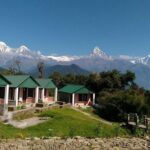
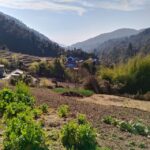
- A route with texture: rhododendron and oak forests, terraced fields, and stone-and-dirt trails
- Private guide who also explains: English speaking trekking guidance, plus stories on history, traditions, and wildlife
- Permits handled: trekking permit and TIMS card included in the package
- Easy logistics from Pokhara: pickup/drop-off plus private car transfers as per the itinerary
Poon Hill Sunrise: The View You Train Toward
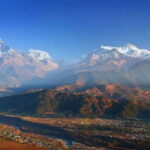
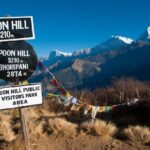
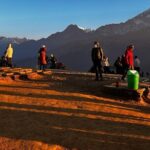
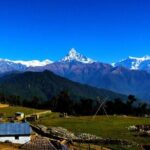
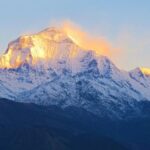
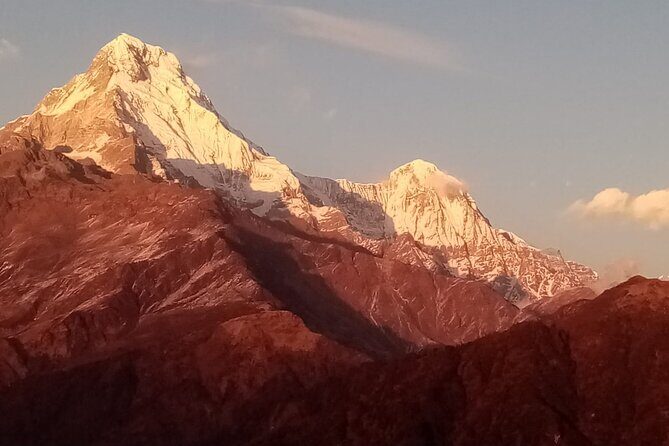
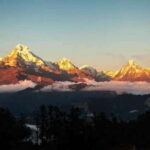
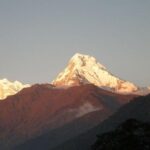
If you’ve been to Nepal before, you already know the Himalaya are dramatic. Still, Poon Hill is different because it’s a sunrise show that doesn’t require the kind of training or altitude risk you’d see on longer, higher treks. On Day 3, you hike up early to reach the viewpoint, and the payoff is panoramic: the Annapurna and Dhaulagiri ranges stretched out under sunrise light, the mountains turning shades of orange and gold as the sky warms.
What I like about the setup is that it’s not just a quick photo stop. The trek is timed so you’re actually part of the morning rhythm—walking in the dark or early hours, then pausing when the light hits. It’s also a moment where you’ll notice weather and cloud behavior in real time. If the sky is clear, the views can feel huge. If clouds sit low, you’ll still get the mountains as they appear in layers.
You can also read our reviews of more private tours in Pokhara
Day 1: Pokhara to Tikhedhunga and Your First Real Climb
Day 1 starts with a transfer from Pokhara toward Nayapul (about 1–2 hours). From there, you begin walking and you’ll pass through Birethanti and Hille before ascending toward Tikhedhunga for the night.
This day is a nice “warm-up” in the sense that you’re getting your legs moving, but it still sets the tone: you’re going uphill through villages, not just strolling on flat ground. The trail here is the classic beginning of the Annapurna region’s trek system—lived-in, busy enough to feel safe and supported, but still calm compared with a city walk.
One practical thought: since meals aren’t included in the price (you buy them along the way), Day 1 is a good day to plan for cash/ATM access in Pokhara and to build a small snack habit. You’ll thank yourself later.
Day 2: The Ulleri Stair Effort to Ghorepani
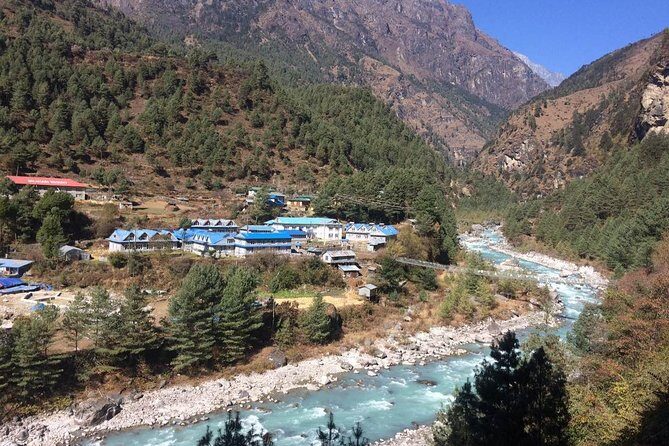
Day 2 is where the trek really starts to feel like trekking. You’ll ascend to Ulleri village via a steep section of stone stairs (the famous kind: solid, repetitive, and attention-demanding). After you get through that, the trail softens into forest hiking—rhododendron and oak—as you head toward Ghorepani, where you sleep.
Ghorepani is a great base because it’s high enough to feel the weather shift, but not so high that you’re dealing with extreme altitude on a multi-day schedule. It’s also strategically placed: you’re close to Poon Hill for the sunrise push the next morning.
If you want a simple mental strategy for Day 2: treat the stairs like intervals. Don’t sprint them. Short, steady pace works best, especially if you’re trying to enjoy the scenery instead of just surviving the climb.
Day 3: Poon Hill Sunrise, Then on Toward Ghandruk
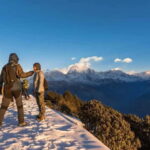
Day 3 has two parts. First is the early hike to Poon Hill View Point for sunrise. The viewpoint gives you those wide, classic panoramas over the Annapurna and Dhaulagiri ranges, and the morning light is what makes the trek feel worth every step. Expect it to be chilly at that hour, and plan your timing so you’re not rushing when it matters.
After sunrise, you descend back toward Ghorepani and then continue the trek toward Ghandruk, a Gurung village in Kaski District. This part is longer—about a 6-hour hike from Ghorepani to Ghandruk—and it’s also where the trek gains cultural depth. You’ll spend the night in a teahouse in Ghandruk, and the area is known for hospitality.
This is a smart design for people who want more than views. Ghandruk is the kind of place where you can hear how people live here—what matters in the community, how the landscape supports daily work, and how culture shows up in everyday conversation.
Day 4: Downhill to Naya Pul and Back to Pokhara
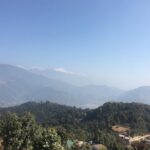
On Day 4, you hike downhill from Ghandruk toward Naya Pul, with the route designed to give you goodbye views of major peaks you’ve been hearing about—Annapurna I, Annapurna South, Dhaulagiri, Fishtail, and Himchuli. You’ll pass through rhododendron forest, and the downhill feel is a relief after the earlier climbs, but don’t ignore your feet. Downhill can be tough on knees and ankles, even when your energy is higher.
From Naya Pul, you hop on a local bus back to Pokhara (about 1.5 hours). The tour ends with a drop-off at your hotel. This makes Day 4 feel complete: you finish the trail and you’re back in Pokhara without having to figure out transport on your own.
You can also read our reviews of more hiking tours in Pokhara
Teahouses, Food, and What $28 Per Day Buys You
The package includes accommodation at guest house / teahouse style lodging, but it does not include meals. Meals are available for purchase, with a stated estimate of about US$28 per person per day.
That’s useful information because it means you can budget without guessing. Still, be realistic: tea houses are convenient, not restaurant-grade. Your meal plan will likely come from whatever’s stocked that day, and prices can vary. If you’re picky about food timing or portion size, it’s smart to carry a few snacks and water discipline strategies.
Practical tip: spend some time in Pokhara before the trek choosing a small breakfast plan you can tolerate early. On sunrise day, your appetite might be low until you’ve moved and warmed up.
Your Guide: Why the Names People Remember Matter
This is a private trek with an English-speaking trekking guide, and the guides aren’t just focused on route-finding. They share insights into the region’s history, traditions, and wildlife, and the pace is meant to stay comfortable for the group.
In the real world, that makes a difference. A good guide helps you interpret what you’re seeing—why certain villages look the way they do, what local culture values, and how to move efficiently on steep ground. People have specifically praised guides including Milan, Biru, Vikram, Amrit, Sham, and Bikram for things like patience, clarity, and caring attention.
Since this is private, you can also ask questions and steer the focus. If you want more cultural explanation, ask for it. If you want the trail to stay comfortable, tell your guide early so they can adjust how you pace and take breaks.
Price and Value: What You Get for $240 Per Person
At $240 per person, this package isn’t trying to be the cheapest option in the region. But when you look at what’s included, it starts to make sense—especially if you value having permits, transfers, and a guide handled cleanly.
Included items:
- Hotel pickup and drop-off
- English speaking trekking guide
- Trekking permit and TIMS card
- Round trip transfer by private car as per itinerary
- Guest house accommodation
- This is a private trip
Not included:
- All meals, estimated around US$28 per person per day
- Optional gratitude
Value comes from reducing decision fatigue. You’re not figuring out which permits you need or hunting for transport segments mid-trek. You also get a private guide in a route known for steady footpath walking, which is exactly the kind of trek where guidance can make the day feel smoother.
One more point: this tour listing also mentions group discounts. If you’re traveling with friends and can combine bookings, you might be able to lower the per-person cost.
Timing, Fitness, and Packing Notes That Actually Help
This trek is listed for travelers with moderate physical fitness. That matches the demands: you’ll climb, you’ll walk several hours each day, and you’ll face the steep stone stairs on Day 2 plus early climbing for sunrise on Day 3.
So, plan your body strategy:
- Wear shoes you trust for long days and downhill sections
- Bring layers for early mornings
- Move at a steady pace, not a heroic pace
Weather can change quickly in the hills, but the itinerary is structured so you’re not stuck for days in one place. You’ll sleep in guest houses each night and keep moving on schedule.
Who This Trek Fits Best (and Who Might Want Another Option)
This private Poon Hill trek is a strong match if you:
- Want big sunrise views without a long, high-altitude commitment
- Like the mix of scenery and village culture (Gurung/Magar areas)
- Prefer having an English-speaking guide to explain what you’re seeing
- Value having permits and key logistics handled from the start
You might want to consider something gentler or different if:
- You’re very new to hiking and want minimal stair climbing
- You hate early starts, because Day 3 is early by design
- You want meals included in the main price, since here you’ll be budgeting for teahouse meals separately
Should You Book This Poon Hill Trek?
I’d book it if you want the classic Annapurna region experience with a clean plan, private guiding, and the big payoff of Poon Hill sunrise. The structure is practical: you start from Pokhara, get you on the trail with a first-day village climb, build up to Ghorepani, then deliver sunrise at the viewpoint and finish with a downhill walk back toward Nayapul.
The biggest reason to book: you’re paying not just for walking, but for the parts that are hard to DIY—permits, TIMS, transfers, and an English-speaking guide who also tells you what you’re looking at. The biggest reason to pause: early mornings and the Day 2 stair effort.
If that sounds like your kind of challenge, this trek is a very solid way to spend four days in the Annapurna foothills.
FAQ
How long is the Private 4 Day Poon Hill Trek from Pokhara?
It’s listed as 4 days (approx.).
What does the $240 per person price include?
The package includes hotel pickup and drop-off, an English-speaking trekking guide, trekking permit and TIMS card, round trip transfer by private car as per the itinerary, accommodation at guest houses, and the trip is private.
Are meals included in the tour price?
No. Meals are available to purchase during the trek, with an approximate estimate of US$28 per person per day.
What days do I see Poon Hill sunrise?
You’ll hike to Poon Hill early in the morning on Day 3 to watch the sunrise.
What route and major stops are part of the trek?
You’ll start from Nayapul, trekking through villages including Birethanti, Hille, and Tikhedhunga, then continue to Ghorepani and Ghandruk, and finish by hiking to Naya Pul before returning to Pokhara.
Is the trek private or shared?
This is a private tour/activity. Only your group will participate.
Is there free cancellation?
Yes, you can cancel up to 24 hours in advance for a full refund.