REVIEW · KATHMANDU
Kathmandu: Guided Walking Tour with Monkey Temple
Book on GetYourGuide →Operated by Himkala Adventure Pvt.Ltd. · Bookable on GetYourGuide
Kathmandu can feel like a maze of temples and alleys, but this guided walk gives it a map. You start in the peaceful Garden of Dreams, then you move into real city life: markets, Kathmandu Durbar Square, and finally the Monkey Temple (Swayambhunath) area with big views and big steps.
I really like two things here. First, you get local context from guide Shiva, including how people live around the temples and how rituals fit into daily life. Second, the route mixes famous sights with quieter neighborhood angles, so it feels more like walking with someone who knows Kathmandu than ticking boxes.
The main drawback is simple: this is a walking-and-stairs tour. If you’re sensitive to hills, heat changes, or long step descents, plan for slower pacing and bring the right shoes.
In This Review
- Key highlights you should care about
- Why this Kathmandu walk feels different than a checklist
- Price and logistics for the $15 value
- Meeting at Garden of Dreams: where the tour really begins
- Market streets and Kathmandu Durbar Square: heritage you can walk through
- Newari residential area: the city behind the main sights
- Climbing to Monkey Temple (Swayambhunath): 45 minutes up, 365 steps down
- What you learn from Shiva (and why it changes the day)
- Temple etiquette, modest dress, and respectful photography
- What to bring so the walk stays fun
- Who should book this tour—and who should skip it
- Should you book the Kathmandu Guided Walking Tour with Monkey Temple?
- FAQ
- Where is the meeting point for the tour?
- Does the tour include hotel pickup or drop-off?
- How much walking and stairs should I expect?
- What is the Monkey Temple, and is it a UNESCO site?
- What should I bring with me?
- Is this tour suitable for people with mobility issues or young children?
Key highlights you should care about
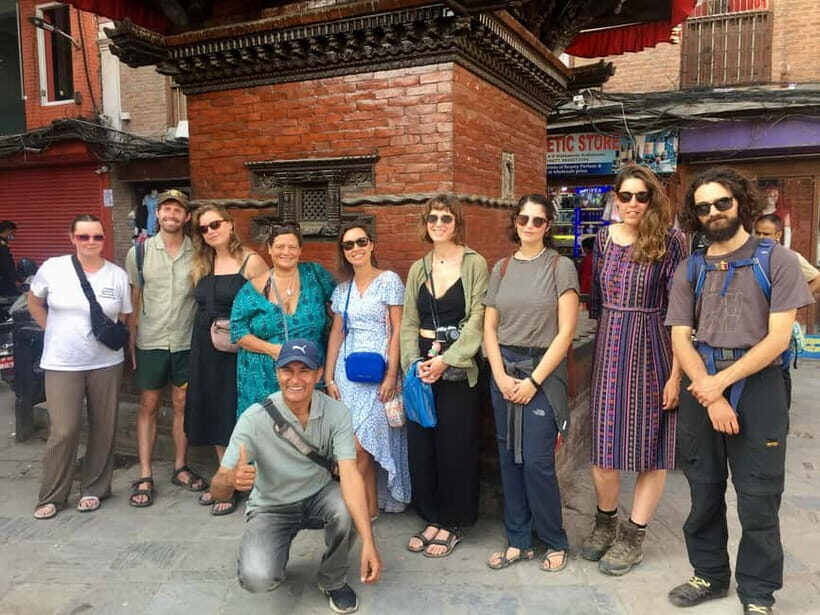
- Garden of Dreams first: a calm reset before the city gets loud
- Durbar Square + market streets: heritage you can actually feel in motion
- Newari residential area views: temples, stupas, and everyday ritual scenes
- Swayambhunath climb: about 45 minutes up to the 77 m hilltop
- 365 steps down: an unforgettable finish back toward Thamel
- Shiva’s guiding style: punctual, calm, and happy to answer questions
Why this Kathmandu walk feels different than a checklist
Kathmandu isn’t short on “must-see” stops. What makes this tour work is the flow: you begin with a curated calm, then you gradually step into the city’s lived-in rhythm. That rhythm matters because religious places look different when you understand how locals move, trade, pray, and celebrate around them.
This is also a guide-led walk, not a drive-by tour. You’re walking through streets where temples and stupas sit close to homes, so you notice details you’d otherwise miss while stuck in traffic or scanning from a car window. If you like slow travel—at walking speed—this fits.
Finally, the Monkey Temple segment is the dramatic payoff. It’s not just another viewpoint. You’re climbing to Swayambhunath, a UNESCO World Heritage Site, and the whole approach helps you understand why this hill matters to Kathmandu.
You can also read our reviews of more walking tours in Kathmandu

Price and logistics for the $15 value
At $15 per person, this is one of those Kathmandu experiences that feels like a practical deal—especially because it includes a professional guide. You’re not paying for fancy add-ons; you’re paying for local direction and a route that connects major sights with less-obvious corners.
What you should know upfront: hotel pickup and drop-off aren’t included, and meals and drinks aren’t included. That’s normal for a walking tour, but it does mean you should plan to start already fueled and ready for a full block of sightseeing.
Good news: there’s a reserve & pay later option, which helps if your Kathmandu schedule is still a little loose. You can also keep control of your day once you finish, since the tour ends back where you meet it—right by the Garden of Dreams front gate.
Meeting at Garden of Dreams: where the tour really begins
Your meeting point is simple and easy to verify: stand at the front gate of the Garden of Dreams. Your guide will be there holding a placard reading Himkala Adventure.
Starting here is smart. The Garden of Dreams gives you a quiet first impression of Kathmandu before you hit the louder streets. It also helps you settle your bearings—especially if you’re new to Thamel or the city’s maze-like sidewalks.
From the first steps, you’ll be moving toward local areas where you can spot age-old stupas and temples and see people going about ritual activities. Even early in the walk, you’ll feel the difference between sightseeing and understanding.
Market streets and Kathmandu Durbar Square: heritage you can walk through
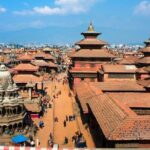
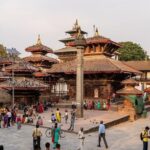
After the Garden of Dreams, the energy changes. You’ll head into Kathmandu’s busier market areas and then on to Kathmandu Durbar Square.
Durbar Square can be crowded and confusing if you’re wandering alone, mostly because there’s so much to look at. With a guide, you get a sense of what to pay attention to first and what to keep noticing as you move. You’re also guided through how these spaces relate to daily life, not just how they look in photos.
One of the underrated benefits of this part of the tour is timing. You’re arriving and moving while people are actively using the area. That makes the architecture feel less like a museum and more like a living civic-religious space.
Newari residential area: the city behind the main sights
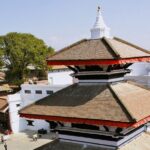
This is where the walk starts feeling personal. After Durbar Square, you’ll follow the Newari residential area, watching local religious structures closely and observing community routines.
You can expect to see local temples and stupas, and you’ll also pass a cremation place area. That last detail isn’t for spectacle—it’s part of how Kathmandu’s religious landscape functions, so your guide helps you approach it respectfully.
This section is valuable because it explains Kathmandu in human scale. It’s not only about grand monuments; it’s also about how faith, family life, and city space overlap. If you like learning the “how” of a destination—not just the “what”—this stop makes the whole tour feel worth it.
You can also read our reviews of more guided tours in Kathmandu
Climbing to Monkey Temple (Swayambhunath): 45 minutes up, 365 steps down
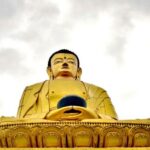
The climb to the Monkey Temple, also known as Swayambhunath, is the big physical and visual moment of the day. You’ll walk for about 45 minutes to the hilltop area of this conical hill, described at 77 m high from Kathmandu’s ground level.
Swayambhu is UNESCO-listed, and you’ll feel why as you approach. The stupa complex sits in a way that commands attention, and your time there isn’t rushed into a quick photo stop. You’ll also notice the surrounding structures and the way people conduct religious practice around them.
Then comes the workout finish: after visiting the stupa and the surrounding area, you return back toward Thamel by descending 365 steps.
That descent matters. Even if you can handle uphill walking, downhill steps can feel tough on knees and calves. Wear shoes with grip, and pace it. You’ll enjoy the view more if you don’t treat the steps like a race.
What you learn from Shiva (and why it changes the day)
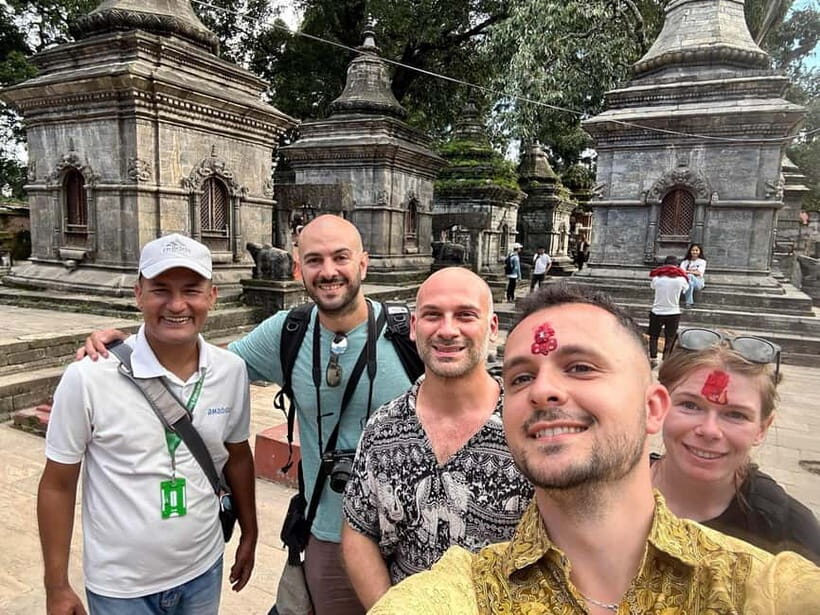
A guided tour lives or dies on the guide, and Shiva seems to be the consistent reason people rate this experience so highly. In the way he guides, you can tell he’s focused on understanding, not just announcing.
You’ll get explanations about the history of the city and its people, with an emphasis on how religion shows up in everyday practice. He also tends to take time to answer questions, which is huge if you like to know what you’re looking at instead of guessing.
One more practical point: several people noted he included local bus or tuk-tuk type segments. Even if the day is mostly on foot, those short rides can make a big difference in comfort—especially when you’re balancing market crowds and long stair sections.
In other words, you’re not just walking from A to B. You’re walking with someone helping you interpret the streets as you go.
Temple etiquette, modest dress, and respectful photography
You’ll be visiting religious sites, so you should plan your behavior and clothing. Bring a modest outfit option if you can—covering shoulders and knees is the simplest safe approach. This isn’t about being stiff; it’s about showing respect in active worship spaces.
Photography is usually straightforward outdoors, but use common sense near ceremonies. If people are in the middle of ritual activity, don’t block paths or linger too close. Your guide will help you decide where to stand and what not to do.
Also, there’s a clear rule: no smoking during the tour. Kathmandu is a place where rules like this help keep shared spaces comfortable for everyone.
What to bring so the walk stays fun
This is the kind of tour where your gear affects your mood. Pack for walking, heat and sun, and stair fatigue.
Bring:
- Comfortable shoes with grip
- Water
- Hat
- Camera
- Sunscreen
In Kathmandu, weather shifts can happen quickly. Even on a good day, you’ll want to be ready for sun, mild rain, or cooler evening air. Your best strategy is to wear layers you can adjust as you move between shaded temple areas and open streets.
And yes: start the day with a steady pace mindset. If you treat this like a hike, you’ll enjoy it more.
Who should book this tour—and who should skip it
This tour is a great fit if you want a guided walking experience with a mix of major heritage sites and local neighborhood views. It’s also ideal if you enjoy religion and culture as lived practice—temples, stupas, and people performing rituals.
It is not suitable for:
- Children under 5
- People with mobility impairments
- Wheelchair users
That’s because the route includes a lot of walking and a major stair descent of 365 steps. If mobility is an issue, you’d be safer choosing an option with more vehicles and fewer stairs.
If you’re a solo traveler, you’ll likely love the structure. If you’re traveling as a couple or with friends, the guide’s explanations still make it feel shared, not like you’re each wandering separately.
Should you book the Kathmandu Guided Walking Tour with Monkey Temple?
Book it if:
- you want a local-guided walk that connects Garden of Dreams, Durbar Square, Newari neighborhood views, and Swayambhunath
- you’re okay with stairs and a long walking day
- you like asking questions and getting real answers from a guide like Shiva
Skip it (or choose a different format) if:
- you struggle with downhill steps or long stair descents
- you need pickup/drop-off and don’t want to navigate to the Garden of Dreams meeting gate
- your day requires minimal walking
For the right traveler, this is one of the most sensible ways to see Kathmandu’s contrasts—calm garden edges, energetic market streets, residential ritual life, and then the big spiritual hill of Monkey Temple.
FAQ
Where is the meeting point for the tour?
You start at the front gate of the Garden of Dreams. The guide will be there with a placard that says Himkala Adventure.
Does the tour include hotel pickup or drop-off?
No. Hotel pickup and drop-off aren’t included. The tour begins and ends at the Garden of Dreams meeting point.
How much walking and stairs should I expect?
The walk involves a significant amount of walking, including stairs. You’ll walk about 45 minutes up to the Monkey Temple area and then descend 365 steps on the way back.
What is the Monkey Temple, and is it a UNESCO site?
The Monkey Temple refers to Swayambhunath, which is listed as a UNESCO World Heritage Site. You’ll visit the stupa and the surrounding area on the hill.
What should I bring with me?
Bring comfortable shoes, a hat, camera, sunscreen, and water.
Is this tour suitable for people with mobility issues or young children?
It’s not suitable for children under 5, and it’s also not suitable for people with mobility impairments or wheelchair users due to the amount of walking and stairs.