REVIEW · KATHMANDU
Shortest Everest Base Camp Trek 11 Days
Book on Viator →Operated by Sherpa Expedition & Trekking · Bookable on Viator
Eleven days is just enough time to chase Everest. This short Everest Base Camp trek keeps the famous region highlights while packing in big moments like Namche Bazaar and a helicopter ride that gives you a new angle on Everest. You’ll also get the classic feeling of being in the Everest zone without needing a long, drawn-out schedule.
I like that the trip is built for real people with moderate fitness. The trek is demanding, but the support shows up in the details—guides like Pasang, Lakpa Sherpa, and Ngawang Wangchhu Sherpa are repeatedly praised for reading how you feel and keeping the pace sensible. One possible drawback: because it’s shortened into 11 days, you’ll want to take altitude seriously and not treat the hike like a casual stroll.
In This Review
- Key highlights worth circling on your calendar
- Why this 11-day Everest Base Camp plan works
- Kathmandu start: pickup, timing, and what to expect on day one
- Namche Bazaar: the Sherpa heart of the trek
- Trekking the Everest region on a short track
- The helicopter moment: Everest Base Camp, Khumbu Glacier, and Kalapatthar
- Guides, porters, and why the support staff matter more than you think
- Price and value: $2,200 is not just a number
- What to budget beyond the essentials
- Fitness, altitude, and the weather reality you can’t outsmart
- Who this trek is best for (and who should think twice)
- Should you book this Short Everest Base Camp trek?
- FAQ
- How long is the Everest Base Camp trek?
- Where does the trip start in Kathmandu?
- What time does the experience start?
- What is included in the price?
- What is not included?
- Is there a helicopter ride?
- What fitness level do I need?
- What group size should I expect?
- Can I cancel for a full refund?
Key highlights worth circling on your calendar
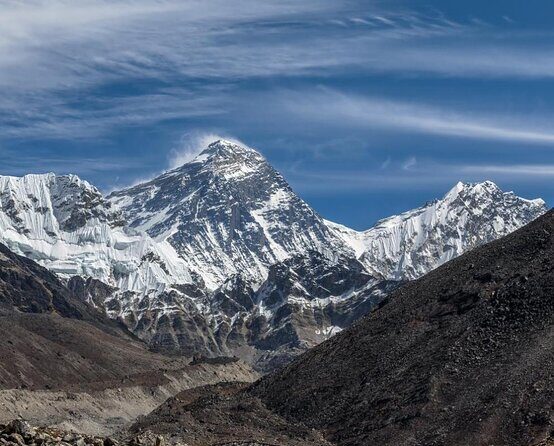
- 11-day pacing: less time on the trail, with the Everest highlights still in the mix
- Namche Bazaar stop: Sherpa culture and a major acclimatization point rolled into one day
- Helicopter ride with Everest views: a time-saver that also feels like a once-in-a-lifetime photo session
- Support from guides and porters: multiple guide names (Pasang, Lakpa Sherpa, Santa, Ngawang Wangchhu Sherpa) show up as standouts
- Meals and fees included: breakfast, lunch, dinner, plus all fees and taxes, so fewer budget surprises
Why this 11-day Everest Base Camp plan works
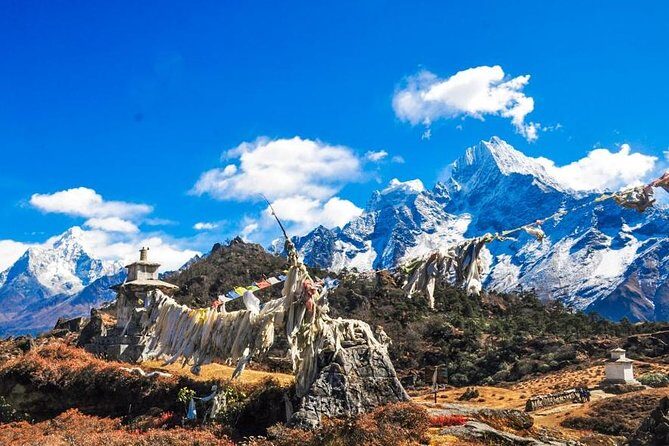
Everest Base Camp is one of those goals that sounds simple until you realize what “high altitude” does to your body. This version keeps the core experience—Everest-region trekking, Namche Bazaar, and the big finale—while compressing the timeline into about 11 days.
For many first-timers, the real value isn’t just saving days. It’s saving decisions. You’re not spending your trip trying to figure out transport, timing, or logistics day by day. The helicopter add-on also changes the energy balance: you can spend less time “just getting there” and more time enjoying what you came for.
And yes, there’s still effort. This is a trek in a tough environment. But with the right guide, pace, and attention to symptoms, it feels more manageable than you might fear from the scary Everest hype.
You can also read our reviews of more hiking tours in Kathmandu


Kathmandu start: pickup, timing, and what to expect on day one
You begin in Kathmandu, with a pickup offered, and the start point listed is Sherpa Expedition And Trekking on Chaksibari Marg (44600). The activity start time is 6:15 am, so expect an early start and a straightforward morning routine.
Why I think this matters: in Nepal, timing can make the difference between a smooth start and a stressful one. Leaving early helps you get your day moving while you still have energy and daylight. Plus, you’ll be dealing with travel nerves. A clean, organized start lets you focus on what you actually need to do: get ready physically and mentally.
Also, the company is set up for groups (maximum 45 travelers). That means you’ll likely be part of a small enough group to stay coordinated, but not so tiny that everything feels private and chaotic.
Namche Bazaar: the Sherpa heart of the trek
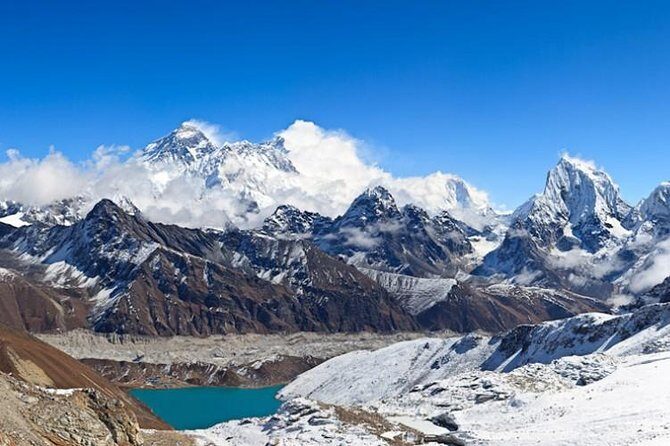
Namche Bazaar is famous for a reason. It’s not just a pretty waypoint. It’s a place where you feel the rhythm of Sherpa life and the practical reality of high-altitude living.
This trek includes a visit to Namche Bazaar, often described as the capital of the Sherpas. For you, that means two things at once:
- Culture and orientation: you’ll see the human side of the Everest world, not just the mountain itself.
- Acclimatization by experience: you’re building comfort with the altitude while watching how people move, eat, and manage the day.
What’s especially nice is that guides like Pasang and Lakpa Sherpa are praised for tailoring the trek to how you’re doing. That kind of flexible attention matters most around Namche, where people either settle in… or struggle.
If you’re the kind of traveler who likes understanding what you see, Namche is where your photos start meaning more.
Trekking the Everest region on a short track
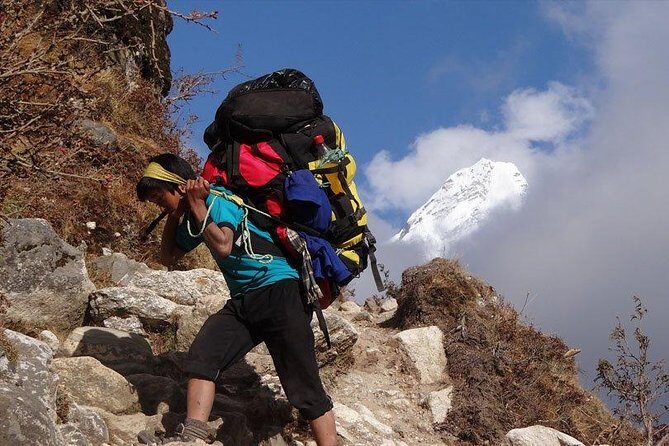
The big theme here is balance: you still get trek days through the famed Everest region, but the whole trip is engineered to fit into 11 days.
So what should you expect from the trek portion?
- You’ll spend your time moving through classic high-mountain terrain and stopping in places that feel tied to Everest long before you reach Everest Base Camp.
- You’ll keep adjusting to altitude—sometimes slowly, sometimes with sudden breathlessness if you go too fast.
- Your pace should be “effortful but controlled,” not “hero mode.”
This is where the guide quality shows. In the experiences shared, multiple travelers single out guides for being fun, energetic, and also tuned in to symptoms as altitude changes. People mention that Pasang was attentive to how they were feeling, and that Lakpa Sherpa helped adjust things so the trek felt doable for different ages and abilities (including a wide family-group range).
One practical note: this trek is recommended for people with at least moderate physical fitness. If you’re brand-new to hiking, don’t panic—but start training now. Long walks on varied terrain and some stairwork will help you enjoy the trek rather than just survive it.
The helicopter moment: Everest Base Camp, Khumbu Glacier, and Kalapatthar
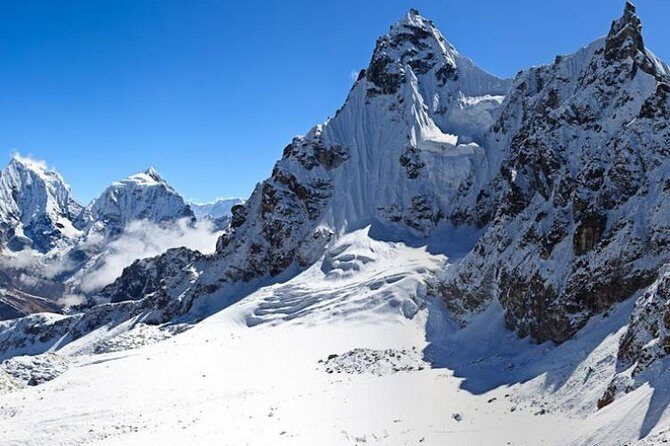
The standout feature in this package is the helicopter ride to Everest Base Camp, Khumbu Glacier, and Kalapatthar. That’s not a small detail. It changes the whole emotional arc of the trip.
Here’s why it’s valuable for you:
- Time compression: 11 days is short for Everest-area trekking. Helicopter transport helps keep the schedule from turning into a long, draining grind.
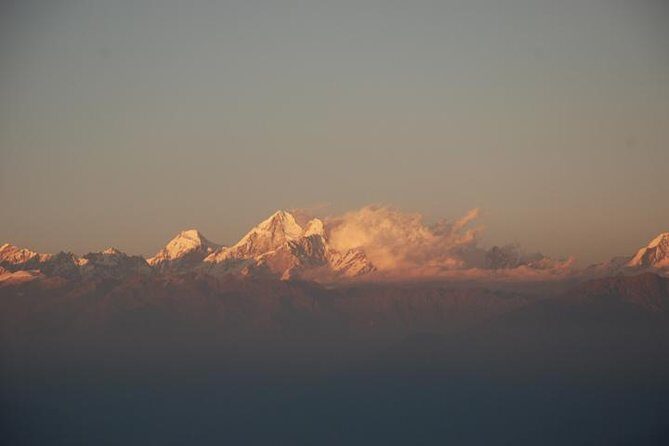
- Big visual payoff: you’re not only hearing about glacier and viewpoint areas. You’re seeing them from the air and getting the scale quickly.
- Less physical strain: trekking at altitude is work. A helicopter break can be the difference between feeling excited at the end… or wrecked.
Kalapatthar is especially meaningful in this lineup. It’s known for high-altitude viewpoint energy, and in an 11-day trip, it’s a smart way to get a strong view without needing extra days of hiking.
And it’s not just about views. This kind of helicopter segment feels like an event. You’ll remember it the way you remember skydiving or a festival—one clear chapter with a “wow” effect.






Guides, porters, and why the support staff matter more than you think
Most people think the mountain is the star. It is. But the job of your guide and porters is what decides whether your Everest day feels smooth or stressful.
Across the experiences shared, a few themes keep showing up:
- Guides who read your body: Pasang is praised for noticing symptoms during the ascent and adjusting accordingly.
- Guides who tailor the route to you: Lakpa Sherpa gets repeated credit for tailoring the trek and keeping it aligned with the group’s needs.
- Porters who keep things moving kindly: names like Dawa Sherpa, Chorteh, Dorjeh, Anish, Gyalje, Kumar, and others are mentioned for helpfulness and steady support.
Even if your trek group is small, the work is constant. Porters are managing loads, timing, and the “small stuff” that makes the big stuff possible. When that team is good, you spend your energy on breathing, walking, and taking in the views.
There’s also mention that Ram (from the company’s head office) can be responsive with questions before the trek. That matters because Everest trips tend to generate lots of practical concerns: gear, fitness expectations, and what’s realistic for your schedule.
Price and value: $2,200 is not just a number
This trek costs $2,200 per person. That’s the kind of price tag that makes you ask, what exactly am I paying for?
Here’s what this package includes:
- Breakfast, lunch, and dinner
- All fees and taxes
- Pickup offered
And the not-included items are also clear:
- Nepal visa
- Travel insurance
- Tips for guide/porter
- Snacks
- Alcoholic beverages
- Soda/pop
Now for the value math. Many Everest trips get expensive because you end up paying separately for meals, permits, and the logistics that keep things running. Here, meals and fees are bundled, so you can budget with less guessing. The helicopter ride is also a major cost driver, and that’s a feature you can’t easily compare to a standard trek without helicopter.
So for you, the question becomes: do you want to pay to shorten the journey and raise comfort with organized meals, fees covered, and helicopter payoff? If yes, this price can feel fair. If you want a more bare-bones trekking experience (no helicopter), you’d likely compare against cheaper options.
What to budget beyond the essentials
Even with meals included, you’ll still want money for personal expenses. The package doesn’t include:
- Snacks
- Alcohol and soda/pop
- Nepal visa
- Insurance
- Tips for your guide and porter
I suggest you also plan your budget around what you personally tend to consume on a trek. If you love extra snacks or coffee, set aside spending cash. If you don’t touch alcohol, great—you’ve already removed a cost many people assume will be part of the trip.
Also, don’t treat travel insurance as optional. Everest-area altitude and trekking are exactly the kind of situation where insurance matters.
Fitness, altitude, and the weather reality you can’t outsmart
You should be aware of two realities:
- You’re moving through altitude territory, so how you pace is more important than how fast you want to go.
- This experience requires good weather. If weather prevents it, you’ll be offered a different date or a full refund.
That weather dependence is a real part of Everest travel. Even a well-run plan can’t force clouds to cooperate. The upside is that the operator is set up to handle weather disruption with either rescheduling or a refund, which reduces the stress on your end.
Fitness-wise, the trip is aimed at people with moderate physical fitness. My advice: train your legs and your breathing. Then plan for the mental side too. Everest-area trekking is as much about patience as it is about stamina.
Who this trek is best for (and who should think twice)
This short 11-day Everest Base Camp experience is a strong match if:
- You want the Everest-region dream without spending two full weeks in transit and on the trail.
- You like having an organized structure—pickup, meals, and major logistics handled.
- You want a helicopter ride that adds a major “Everest scale” moment.
- You value Sherpa-led support and a team that adjusts to symptoms, not just a strict schedule.
It’s less ideal if:
- You dislike early starts and big days.
- You’re looking for a fully independent experience where you plan every stop yourself.
- You’re unlikely to take altitude seriously, even with a moderate-fitness-friendly structure.
If you’re older, newer to trekking, or coming as a mixed-age group, this type of structured pacing tends to be more forgiving than you’d expect—especially with guides like Santa, Lakpa Sherpa, or Ngawang Wangchhu Sherpa mentioned in successful group experiences.
Should you book this Short Everest Base Camp trek?
I’d book it if you want Everest Base Camp in a realistic time window and you value the helicopter payoff. The inclusion of breakfast/lunch/dinner, plus all fees and taxes, is practical. And the repeated praise for guide attentiveness—especially names like Pasang and Lakpa Sherpa—signals that the people running this understand the emotional and physical needs of high-altitude hikers.
I’d think twice if you’re expecting a light hiking holiday or if you’re not willing to train a bit for moderate fitness demands. Also, if helicopter weather or short-notice changes would stress you out, Everest travel will always come with some uncertainty.
If you can handle early mornings, altitude humility, and the idea that good weather is part of the deal, this is one of the cleaner ways to do Everest in 11 days.
FAQ
How long is the Everest Base Camp trek?
It runs for about 11 days.
Where does the trip start in Kathmandu?
The start point is Sherpa Expedition And Trekking, Chaksibari Marg, Kathmandu 44600, Nepal. The trip also ends back at the same meeting point.
What time does the experience start?
The start time is 6:15 am.
What is included in the price?
The package includes breakfast, lunch, and dinner, plus all fees and taxes. Pickup is also offered.
What is not included?
Not included are the Nepal visa, travel insurance, tips for guide/porter, snacks, alcoholic beverages, and soda/pop.
Is there a helicopter ride?
Yes. The experience includes a helicopter ride to Everest Base Camp, Khumbu Glacier, and Kalapatthar.
What fitness level do I need?
You should have moderate physical fitness.
What group size should I expect?
This activity lists a maximum of 45 travelers.
Can I cancel for a full refund?
Yes. You can cancel up to 24 hours in advance for a full refund. If you cancel less than 24 hours before the start time, the amount paid is not refundable.