REVIEW · ANNAPURNA CIRCUIT
Annapurna Circuit Trekking 13 Days
Book on GetYourGuide →Operated by Adventure Bound · Bookable on GetYourGuide
Thorong La makes this trek feel real. The Annapurna Circuit is a classic for a reason: you move through river valleys, climb into high passes, then drop toward wind-bent Kali Gandaki views. I love how the route centers on the Thorong La Pass crossing and keeps things approachable with a small-group feel.
The other thing I like is the way the experience is handled end-to-end, from your Kathmandu arrival pickup to tea-house nights and a proper finish in Pokhara. One consideration: you’re doing real altitude, plus some long travel days using shared transport, and there’s no porter included unless you pay extra.
In This Review
- Key points worth knowing before you go
- Why the Annapurna Circuit feels like two treks in one
- From Kathmandu to Jagat: the travel day that sets expectations
- Marshyangdi River Valley to Chame and Pisang: forests, waterfalls, and steady climbing
- Manang acclimatization: the pause that makes the pass doable
- Yak Kharka to Thorong Phedi: the air thins, and nights get simpler
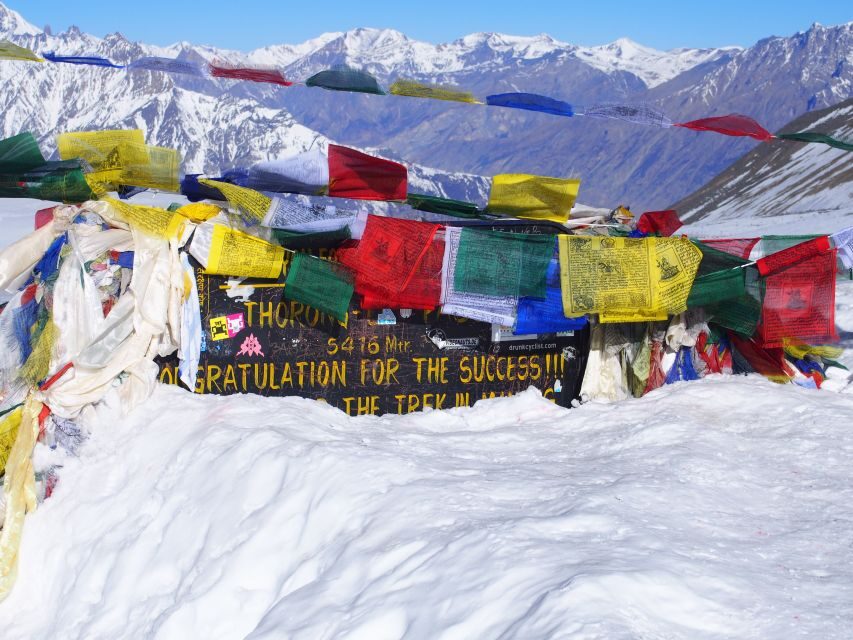
- Thorong La (5,416m): the toughest headline, not the whole story
- Muktinath and the Kali Gandaki wind: faith, cliff walls, and wide air
- Jomsom to Tatopani and Ghorepani: hot springs and the final climbing tease
- Poon Hill sunrise and the finish to Pokhara
- Lodges, meals, and what the included gear really changes
- Guides and service quality with Adventure Bound (Laxman, Ganesh, Rabin)
- Price and logistics: what $970 covers and where you should budget extra
- Practical packing and altitude tips for this specific route
- Who this trek suits best
- Should you book Adventure Bound for Annapurna Circuit 13 Days?
- FAQ
- How long is the Annapurna Circuit Trek in this package?
- Where does the trek start and where does it end?
- Is airport pickup included?
- Are trekking permits included?
- What kind of accommodation will you have during the trek?
- Are meals included?
- Do you include a guide, and what languages do they speak?
- Is porter service included?
- What equipment is provided for cold weather?
- When is the best time to do this trek?
Key points worth knowing before you go
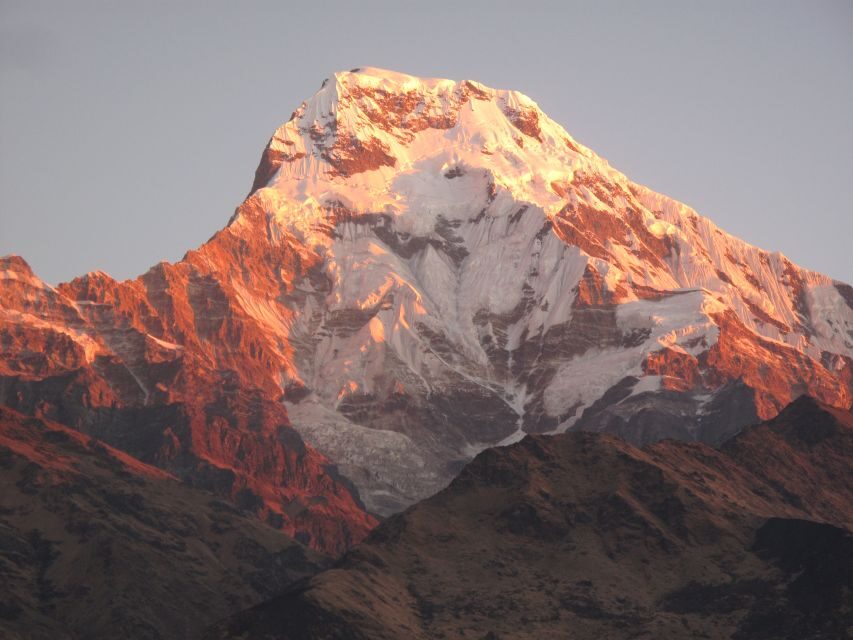
- Thorong La (5,416m) is the big day, and it sits inside a whole arc of culture and changing terrain
- Manang acclimatization day gives you a breather where most people make mistakes by rushing
- Muktinath + Kali Gandaki wind mixes spiritual stops with stark geology and strong atmosphere
- Poon Hill sunrise at 3,210m is a satisfying finale after the pass
- Small group (up to 12) keeps the pace social, not chaotic
Why the Annapurna Circuit feels like two treks in one
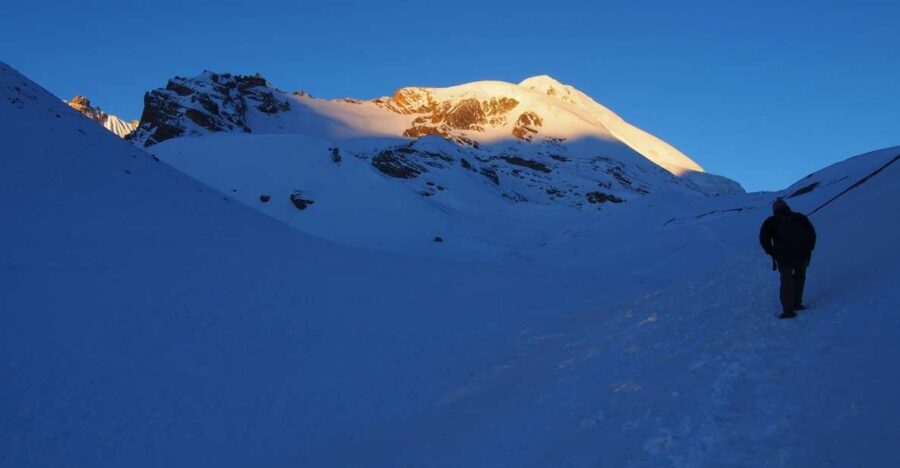
The Annapurna Circuit isn’t just one type of hiking. You’ll spend days surrounded by greener river settings, then you’ll transition into drier, higher country where the air feels thinner and the mountains look sharper. That shift is part of the point.
You also get a good dose of human geography. You pass through local communities and time your days around the rhythm of tea houses and trail life. And when you reach Manang, Tibetan Buddhist culture becomes a visible part of the experience rather than background noise.
The route is adventurous without being chaotic. It’s a guided, structured trek with basic tea-house lodging, and that matters when you’re dealing with altitude and long walking days.
From Kathmandu to Jagat: the travel day that sets expectations
Your trip starts with a pickup from Kathmandu international airport, then you head toward Jagat via Besisahar. Expect a long day of driving, roughly 8 to 9 hours, before you even put on boots.
This matters because it shapes your first day mindset. You’re not trying to conquer anything on Day 1. You’re just getting settled, adjusting to motion and elevation basics, and preparing for a steady walking routine.
You’ll sleep in Jagat at about 1,100m. It’s a gentle launch point, and it helps you ease into the rhythm of trekking rather than arriving and immediately sprinting uphill.
Marshyangdi River Valley to Chame and Pisang: forests, waterfalls, and steady climbing
Once you start trekking, the Marshyangdi River Valley gives you that classic Annapurna feel: riverside movement, green stretches, and village life that keeps the trail from becoming monotonous.
Day 2 takes you from Jagat to Dharapani (about 1,960m) for roughly 6 to 7 hours. By Day 3 you climb further toward Chame (about 2,710m), usually 5 to 6 hours. This is where you learn how the trek works: long, steady effort, not short bursts.
Then Pisang comes at about 3,300m (another 5 to 6 hours). The route here tends to feel more open and scenic as altitude rises. You get that sense that the Himalayas are getting closer, even before you’re near the pass.
Manang acclimatization: the pause that makes the pass doable
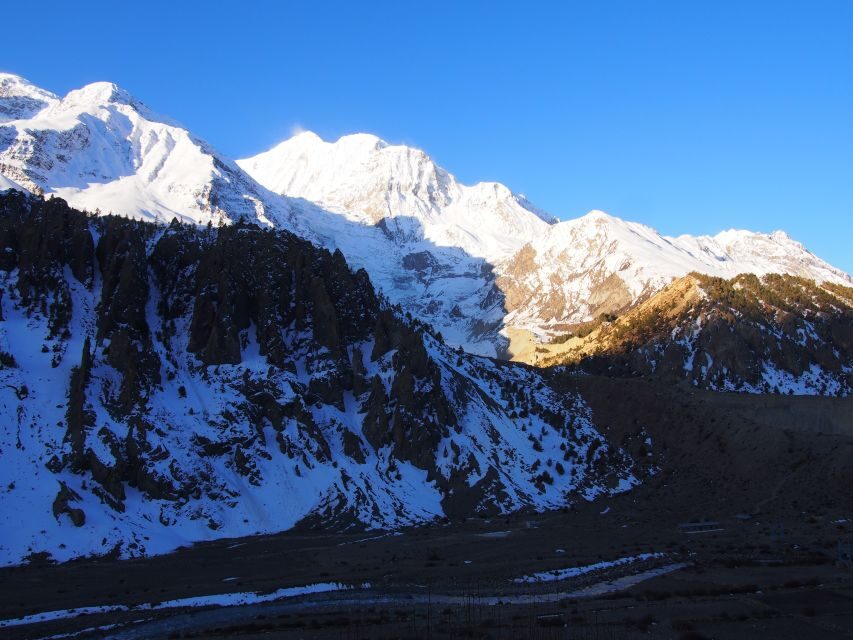
Manang is a key moment on this trek. You don’t just pass through; you get an acclimatization day there. That means you can catch your breath, hydrate properly, and let your body adjust before the higher sections.
You’ll trek from Pisang to Manang (around 3,540m) in about 6 to 7 hours, and then you slow down on purpose. For an Annapurna Circuit trek, this is smart planning. Altitude doesn’t care about optimism, and rushing your acclimatization is how comfort turns into trouble.
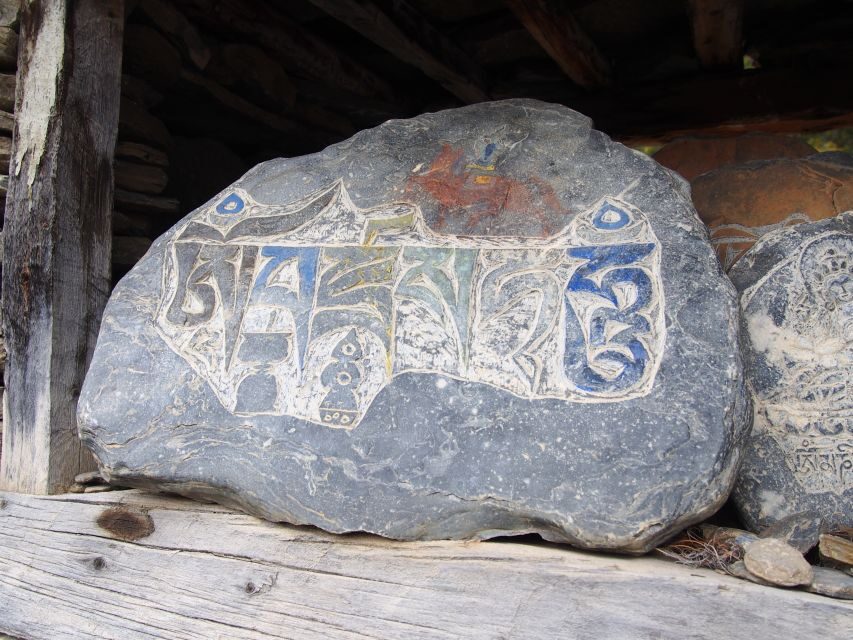
Manang also brings Tibetan Buddhist culture into clearer focus. Even if you’re not a culture fanatic, it adds meaning to the day. You’re not just climbing—you’re passing through a living highland world.
Yak Kharka to Thorong Phedi: the air thins, and nights get simpler
After Manang, the trek moves toward higher, more exposed country. You’ll head to Yak Kharka at about 4,120m (around 4 to 5 hours). This day is important because it’s part of the gradual rise toward the pass.
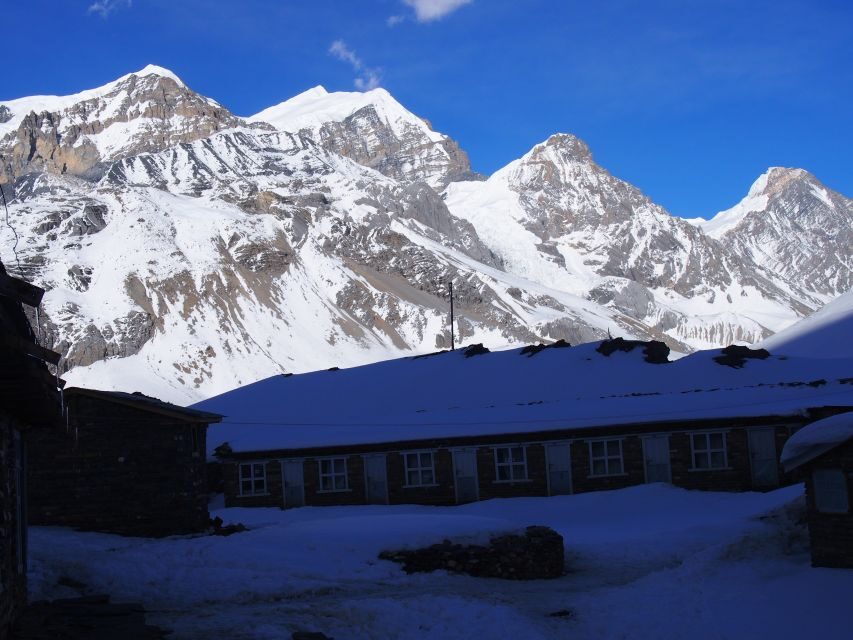
Then Day 8 brings you to Thorong Phedi at about 4,450m (again roughly 4 to 5 hours). Thorong Phedi is your staging point, and it changes how you feel about the next day. Your mind starts running the checklist: water, calories, layers, and pace.
Tea-house life here is basic, which is exactly what you should expect on this kind of trek. That simplicity is not a drawback by itself. It’s actually reassuring because you’re not spending time chasing comfort while your body needs rest.
Thorong La (5,416m): the toughest headline, not the whole story
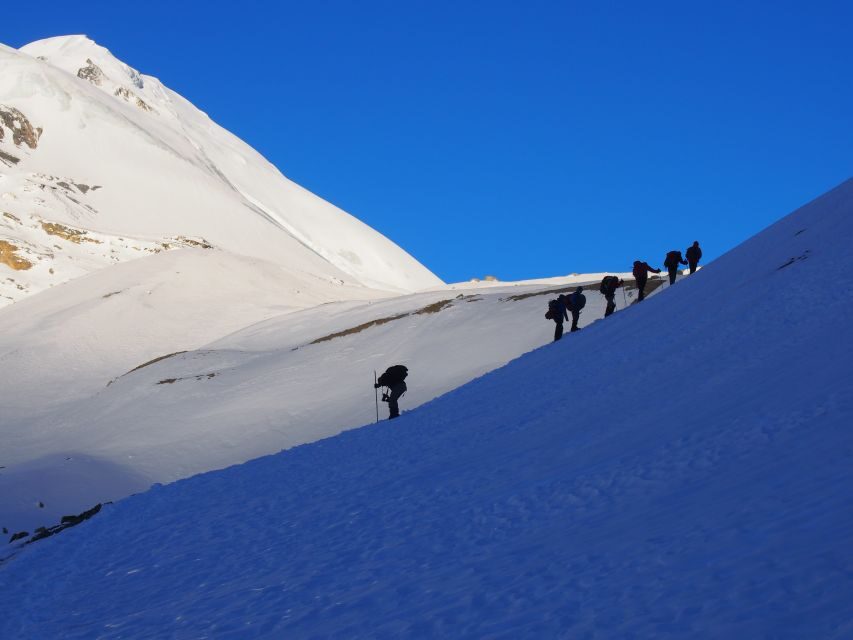
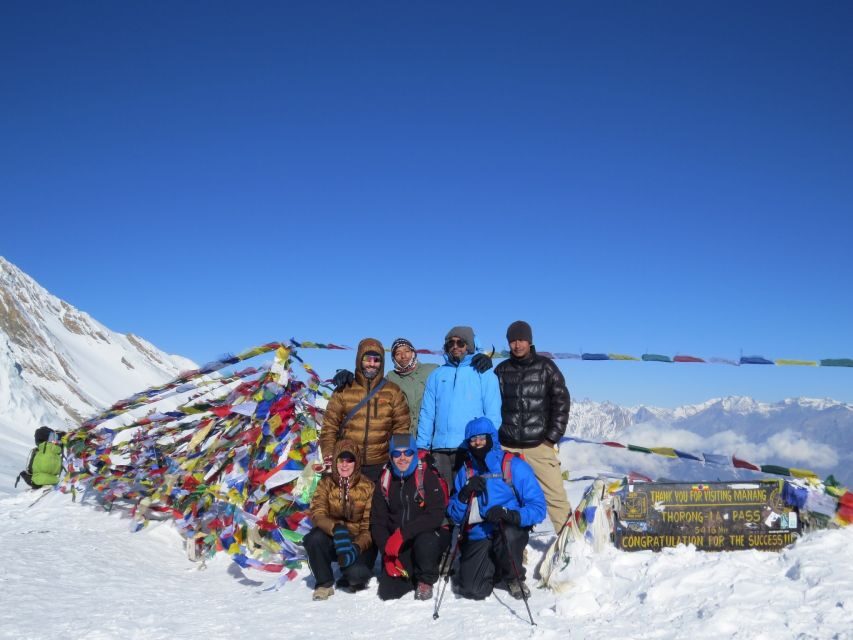
Thorong La Pass is the day you’ll remember. It sits at 5,416m, and you cross it as you move from Thorong Phedi toward Muktinath. Plan for a longer, more demanding day in the 7 to 8 hour range.
What makes this day special is the view shift. When you’re high, the world looks stark and big. You can also feel the pass in your breathing. This is where pace matters more than willpower.
Here’s my practical advice for Thorong La: treat it like a slow engine, not a sprint. Your goal is steady progress, not speed. If you’ve got a guide who knows the rhythm of the trail, listen to their pacing suggestions. You’ll get there either way. You want to arrive feeling functional, not wrecked.
You’ll also get a clear view of surrounding peaks and the broader Annapurna drama from this altitude zone. It’s not just a checkbox pass. It’s a physical experience plus mountain-scale perspective.
Muktinath and the Kali Gandaki wind: faith, cliff walls, and wide air
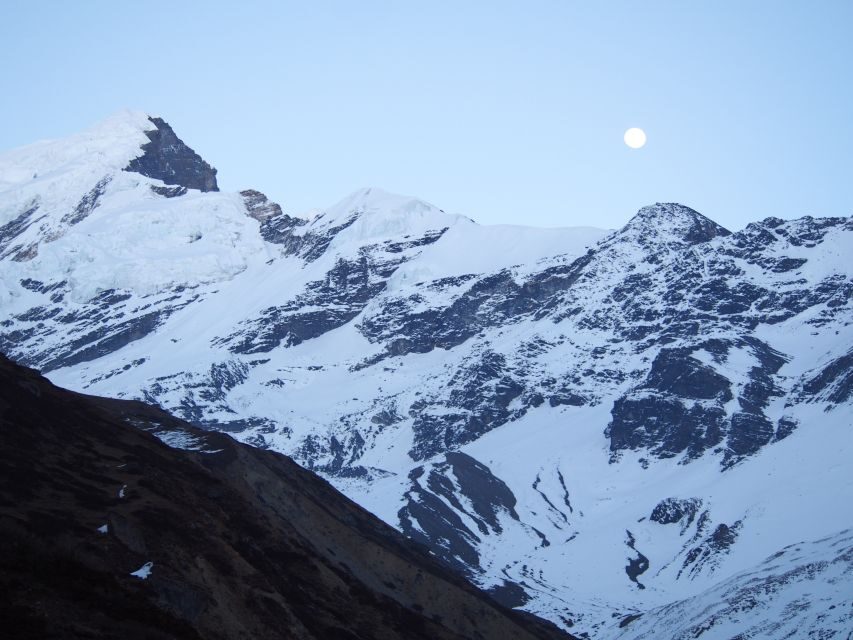
After the pass, the day transitions toward Muktinath at about 3,802m (for roughly 7 to 8 hours total on the Day 9 stretch, counting the cross). Muktinath is a spiritual center, and it feels different from the village rhythm of earlier days.
You’ll then continue toward Jomsom (about 2,743m). That drop is helpful. It gives your legs a break from extreme altitude while still keeping you in big-country trekking territory.
The Kali Gandaki Valley is often described as windy, and you’ll feel that character here. The valley works like a corridor for weather and atmosphere. So even when the trek is manageable, the environment makes it feel alive.
Jomsom to Tatopani and Ghorepani: hot springs and the final climbing tease
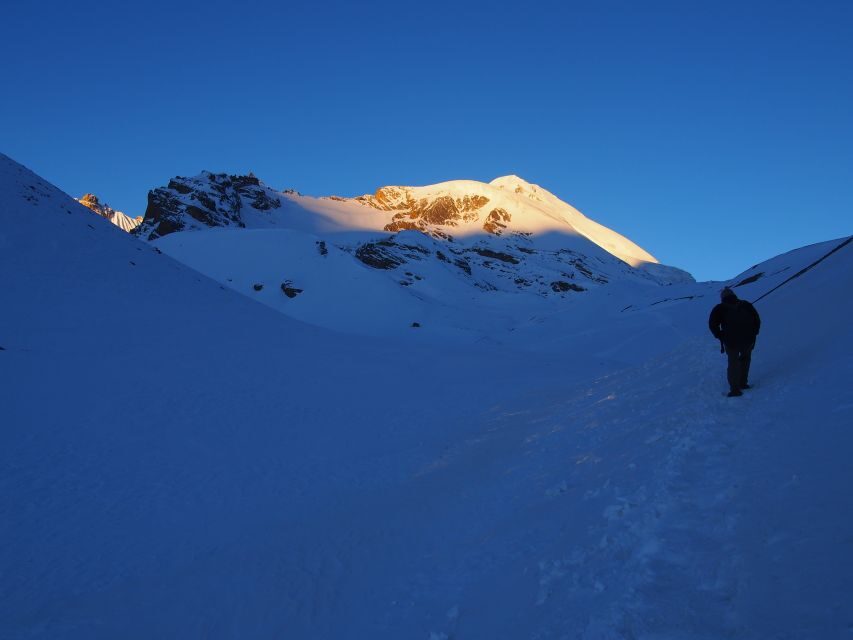
Jomsom to Tatopani is a useful change of pace. You’ll go from Jomsom down to Tatopani at about 1,290m using shared transport for around 4 to 5 hours, then enjoy the hot springs area.
That’s not just for fun. After days of hiking, your joints appreciate warmth. You don’t need a spa mentality; you just need to loosen up and recover so you can walk again.
Then you trek from Tatopani to Ghorepani (about 2,750m) for around 7 to 8 hours. This segment is a reminder that you’re not done. It’s a climb and a re-warming of effort.
Ghorepani is also your base for the Poon Hill finale. You’ll sleep at the right altitude to wake up for sunrise without feeling like you’re starting from sea level.
Poon Hill sunrise and the finish to Pokhara
Your final day starts early with a hike up to Poon Hill at about 3,210m. It’s a short enough push to be realistic, but it’s timed for sunrise magic.
Then you hike down to Nayapul at about 2,070m, and you take a taxi to Pokhara. The walking portion is usually around 7 to 8 hours total, and the transport part brings you back to normal life again.
This finish is one reason I like the trek design. Thorong La is the hard chapter. Poon Hill is the emotional payoff. You get to come down gradually, see the mountain sky get softer, then land in Pokhara.
Lodges, meals, and what the included gear really changes
During the trek, you’ll stay in basic tea houses with twin sharing for 12 nights. You’ll also get 3 meals a day while trekking: breakfast, lunch, and dinner. This reduces planning stress, especially when you’re managing altitude and appetite changes.
The lodge setup is simple. That can be a comfort issue for some people, but it’s also one less thing to worry about. You’ll likely spend most of your energy on eating, resting, and moving at your best pace.
Meals are included during trekking, but meals in cities aren’t. That’s normal for Nepal treks, and you should budget for extra food and drinks outside the included meals. Also note: all soft and hard drinks are not included.
One genuinely useful included item: you can use a sleeping bag, a down jacket, and a duffel bag if you need them, with the expectation you return them after the trip. That’s helpful if you don’t want to buy bulky cold-weather gear before your trip.
You’ll also get a first aid box with normal medical supplies plus an oximeter. Having that on a trek like this doesn’t eliminate risk, but it does improve response capability if altitude symptoms show up.
Finally, there’s a small but smart detail: free luggage storage at Adventure Bound’s store if you need it. That lets you travel lighter with only trekking necessities.
Guides and service quality with Adventure Bound (Laxman, Ganesh, Rabin)
The service quality is a major reason this trek earns a strong rating. The owner, Laxman, is described as proactive—answering questions and handling formalities well before the trek began. That kind of pre-trip clarity matters when you’re trying to coordinate flights, timing, and gear.
On the trail, I’m especially impressed by the guide feedback you can take seriously. One solo trekker was paired with Ganesh and called out his attention to detail, patience, and mountain knowledge, plus his ability to listen and adapt. That’s exactly what you want when your body isn’t a perfect machine.
Another helpful tip: ask if Rabin can be your trekking guide. One booking recommendation singled him out for delivering a wonderful time, which lines up with what you’d hope for on a trek with a high pass and a long calendar of walking.
Adventure Bound also provides an experienced, licensed guide and includes the guide’s food, accommodation, salary, equipment, and insurance. You’re not just paying for route management; you’re paying for trained support.
Language coverage is also practical: English, Nepali, and Hindi. That helps if you want to ask questions about pace, weather, or how to handle discomfort.
Price and logistics: what $970 covers and where you should budget extra
At $970 per person for 13 days, you’re paying for a guided, permit-ready trek with most of the big items already handled. Included in that price are Annapurna Circuit permits, 12 nights of tea-house accommodation (twin sharing), meals during the trek, plus a Pokhara hotel night with breakfast.
You also get transport pieces: pickup from the airport, public transportation segments from Kathmandu to Bhulbhule and from Jomsom to Tatopani, plus a taxi to Pokhara from the trek ending point. You then take tourist bus back from Pokhara to Kathmandu.
Add in the practical safety element—first aid box and oximeter—and the included map (ACT trek map). Even if you never look at a paper map, it’s part of the operational toolkit.
What you should plan for separately is equally clear. Nepal entry visa and international airfare are not included. Kathmandu hotel isn’t included, and meals in the city aren’t included.
Also: porter service is optional and costs extra ($250) if you need one. If you’re the type who wants lighter loads for your pass day, ask yourself early. If you don’t bring a porter, you’ll carry your own essentials.
Soft and hard drinks aren’t included. Personal expenses aren’t included. And private transport isn’t included. None of that is surprising, but it’s the difference between a smooth trip and an annoying money puzzle at the wrong moment.
Practical packing and altitude tips for this specific route
You’re climbing to Thorong La at 5,416m, then dropping back toward Muktinath and further down to Tatopani. That means your temperatures can swing, and the trail changes how you feel day to day.
Pack layers for cold at higher altitude and for warmer afternoons lower down. Even with a down jacket option provided, bring your own base layers and something wind-resistant if you have it.
Because you’re crossing a major pass, treat food like fuel. With included meals on the trek, your job is mostly to eat what’s available and keep your energy steady. If you wait until you’re hungry, you’ll lose time and feel worse on ascent.
Water matters too. You’ll be moving all day on trekking segments and relying on simple lodge setups. Bring a way to manage your water safely, and don’t assume that every day will be equally easy for drinking.
Most importantly: use the Manang acclimatization day. It’s not a rest day for stretching in a lazy way. It’s your chance to recover and adjust.
Who this trek suits best
This Annapurna Circuit trek is ideal if you want a classic high-pass experience plus cultural stops, without trying to handle every logistical detail yourself. It suits hikers who are comfortable with a tea-house style trek and who know they’ll need good pace management around Thorong La.
It’s also a strong match for solo travelers who want company on a small-group route. The way guides can pair up and support you matters on a trek like this, and the guide experiences shared around Ganesh make that clear.
If you dislike basic lodging, or you want fully private transport, you may find the shared transport and tea-house nights feel too simple. But if you want the real Nepal trek rhythm and you’re okay with it, this format fits well.
Should you book Adventure Bound for Annapurna Circuit 13 Days?
I’d book it if you want an organized, permit-covered Annapurna Circuit with a small group up to 12, a guide who adapts to you, and clear support starting at your Kathmandu airport pickup. The combination of Thorong La crossing, Manang culture, Muktinath spirituality, and the Poon Hill finish makes the whole trip feel balanced.
I wouldn’t book it if you’re not ready for real altitude days or if you already know you want full private logistics. In that case, you’ll likely feel frustrated with shared transport segments and basic tea-house accommodations.
If you do book, plan your pass day pace in advance, take acclimatization seriously, and ask about your guide by name. People specifically recommended Ganesh, and you can ask about Rabin too.
FAQ
How long is the Annapurna Circuit Trek in this package?
It’s a 13-day trekking experience, with 12 nights of tea-house accommodation during the trek and one hotel night in Pokhara with breakfast.
Where does the trek start and where does it end?
The experience includes pickup in Kathmandu and trekking that starts toward the Jagat area. It ends with a taxi transfer to Pokhara after trekking down to Nayapul.
Is airport pickup included?
Yes. Pickup from Kathmandu international airport is included based on your arrival date and time.
Are trekking permits included?
Yes. All necessary permits for the Annapurna circuit trek are included.
What kind of accommodation will you have during the trek?
You’ll stay in basic tea houses with twin sharing during the trekking days. In Pokhara, there’s one night of hotel accommodation with breakfast.
Are meals included?
Yes. You get breakfast, lunch, and dinner during the trek. Meals in the city are not included.
Do you include a guide, and what languages do they speak?
A government-licensed, experienced, and friendly guide is included. The tour guide speaks English, Nepali, and Hindi.
Is porter service included?
Porter service is not included. You can request a porter for an extra $250 if needed.
What equipment is provided for cold weather?
Sleeping bags, down jackets, and a duffel bag are provided if needed, and they should be returned after the trip.
When is the best time to do this trek?
The best seasons mentioned are spring and autumn.