REVIEW · KATHMANDU
Everest Base Camp Trekking
Book on Viator →Operated by Incredible Treks Pvt. Ltd. · Bookable on Viator
One trip, two mountain worlds, and a lot of logistics handled. This Everest Base Camp trek is interesting because you get the big pieces taken care of—permits, guides/porters, food, and insurance—so you can focus on pacing and getting acclimated. I especially like the included Kathmandu pickup plus the fact that the core trekking costs are bundled, from tea house nights to meals on the trail.
The biggest potential drawback is that this is not a casual stroll. You need strong physical fitness, and the package also lists several comfort items as not included (think hot shower, battery charging, and Wi‑Fi), so you’ll want to plan your expectations.
In This Review
- Key Things to Know Before You Go
- Everest Base Camp, Without the Chaos in Kathmandu
- Price and What You’re Actually Buying for $1,350
- What’s included (the big-ticket items)
- What’s not included (plan around these gaps)
- Kathmandu Start Point: Thamel at 6:15 am
- The Lukla Flight Day: Quick, Scenic, and Mentally Real
- Namche Bazaar and the Sherpa Market Feeling
- Following the Path of Hillary and Tenzing
- Tengboche Monastery and Blessings: Culture in the Cold
- Everest Base Camp: Standing at the World’s Most Famous Starting Line
- Kalapatthar Viewpoint and Memorial Hill: What You See Feels Personal
- Khumbu Glacier: The Mountain’s Working Parts
- Food, Tea Houses, and Daily Comfort Reality
- Guide and Communication: When the Team Makes the Difference
- Who This Trek Is Best For
- Should You Book This Everest Base Camp Tour?
- FAQ
- How long is the Everest Base Camp trek?
- Where does the trek start in Kathmandu?
- What’s included for accommodation and meals during the trek?
- Are permits and park fees included?
- Does the package include flights to Lukla?
- Is airport pickup included in Kathmandu?
- Do you get guide and porter support?
- Is vegetarian food available?
- What gear is provided, and what should I bring?
- What’s not included in the price?
Key Things to Know Before You Go
- Permits are included: National Park fees, VDC, TIMS, and related taxes are covered.
- Flights are part of the package: Kathmandu (Ramechhap) to Lukla and back to Kathmandu (Ramechhap).
- Tea houses + meals are handled: You get 11 nights of basic accommodation plus breakfast, lunch, and dinner while trekking.
- Porter support is built in: The guide/porter plan is set at 2 trekkers to 1 porter.
- Culture is not an afterthought: Namche Bazaar, Sherpa lifestyle, and Tengboche monastery with monk blessings are included.
- You may get extra cold-weather gear: Sleeping bag, duffel bag, and down jacket are provided on request during trekking.
Everest Base Camp, Without the Chaos in Kathmandu
If you’re excited about Everest Base Camp, the hard part is often everything around Everest. Paperwork. Timing. Who books what. Which permits. Which flights. Which meals. This trek is built to take those headaches out of your hands, so your days are spent on the mountain instead of spreadsheets.
For your money, I like that the plan is packed with essentials you’d otherwise have to chase separately. Permits are included, along with trekking accommodation and the main meals on the trail. That matters because trekking in Nepal is expensive in the ways you don’t always predict—last-minute add-ons, admin fees, and the cost of rebooking when something changes.
One more thing I appreciate: you’re not forced into a giant group. The tour lists a maximum of 15 travelers, which usually makes logistics feel more human and less crowded when you’re transitioning between places.
You can also read our reviews of more hiking tours in Kathmandu


Price and What You’re Actually Buying for $1,350
At $1,350 per person, this sits firmly in the “fully supported trek” category. The value comes from what it bundles, not just the headline cost.
What’s included (the big-ticket items)
From what’s covered, you’re paying for:
- 11 nights basic tea house accommodation
- Breakfast, lunch, dinner during trekking
- Airfare: Kathmandu (Ramechhap) ⇄ Lukla ⇄ Kathmandu (Ramechhap)
- A government-licensed English-speaking trekking guide
- A porter with a set ratio (2 trekkers : 1 porter)
- Insurance (plus additional clarity below)
- National Park fees, VDC, TIMS fees, and other applicable taxes
- Domestic airport pick up & drop facilities
- A trekking map (complimentary) and trekking certificates after the trip
There’s also a helpful comfort/gear option: sleeping bag, duffel bags, and a down jacket can be provided upon request during trekking. That can save you money if you don’t want to purchase heavy cold-weather gear before you arrive.
What’s not included (plan around these gaps)
The not-included list is where your expectations need tuning:
- Meals in Kathmandu and accommodation in Kathmandu
- Emergency evacuation expenses if something goes wrong
- Personal insurance (medical/accident/rescue like helicopter) listed as not included
- Personal trek equipment
- Hot shower, hot water, battery charge, and Wi‑Fi during trekking
- Personal expenses like drinks, laundry, and phone bills
- Tips to the guide and porters
My practical advice: don’t treat the included insurance as a full substitute for your own medical/rescue coverage. The package explicitly points you to personal medical and rescue insurance as not included, and it also calls out emergency evacuation costs as separate. Before you book, check what’s actually covered by the included insurance versus what you still need to buy.
Kathmandu Start Point: Thamel at 6:15 am
The trek starts in Thamel, Kathmandu, with a start time listed as 6:15 am. You also get airport pickup in Kathmandu, plus domestic airport pick up and drop facilities. For a trek that involves flights and long travel days, this kind of ground support helps you start calm instead of sprinting after transportation.
One more logistics note: confirmation is received at the time of booking, and you’ll need passport details (name, number, expiry, country). That’s standard, but it’s worth doing promptly so your flight and permits don’t get held up.





The Lukla Flight Day: Quick, Scenic, and Mentally Real
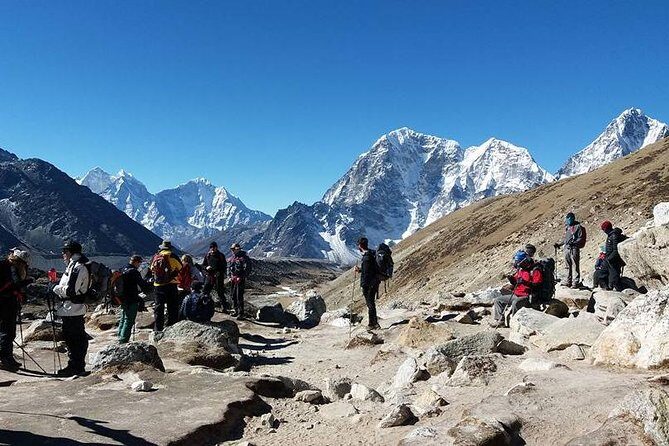
The itinerary highlights include the thrilling experience of Lukla flights. Whether you love flying or hate it, the key is to keep your head clear: this is the transition point where the trip changes from city travel into true trekking time.
Why this part matters: the flight sets your schedule. Once you’re on the trekking side, you’re moving through tea houses with a guide and porter team. So on flight day, I’d treat your body like it’s already in “mountain mode.” Hydrate, keep things light, and don’t plan extra stress around the airport.
If you’re prone to travel anxiety, it helps that a guide meets you at the meeting point and you’re accompanied throughout the trek. That steady presence matters when everything feels fast and new.
Namche Bazaar and the Sherpa Market Feeling
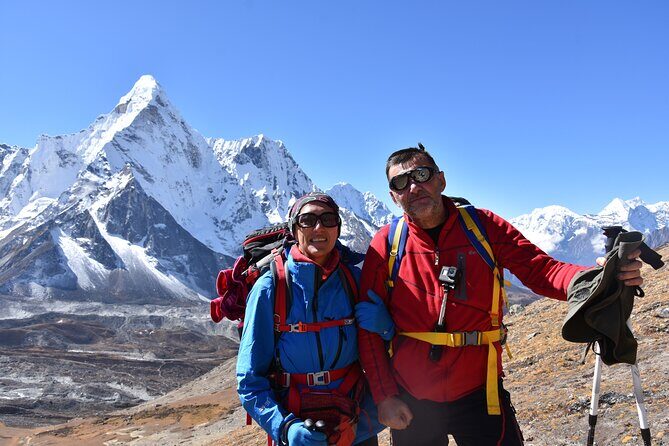
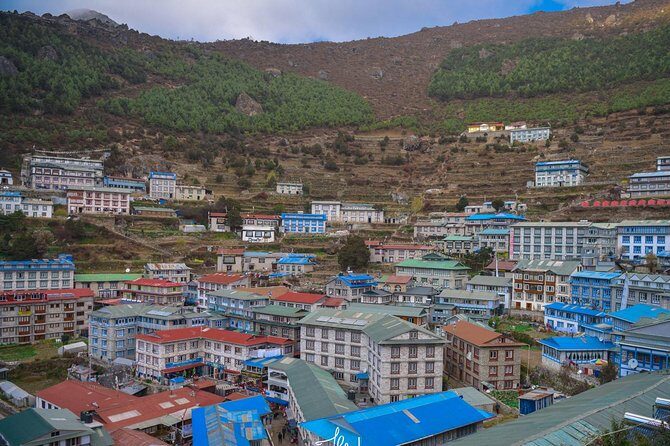
One of the itinerary highlights is Namche Bazaar, described as a popular high altitude market and tied to the world of Everest. It’s also where you’ll feel the culture shift from Nepal in general into the Everest-specific community.
I like that this trek doesn’t treat Namche Bazaar as just a photo stop. The plan connects it to Sherpa culture and lifestyle, so you’re not only looking at mountains—you’re learning how people live with those mountains right next to their daily routines.
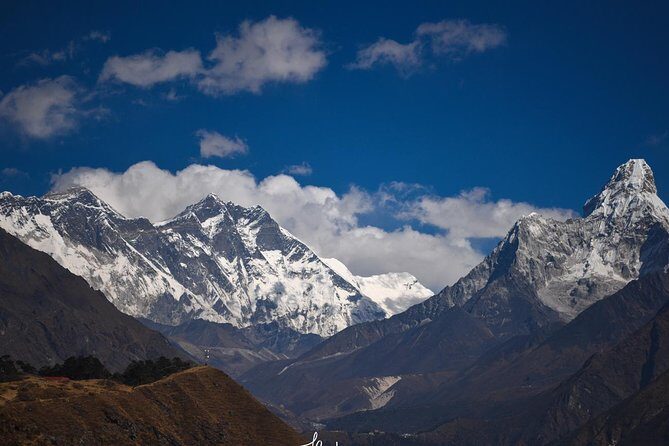
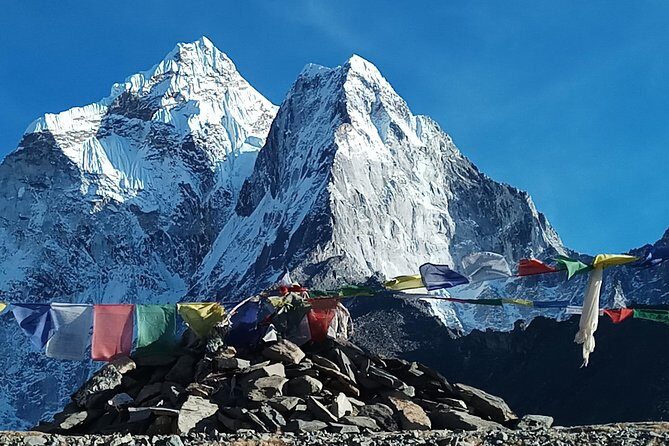
It’s also where the scenery starts pulling real weight. The itinerary calls out panoramic mountain views, including views of the world’s highest peak above 8,000 meters. Even without getting technical, that wording tells you what kind of pay-off to expect: big views that feel like they belong on postcards, but with real air and real altitude sensations.
Following the Path of Hillary and Tenzing
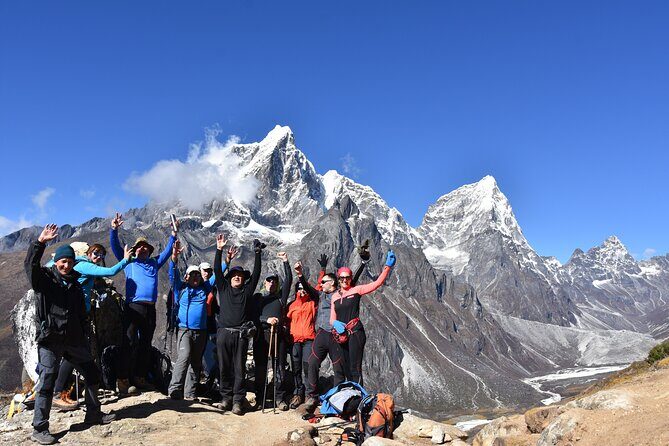
Another key highlight is trekking along the path of Sir Edmund Hillary and Tenzing Norgay Sherpa. That’s meaningful because it turns the route into more than a trail. You’re walking a corridor that has history baked into it.
For me, the value here is perspective. You’ll be moving step by step toward a goal that’s tied to human effort, not just summit dreams. And even though you’re not “climbing” the mountain in the mountaineering sense, you’re still taking part in the same human story that brought attention to Everest.
As you go, you’ll also be working with an accredited guide who explains cultural and natural values throughout the trip. That type of framing helps your brain connect the dots between what you see and what it means.
Tengboche Monastery and Blessings: Culture in the Cold
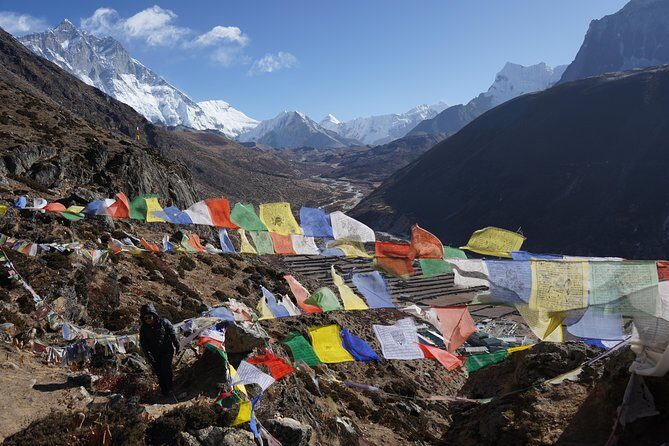
The itinerary includes a chance to visit Tengboche monastery, plus an opportunity to seek blessings from a monk. This is one of those moments that can feel surprisingly grounding on a trek filled with big views.
I’d file this under: the mountain will move your body, but culture will help your mind stay steady. If you enjoy places where spirituality and daily life overlap, Tengboche is a highlight that gives the trip texture beyond scenery.
The practical part: religious sites usually have their own expectations about conduct. This tour is set up with a guide, so you’ll have the support you need to navigate respectfully.
Everest Base Camp: Standing at the World’s Most Famous Starting Line
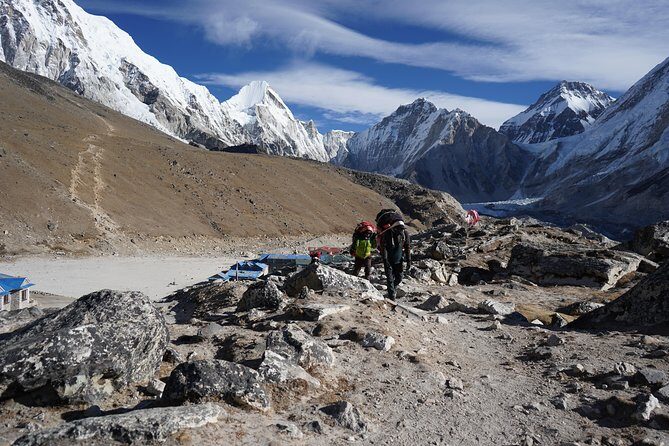
Getting to Everest Base Camp is the obvious headline, and this tour is built around that moment. You’re guided there with an accredited English-speaking trekking guide, and the itinerary explicitly calls out the thrill of setting foot at the base camp area.
What I like about this setup is that the trek supports you along the way. You’re not expected to self-manage everything:
- Tea house nights (11 total)
- Main meals while trekking
- A porter team designed to carry the load
- A trekking map for your group
- Trekking certificates after the trip
That support matters because arriving at base camp isn’t just about walking far. It’s also about arriving with enough energy to actually enjoy the place—breathe, look around, and absorb the scale.
One balance point: this is still a trek. Even with support, you need to be ready for long days and high-altitude conditions. The tour states you should have strong physical fitness, and I agree. If you show up underprepared, base camp will feel like an obligation instead of an achievement.
Kalapatthar Viewpoint and Memorial Hill: What You See Feels Personal
The itinerary includes a stop at Kalapatther (Kalapatthar) viewpoint, described as a place for close views of the mighty Everest. You’ll also get a chance to see the memorial hill of the deceased climbers.
Those two stops together create an emotional rhythm:
- Kalapatthar is the “wow” moment with the mountain as a close, powerful presence.
- Memorial hill brings the reality of risk into focus.
I appreciate that the trip includes both. It keeps the experience honest. Everest isn’t only spectacle; it’s also sacrifice, and the trek acknowledges that directly.
Khumbu Glacier: The Mountain’s Working Parts
The itinerary highlights include the Khumbu glacier. Again, the tour keeps things simple: you get the chance to see it as part of the trek’s bigger picture of what surrounds Everest.
This is where I think a good guide matters. You’re seeing physical features that can look abstract from far away, and on the ground they take on real weight. The guide’s explanations of cultural and natural values help your visit feel more than scenic wallpaper.
Food, Tea Houses, and Daily Comfort Reality
This trip is structured around tea houses, with basic accommodation and three meals a day while you’re trekking. That’s a solid plan because it reduces your daily decision fatigue: you’re not wondering where to eat, and you’re not hauling food.
The trade-off is also clear. Comfort items like hot showers, hot water, battery charging, and Wi‑Fi are listed as not included. So don’t build your day around them. If you need to charge devices, battery planning is on you. If you want Wi‑Fi, treat it as a bonus, not a guarantee.
If you’re the type who likes a predictable routine, tea houses can feel comforting. If you’re expecting resort-level comfort, you’ll be disappointed. Keep it simple and you’ll enjoy it more.
Guide and Communication: When the Team Makes the Difference
One theme shows up in the guide experience: people value how supported they feel. The operator has had trekkers mention Ram Dhakal for excellent care throughout the trek, and Dillip for a bucket-list-completing experience. On the coordination side, manager Nadin has been praised for communication.
You don’t always get to choose your exact guide, but the takeaway is useful: this company is set up to handle your questions and the flow of the trek, not just collect payments.
This is especially important for a route like Everest Base Camp, where weather and logistics can shift. Even if you can’t control the mountain, you can control your stress level—and a responsive guide helps.
Who This Trek Is Best For
This Everest Base Camp trek is a good fit if:
- You want a supported experience with a guide and porter
- You prefer having permits, flights, and trekking meals handled
- You like a mix of mountain views and cultural stops (Namche Bazaar, Sherpa lifestyle, Tengboche monastery)
- You’re comfortable with basic tea house accommodation
It may not be ideal if:
- You’re hunting for guaranteed hot showers, charging, and Wi‑Fi
- You’re not confident in your fitness level
- You’re looking for full-service rescue coverage; emergency evacuation and personal rescue insurance are listed outside the package
Should You Book This Everest Base Camp Tour?
I’d book this style of Everest Base Camp trek if you want to trade planning stress for trail time. The core value is that you’re not piecing together permits, flights, and trek logistics on your own. Permits, tea house nights, meals during trekking, guide/porter support, and Lukla flights are all built into the package, which is exactly what most people need for a first EBC trek.
Before you say yes, do two quick checks:
- Confirm your personal medical and rescue coverage needs, since personal insurance and emergency evacuation costs are listed as not included.
- Make peace with the “basic” part of tea houses and the reality that hot shower/battery charging/Wi‑Fi aren’t part of the deal.
If those points fit your expectations, this is a strong, well-structured way to reach Everest Base Camp and actually enjoy the journey, not just survive it.
FAQ
How long is the Everest Base Camp trek?
The tour duration is listed as 12 days (approx.).
Where does the trek start in Kathmandu?
The meeting point is Thamel, Kathmandu 44600, Nepal, with a start time of 6:15 am.
What’s included for accommodation and meals during the trek?
You get 11 nights basic tea house accommodation and breakfast, lunch, and dinner during trekking.
Are permits and park fees included?
Yes. The price includes National Park fees, VDC, TIMS fees, and other applicable taxes.
Does the package include flights to Lukla?
Yes. Airfare Kathmandu (Ramechhap)–Lukla–Kathmandu (Ramechhap) is included.
Is airport pickup included in Kathmandu?
Yes. The tour includes airport pickup in Kathmandu, plus domestic airport pick up & drop facilities.
Do you get guide and porter support?
Yes. You’ll travel with a government-licensed English-speaking trekking guide and a porter. The plan is 2 trekkers : 1 porter.
Is vegetarian food available?
Yes. A vegetarian option is available if you advise the operator at booking.
What gear is provided, and what should I bring?
Upon request, the trek provides a sleeping bag, duffel bags, and a down jacket during trekking. Personal trek equipment is not included, so you’ll need to bring what the trek requires for you personally.
What’s not included in the price?
Not included: meals in Kathmandu, accommodation in Kathmandu, emergency evacuation expenses, personal insurance (medical/accident/rescue), personal equipment, hot shower/hot water/battery charge/Wi‑Fi during trekking, and personal expenses like drinks and tips.