REVIEW · KATHMANDU
From Kathmandu: Dhulikhel – Namobuddha Spiritual Guided Hike
Book on GetYourGuide →Operated by Enticing Himalayas Travels Private Limited · Bookable on GetYourGuide
A hilltop monastery makes the hike feel worth it. I like the guided Buddhist storytelling (with guides such as Razz, Sudhir, and Pranav showing up in recent bookings) and I also like the easygoing pace of the Dhulikhel-to-Namobuddha walk. One real consideration: reaching the monastery means about 1000 steps with no elevator.
This is a good one-day break from Kathmandu that still feels meaningful. You’ll get scenic time out of the city, a cultural visit at Namobuddha Monastery, and a chance to add quiet with optional meditation led by monks—if you want it. Just plan your day around stairs and expect a bit of crowding near the main areas.
In This Review
- Key Highlights You’ll Actually Feel
- Kathmandu to Dhulikhel: A Calm Start Before Namobuddha Steps
- Dhulikhel-to-Namobuddha Hike: Terraces, Woods, and Village Edges
- Namobuddha Monastery: 1000 Steps, Architecture, and a Real Pilgrimage Mood
- Optional Meditation with Monks: A Quiet Add-On That Changes the Tone
- Lunch with a View: Don’t Assume It’s Included
- Price and Logistics: What You’re Paying For at $91
- Who This Tour Fits Best (and Who Should Skip It)
- Should You Book the Kathmandu to Dhulikhel–Namobuddha Hike?
- FAQ
- How long is the Kathmandu to Dhulikhel to Namobuddha guided hike?
- What does the tour cost?
- Is pickup from my hotel included?
- How much walking and climbing is involved?
- Is meditation included?
- What time will I spend at Namobuddha?
- What’s included in the price?
- Is food included?
- What should I bring, and what’s not allowed?
Key Highlights You’ll Actually Feel
- Dhulikhel start with panoramic viewpoints and a relaxed warm-up before the hilltop climb
- A guided hike through terraced fields and village paths (often reported around 9–14 km, depending on the route)
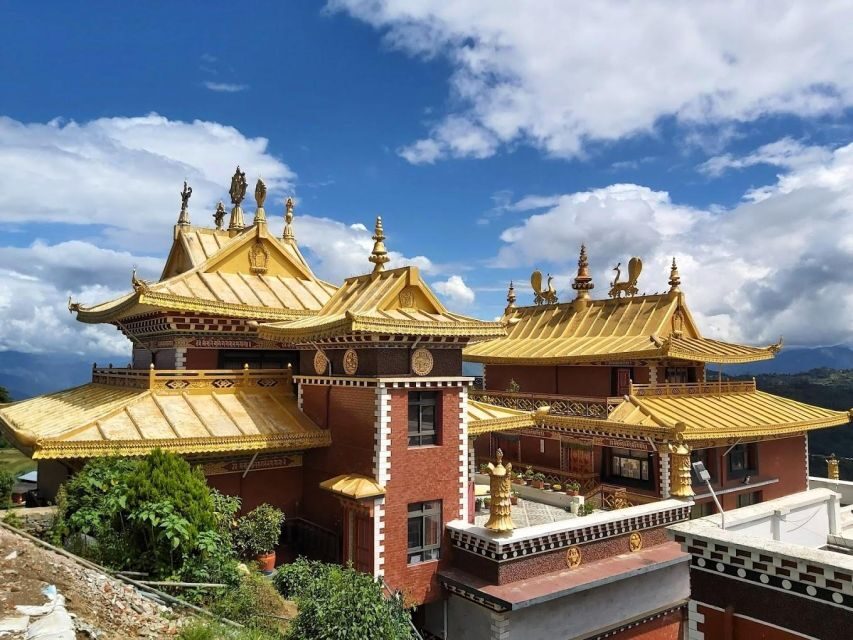
- Namobuddha Monastery visit with photo stops, guided tour time, and free time to look around
- Optional meditation with monks, offered if you choose to participate
- Cafes for a practical meal break, including one mentioned outside across from the monastery and another near the direction of Tiger’s Den
Kathmandu to Dhulikhel: A Calm Start Before Namobuddha Steps
Your day starts in Kathmandu with a pickup from your hotel area. You’ll want to be ready in the lobby about 10 minutes before your scheduled pickup time, since the plan is built around getting out early enough to enjoy the hike at a comfortable rhythm.
Then comes the ride to Dhulikhel, a town known for wide, open views of the Himalaya region on clear days. This matters because it sets the tone: you get a scenic buffer before you start walking, and the drive helps you shake off the city feel without rushing. Dhulikhel is also a practical staging point—the town gives you a real sense of being in the Kathmandu Valley, not just passing through it.
Once you’re there, you begin with a walking segment that’s reported as about 1.5 hours. That first stretch is also where your guide can calibrate the pace—especially important on Nepal hill days when weather and footing can change how “easy” feels. Wear comfortable shoes. You don’t want to negotiate blisters before the monastery steps.
One small but helpful detail: you get a bottle of water as part of the activity. It won’t replace smart hydration habits, but it keeps you from worrying about finding your first drink right at the start.
You can also read our reviews of more guided tours in Kathmandu
Dhulikhel-to-Namobuddha Hike: Terraces, Woods, and Village Edges
This trek is positioned as a guided day hike, not a technical climbing route. That’s a big plus for most people because you can focus on the experience—views, paths, and local life—rather than gear and navigation stress.
In practice, hikers have described the route as anywhere from about 8.7 km in roughly 2.5 hours to around 14 km on an easier track. The difference usually comes down to timing, walking pace, and the exact path you take that day. Either way, the tone in the trip reports is consistent: it’s manageable for many active travelers, with a nature-and-village feel more than a workout-challenge feel.
Along the way, you’ll pass through terraced fields and charming villages. One account also described a hike through woods, which is a nice way to cool off when the sun is strong. And yes, there can be a final stretch that’s more street-like than trail—still pretty, but not the same as the earlier paths.
If photography is a priority, this is the part of the day where you’ll benefit most from it. The route gives you multiple chances to stop without feeling like you’re constantly breaking rhythm. Just keep your phone ready for quick shots, because turning a head at the wrong time can mean you miss the best light.
Practical note: bring comfortable clothes you can move in for a full morning and a hilltop afternoon. Even when the hike feels “easy,” Nepal stairs and irregular steps can tire your legs in a hurry.
Namobuddha Monastery: 1000 Steps, Architecture, and a Real Pilgrimage Mood
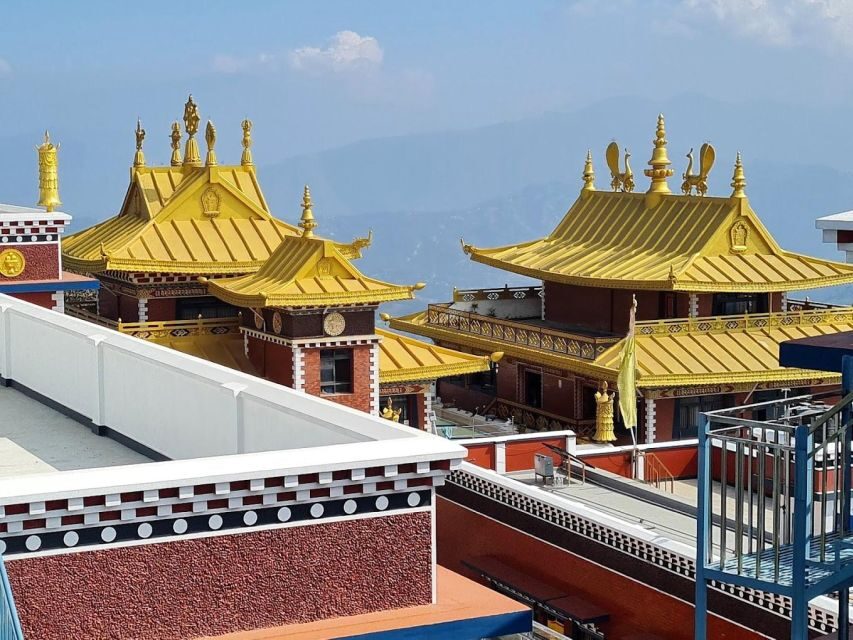
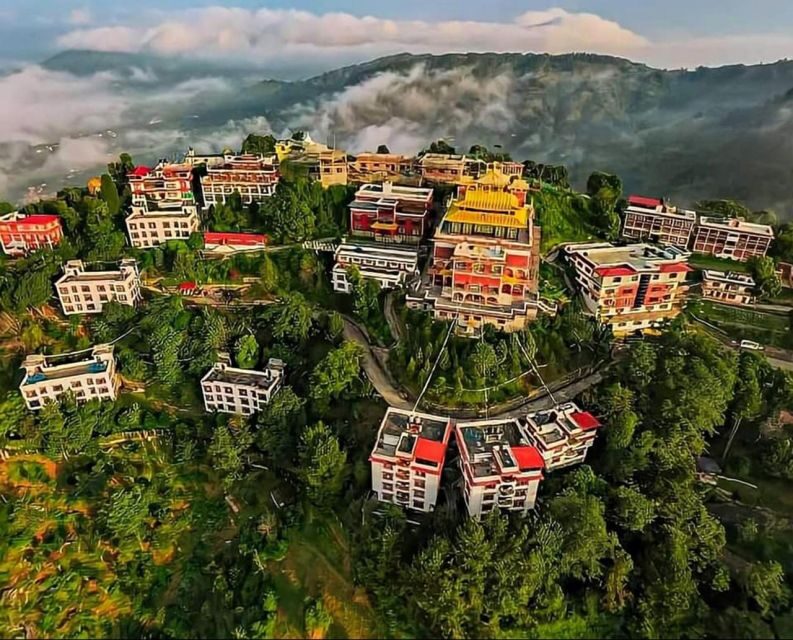
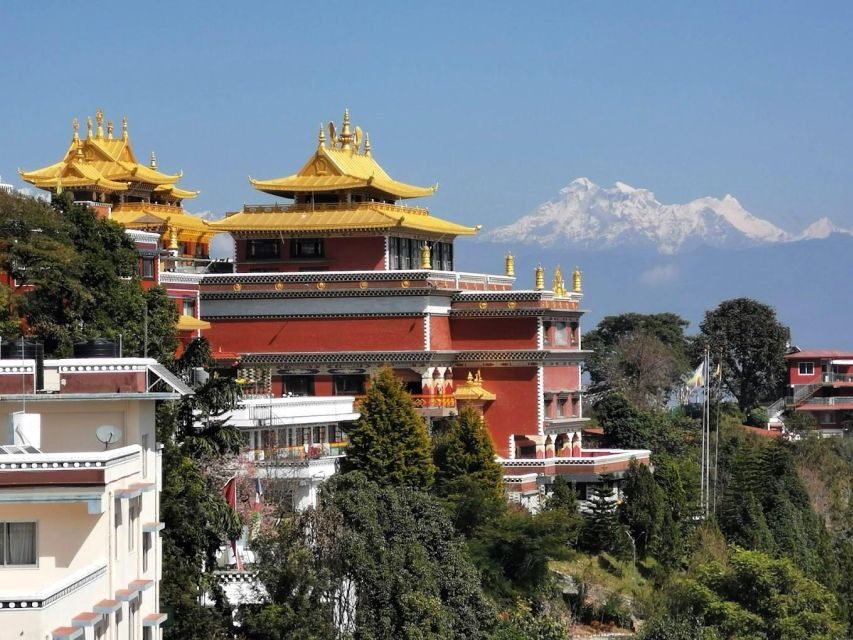
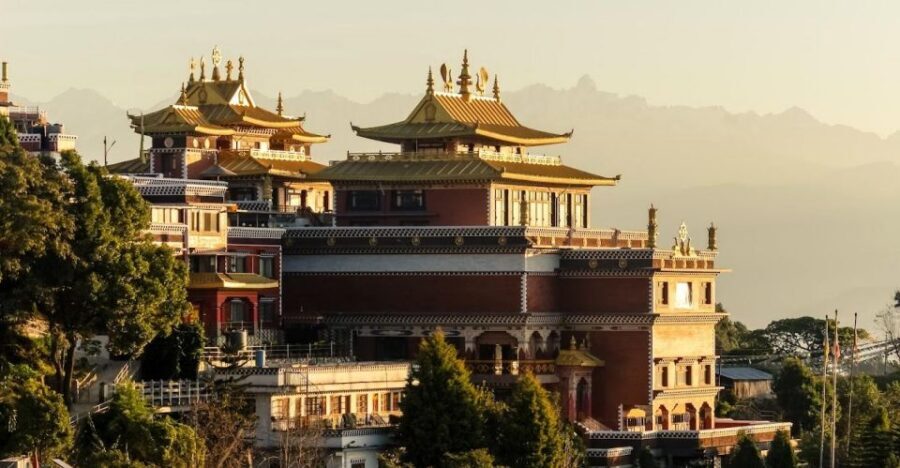
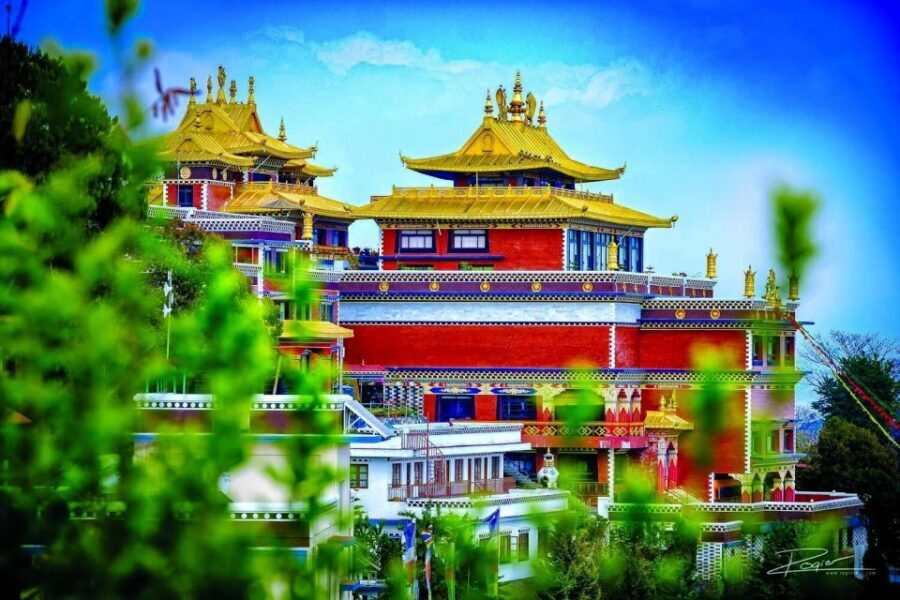
Namobuddha Monastery sits on a hill, and the visit is built around that dramatic approach—literally. Expect to climb about 1000 steps to reach the top area, and there’s no elevator. That one detail is the difference between a smooth day and a miserable one, so be honest with your body before you go.
When you arrive, you’ll spend about 3 hours at Namobuddha. That includes break time, photo stops, a guided tour, time to walk around, and sightseeing. This timing matters because the monastery isn’t just a quick “look and leave” stop. You’re given enough space to actually read, notice details, and absorb the setting instead of racing through it.
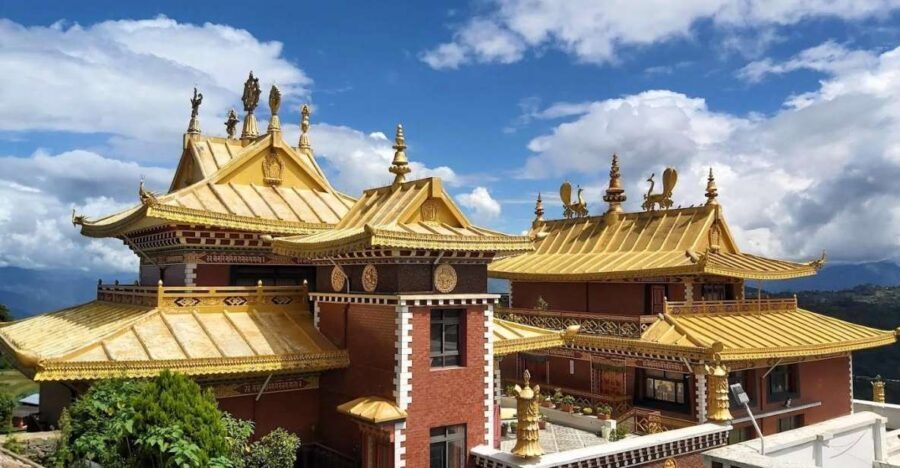
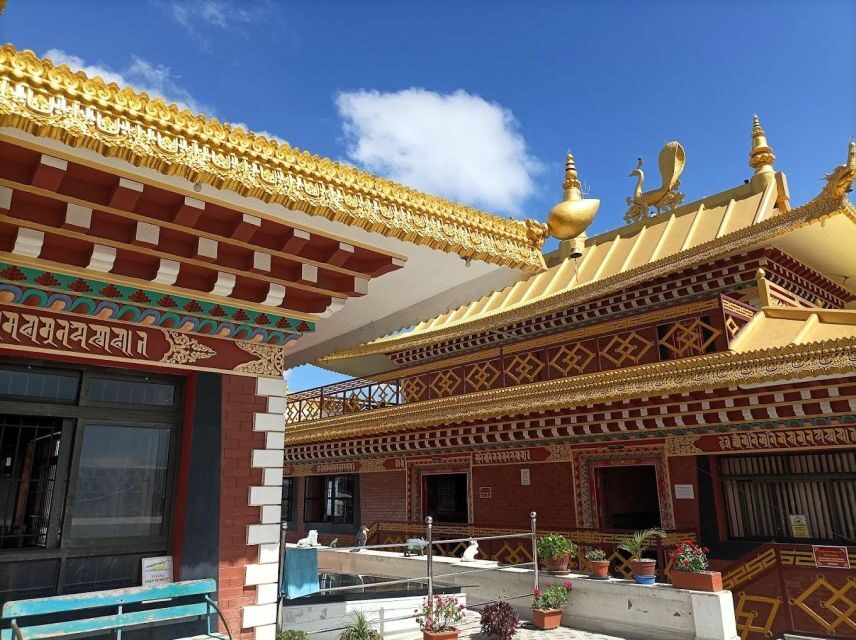
The monastery grounds are described as having intricate artistry and architecture. One thing I particularly like about a guided visit here is that it turns what you see into something you understand—how the traditions fit together, what you’re looking at, and why it’s sacred to people who come regularly.
That said, there’s a possible drawback you should plan for: the monastery can feel newer and crowded in the main areas. One person loved the contrast by searching out an older stupa nearby, describing it as feeling more clearly sacred. If you want “peace over people,” build in extra time for quieter corners rather than staying only where the biggest flow goes.
Also, the activity is described as including skip-the-ticket-line access. That’s not glamorous, but it saves you time, which you’ll appreciate once you’re managing steps and daylight.
Optional Meditation with Monks: A Quiet Add-On That Changes the Tone
The tour includes an optional meditation session led by seasoned monks. The key word is optional. You’re not forced into it if you’d rather explore the monastery grounds on your own or simply sit quietly without joining a structured session.
If you do choose meditation, you’ll likely feel the biggest shift in the day right here. The hike gets you moving, but meditation changes your tempo. It’s less about doing and more about paying attention—sound, breath, and the rhythm of the place.
I also like how this option makes the day feel more complete for people who came for spiritual context rather than just a scenic walk. A guided history talk can explain meaning, but meditation is where the experience becomes sensory.
One practical tip: dress comfortably and respectfully. Even if your session isn’t formal, you’ll be in a place where people come to practice seriously. Keep your phone usage modest, follow any signage, and be considerate about where you stand or sit for photos.
Finally, if you’re the type who wants meaning without long stillness, you can take the middle route: join the guided tour, then choose your own quiet time from the free time window.
Lunch with a View: Don’t Assume It’s Included
Food isn’t included in the price, so think of lunch as a planned break you’ll pay for on-site. That sounds less exciting than the idea of a provided meal, but it also gives you flexibility. You can choose the pacing that fits you and avoid being rushed by a group schedule around eating.
What you can expect is a chance to recharge during the monastery visit window, and some reports mention cafes in the area. For example, one person noted a cafe outside the monastery across from it, plus another cafe inside in the direction of Tiger’s Den. Availability can vary by season and crowd levels, but the practical takeaway is this: you’re unlikely to be stuck hungry with nowhere to go.
If you want the “with a view” part, arrive at your break time with your legs already rested. You’ll get better photos and a better meal experience if you’re not climbing to eat with tired knees.
For snacks between the hike and monastery, consider bringing a simple emergency option from Kathmandu. The tour gives you water, but having a backup bite can reduce stress if your meal timing doesn’t match your appetite.
You can also read our reviews of more hiking tours in Kathmandu


Price and Logistics: What You’re Paying For at $91
At $91 per person, this tour is aiming at a simple formula: transport + guidance + access + one-day structure. Here’s what you actually get based on the included items: hotel pickup and drop-off, transportation, bottle of water, and a licensed tour guide. The tour is also described as skipping the ticket line at the monastery.
That adds up in value if you’d otherwise spend time coordinating rides, negotiating local guides, or figuring out how to manage a one-day spiritual trip efficiently. The biggest hidden cost on day trips is always time and stress, and this includes the framework to keep you moving.
You also get language support from guides speaking Chinese, English, and Hindi. In practice, this matters because the monastery is where context turns into understanding. When you can ask questions and get clear explanations, the visit becomes more than sightseeing.
Not included: food and personal expenses. That’s normal for hikes and religious sites, but it’s worth factoring into your budget so you don’t feel surprised at the cash register.
The other logistics detail to keep in mind is accessibility. The monastery climb is stair-heavy and the activity is not suitable for people with mobility impairments or wheelchair users. If you need a step-free plan, this isn’t the right fit.
Who This Tour Fits Best (and Who Should Skip It)
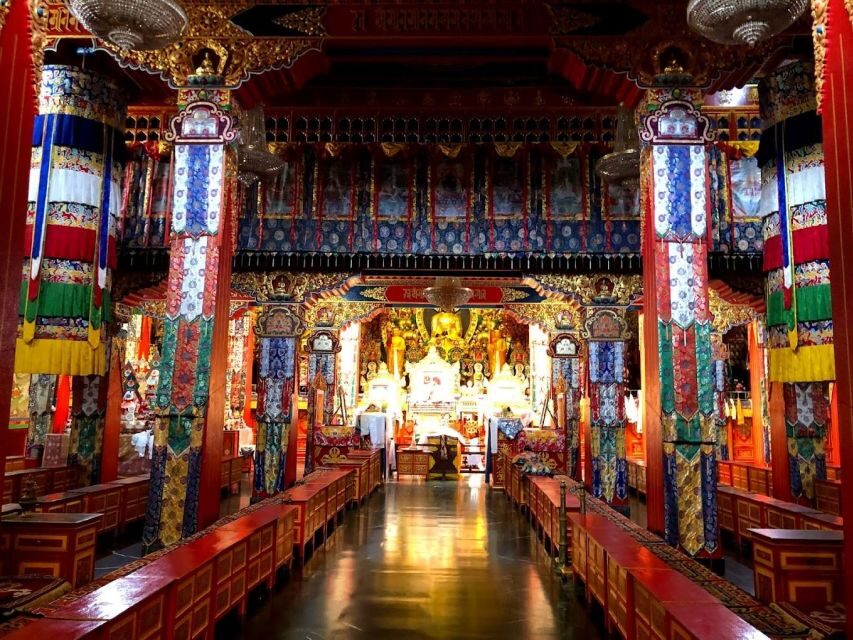
This tour fits best if you want a one-day Kathmandu Valley experience that mixes a short spiritual hike with a guided monastery visit. You’ll probably enjoy it most if you like cultural context, appreciate guided explanation, and you’re comfortable with stairs.
It can also be a good solo-friendly option. One solo woman described feeling relaxed and safe during the drive and throughout the trip with her guide, Pranav. That’s not a guarantee for every departure, but it reflects the general tone that good guiding and calm logistics matter on longer day activities.
You should skip it—or switch to a different style of visit—if the 1000-step climb is a no-go for you. The lack of an elevator is final. Also, if you expect a fully car-based scenic day, this won’t match that expectation. The walking is the core experience.
If you’re comparing for active travelers, I see two clear appeals:
- You get a guided hike that’s described as suitable for many people rather than overly technical.
- You get a monastery visit with time to wander, not just a quick stop.
Should You Book the Kathmandu to Dhulikhel–Namobuddha Hike?
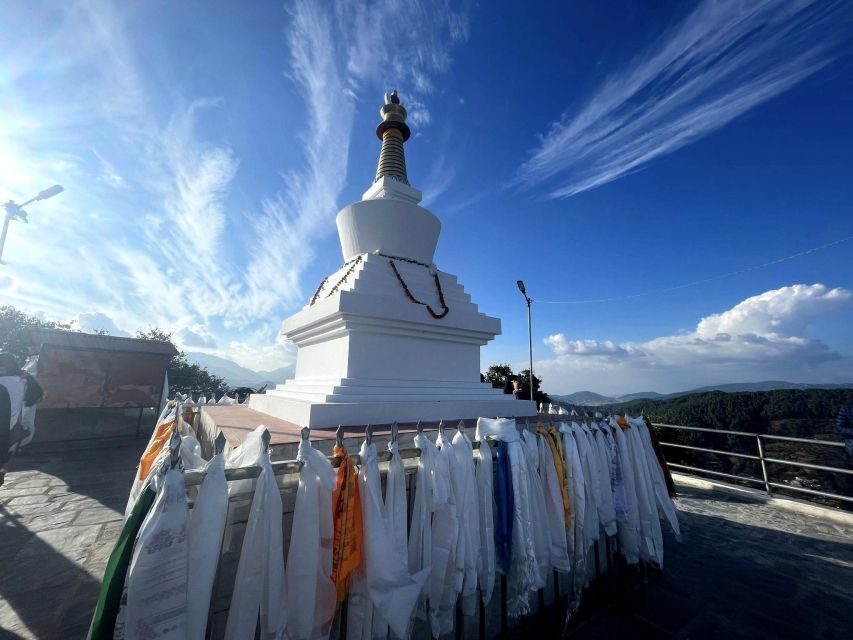
I’d book this if you want a guided, culturally grounded day trip that gets you out of Kathmandu, onto a hilltop monastery, and into a real rhythm of Buddhism-related place and practice. The optional monk-led meditation is a strong “choose your level of spiritual quiet” feature, and the guided explanations (from names like Sudhir, Razz, and Pranav) are repeatedly praised for making the time feel purposeful.
Don’t book it if your top priority is comfort over walking. The 1000 steps and stair-only access to the monastery are the dealbreaker, and the area can be busy at peak times.
If you match the basics—comfortable shoes, willingness to climb, and interest in Buddhist culture—this is a solid use of a day in the Kathmandu Valley.
FAQ
How long is the Kathmandu to Dhulikhel to Namobuddha guided hike?
The experience is listed as a 1-day tour.
What does the tour cost?
The price is listed as $91 per person.
Is pickup from my hotel included?
Yes. Hotel pickup and drop-off are included. You should wait in the hotel lobby about 10 minutes before your scheduled pickup time.
How much walking and climbing is involved?
You will walk and hike as part of the route, and you will climb approximately 1000 steps to reach Namobuddha Monastery. There is no elevator.
Is meditation included?
Meditation is optional. The tour mentions an optional meditation session led by seasoned monks.
What time will I spend at Namobuddha?
The itinerary describes about 3 hours at Namobuddha, including guided tour time, photo stops, free time, and sightseeing.
What’s included in the price?
Included items are hotel pickup and drop-off, transportation, bottle of water, and a licensed tour guide. The tour also indicates skip-the-ticket line.
Is food included?
No. Food is not included, so you’ll need to plan for lunch and any personal snacks or expenses.
What should I bring, and what’s not allowed?
Bring comfortable shoes and comfortable clothes, plus a passport or ID card (copy accepted). Alcohol and drugs are not allowed.