REVIEW · KATHMANDU
Kathmandu – Pokhara – Lumbini World Heritage Site Tours
Book on Viator →Operated by Alliance Adventure Pvt. Ltd · Bookable on Viator
Three valleys, seven to ten days: efficient and real. This Kathmandu–Pokhara–Lumbini tour strings together major cultural sights and spiritual landmarks with a practical mix of A/C rides and short flights. I especially like the English-speaking guidance and the way Alliance Adventure (including owner Urja and team) stays hands-on from your arrival.
You’ll also appreciate the planning that protects your time: included hotels and meals make it easy to keep moving without constant budgeting or hunting for food. The main consideration is pacing: several days rely on flights, so if you’re sensitive to schedule changes, this itinerary may feel a bit tight.
In This Review
- Key things I’d bookmark before you go
- Kathmandu arrival at 1300m: where the tour really starts
- Kathmandu Valley highlights: Durbar Square and the big faith sites
- The Pokhara flight: why a 25-minute jump changes everything
- Sarangot sunrise in Pokhara: early start, real payoff
- Lumbini and the Buddha birthplace ground: spiritual travel with clear structure
- Bhairawa back to Kathmandu, then Bhaktapur’s Durbar Square
- Patan, Chandragiri cable car, and a proper farewell dinner
- Hotels, meals, and why 3-star can be a smart choice
- English guide, Urja’s responsiveness, and the family-friendly feel
- Transportation and timing: A/C rides, flights, and how to prepare
- Price and value: what you’re paying for at $1,315 per person
- Small rules you’ll thank yourself for following
- Who should book this Nepal route?
- Should you book it?
- FAQ
- How many days is the Kathmandu, Pokhara, Lumbini world heritage tour?
- Is this tour private or shared with other groups?
- Where does the tour start and what meeting point is used?
- What hotels and nights are included?
- What meals are included during the trip?
- How do you travel between the cities?
- What optional activities cost extra?
- Is the tour refundable or changeable after booking?
Key things I’d bookmark before you go
- Arrival support in Kathmandu with an Alliance Adventure display board at the airport arrival gate
- Full-board style meals across hotels, including welcome and farewell dinners
- Sarangot sunrise in Pokhara, paired with the next leg by air toward Lumbini
- Heritage stops in Kathmandu Valley and Durbar Square areas with guided coverage
- A/C transportation plus entry fees and bottled water included for smoother days
- Private group format, so you’re not sharing your schedule with strangers
Kathmandu arrival at 1300m: where the tour really starts
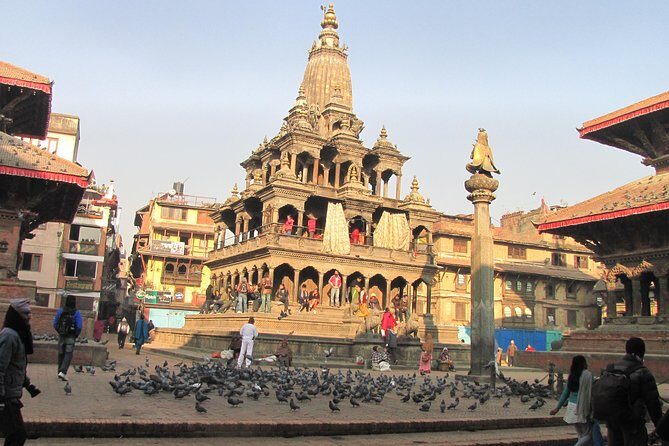
Your trip begins the moment you land. You’ll clear the airport, then look for your Alliance Adventure representative holding a display board at the arrival gate. From there, it’s a direct transfer to your hotel, and you’ll get a quick briefing on how the city days work.
Kathmandu sits around 1300m (about 4,264 ft), so the air feels different right away compared to flatter places. I like that the plan doesn’t throw you into long hikes on day one. Instead, you get a chance to settle in, recover a little, and ease into Nepal.
That first night includes dinner, which matters more than it sounds. After a travel day, you’ll be glad you don’t have to plan where to eat.
You can also read our reviews of more historical tours in Kathmandu

Kathmandu Valley highlights: Durbar Square and the big faith sites
Day two is a dense but manageable Kathmandu Valley sweep. You’ll see Kathmandu Durbar Square, Pashupatinath, Bouddhanath, and Swayambhunath across the day. This is the kind of route where you learn fast because each stop has a distinct vibe.
Kathmandu Durbar Square gives you a clear window into Nepal’s royal and architectural legacy. If you’re into watching how people move through a living heritage area—rather than museum-style viewing—this is a good fit.
Pashupatinath and the surrounding riverside area are spiritually intense, and you’ll want to dress respectfully. The tour includes temple entry planning, but it’s worth knowing that entrance to some temples may be restricted for non-Hindus, and leather items are prohibited inside temple precincts.
Bouddhanath is famous for its Buddhist stupa setting, and Swayambhunath (often called the Monkey Temple area) adds the hilltop dimension. You’ll likely spend more time here than you expect because viewpoints tend to slow people down.
A useful detail: the tour includes breakfast and lunch on the day, plus an overnight at your Kathmandu hotel. That means fewer logistics headaches and more time with the sights.
The Pokhara flight: why a 25-minute jump changes everything
On the next travel day, you fly from Kathmandu to Pokhara in about 25 minutes (the tour lists it as a short hop to Pokhara around 950m/3,116 ft). Even though the flight is brief, the feel of the place changes quickly.
Pokhara tends to slow people down. You’ll trade traffic-heavy city driving for a more relaxed rhythm, and you’ll have time to settle into a new base without losing an entire day to transit.
This day includes breakfast and lunch, and also overnight with dinner. The food coverage is a real value point because you’re not forced into extra planning while you’re switching regions.
Sarangot sunrise in Pokhara: early start, real payoff
One of the strongest moments in this trip is the sunrise from Sarangot. It’s a classic Pokhara viewpoint, and the timing is built into the day so you can catch that early light.
Why this matters: sunrise viewpoints are one of the few chances on the route where you get an emotional reset. You’re moving from temples and city squares to wide sky and mountain views, and sunrise is the bridge.
After that morning, the trip keeps momentum. You’ll then fly toward Bhairawa (for Lumbini access) and move into the Buddha birthplace area.
If you’re wondering whether sunrise is worth the effort, I’d say yes—if you can follow instructions and be on time. It’s not hard exercise. It’s more about willingness to wake up earlier than your body wants.
Lumbini and the Buddha birthplace ground: spiritual travel with clear structure
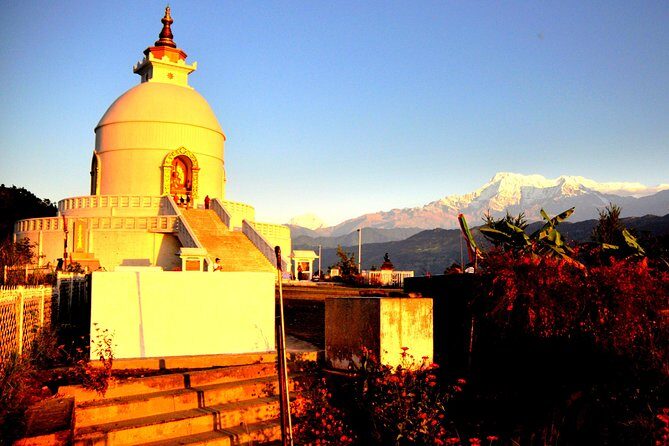
Lumbini is where your trip pivots from Nepal’s city heritage to a globally meaningful spiritual center. The tour is set up to cover the Buddha Birth Place area after your flight.
This is the part of Nepal that rewards quiet attention. The site is not just about seeing monuments. It’s about understanding why so many people from many countries build pilgrimages here.
The day includes breakfast, lunch, and dinner, so you can focus on the place and not scramble for meals. You’ll also sleep in Lumbini for one night at a 3-star hotel, which helps you avoid cramming too much sightseeing into a single stretch.
Practical note: keep your clothing modest and avoid anything that could conflict with temple rules. The tour information flags that some areas restrict footwear and leather items, so plan ahead.





Bhairawa back to Kathmandu, then Bhaktapur’s Durbar Square
After Lumbini, you fly back to Kathmandu and then head to Bhaktapur Durbar Square. This combination is clever because it stacks heritage in two different styles: big capital-era sites earlier, then a city with its own distinctive texture and craftsmanship feel.
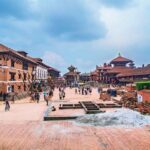
Bhaktapur Durbar Square is a strong choice for slow looking. It’s easy to get caught staring at details—doorways, carvings, and the general way stone and life interact in the square.
This day includes breakfast, lunch, and dinner, which reduces decision fatigue. It also makes it easier for families and first-timers because you’re not constantly choosing what’s next.
Also, this trip stays grounded in comfort: it includes 3-star hotel nights across the route. It’s not luxury, but it is structured.
Patan, Chandragiri cable car, and a proper farewell dinner
On the final full day, you drive back to Kathmandu via Patan Durbar Square, then add the Cable Car at Chandragiri Hill before a farewell dinner.
Patan is a great addition because it gives you another angle on the craft and architecture of the Kathmandu Valley. If you liked Durbar Square areas earlier, you’ll usually enjoy the feeling of comparison here: similar themes, different layout and character.
The Chandragiri cable car stop adds a different kind of reward. You trade stone and sacred spaces for a scenic viewpoint day. It’s also a smart way to break up long hours on the road with a built-in transport rhythm.
The tour includes breakfast, lunch, and dinner on this day too, so you’re set through the day without last-minute restaurant hunting.
Hotels, meals, and why 3-star can be a smart choice
This package uses 3-star hotels in Kathmandu, Pokhara, Lumbini, and Bhaktapur. You get 3 nights in Kathmandu, then 1 night in Pokhara, 1 night in Lumbini, and 1 night in Bhaktapur.
At the same time, it includes a lot of what often costs extra on your own: breakfast/lunch/dinner coverage, plus welcome and farewell dinners. That’s not just convenience. It’s also value because food and entry fees add up quickly in Nepal if you’re piecing everything together.
You also get basics handled well: bottled water supply during tours, and coffee and/or tea is included. For long sightseeing days, that small detail keeps things smooth.
If you’re a traveler who likes predictable comfort after busy days, this structure fits you. If you’re chasing high-end luxury hotels, you might feel like the accommodation level is simpler than you’d pick—though the tour is built to spend more energy on the sights.
English guide, Urja’s responsiveness, and the family-friendly feel
One of the most praised parts of this service is the human side. The reviews highlight Urja and the team as attentive, responsible, and fun to spend time with. They also mention flexibility—being willing to make changes to the itinerary based on requests.
That flexibility matters most when you travel with family or when children are part of the group. The tour’s setup is private, and a private format can make a big difference with pacing—especially if someone needs a slower moment or a bathroom stop without turning it into an argument about timing.
You’ll also have a friendly English-speaking tour guide, and the package notes insurance for the guide. That may not sound exciting, but it’s a sign the operator is thinking about responsibility, not just sightseeing.
And yes, the guide support in places like temple areas and heritage squares really helps. These sites reward context. A guide makes the differences between similar-looking places easier to grasp.
Transportation and timing: A/C rides, flights, and how to prepare
Transport is handled with fully A/C vehicles for the road segments. You’ll also have included flights where it saves time, including Kathmandu to Pokhara and the legs to and from Bhairawa for Lumbini.
A/C matters in Nepal, especially if you’re doing long stretches in warm hours. It also helps with comfort when you’re moving quickly between regions.
The trade-off is schedule sensitivity. Because the plan includes flights on multiple days, delays can ripple into the next activity block. I’d plan to be calm about it and keep your expectation flexible on those flying days.
Another small practical note from the tour guidance: don’t wander off on your own. Stick with your group, especially in busy areas where you may attract unwanted attention. The operator even warns that street situations can get uncomfortable, and it advises not to give money to street children or beggars.
Bring a little patience. This trip works best when you treat it like a guided route, not a self-directed scramble.
Price and value: what you’re paying for at $1,315 per person
At $1,315 per person, you’re not just paying for sightseeing. You’re paying for an organized chain of logistics: hotel nights across four bases, guided coverage with English, entry-fee handling for Kathmandu and Pokhara sightseeing, and meals that follow you through most days.
If you try to replicate this on your own, the costs tend to climb fast. Flights between regions, hotel nights, and guide time don’t stay cheap for long—especially when you also want good coverage of the major heritage and spiritual sites without constant planning.
This package also includes practical extras in the price: bottled water, landing and facility fees, and fuel surcharge are listed. Those items are easy to miss when you compare tours based on headline price alone.
One more value angle: the tour is private, meaning your time is less likely to get hijacked by someone else’s pace. For families or travelers who prefer control, private format often justifies the added cost.
Small rules you’ll thank yourself for following
Nepal is welcoming, but it has clear boundaries—especially around religious sites. The tour instructions are simple: keep valuables minimal, avoid flashy jewelry, and don’t carry items that could create issues in temples.
The biggest ones are consistent:
- Leather articles are prohibited in temple precincts
- Some temples may restrict entry for non-Hindus
- Don’t give money to street children/beggars
- Stay with the group instead of wandering off
If you pack with those in mind, you avoid the awkward moment of being turned away or having to improvise.
Who should book this Nepal route?
This tour fits best if you want:
- A structured Nepal trip that hits Kathmandu Valley, Pokhara, and Lumbini in one run
- A guide-led experience with English support
- Comfort-focused logistics, especially with A/C transport and included meals
- A private feel, which helps with family timing and attention
I’d think twice if you hate flights or you’re extremely sensitive to schedule changes. Also, if you’re looking for luxury hotels and long unplanned downtime, this is more of a paced cultural-and-spiritual circuit than a slow wander.
Should you book it?
If you want a smooth, guided route through three of Nepal’s most important areas, I’d say this is a good bet. The combination of organized meals, A/C transport, and a guide team led by Urja is built for travelers who value reliability as much as scenery.
Before you book, check that your own comfort level matches the pace: sunrise day early starts, plus multiple flight days. If that fits your style, you’ll likely love how efficiently the trip moves—and how much you learn while staying fed and scheduled.
FAQ
How many days is the Kathmandu, Pokhara, Lumbini world heritage tour?
It runs for about 7 to 10 days, depending on the exact schedule confirmed at booking.
Is this tour private or shared with other groups?
It’s a private tour/activity. Only your group will participate.
Where does the tour start and what meeting point is used?
The start is in Kathmandu, within the Kathmandu Valley, Bagmati Zone, Central Region. On arrival, you meet the representative at the Kathmandu International Airport arrival gate with an Alliance Adventure display board.
What hotels and nights are included?
The package includes 3-star hotels with 3 nights in Kathmandu, 1 night in Pokhara, 1 night in Lumbini, and 1 night in Bhaktapur.
What meals are included during the trip?
The tour includes breakfast, lunch, and dinner on the days listed in the plan, plus welcome and farewell dinner. It also includes coffee and/or tea and bottled water during tours.
How do you travel between the cities?
You use fully A/C transportation for road travel, plus included flights such as Kathmandu to Pokhara and flights involving Bhairawa for Lumbini access. There is also a cable car stop at Chandragiri Hill.
What optional activities cost extra?
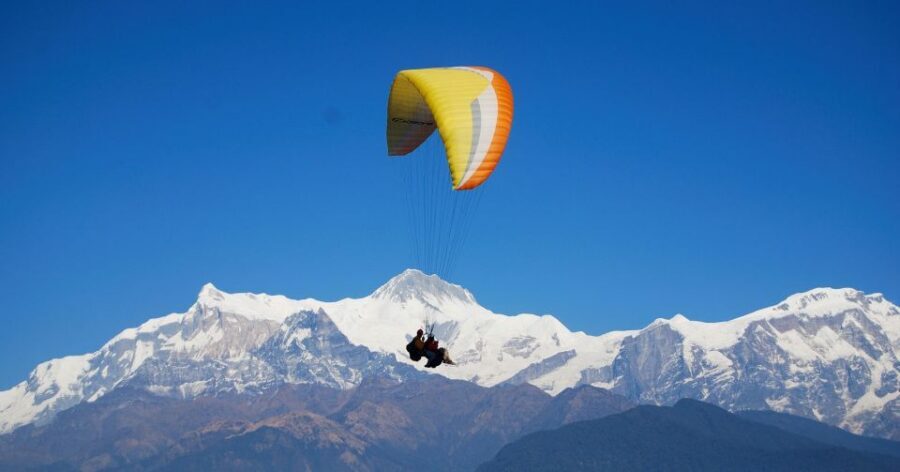
Two optional activities are listed: a Kathmandu mountain flight for USD 190 per person and Pokhara paragliding for USD 85 per person (including video photos).
Is the tour refundable or changeable after booking?
No. The experience is non-refundable and cannot be changed for any reason. If you cancel or ask for an amendment, the amount you paid will not be refunded.