REVIEW · KATHMANDU
12 Days Trek Tour in Nepal
Book on Viator →Operated by Mountain Delights Treks & Expeditions · Bookable on Viator
A quieter Himalayan trek can change you. Mohare Danda mixes solitude with community-run lodges and big sunrise views over peaks like Machapuchre and Annapurna. You also get a smooth Nepal rhythm: Kathmandu temples first, then Pokhara downtime, then a focused trek ending with time in the lakeside city.
What I like most is the way the route stays lighter on foot traffic, so the views and village moments feel more personal than on the overcrowded classics. The second big plus is the built-in support: you travel with a trekking guide plus a porter/helper team, and you’re not left juggling permits and logistics yourself.
One consideration: it’s not a flat walk. You’ll tackle a tougher day to gain nearly 1,000 meters on the way toward Mohare Danda, and the whole plan depends on good weather.
In This Review
- Key Highlights Before You Go
- Mohare Danda: Why This Trek Feels Different in Nepal
- Price and Logistics: What $1,500 Really Buys You
- Day 1 to 2: Kathmandu Setup and UNESCO Stops
- Day 3: The Drive to Pokhara and a Real Breather
- Day 4: From Galeshwor to Bas Kharka via Kali Gandaki
- Day 5: Nangi, Magar Communities, and School Time
- Day 6: The Hard Push to Mohare Danda (and Why Sunrise Here Hits)
- Day 7: Sunrise Views, Gorepani Passing, and the Walk to Deurali
- Day 8: Ghandruk Village, Forest Walking, and Gurung Culture
- Day 9: Finishing the Trek at Syauli Bazar, Then Back to Pokhara
- Day 10: Pokhara Sightseeing and Flying Back to Kathmandu
- Day 11: Kathmandu Narrow Lanes, Markets, and Durbar Square
- The Team Factor: Why Guide Quality Matters on a Trek Like This
- Who This Trek Fits Best (and Who Should Rethink It)
- Should You Book Mohare Danda?
- FAQ
- Is pickup available for this trek?
- Where does the tour start and end?
- How long is the Mohare Danda trek?
- What fitness level is required?
- What group size should I expect?
- Are trekking permits included?
- What gear comes included?
- Where are the included accommodations?
- Are meals included on the trek?
- What happens if the weather is poor?
- How does cancellation work?
Key Highlights Before You Go
- Quieter Mohare Danda routing: a less crowded trail that favors calm, early starts, and long-view horizons
- Community-based lodging: homestays and community eco-lodges tied to the villages on the route
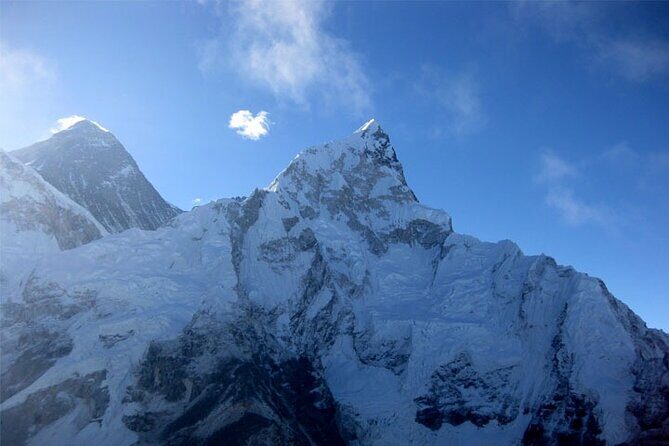
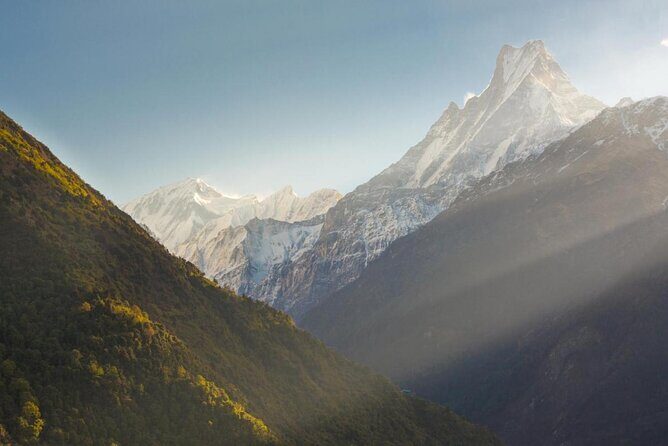
- Big mountain sunrise moments: views of Machapuchre, Annapurna, Dhaulagiri, and more from ridge viewpoints
- Support crew included: trekking guide plus porter/helper and assistant guide to manage pace and logistics
- Permits handled: ACAP (Annapurna Conservation Area Permit) and TIMS included
- Gear included for cold nights: down jacket, sleeping bag, fleece liner, and a duffel bag
Mohare Danda: Why This Trek Feels Different in Nepal
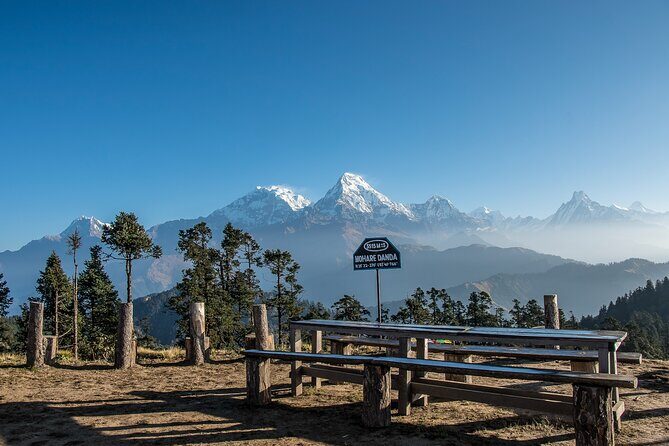
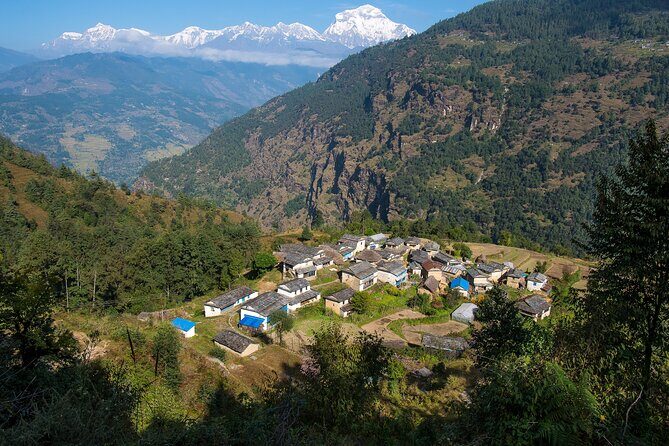
Mohare Danda is part of the Annapurna orbit, but the experience aims for something different from the start. The route is described as newly discovered and noticeably less crowded than the famous nearby alternatives, which matters more than you might think. When the trail is quiet, you spend less time waiting in lines and more time noticing how village life changes hour by hour.
I also like the cultural angle being tied to the walk, not tacked on. Along the route you’ll be moving through communities and staying in community-run lodges (including an eco community lodge night and a homestay night). That means your evenings tend to feel grounded in local routines, with less “tour bus” energy.
The trek also has a strong payoff built in. More than one day is set around sunrise or big-view timing, so you’re not just hiking toward a single peak photo at the end. Instead you get repeated chances to see the Himalayan skyline shift as light hits different ridgelines.
You can also read our reviews of more hiking tours in Kathmandu


Price and Logistics: What $1,500 Really Buys You
At $1,500 per person, you’re paying for a package that covers a lot of the invisible stuff that normally burns time and mental energy.
Here’s what stands out as real value:
- Included permits and taxes: ACAP and TIMS are included, along with government taxes. For many independent planners, this is where trips get complicated fast.
- Dedicated trekking support: a professional trekking guide plus a porter/helper and assistant guide are part of the deal. That matters if you want a steady pace and someone else managing the day-to-day logistics.
- Gear provided: you get a down jacket, sleeping bag, fleece liner, and a duffel bag. This can save you from buying or renting cold-weather gear in Nepal at the last minute.
- Accommodation basics handled: 3-star standard hotels with breakfast are included in Kathmandu and Pokhara, and trekking lodging is provided on the route.
What you should budget separately: lunch and dinner in Kathmandu and Pokhara aren’t included. Tips for the guide/porter/driver are also not mandatory, but they are expected.
Finally, the group is capped at 16 travelers, which usually helps keep things organized without turning the trek into a moving crowd.
Day 1 to 2: Kathmandu Setup and UNESCO Stops
Your trip begins in Thamel, Kathmandu, with a representative meeting you and transferring you to your pre-booked hotel. After check-in and a short rest, you head to Thamel for supper and quick errands—money exchange, supermarket stops, and trekking gear shopping if you still need anything.
That night also includes a trip briefing at the office. The briefing matters because it sets expectations for what comes next: the mountain work of the trek, plus the city walking in the days before and after.
Day two adds two major cultural anchors:
- Pashupatinath Temple (UNESCO World Cultural Heritage Site), devoted to Lord Shiva. The Bagmati River beside the temple is spiritually important, including cremation rituals.
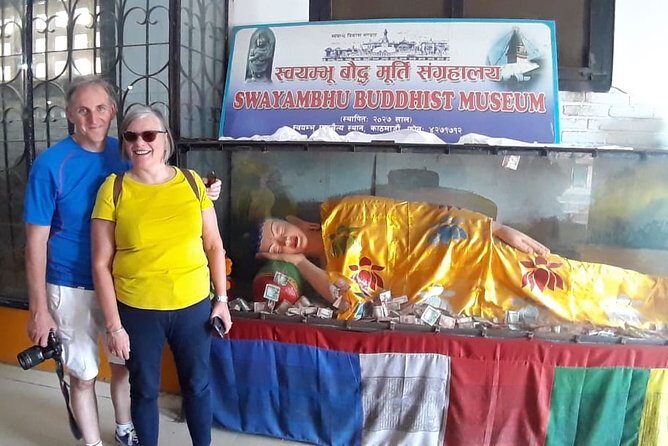
- Boudhanath Stupa, a major Buddhist site and one of the best places in Kathmandu for atmosphere and prayer activity.
If you care about understanding Nepal beyond postcards, this pair gives you both Hindu and Buddhist focus early on.
Possible drawback for your schedule: Kathmandu can be slow on day-one logistics, especially with traffic. The plan notes that delays can shift events to the next day depending on feasibility, so keep your expectations flexible.
Day 3: The Drive to Pokhara and a Real Breather
You’ll drive from Kathmandu to Pokhara in the early morning. The highway is described as winding and mountainous, so yes, it’s long. This is one of those “transport day” segments that either feels thrilling or feels tiring depending on your tolerance for curvy roads.
When you arrive, the rest of the day is yours to explore the lakeside and nearby areas. This is a smart pacing choice. Trekking days are already ahead, and Pokhara provides a natural mental reset: smoother urban energy, easy sightseeing, and time to prep physically.
Day 4: From Galeshwor to Bas Kharka via Kali Gandaki
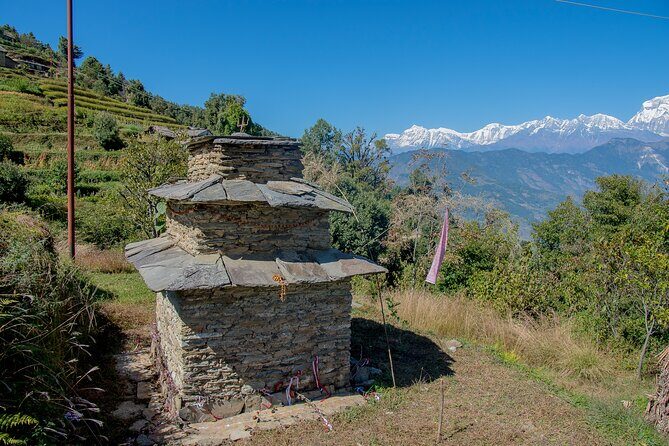
Day four turns the road into the start of the trek story. First you drive to Galeshwor along the bank of the Kali Gandaki River, then you hike about three hours onward to Bas Kharka.
One standout moment is the suspension bridge crossing over the Kali Gandaki. Even if bridges aren’t your top thrill, this one signals a change in rhythm: you’re no longer moving through towns, and you’re entering a more agricultural, village-centered landscape.
That night is key: dinner at an eco community lodge, followed by an overnight homestay. This is the kind of arrangement that keeps the trip grounded in real local settings rather than only standard tea-house stops.






Day 5: Nangi, Magar Communities, and School Time
After breakfast at the community lodge, you continue for a second trekking day toward Nangi. The route passes through villages and farmland, and you’ll get mountain views as the trail opens up.
This day includes a cultural thread tied to Magar people, one of Nepal’s larger ethnic communities with a distinct language and culture. The plan specifically mentions time around organic farms and also visiting a school in the latter afternoon.
Why that matters: a school visit can turn a trekking route into something more meaningful than scenery. Just remember it’s not a classroom show. It’s about respectful presence and following the guide’s lead.
Day 6: The Hard Push to Mohare Danda (and Why Sunrise Here Hits)
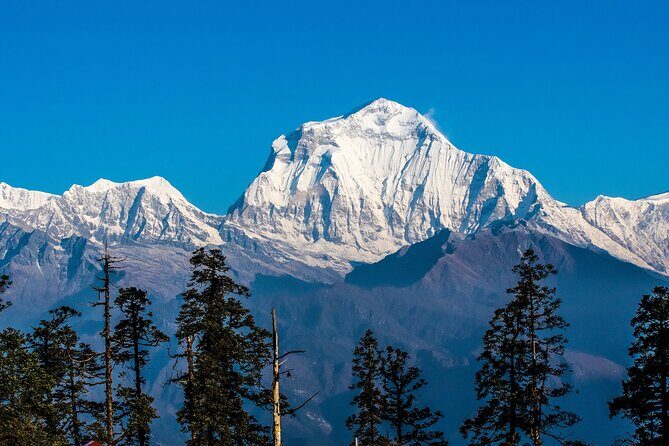
This is your toughest trekking day. You walk toward Mohare Danda, described as the final destination of the trek, and the plan notes a near 1,000-meter climb.
The trail is scenic through forest, and you’re looking for major mountain views along the way. Peaks mentioned include Machapuchre, Annapurna, and Dhaulagiri. The area is especially famous for sunrise and sunset views, and that’s exactly what gives this trek its emotional arc: you’re earning the light.
A practical thought: plan your day for steady effort, not speed. When the hike is steep, you’ll enjoy it more by going patient and consistent, especially because you’ll likely be carrying fatigue into the next day’s view timing.
Day 7: Sunrise Views, Gorepani Passing, and the Walk to Deurali
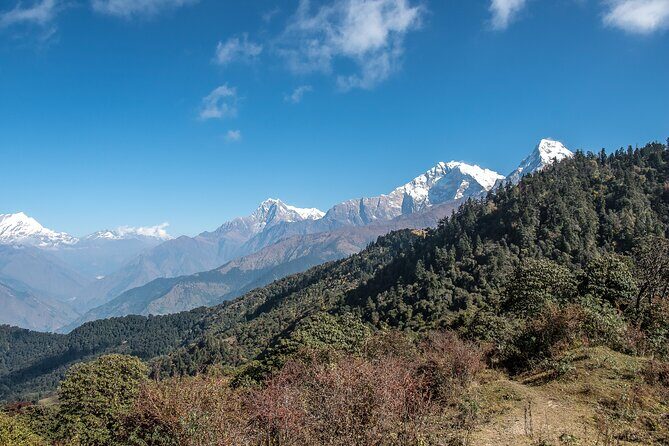
You start the morning with sunrise views over the Himalayan peaks. The plan calls out Machapuchre, Dhaulagiri, Annapurna, and other smaller peaks.
After breakfast, you walk to Deurali. The trail passes near Gorepani, which is described as popular and the busiest town in the region, famous for sunrise from Poon-hill. You don’t need to be a sunrise purist to appreciate what passing through a known hub does: it can remind you you’re on a big trekking map, while Mohare Danda itself keeps your time calmer.
This day’s trek time is shorter than day six, which helps your body recover before the next village descent toward Ghandruk.
Day 8: Ghandruk Village, Forest Walking, and Gurung Culture
Today you head to Ghandruk. The walk continues through forest, and along the way you’ll work toward some of the classic Annapurna-side view angles.
Ghandruk is described as famous, with views of Annapurna South and Himchuli. You’ll also visit the Gurung museum and spend time on Gurung culture.
This is where Mohare Danda feels like it’s doing two jobs at once. You’re still hiking through nature, but you’re also stepping into a community where culture isn’t a side quest—it’s part of the reason the villages exist where they do.
Day 9: Finishing the Trek at Syauli Bazar, Then Back to Pokhara
After breakfast and enjoying the views of Annapurna South, Himchuli, and Fishtail (close up), you descend toward Ghandruk Bensi or Syaulibazar, on the bank of the Madi River. This marks the end of the trekking portion.
From there, you drive to Pokhara—about two and a half hours—and the plan brings you right back into lakeside energy. This is your decompression day. You’ll feel the difference after days of ridge walking.
Day 10: Pokhara Sightseeing and Flying Back to Kathmandu
Pokhara gets a full sightseeing push. You can visit:
- Devi’s Fall
- Gupteshwar cave
- International Mountain Museum, noted as informative about mountaineering expeditions and Himalayan peaks
After lunch time, the day includes a transfer to Pokhara Airport for a flight back to Kathmandu. Once you land, a representative transfers you to your hotel.
Why I like this design: it saves your legs for the trekking work and limits the number of long road days overall. It also shortens the time between your mountain days and your Kathmandu wrap-up.
Day 11: Kathmandu Narrow Lanes, Markets, and Durbar Square
Your final big city day is a Kathmandu tour focused on historic and spiritual areas and old lanes—plus markets like:
- Ason
- Indrachowk, including a glass beads market
- New Road, referenced as having an older supermarket area
You’ll also see Kilagal and Hidden Stupas inside family courtyard. Then comes Kathmandu Durbar Square, tied to the administrative quarter of Malla kings and later Shah kings.
There’s also a unique feature mentioned here: visiting the temple of the living goddess. That’s not just a quick photo stop. It’s part of Nepal’s living blend of belief, tradition, and public space.
Even with a guide, day eleven can feel like sensory overload in the best way. It’s tight walking plus lots of visual input, so take breaks when you need them.
The Team Factor: Why Guide Quality Matters on a Trek Like This
The itinerary is carefully paced, but the real difference on trekking days often comes down to how the team handles timing, safety, and small problem-solving.
I’m encouraged by Mountain Delights’ overall reputation for strong staffing in Nepal treks. Names that come up in their wider trek work include guides such as Baburam, Purna, and Mingur Sherpa, plus support roles like Karma Sherpa as a porter in Manaslu experiences. People also credit the company’s leadership—CEO Ram Sapkota is mentioned in at least one experience—for logistics that feel organized and stress-reducing.
Even though your specific guide name isn’t listed for the Mohare Danda trek itself, the included structure (guide, porter/helper, assistant guide) is the important part. It’s built to keep the walk enjoyable rather than turning into a solo navigation project.
Who This Trek Fits Best (and Who Should Rethink It)
This tour is aimed at people with moderate physical fitness. That’s fair because the itinerary includes multiple hiking days and at least one clearly tough segment with a near 1,000-meter gain.
You’ll likely love this trek if you:
- want a less crowded feel on an Annapurna-side trek
- care about staying in community-run lodging rather than only standard stops
- enjoy sunrise views and mountain timing, not just peak summit chasing
- want city highlights without making the mountain trip harder than it needs to be
You might want to rethink if you:
- struggle with sustained climbs (day six is the big one)
- hate long transport days (Kathmandu to Pokhara, plus drives tied to the start and finish)
- don’t handle schedule changes well, since the experience requires good weather and can be moved or refunded if it can’t run safely
Should You Book Mohare Danda?
If you want Nepal that feels quieter, more human, and more tied to villages than crowds, Mohare Danda is an easy yes. The combination of community-based lodges, repeated sunrise mountain views, and a strong support team makes this a well-rounded trek for your time window.
Before you book, be honest about two things: your ability to handle a steep day with serious elevation gain, and your willingness to accept weather-driven timing. If those fit you, this is the kind of trip that turns into a clear memory long after the photos fade.
FAQ
Is pickup available for this trek?
Yes. The tour includes pickup offered, and in Kathmandu you’re met by a representative who transfers you to your pre-booked hotel.
Where does the tour start and end?
It starts in Thamel, Kathmandu (44600), Nepal and ends back at the meeting point in Kathmandu.
How long is the Mohare Danda trek?
The duration is 12 days (approx.).
What fitness level is required?
Travelers should have moderate physical fitness.
What group size should I expect?
The maximum group size is 16 travelers.
Are trekking permits included?
Yes. The package includes Annapurna Conservation Area Permit (ACAP) and TIMS (Trekker’s Information Management System).
What gear comes included?
You’re provided a down jacket, sleeping bag, fleece liner, and a duffel bag.
Where are the included accommodations?
You’ll have 3-star standard hotels with breakfast in Kathmandu and Pokhara, plus lodging during trekking such as community eco-lodges and homestays.
Are meals included on the trek?
Yes for trekking days. Lunch and dinner in Kathmandu and Pokhara are not included.
What happens if the weather is poor?
The experience requires good weather. If it’s canceled due to poor weather, you’ll be offered a different date or a full refund.
How does cancellation work?
You can cancel up to 24 hours in advance for a full refund. Within 24 hours, the amount paid is not refunded.