REVIEW · POKHARA
Pokhara: Private Half-Day Tour and Tibetan Culture Tour
Book on GetYourGuide →Operated by Snow Peak Tours and Travels pvt. ltd. · Bookable on GetYourGuide
Pokhara’s best hits in three hours. This private tour stitches together International Mountain Museum, Devi’s Falls, Gupteshwor Mahadev Cave, and a Tibetan culture visit, all with hotel pickup and A/C driving to cut the stress. I like the convenience of a private setup where you can move at your pace, and I like how the sights connect nature to spirituality to people’s everyday culture. One drawback to plan for: admission fees aren’t included, and tour timing can run shorter than what you might expect if the guide is more “driver” than storyteller.
If you want a guided sampler of Pokhara without committing a full day, this format can work well. If you’re hoping to pay one fixed price and never pull out your wallet again, you’ll want to budget extra for site entry and be clear about what’s included before you start.
In This Review
- Key moments worth choosing this tour for
- A 3-hour private loop: pickup, timing, and how the day moves
- International Mountain Museum: the Himalaya story in one guided hour
- Devi’s Falls: when the waterfall doesn’t behave like a normal waterfall
- Gupteshwor Mahadev Cave: Shiva, stone, and a calm break from the road
- Tibetan Refugee Camp Pokhara: monastery time and souvenirs with context
- Price and admissions: why your final cost can swing
- The guide quality factor: when a private tour feels personal
- What to do before you go: make the day smoother
- Should you book this Pokhara private culture and waterfall tour?
- FAQ
- What’s the duration of the Pokhara private half-day tour?
- Where do you get picked up in Pokhara?
- What’s included in the tour price?
- Are entrance fees included for the attractions?
- Which languages is the live guide available in?
- What stops are included in the itinerary?
- What should I bring?
Key moments worth choosing this tour for
- International Mountain Museum: a guided, one-hour setup that explains the Himalaya beyond the postcard view
- Devi’s Falls: a waterfall famous for its underground flow, with enough time for photos
- Gupteshwor Mahadev Cave: rock formations plus a Shiva shrine you’ll recognize right away
- Tibetan Refugee Camp visit: a practical cultural stop, including monastery time and a handicraft center
- Private A/C transport: less waiting around, more time actually looking at things
A 3-hour private loop: pickup, timing, and how the day moves
This is designed as a half-day “see the highlights” tour. You get picked up in Pokhara (either Lakeside or elsewhere in the city), then roll from stop to stop in a private A/C vehicle. That matters in Pokhara, because you’ll lose less energy to logistics and more to what you came for: views, shrines, and short walks.
The practical rhythm is this: a guided museum hour, then a waterfall photo stop, then a cave visit, then the Tibetan community area with some free time and shopping. There’s also a short on-foot segment (about 10 minutes), so you’re not stuck in a vehicle the whole time.
Timing is usually the selling point of a half-day tour, but quality depends on how your guide runs the flow. Some people end up with a guide who provides real explanations; others get more of a “ticket and transport” approach. If you care about learning while you go, ask your guide to share a bit about each stop as you arrive—not just after.
You can also read our reviews of more private tours in Pokhara
International Mountain Museum: the Himalaya story in one guided hour
Your tour starts at the International Mountain Museum, and it’s a smart way to set the tone for Pokhara. Pokhara is a gateway to the Annapurna region, but this museum puts the spotlight on the larger Himalayan world—mountaineering history, the mountains themselves, and how different cultures shaped life around them.
What I like about this stop is that it gives you a framework. Even if you don’t plan to trek right away, you’ll start seeing the region with more context: why certain routes matter, why mountaineering is more than a sport, and how local cultures are tied to the peaks.
You’ll have around an hour with a guided tour. That’s enough time to connect the exhibits without feeling like you need to read everything on earth. If you’re the type who likes explanations and wants to understand what you’re looking at later in the day, this first stop pays off.
Admission isn’t included, so plan to cover entry separately. Still, at this price point, getting a guided hour at the museum plus vehicle time is usually a better deal than doing everything solo and separately hiring guides for only one site.
Devi’s Falls: when the waterfall doesn’t behave like a normal waterfall
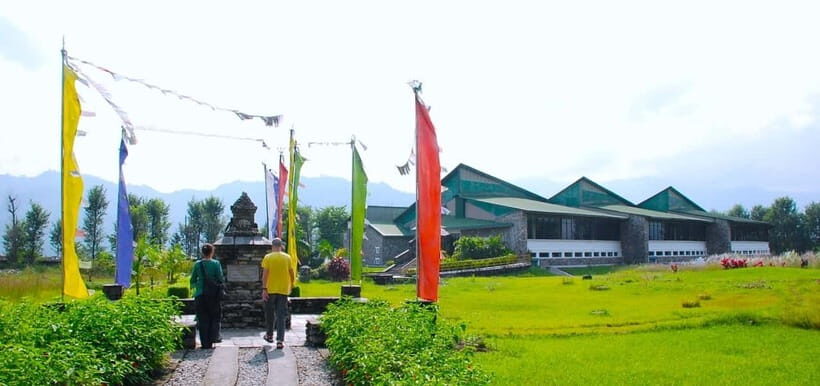
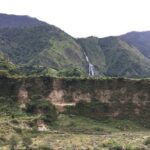
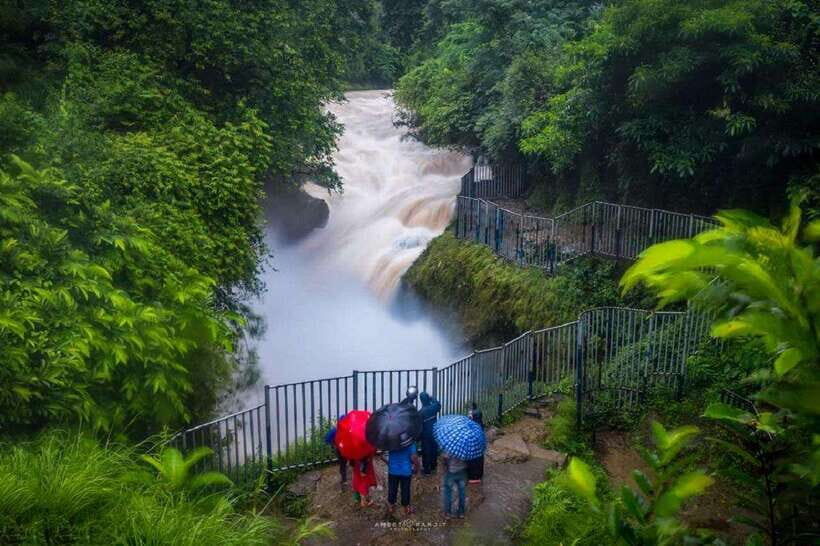
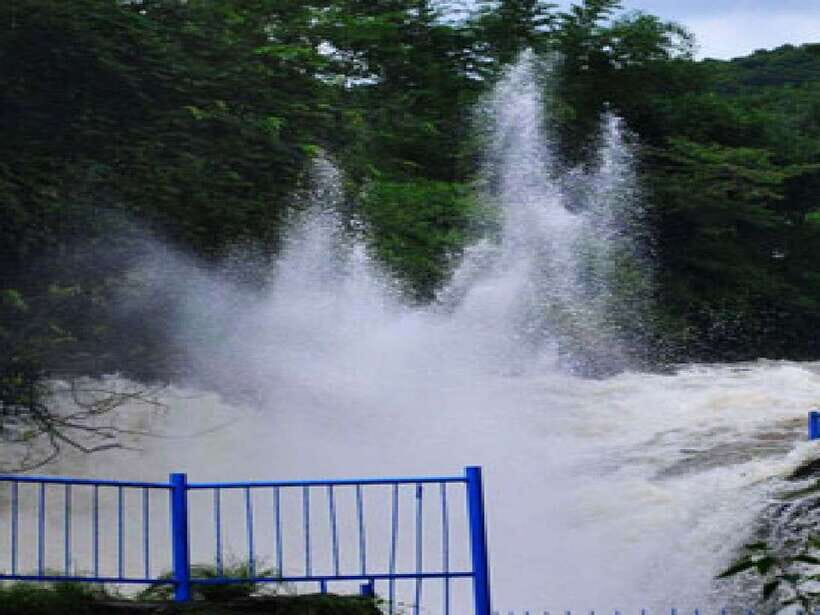
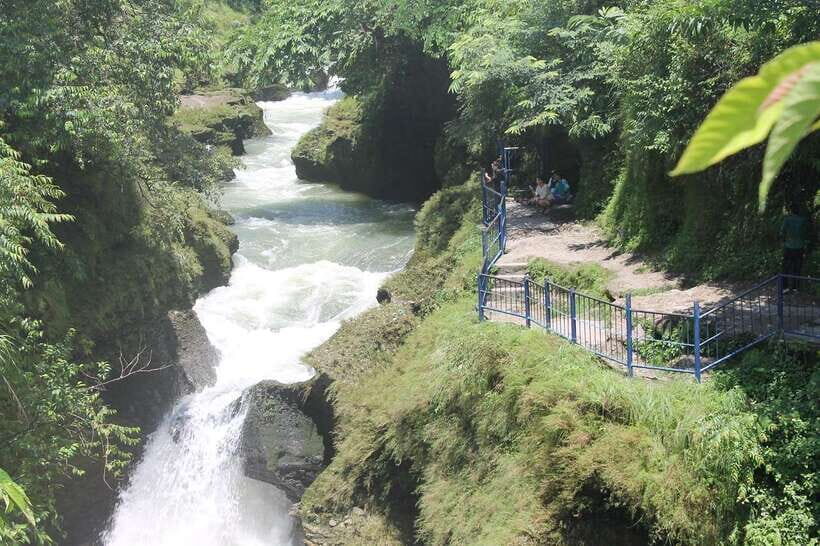
Next comes Devi’s Falls, one of Pokhara’s best-known natural sights. The standout detail here is the way the water moves—this waterfall is famous for its underground flow. It’s not just a classic spillover you watch from one angle and call it a day. You’ll see why people are fascinated by the way water disappears and reappears in unusual ways.
You get a photo stop plus a guided visit. That usually means you’ll have time to capture the main viewpoints without feeling rushed, while still hearing the explanation that makes the place more than a pretty drop.
Photo tip (practical, not artsy): keep your expectations realistic. This is a working natural feature and your exact vantage points depend on pathways and crowds. The guide can help you find the best angles quickly, which is a big deal when you’re on a tight schedule.
Like the museum, Devi’s Falls has a separate admission fee. Bring a little cash so you’re not scrambling right there. Also, if you’re short on time, prioritize the area you can access safely and avoid trying to “beat the crowd” at the last second.
Gupteshwor Mahadev Cave: Shiva, stone, and a calm break from the road
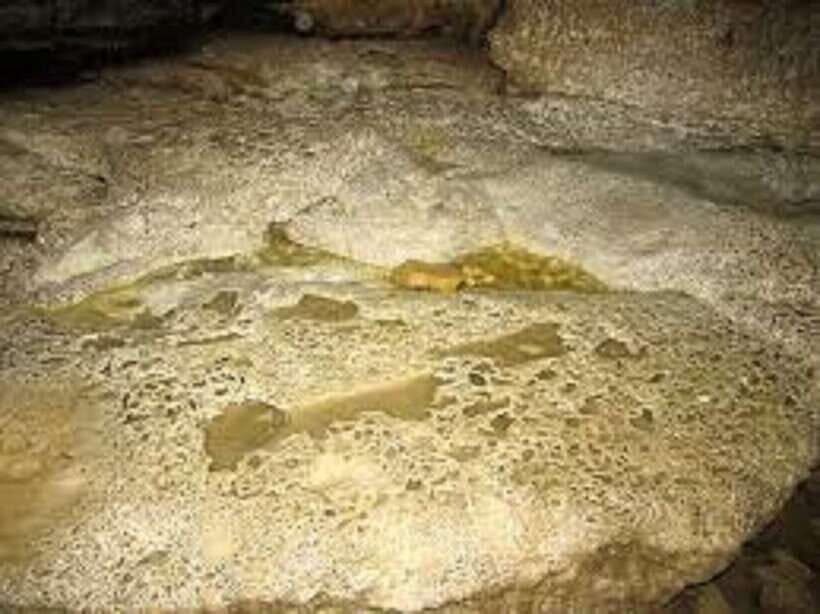
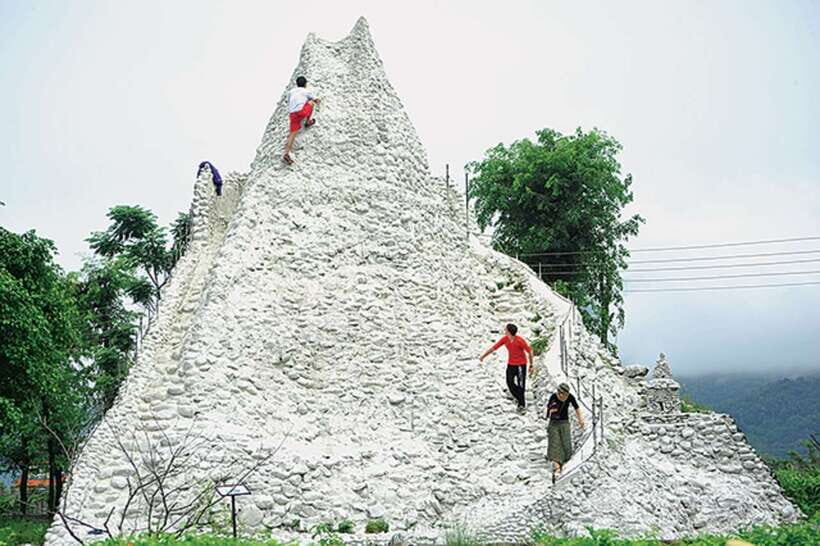
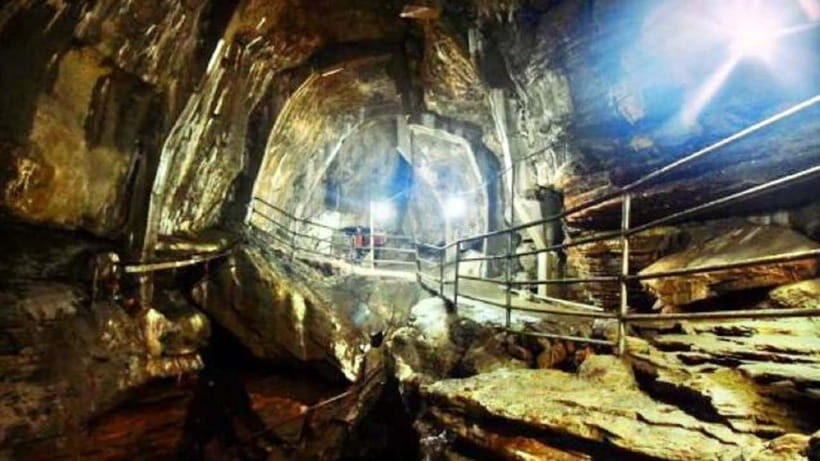
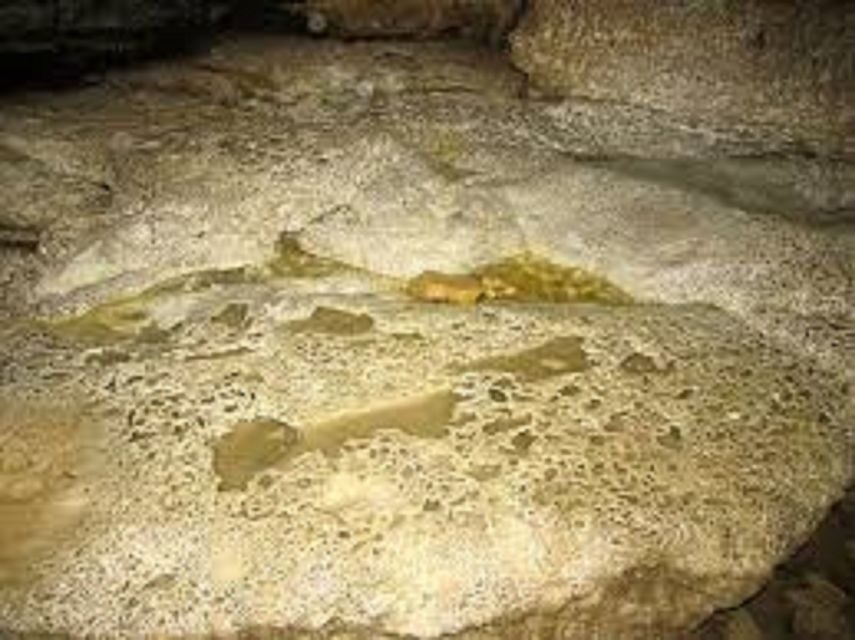
Right across from Devi’s Falls is Gupteshwor Mahadev Cave, a sacred cave with dramatic rock formations and a shrine dedicated to Lord Shiva. This is the part of the tour where the mood shifts. You go from water’s noise and movement to a cooler, more still place where people come for worship.
You’ll get another guided visit here (around an hour), plus time for photos. The shrine inside is usually the moment that clicks for first-timers: it turns the cave from just geology into a living religious site you can read even if you don’t know every story.
Here’s what I’d watch for when you’re choosing this tour: the value isn’t just seeing the cave. It’s having a guide who can explain what you’re looking at—why the shrine matters, how this cave fits into local belief, and how people typically move through the space.
The cave is also part of why the tour works as a “nature + culture” mix. You’re getting the natural oddity at Devi’s Falls, then the spiritual interpretation at Gupteshwor.
Admission applies here too, since it’s not included in the tour price. If you want to keep this tour cost-effective, budget for all the site entries up front.
Tibetan Refugee Camp Pokhara: monastery time and souvenirs with context
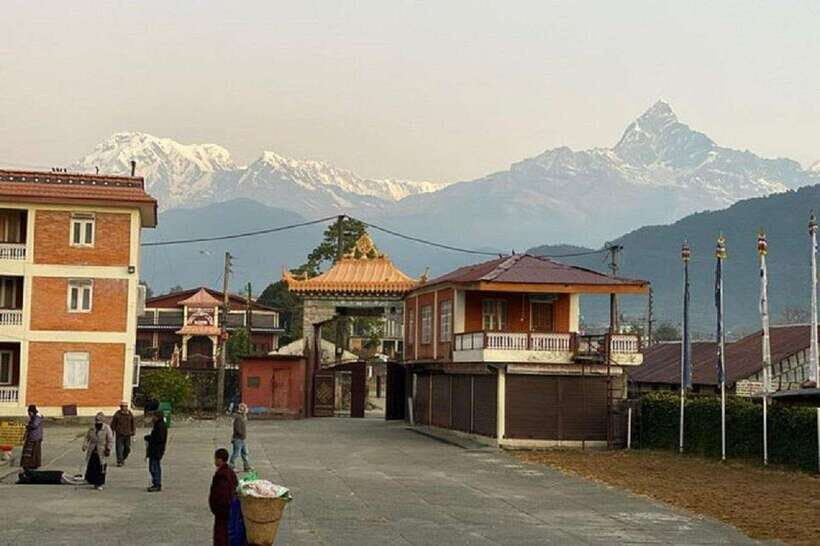
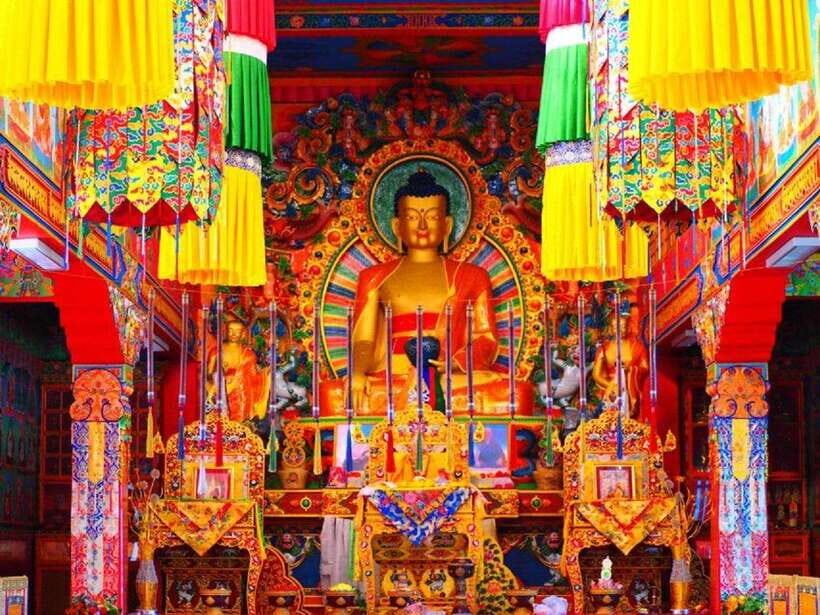
The last major stop is the Tibetan Refugee Camp Pokhara, where you spend about 45 minutes. This isn’t just a photo op. The tour includes a visit connected to Tibetan community life, including a monastery and a handicraft center.
This is one of the best parts of the day for people who like culture they can actually talk to and see. You’ll get some free time, you can walk around, and you’ll usually have a chance to browse and shop. The handicraft center is where you can pick up authentic Tibetan artifacts and souvenirs.
What I like about this portion is the way it rounds out the day. The museum and caves give you the mountain and spiritual angle. The Tibetan community stop gives you something human: ongoing tradition, daily life, and craft skills that continue despite displacement and change.
Two realities to keep in mind:
- Shopping can be tempting, so decide what you’re willing to spend before you get pulled into the charm of the objects.
- If your guide isn’t very talkative, you may learn less about what you’re seeing here—this is the stop where explanation can make your experience better.
A few more Pokhara tours and experiences worth a look
Price and admissions: why your final cost can swing
The advertised price is $24 per person, and that number covers the big-ticket logistical pieces: private A/C transportation, hotel pickup and drop-off within Pokhara city limits, bottled water, and a local guide.
But it’s important to understand what doesn’t come in the box: admission fees to all attractions are not included, and meals/snacks aren’t included either. In practice, the final total depends on how many entry tickets you pay and how your schedule is managed.
Some people feel strongly that the tour can end up expensive once you add entries—especially compared to the cost of taxis or scooters for short hops around Pokhara. My take: the value is best when your guide genuinely teaches while you’re moving. If the guide mainly drives and handles tickets, you’re paying for transport more than for insight.
Also, half-day tours are built on efficiency. If the tour runs shorter than expected without adding extra value elsewhere, that’s when you feel the price mismatch. Your best protection is to communicate what you want to get from the guide: background stories, practical tips, and answers as you go.
The guide quality factor: when a private tour feels personal
This tour is billed as private, and in a good scenario it truly feels tailored. You’re not fighting for attention in a group. You can ask questions in real time, and your guide can adjust the pace.
From the names shared by guides in this kind of experience, you’ll sometimes get people like Prakash, Prakash Ghimire, Rajkumar Lamichhane, or kiran. When they’re in teaching mode, you can feel the difference quickly—clear explanations, thoughtful driving, and help with photos.
The best versions of this tour tend to include things like:
- A guide who knows the history and gives context at each stop
- Flexibility with pickup time so your day doesn’t get squeezed
- A friendly, chatty attitude that makes the places feel more human
The weaker versions tend to feel more like a chauffeur service: tickets handled, minimal commentary, and a shorter overall experience. Some visitors also report that communication in English can be tricky, so you might want to keep your questions simple and direct.
Good practical move: if you want more than basic sightseeing, say it early. Ask your guide to explain one thing at each stop before you move on. It’s a small request that can dramatically improve the quality-per-hour.
What to do before you go: make the day smoother
You’ll want to prepare for four categories: paperwork, money, comfort, and expectations.
Bring a passport or ID card. That’s specifically required. Also, you’ll want cash or card-ready access for admission fees, since entries aren’t included.
Comfort matters because you’ll be in a vehicle most of the time, but you will walk briefly (around 10 minutes) and you’ll visit a cave. Wear something you can manage on uneven areas. If you hate tight schedules, this one might still work because the stops are compact, but it’s wise to keep your first stop time on schedule.
Finally, set expectations about what a half-day can realistically cover. You’re not doing a deep cultural immersion here. You’re getting the main highlights and a guided introduction to each. If you’re the type who likes to linger, you may find yourself wishing for more time at the cave or in the Tibetan community area. That’s normal—this tour is optimized for movement.
Should you book this Pokhara private culture and waterfall tour?
Book it if you want a quick guided overview that combines mountains-themed education, two major natural sights, a cave shrine stop, and a Tibetan culture visit—all in a single half-day with private A/C transport and bottled water. This is especially appealing if you’re short on time or you prefer having someone local explain what you’re seeing.
I’d be cautious if:
- You dislike extra costs, because admission fees add up fast across multiple sites.
- You care a lot about commentary. The experience quality can vary depending on whether your guide is a real storyteller or more of a transport/ticket helper.
- Your schedule is tight and you can’t afford a day that runs short.
If you do book, you’ll get the best value by arriving with a clear goal: learn a bit at every stop, not just collect photos. Ask for context up front, keep some cash ready for entry fees, and treat the museum and cave as the “brains” of the day, while the Tibetan community stop becomes your “people” moment.
FAQ
What’s the duration of the Pokhara private half-day tour?
The tour is listed as 3 hours.
Where do you get picked up in Pokhara?
Pickup is available from Pokhara Lakeside or another location within Pokhara city limits.
What’s included in the tour price?
Included: private A/C transportation, an expert local guide with personalized commentary, bottled water, and hotel pickup and drop-off within Pokhara city limits.
Are entrance fees included for the attractions?
No. Admission fees for the sites on the itinerary are not included.
Which languages is the live guide available in?
The live tour guide is available in English and Hindi.
What stops are included in the itinerary?
The tour includes the International Mountain Museum, Devi’s Falls, Gupteshwor Mahadev Cave, and a Tibetan Refugee Camp Pokhara cultural visit.
What should I bring?
Bring a passport or ID card.