REVIEW · KATHMANDU
Kathmandu: 3-Hours of Cooking Class with Meals
Book on GetYourGuide →Operated by Cordial Trek Pvt. Ltd. · Bookable on GetYourGuide
Spice comes with a lesson here. In Kathmandu, this 3–4 hour cooking class turns lunch into a practical, hands-on intro to Nepali food, with momos and hot tea built into the plan.
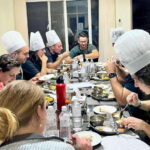
I especially like that the chef team guides you step by step while you’re cooking, so you’re not just watching from the sidelines. I also love that you get to customize flavors as you go—add more chili if that’s your thing, keep it mild if you’re not.
You’ll come away with a lot more variety than you’d expect for the time. Three different menus are on the table, each with four traditional Nepali dishes, so you can build an afternoon around what you’re craving. One thing to consider: the experience is described as 3–4 hours, and at least a few people note it may feel closer to 3 hours than a full 4—still excellent, just plan your schedule accordingly.
In This Review
- Key highlights to look for
- A Hands-On Nepali Menu Lesson in Kathmandu
- What You’ll Cook: Three Menus and Four Dishes Each
- The Step-By-Step Kitchen Flow (and How You Control the Heat)
- Momos, Lunch, and the Part Where You Actually Eat
- Ingredient Shopping Stops: What Usually Happens, and When It Might Change
- Timing and Logistics: Plan for a Tight, Focused Afternoon
- Price and Value: Why This Class Feels Like a Bargain
- What the Teaching Team Experience Actually Feels Like
- Who Should Book This Class (and Who Might Not)
- Tips to Make Your Afternoon Smoother
- Should You Book This Kathmandu Cooking Class?
- FAQ
- How long is the Kathmandu cooking class?
- Is hotel pickup and drop-off included?
- What meals and drinks are included?
- Do I need prior cooking experience?
- What languages is the instructor?
- What should I bring, and what is not allowed?
Key highlights to look for
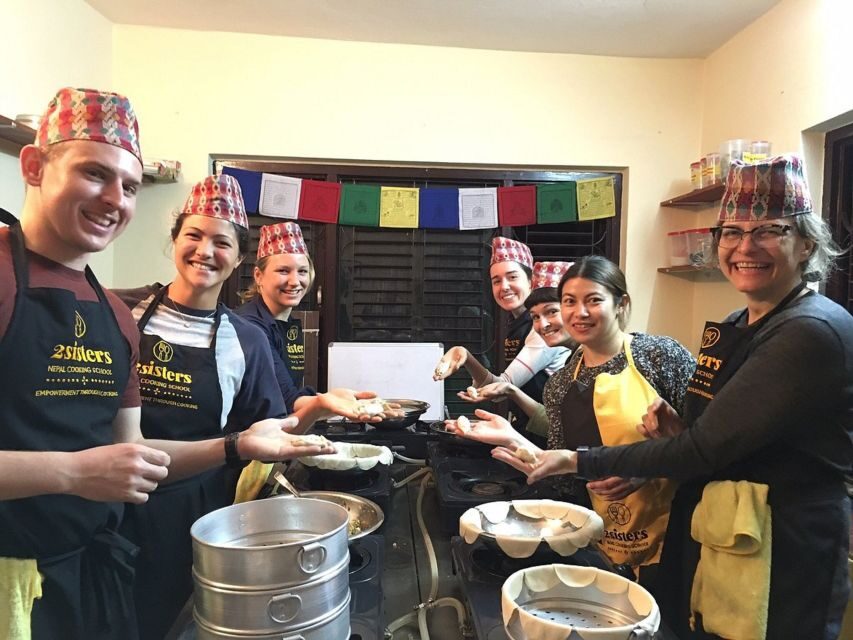
- Three menu options with multiple Nepali dishes, so you can pick your favorites
- Hands-on cooking with an English/Hindi instructor guiding you step by step
- Cook, then eat fresh while the dishes are hot
- Nepali momos included, so you get a true Kathmandu staple
- Lunch and masala tea included, making it feel like a complete meal experience
A Hands-On Nepali Menu Lesson in Kathmandu
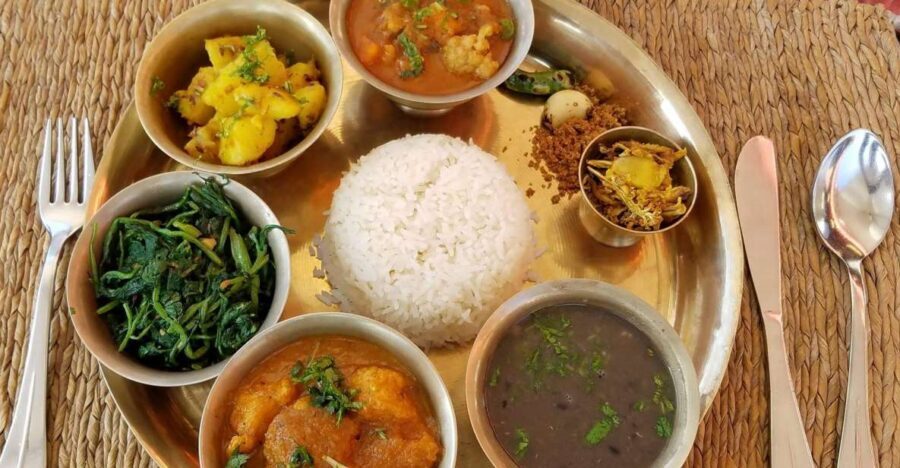
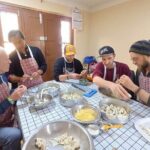
This is the kind of activity that fixes a common travel problem: you want to taste real local food, but you don’t want to guess your way through recipes and ingredients. Here, you cook alongside a guide, learn what makes Nepali flavors work, and then eat what you made—while it’s still hot.
You’ll spend a focused stretch in the kitchen in Bagmati Zone, Kathmandu, and the format is simple. You’re not expected to be a chef. You’re expected to show up hungry, follow instructions, and adjust seasoning to your taste.
The big appeal for me is how practical it is. Instead of getting only a description of Nepali cuisine, you learn by doing—especially when the instructor has you working through one dish at a time. And because momos are included, you’re guaranteed a Nepal classic, not a “maybe you’ll like this” gamble.
You can also read our reviews of more cooking classes in Kathmandu
What You’ll Cook: Three Menus and Four Dishes Each
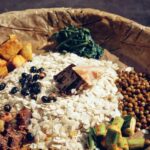
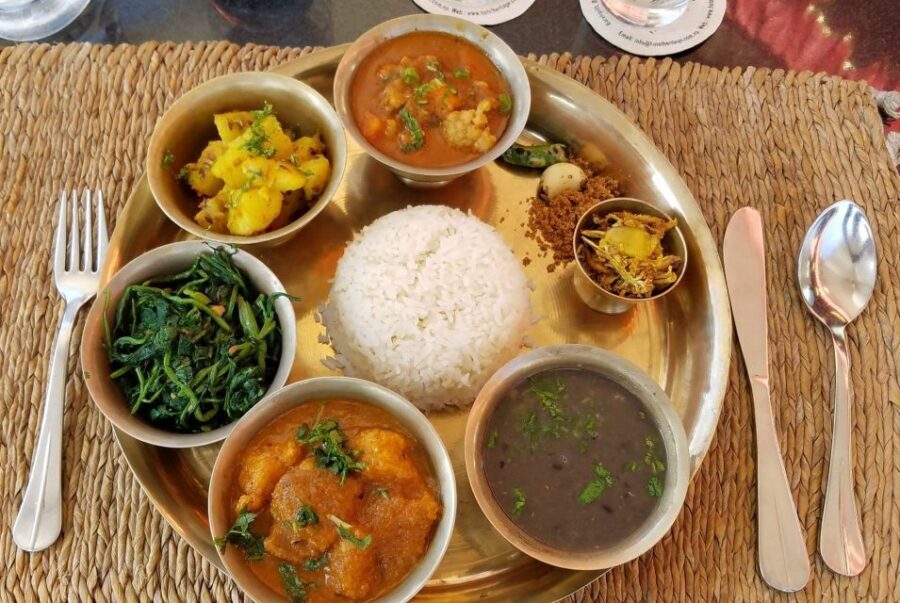
The class is built around three different menus, and each menu includes four traditional Nepali dishes. That structure matters because it keeps the experience varied without overwhelming you. You’re cooking multiple items, but the class stays coherent—each menu is a set, and you move through it with the kitchen team.
Since the ingredient list isn’t just one or two staples, you get a real feel for how Nepali cooking balances flavor. You’ll see how spice levels, salt, and other seasoning choices change the final dish, not just the heat. This is why the menu approach works so well for first-timers: you can choose based on what sounds most appealing.
If you’re a food person, you’ll probably enjoy this format even more. It’s the opposite of a “single-recipe” class where you leave with one trick. Here you’re learning a wider base, and that makes it easier to recreate flavors later.
The Step-By-Step Kitchen Flow (and How You Control the Heat)
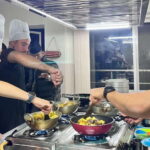
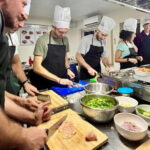
One of the best parts is the way the class is guided. The instructor walks you through each dish, and you handle the cooking tasks yourself. This is especially helpful if your cooking background is basically zero. You’re given direction at the moment you need it—rather than getting a lecture and hoping you remember later.
There’s also a clear rhythm: you cook one course and then enjoy it fresh and hot. That means you get instant feedback. If something tastes too spicy, you can adjust next time. If it needs more salt or punch, you learn how seasoning changes the outcome.
The customization element is genuinely useful. The class encourages you to adjust flavors as you cook—love chili? Add more. Prefer mild? Keep it light. That’s not just a nice gesture; it teaches you how to manage heat and balance, which is what you’ll want if you ever cook Nepali food at home.
Momos, Lunch, and the Part Where You Actually Eat
It’s easy for a “cooking class” to become mostly cooking and barely eating. Here, the experience is built around eating what you make. Lunch is included, and masala tea is part of the drink plan, with hot drinks included as well.
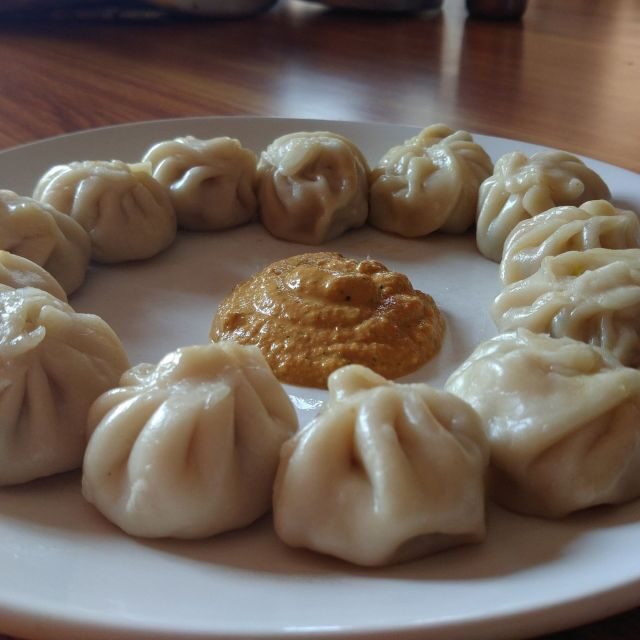
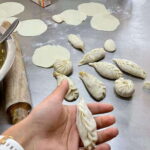
And yes, momos are included—so you’ll likely end up with that satisfying mix of textures: dumpling chew, spiced filling, and a sauce or seasoning component that pulls everything together. Even if you’re new to Nepali cuisine, this is one of the foods that tends to make people feel like they’ve landed in the right place.
Because you’re eating fresh and hot right after cooking each course, the flavors don’t have time to fade. You’ll taste what you did while the dish is at its best, which is exactly when you’re most likely to learn.
Ingredient Shopping Stops: What Usually Happens, and When It Might Change
Some versions of this type of class include a quick ingredient shopping step, and at least part of the experience can involve seeing fresh items before you cook. That’s a smart touch because it gives you context for what you’re working with—especially in Nepali kitchens where spice mixes, aromatics, and fresh produce matter.
That said, there’s a real-world variable. During festival season, access to certain market or shopping stops may be limited. So if your trip overlaps with major holidays, don’t be surprised if you end up with less of a shopping element than you might expect. The core cooking and meal portion is still the point, and that part stays central.
Practical takeaway: if you care a lot about market atmosphere, plan your timing with festivals in mind. If you just want a great cooking lesson and a full Nepali lunch, you’re still set.
A few more Kathmandu tours and experiences worth a look

Timing and Logistics: Plan for a Tight, Focused Afternoon
The stated duration is 4 hours, and the class is described as 3–4 hours. That range is important. In practice, this kind of class often feels like a tight sprint: cooking takes time, but you’re also rotating through ingredients, instruction, and eating. If you’re scheduling right after, keep buffer space.
Hotel pickup and drop-off are included. You’ll meet a representative at your hotel lobby about five minutes before pickup time. That’s not the time to wander off to grab a snack. Keep your phone handy, be ready, and help your driver find you easily.
Also, the class has a practical rules list. You should bring a camera, comfortable clothes, and cash. Luggage or large bags aren’t allowed, so travel light for this one. Think small day bag, not the whole suitcase.
Price and Value: Why This Class Feels Like a Bargain
The price is listed at about $2.15 per person, which is extraordinarily low for a structured, hands-on food experience. On top of that, this class includes several things that normally cost extra:
- Hotel pickup and drop-off
- An expert cooking instructor
- Ingredients and equipment
- Lunch
- Masala tea
When you total that up, the value equation changes fast. Most cooking classes charge for labor and ingredients, and a lot still make you pay for the meal. Here, you’re paying for instruction plus food, with drinks included, and the logistics handled.
The only caution is the time range. If the class runs closer to 3 hours, that doesn’t reduce the value much, but it does affect how you budget your day. If you’re expecting a slow, all-day cooking vibe, that’s not the format. You’re getting a concentrated kitchen experience, and that concentration is part of what makes it such good value.
If you’re on a budget in Kathmandu, this is the kind of activity that makes sense because it’s meal-based. You’re not paying just to learn; you’re paying to eat well and learn something you can repeat.
What the Teaching Team Experience Actually Feels Like
From the feedback patterns, the class vibe centers on friendly, helpful guidance. People highlight that the team is funny, kind, and warm, and that the teaching works even if you don’t know what you’re doing.
That’s not fluff. A supportive kitchen matters. Cooking classes can either feel like a test or like a collaborative lesson. Here, the tone seems designed to reduce stress: you get instruction, you’re allowed to ask questions, and you build confidence dish by dish.
You’ll also likely interact with more than one person in the kitchen setup—often a main instructor plus a support helper. That matters because in busy cooking moments, someone can step in quickly. If you miss a step, you’re not stuck. Someone helps you get back on track.
Who Should Book This Class (and Who Might Not)
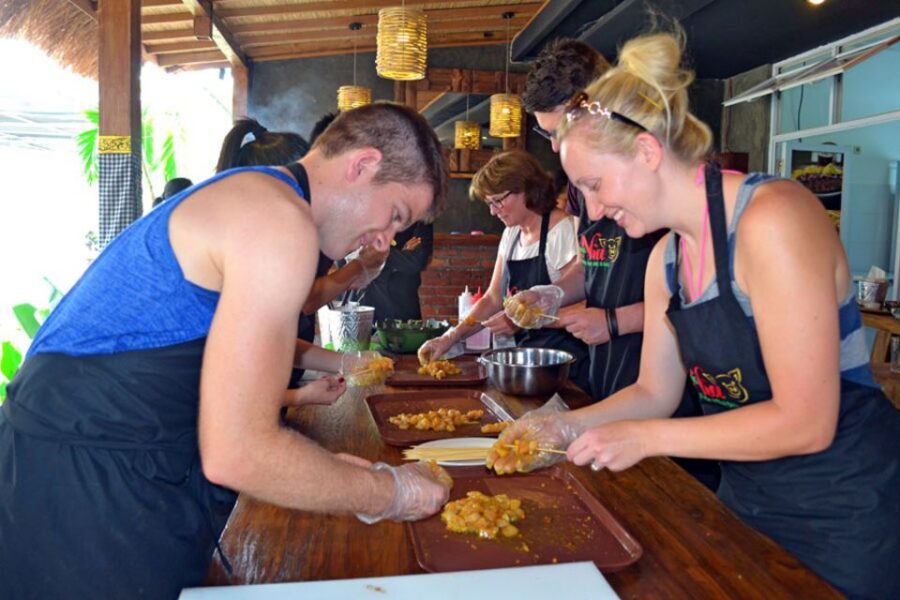
This activity fits best if you want an authentic Nepali-food experience that’s active, not passive. If you’re the kind of traveler who likes to learn through your hands—chopping, mixing, tasting, adjusting—you’ll likely have a great time.
It’s also a good choice if you’re traveling with friends or family and want something that doesn’t require special skills. The class specifically says no prior cooking experience is needed, and that’s crucial if you’re traveling with mixed cooking comfort levels.
Who should skip it or rethink it:
- Children under 5 aren’t suitable.
- People with mobility impairments aren’t listed as suitable for this activity.
- If you’re uncomfortable with a kitchen setting where you may be standing or moving around during cooking, you’ll want to consider that before booking.
If you’re simply hungry for a real Kathmandu lunch and you’d like to understand what makes Nepali food taste the way it does, this is a strong match.
Tips to Make Your Afternoon Smoother
A few practical moves can make a big difference:
- Wear comfortable clothes. Kitchen spaces can be warm, and you’ll be working.
- Keep your bag small. Luggage or large bags aren’t allowed.
- Bring cash. You may need it for small extras, and the class notes cash as a bring item.
- Bring your camera. You’ll want photos of the food you helped make.
- Come with a spice preference in mind. When the instructor asks how you like it, you’ll get more from the customization moment.
And for timing: keep the rest of your afternoon flexible. Even though it’s scheduled, the cooking and eating flow is the real driver of pace.
Should You Book This Kathmandu Cooking Class?
I’d book it if you want a fun, hands-on way to eat Nepali food properly—especially if you care about momos, you want lunch included, and you like learning through doing. The menu structure gives you variety, and the flavor-adjustment approach helps you leave with practical knowledge instead of just photos.
I’d think twice if your schedule requires an exact 4-hour cooking block, since the experience can feel closer to 3 hours. Also skip it if mobility is an issue or if you’re traveling with a child under 5.
If your goal is simple—cook, taste, learn, and go home with a fuller understanding of Nepali cuisine—this one is a good match for your Kathmandu day.
FAQ
How long is the Kathmandu cooking class?
The class is listed as 3–4 hours, with a duration of 4 hours shown for booking.
Is hotel pickup and drop-off included?
Yes. Pickup and drop-off are included, and you should be ready in your hotel lobby about 5 minutes before the scheduled pickup time.
What meals and drinks are included?
Lunch is included, along with masala tea and hot drinks.
Do I need prior cooking experience?
No. The class is designed so you don’t need prior cooking skills.
What languages is the instructor?
The instructor speaks English and Hindi.
What should I bring, and what is not allowed?
Bring a camera, comfortable clothes, and cash. Luggage or large bags are not allowed.