REVIEW · POKHARA
Pokhara: 4-Day Beautiful Ghorepani Poon Hill & Ghandruk Trek
Book on GetYourGuide →Operated by Welcome Nepal Treks P.Ltd · Bookable on GetYourGuide
A morning view from Poon Hill is pure payoff. This 4-day trek pairs teahouse-hut comfort with short, doable hikes through Magar and Gurung village life, plus big-sky mountain views that feel close enough to touch.
I love that the route mixes classic Annapurna-style scenery with real stops in places like Ulleri and Ghandruk, not just trail time. I also love the human touch: guide Tanka’s English, his calm pace, and the way he looks after you so you actually enjoy the walk. One drawback to plan for: you’ll skip trekking meals—breakfast, lunch, and dinner are on you at the teahouses.
In This Review
- Key things to know before you go
- Why Poon Hill and Ghandruk work so well in just 4 days
- Getting to Birethanti: the Pokhara start that sets the tone
- Day 1 to Ulleri: the first climb, the first village night
- Day 2: stone steps to Ghorepani and the Annapurna–Fishtail show
- Day 3 sunrise at Poon Hill, then rhododendron to Tadapani
- Day 4: Ghandruk village atmosphere and a viewpoint lunch
- Price and value: what the $164 gets you (and what you still pay for)
- The guide experience with Tanka: pacing, English, and practical care
- What it actually feels like: pace, stairs, and altitude reality
- Where you’ll sleep: teahouses, warm meals, and basic comforts
- Packing list that matches the trek you’ll do
- Who this trek suits best (and who should skip it)
- Should you book this 4-day Ghorepani Poon Hill and Ghandruk trek?
- FAQ
- Is hotel pickup and drop-off included?
- How many nights will I sleep during the trek?
- Are meals included during the trek?
- What’s included in the price?
- Do I need a porter?
- Is the trek suitable for everyone?
Key things to know before you go
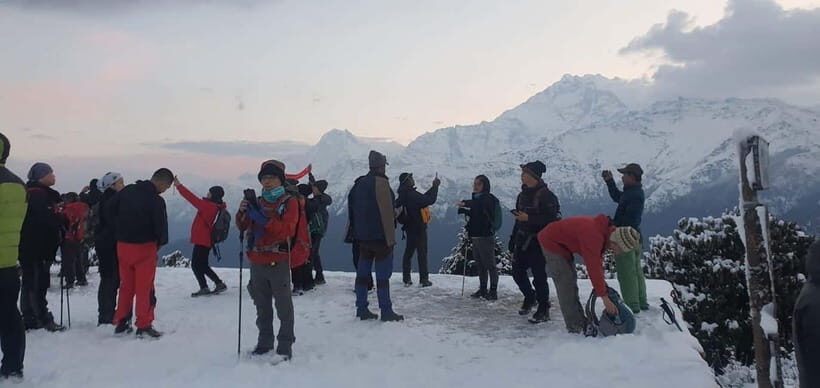
- Poon Hill sunrise: an early start, but it’s the moment the whole trek is built around
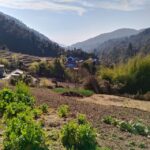
- Rural village rhythm: Ulleri and Ghandruk give you farming terraces and thick village atmosphere
- Short-but-steady days: lots of stair climbing, so comfortable shoes matter more than you’d think
- Teahouse stays: you sleep in basic lodges with food and services that can include warm water and even wifi
- Guide Tanka: strong English, mountain knowledge, patient pacing, and help with photos
Why Poon Hill and Ghandruk work so well in just 4 days
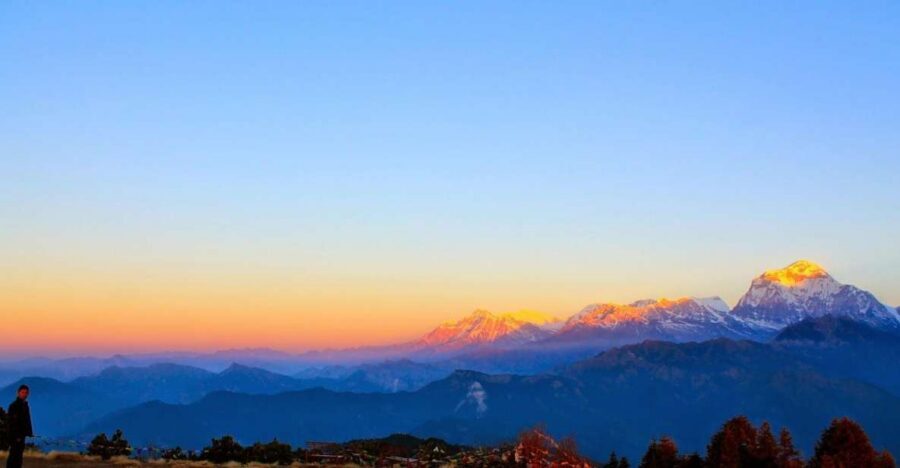
This is the kind of trek that fits real life. Four days means you get the Annapurna region’s headline moments—especially Poon Hill—without committing to weeks on the trail. The walking days are full enough to feel like a trek, but the route is broken into manageable segments with teahouse breaks along the way.
The bigger win is the balance of mountain drama and village character. You’re not just looking at peaks; you’re also walking through terraced farming areas and staying overnight in village lodges where daily life still runs on simple routines—food, warmth, and a place to rest.
And yes, the views are the main reason most people come. But the experience is more than photos. The way the trek moves from Birethanti up to Ghorepani and then down into Ghandruk gives you that satisfying change of pace: altitude mornings, ridgeline hiking, then a calmer village afternoon.
You can also read our reviews of more hiking tours in Pokhara
Getting to Birethanti: the Pokhara start that sets the tone
Your day begins in Pokhara with hotel pickup. You’ll ride about an hour to Birethanti, the trail’s starting point. That drive matters more than it sounds, because it gives you a gentle transition from city to mountain without feeling dropped into a chaos schedule.
Pickup is timed so you’re not scrambling. Your guide meets you at your hotel lobby or the entrance of your residential apartment in Pokhara about 5–10 minutes before pickup time. It’s a small detail, but it helps a lot—especially if you’re trying to remember what you packed and where your passport/ID copy is.
From Birethanti, the trek begins immediately with uphill walking through a chain of teahouses and scenic sections. This is a good warm-up phase: you’re not starting with a steep punishment; you’re starting with gradual altitude work that builds into the bigger climbs later.
Day 1 to Ulleri: the first climb, the first village night
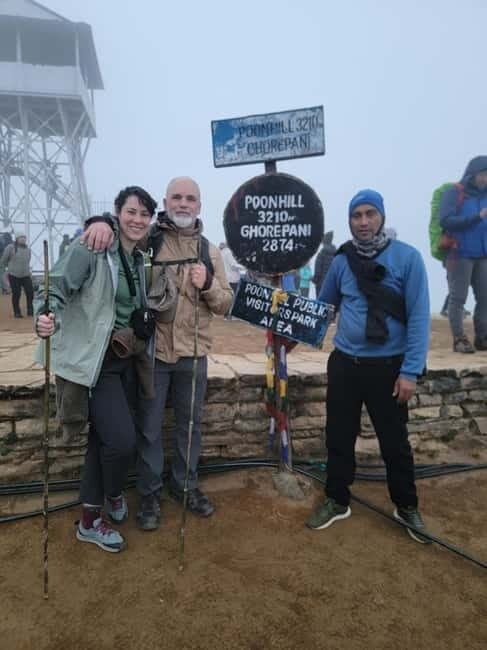
On the first trekking day, you’ll hike from Birethanti up toward the Magar village of Ulleri, with about two hours of ascent before your first overnight stop. Along the way, you’ll pass teahouses and the kind of scenery that makes you slow down without trying. It’s the start of your “mountains are close” phase.
Why Ulleri is a smart choice for night one: it’s a village stop that feels lived-in. You’re not just sleeping somewhere with views—you’re arriving where people actually live and farm. That makes the whole trek feel more grounded.
You’ll also start learning the trail rhythm. The Annapurna region is famous for stair sections and zigzags, and even on day one you’ll feel how walking here is less about speed and more about steady foot placement and breathing control. If you’re new to trekking, day one is the day to set your pace.
Day 2: stone steps to Ghorepani and the Annapurna–Fishtail show
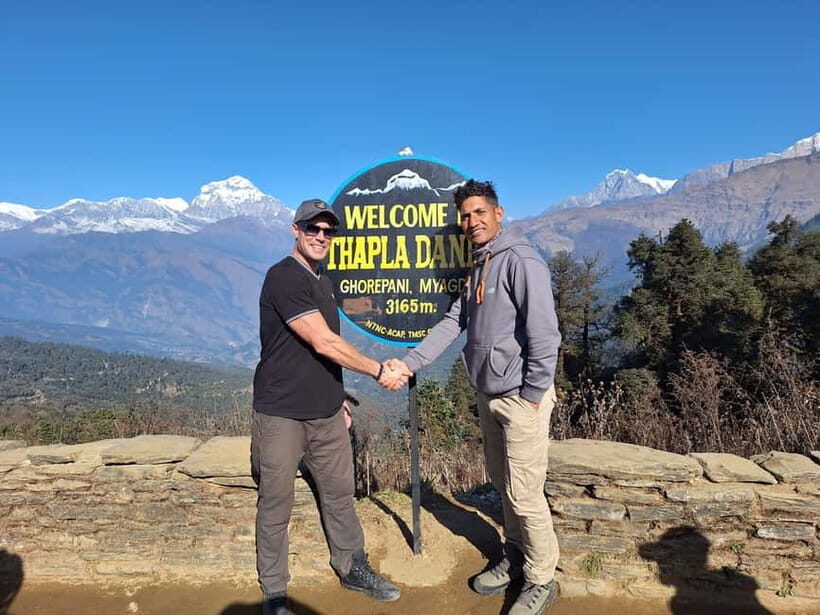
Day two is your longer walking day, with roughly six hours on the trail and a few distinct changes in scenery. You’ll trek through stone steps, and as you climb, you’ll notice the air shift and the terrain get more alpine. There’s a strong “working for the view” feeling here because the best panoramas come while you’re still climbing.
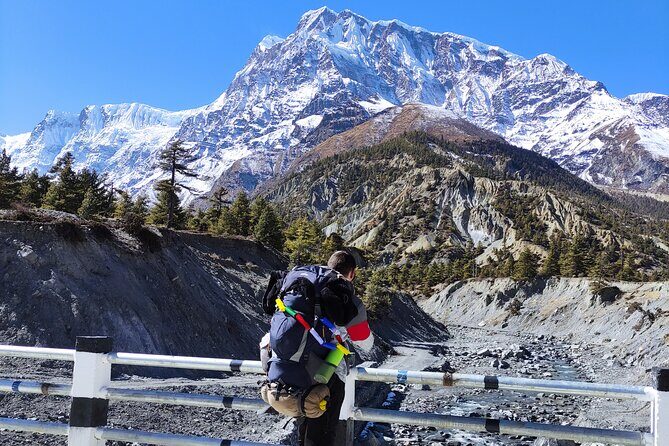
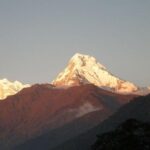
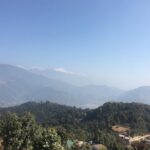
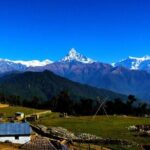
You’ll be able to admire Annapurna and also Mt. Fishtail while ascending. These are the kinds of landmarks you can keep mentally bookmarking—then later, when you see them again from higher ground, it feels like your brain is mapping the mountain world in real time.
Teahouses on the route are frequent enough to take breaks without losing momentum. You’ll stop for a rest and fuel, then continue until you reach Ghorepani to sleep for the night.
Ghorepani is also the place where you start getting the “deep valley” effect. When you look down, the scale is hard to describe until you’re standing there watching layers of terrain fade away.
A practical note: since meals during the trek aren’t included, plan to budget for breakfast, lunch, and dinner at the lodges. On day two, choosing something warm and filling matters because day three starts early.
Day 3 sunrise at Poon Hill, then rhododendron to Tadapani
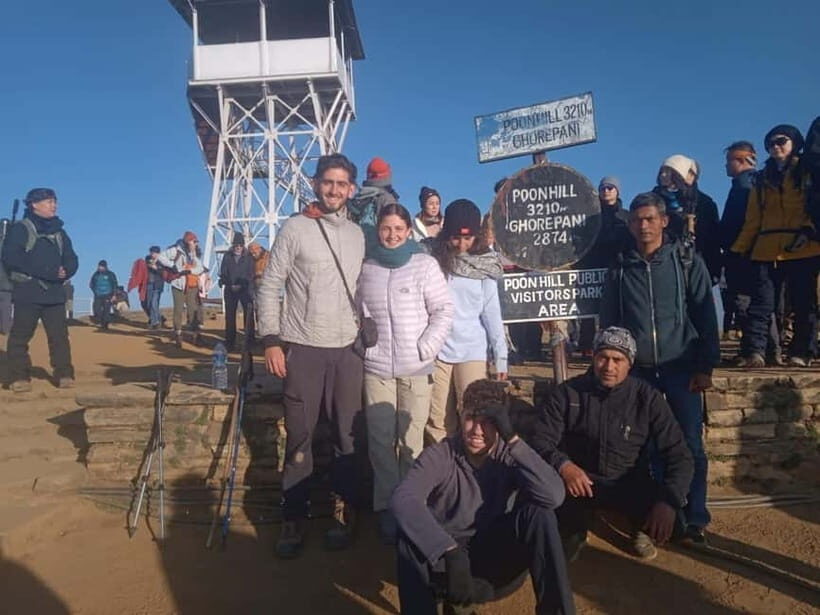
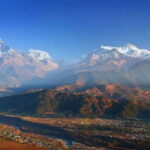
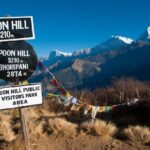
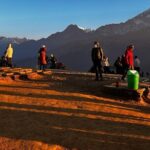
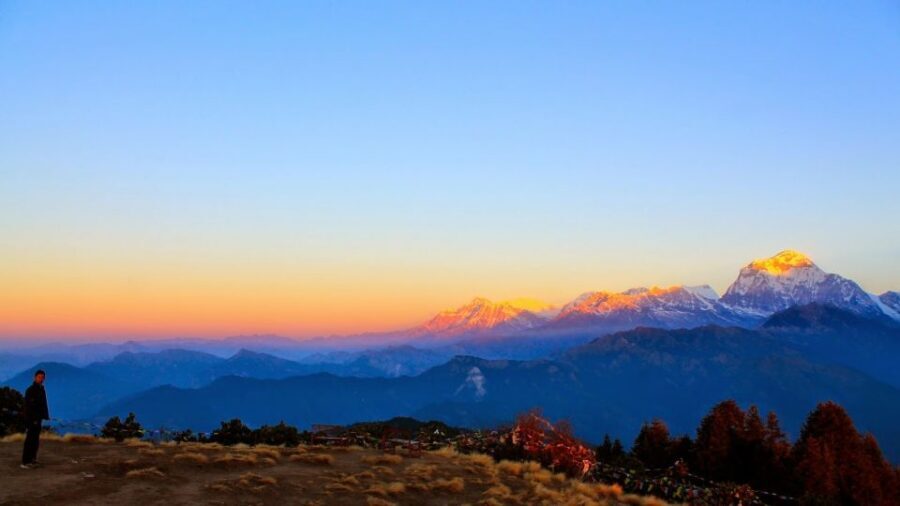
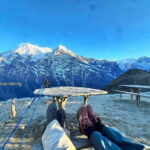
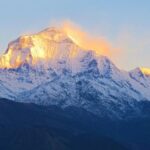
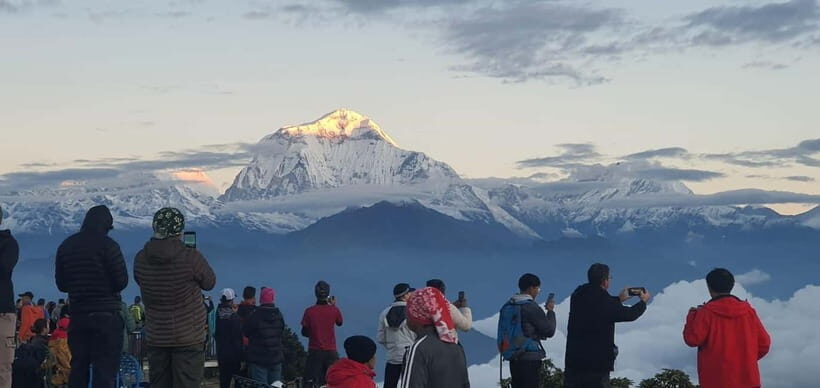
This is the day everyone talks about, and for good reason. You’ll rise early to watch sunrise from Poon Hill. The payoff is the sun lighting up a cluster of peaks—your view can cover around 15 mountain peaks, including the dramatic spread of the Annapurna region.
This isn’t just a pretty moment. It’s a “clock reset” for the whole trek. After sunrise, you have energy. Even if you’re tired from the early start, the morning view gives you the kind of motivation that makes the rest of the day feel lighter.
After the sunrise, you’ll descend back toward Ghorepani and then continue on. The hike takes you through a rhododendron forest, and that change from open ridges to trees helps your legs and your eyes. You’re moving across ridgelines, then pushing onward to Tadapani, where you’ll spend another night at a teahouse lodge.
Why Tadapani is a good day-three finish: it’s far enough from the sunrise crowd to feel more like a true trail day, and it sets you up for a gentler landing into the village of Ghandruk on day four.
A few more Pokhara tours and experiences worth a look
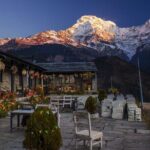

Day 4: Ghandruk village atmosphere and a viewpoint lunch
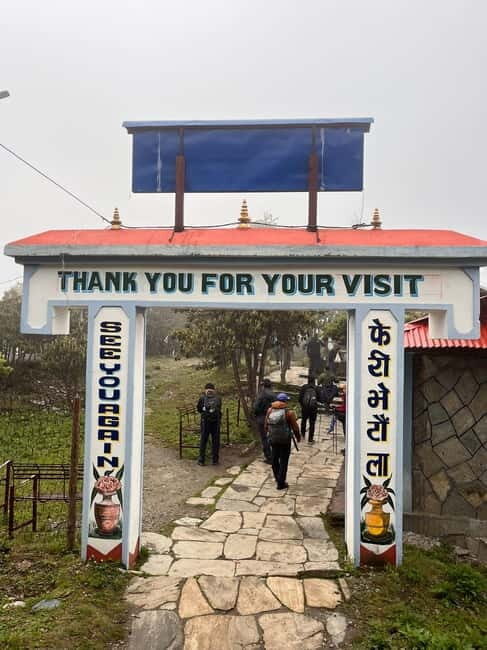
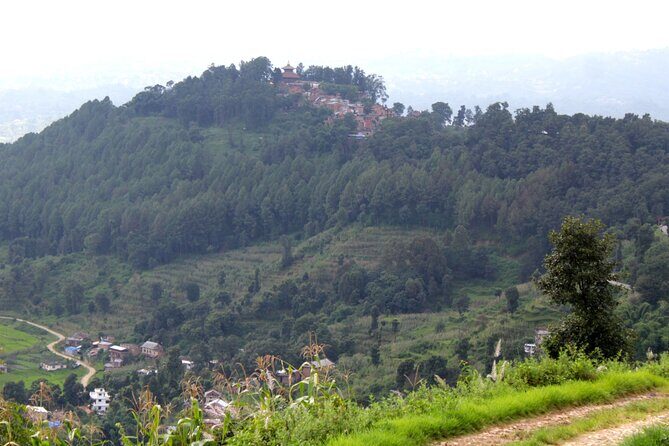
Your last day becomes more about people and place than sheer elevation. You’ll take a short descent to Ghandruk, a charming mountain village where you’ll wander streets lined with thatch and slate roof houses and farming terraces. It feels like the trek turns into slow travel: fewer hard climbs, more time to look around and take in how life is organized on steep ground.
You’ll stop for lunch at a viewpoint, with views of Annapurna South and Huinchuli. This lunch break isn’t just food; it’s a final “peaks check” before you finish. After lunch, you’ll keep trekking for about one more hour, then catch a ride back to Pokhara for drop-off at your hotel.
That ride back is part of the value of a well-timed trek. You don’t end the experience with a long, stressful journey. You’re tired, yes, but you’re done enough to enjoy the comfort of being back in town.
Price and value: what the $164 gets you (and what you still pay for)
At about $164 per person, this trek is priced like a guided, service-heavy mountain experience rather than a DIY hike. Here’s what’s included:
- Hotel pickup and drop-off in Pokhara
- 3 nights accommodation during the trek
- All ground transportation
- Permits and taxes
- A guide plus a first-aid kit
- A water purification tab
What’s not included:
- Trekking meals and drinks (breakfast, lunch, dinner)
- Travel insurance
- Porter service
So the real question isn’t just the sticker price. It’s whether you want to spend time organizing permits, coordinating guides, and managing logistics. If you want a smooth experience with a guide who knows the route and can keep your pace comfortable, this price can feel fair.
Where you’ll want to plan extra budget is food. Since meals aren’t included, your daily spend depends on what you choose at the teahouses. I’d set aside a comfortable amount so you can eat warm meals without stressing.
Also think about insurance. It isn’t optional in spirit—mountain trekking is a place where having coverage matters. If you already have travel insurance, check that it covers trekking at the altitude and terrain you plan to walk.
The guide experience with Tanka: pacing, English, and practical care
The most praised part of this trek is the guide. In particular, Tanka (sometimes spelled Tonka) shows up in multiple accounts as the difference-maker.
Here’s what that means in real life on the trail:
- He adapts pace so first-time trekkers don’t feel crushed
- His English is strong, which helps with both explanations and comfort
- He knows the mountains and can answer questions without making it awkward
- He gives space when you want quiet and time for photos
- He’s attentive about whether you’re eating and drinking enough
- He can even help with photos, which is a nice bonus because you won’t have to juggle your camera while you’re climbing
That combination matters. A trek isn’t just about walking distance. It’s about how you feel while walking—whether you’re rushing, freezing, or second-guessing yourself. A guide who manages the pace and the little wellbeing details makes the difference between a stressful trip and one you’ll want to repeat.
What it actually feels like: pace, stairs, and altitude reality
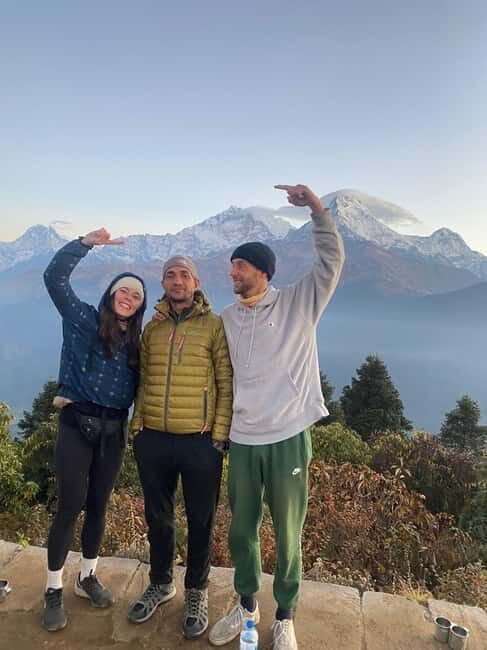
Even though this is a short trek on paper, the walking includes stone steps and steady uphill sections. That means you need shoes you trust and socks that won’t leave your feet angry.
The good news: the trek is structured with breaks at teahouses along the way. You’re never just climbing until you collapse. But you should still expect a workout. Day two in particular is longer, and day three has the early wake-up for Poon Hill.
If you’re not used to uphill walking, treat the climb like a breathing exercise. Walk slower than you think you need to. That keeps you warmer and helps your stamina last through the whole day.
Also remember: you’re walking in a mountain climate, even if it feels sunny. Carry layers. Pack for cool mornings and warmer afternoons, especially around sunrise time.
Where you’ll sleep: teahouses, warm meals, and basic comforts
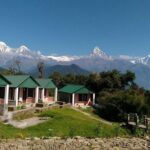
This trek is built around teahouses—simple lodges with food and a place to rest. Expect basic comfort, not luxury. The prize is the location: you sleep where you can get up early without extra travel.
Based on what people emphasized, the teahouses can be surprisingly welcoming. You can find lodges with good food and warm water, and in some cases even wifi. That’s not guaranteed everywhere, but it’s clearly part of what makes the nights comfortable enough to enjoy.
Bring patience for the mountain version of hospitality. It’s not a hotel. But it’s the kind of place where a guide like Tanka helps you pick solid options along the route.
Packing list that matches the trek you’ll do
The route asks for practical trekking gear. You’ll want:
- Comfortable trekking shoes (and socks you know work)
- Sunglasses and a sun hat
- Sunscreen
- A light daypack
- Warm layers (a jacket helps, especially early)
- Change of clothes, toiletries, and a towel
- Mosquito repellent
- Toilet paper
- A camera (and space for it in your day bag)
- A passport or ID card
There’s also a paperwork detail that trips some people up: you must bring a scanned copy of your passport and a passport-sized photo. Don’t leave that for the last minute.
The tour suggests bringing two t-shirts, long pants, shorts, and personal hygiene products. I’d take that guidance seriously because even short treks can leave you sweaty on climb days, then cold on sunrise mornings.
Who this trek suits best (and who should skip it)
This trek is ideal if you want:
- A guided experience with a strong English-speaking guide
- Short hikes that still feel like you worked for the views
- Village culture stops in addition to mountain scenery
- Teahouse nights with practical comforts like warm meals and warm water
It may not suit everyone. It’s not suitable for pregnant women or people with heart problems, based on the activity’s guidance.
If you’re generally healthy and comfortable walking uphill for multiple hours, this route is a good “first major trek” option. It’s also a solid choice if you don’t want porter service but do want help with permits, logistics, and pacing.
Should you book this 4-day Ghorepani Poon Hill and Ghandruk trek?
If your dream trip includes sunrise views, real village streets, and a guide who takes care of pacing and comfort, I think you’ll be happy with this one. The value is strong for what’s included—pickup, permits, a guide, and 3 nights in teahouses—plus the guide experience with Tanka is a standout advantage.
Skip it if you’re not comfortable with early mornings, uphill stair walking, or if you fall into the health limitations listed by the operator. And if you hate budgeting for meals on the go, remember that trekking meals and drinks are not included, so plan for that cost.
If you want my quick decision rule: book it when you want the classic Annapurna highlights in a short format—and you want the trail experience guided, not DIY.
FAQ
Is hotel pickup and drop-off included?
Yes. You get pickup from your hotel in Pokhara, and you’re also dropped back at your hotel at the end of the trek.
How many nights will I sleep during the trek?
You’ll spend 3 nights in accommodation during the trek.
Are meals included during the trek?
No. Meals and drinks during the trek (breakfast, lunch, and dinner) are not included.
What’s included in the price?
The price includes hotel pickup/drop-off, 3-night accommodation, all ground transportation, all permits and taxes, an English-speaking guide, a first-aid kit, and water purification tabs.
Do I need a porter?
Porter service is not included. If you want one, you’d need to arrange it separately.
Is the trek suitable for everyone?
No. It’s not suitable for pregnant women or for people with heart problems. The activity also has a note that you must bring a scanned copy of your passport and a passport-sized photo.