REVIEW · POKHARA
Upper Seti: Half-Day White Water Adventure
Book on Viator →Operated by Rafting Adventure Nepal · Bookable on Viator
Whitewater hits fast in Pokhara’s mountains. This half-day private run on the Upper Seti River focuses on Grade III–IV rapids with a real guide in your raft, so you get the thrill without guessing what to do. You also get the small-but-smart bonus of complement photos, which means you can enjoy the action instead of worrying about your phone.
I like that the company keeps the experience controlled, even when the river gets technical: a seasoned guide handles paddling cues and timing. The main drawback to plan around is that the trip is weather-dependent, and you’ll want to have your own emergency medical coverage since insurance isn’t included.
In This Review
- Key highlights you should care about
- Upper Seti Rapids: What Grade III–IV Really Means on the Water
- The half-day schedule: How your time in Pokhara gets used
- Your private rafting setup: Guide, group size, and the comfort level
- River sections: Rapids, bouncy water, and gorge calm
- The main action: narrow, bouncy, continuous rapids
- Between the chaos: peaceful gorge floats and scenery breaks
- Photos included: How to enjoy the splash without sacrificing your phone
- What you’ll need to bring (and what the trip won’t cover)
- Price and value: Why $45 can make sense for Pokhara
- Who should book this Upper Seti rafting trip
- Weather and safety: The practical realities you can’t skip
- Should you book Upper Seti half-day rafting in Pokhara?
- FAQ
- Is this tour private?
- How long does the Upper Seti rafting last?
- What rapid level should I expect?
- Does the tour include transportation and pickup?
- What’s included in the price?
- What should I bring?
- What if the weather is poor?
Key highlights you should care about
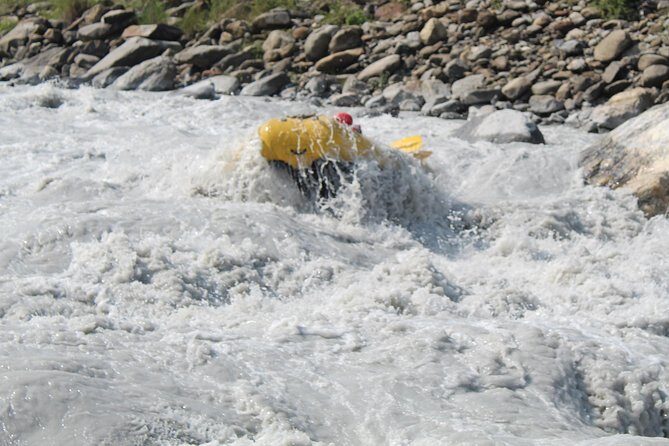
- Grade III–IV excitement on a narrow, bouncy river stretch in the Upper Seti
- A seasoned guide in the raft who coaches paddling for both beginners and experienced rafters
- Private tour just for your group, not a mixed-people cattle run
- Included photos so you can keep your phone safely out of the splash zone
- About 1.5 hours on the active rafting sections within a ~4-hour half-day outing
- Private round-trip transportation from your Pokhara Valley base, saving you time and hassle
Upper Seti Rapids: What Grade III–IV Really Means on the Water
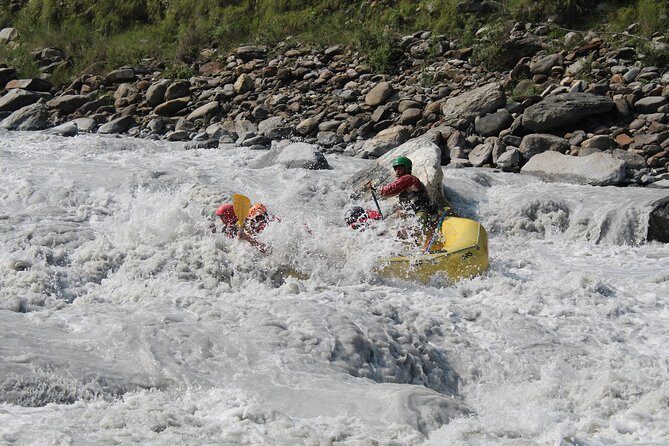
Upper Seti rafting earns its reputation because it is not a lazy float. You’ll be working through continuous, technical rapids on a narrow stretch of river where timing matters and the current keeps moving you along. In practice, that means you’re not just holding on and hoping for the best. You’ll paddle when the guide says paddle, and you’ll adjust fast when the raft bumps and turns.
The Grade III–IV label also helps you set expectations for intensity. Grade III is where the river starts asking real attention: more force, more maneuvering, and less room for in-the-moment mistakes. Grade IV is where the river feels powerful and more demanding, even if the guide keeps the line and strategy sensible.
The good news: this is not set up as a stunt for hardcore athletes only. The experience is designed to be doable with coaching, so even if you’re new to rafting, you can still participate. If you’ve never paddled before, your goal is simple: listen, paddle when cued, and don’t fight the raft. That approach is usually what keeps things fun and not scary.
A few more Pokhara tours and experiences worth a look
The half-day schedule: How your time in Pokhara gets used
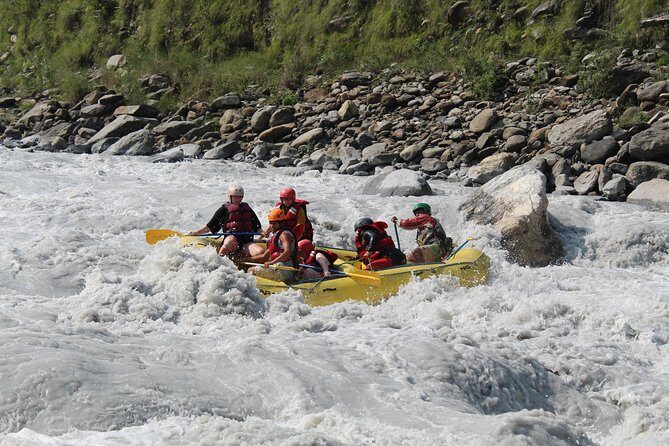
This is a ~4-hour outing, and it’s structured like a true half-day activity. You’re not stuck on a long excursion from morning until evening. That matters in Pokhara, where you may also want time for lakeside downtime, a sunrise view, or a normal meal that isn’t eaten on the go.
A typical flow looks like this:
- Pickup from your Pokhara Valley base (you’re offered pickup, and round-trip transport is part of the package)
- Getting suited up and getting briefed by your guide before you hit the river
- ~1.5 hours of actual rafting in the main sections with the rapids
- Floating between rapids through calmer stretches and gorges
- Return transfer back toward your starting area
That split is important. The rapids are the headline, but the calmer stretches are what make the whole thing feel balanced. Between the harder water, you float through more peaceful gorge sections, so you can breathe, look around, and catch your photos. You’ll still be in the “rafting mood,” but you won’t feel like you’re fighting for your life the whole time.
Your private rafting setup: Guide, group size, and the comfort level
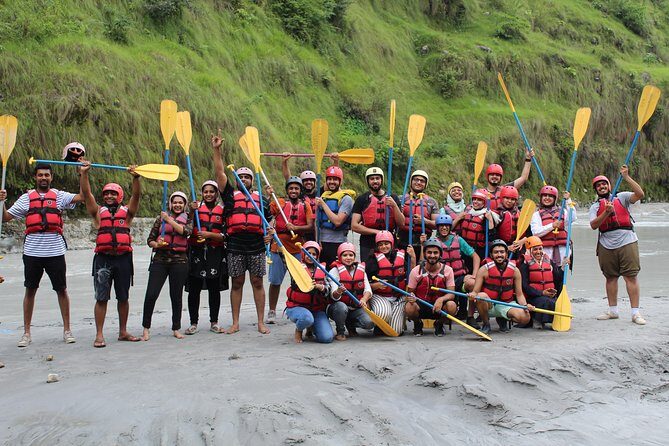
This is a private tour just for your group. That changes the vibe immediately. You’re not waiting for other people, and you’re not stuck watching strangers learn the basics in real time. Your guide can tailor the coaching to the pace and comfort level of your group.
The guide’s role is also very direct. A seasoned guide joins your raft and provides guidance on when and how to paddle. That’s the difference between rafting as chaos and rafting as skill-building. You’ll know what you’re doing when you hit the busy water, not after you’re already in it.
One detail I really like for first-timers: you’re not being left behind. You can participate even if you’re new, as long as you listen and paddle when instructed. The best way to enjoy Grade III–IV water is not to overthink. Your job is to follow instructions and keep your body relaxed. The guide handles the river-reading and the line choice.
River sections: Rapids, bouncy water, and gorge calm
The Upper Seti route is basically two moods.
The main action: narrow, bouncy, continuous rapids
You’ll spend about 1.5 hours tackling rapids that are described as continuous and technical. Expect a narrower flow where the raft feels more reactive to the current. Bouncy water is part of the deal, so your body will move with the raft more than on calmer trips.
Technical rapids also mean there’s less “drift time.” You’ll be moving through features that require quick paddling and coordinated raft positioning. This is where you’ll feel the Grade III–IV intensity most clearly: the river pushes, you respond, and your guide keeps the raft pointed where it needs to go.

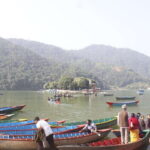
Between the chaos: peaceful gorge floats and scenery breaks
Between the harder sections, you’ll float through peaceful gorges. This is not filler time. It’s what gives you room to recover physically and mentally. It’s also when the scenery hits you harder, because you’re not focused only on paddling rhythm.
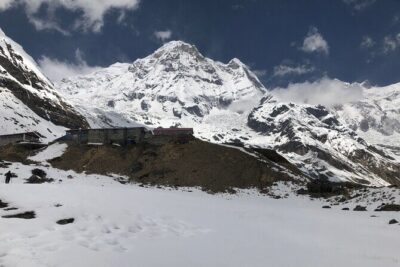
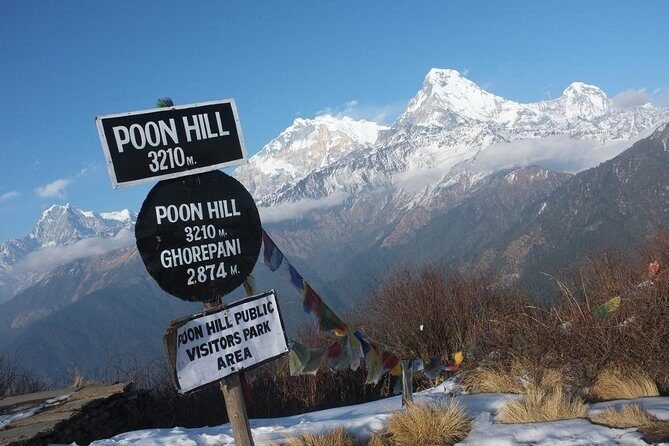
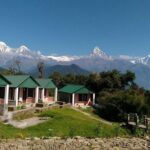
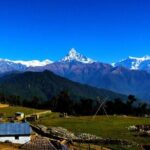
You’ll be rafting with the Annapurna mountain range in the background, and there are snow-capped peaks around you when visibility is good. Even if you don’t care about photography, this scenery break makes the adrenaline feel earned, not constant.
Photos included: How to enjoy the splash without sacrificing your phone
One of the smartest parts of this package is the complement photos. Whitewater is not gentle on electronics, and trying to manage your phone at the wrong moment is an easy way to turn a great trip into a stressful one.
With included photos, you can treat your phone like it’s a viewer, not a prop. You get documentation of the action without constantly thinking about where your device is or how wet it’s getting. That also makes the experience better in a practical way: you can focus on paddling, listening, and staying relaxed instead of juggling gear.
If you care about keeping memories, this is a high-value add. Photos are one of those costs people often end up paying for separately, and here they’re included.
What you’ll need to bring (and what the trip won’t cover)
The package includes bottled water, private transportation, and photos. It does not include key personal items you’ll want for comfort and safety.
Plan to bring:
- Appropriate footwear for wet, slippery conditions
- Swimwear and a towel (or whatever your comfort setup is)
- Personal essentials like toiletries
Also note the medical reality check: insurance isn’t included, and participants are required to have their own coverage through an emergency medical travel plan. That’s not a scare tactic; it’s a practical requirement for activities like rafting where getting help quickly matters.
If you’re the kind of person who tends to overpack, keep it simple. Bring what you need to stay comfortable before and after the ride, then accept that the river will do what rivers do.
Price and value: Why $45 can make sense for Pokhara
At $45 per person, this half-day rafting outing is priced to feel accessible, especially because it includes more than just the raft ride. You’re getting:
- Private transportation (round-trip from your Pokhara Valley base)
- Bottled water
- Complement photos
Transportation is usually where time and money leak out for half-day activities. When it’s included, you spend less effort coordinating with other people and less time figuring out logistics. That’s a real value, especially if you’re staying in the Pokhara Valley and want a clean start-to-finish plan.
The “private tour” also affects value. If you’re traveling with a small group, private rafting often costs about what you’d spend in a shared setup once you factor in the transportation and the hassle of making schedules line up.
What you’re not buying at this price is personal gear and medical insurance. But that’s pretty standard. The real question is whether you’re comfortable bringing your own footwear and having emergency medical coverage ready. If yes, this price feels fair for the included extras.
Who should book this Upper Seti rafting trip
This rafting style fits best if you want a serious river experience but also want it guided and structured.
It’s a strong match for:
- Beginners who want coaching in the raft and a guide who tells you when to paddle
- Small groups that want a private tour just for your group
- People who value scenery breaks as much as they value adrenaline
- Anyone who wants photos included so you can enjoy the moment more
If you’re an expert rafter looking only for maximum technical difficulty, you might decide it’s not long enough. The rapids run is about 1.5 hours, so it’s a taste of the river rather than a full-day challenge. But as a half-day “Pokhara must-do,” it’s a solid and efficient choice.
Weather and safety: The practical realities you can’t skip
This experience requires good weather. That means your plan should stay flexible. If weather conditions aren’t right, the trip can be canceled and you’ll be offered either a different date or a full refund.
On safety, the key point is how the guide manages the experience. The whole setup is designed so the ride stays exciting while still being controlled. You’re not thrown in without instruction. A seasoned guide provides direction, and the coaching approach is what makes the rapids feel challenging but manageable.
Finally, treat medical readiness seriously. Insurance isn’t included, and you need your own emergency medical travel plan coverage. If you already have that, you’re in a good place. If not, fix it before you go.
Should you book Upper Seti half-day rafting in Pokhara?
If you want real Grade III–IV rapids without turning your day into a logistics project, I’d book it. The private transport, private group setup, guide coaching, and included photos add up to a lot more value than a basic “show up and hope” rafting trip.
I’d hesitate only if you hate weather-driven plans or you’re not ready to bring wet-activity basics like footwear and swim gear. Also, if you need more time on the water for a full-day intensity, this one may feel short since the main rafting is about 1.5 hours.
FAQ
Is this tour private?
Yes. It’s a private tour/activity, and only your group will participate.
How long does the Upper Seti rafting last?
The total duration is about 4 hours (approx.), including time before and after the river.
What rapid level should I expect?
The Upper Seti River experience is rated Grade III–IV.
Does the tour include transportation and pickup?
Yes. Pickup is offered, and private transportation is included from your Pokhara Valley base.
What’s included in the price?
The package includes bottled water, private transportation, and complement photos.
What should I bring?
Bring appropriate footwear and personal items such as swimwear and a towel. You’ll also want toiletries if you need them.
What if the weather is poor?
This experience requires good weather. If it’s canceled due to poor weather, you’ll be offered a different date or a full refund.
If you want, tell me your group size and whether anyone is a total first-timer, and I’ll help you decide if the Grade III–IV mix is the right level for your day in Pokhara.