REVIEW · KATHMANDU
Annapurna Ghorepani Poon Hill trek from Pokhara short and easy hike in Himalaya
Book on Viator →Operated by Himalaya Holiday service Pvt. Ltd.(HHS) · Bookable on Viator
Big Himalayan views start with an easy hike. This Annapurna Ghorepani Poon Hill trek is set up for people who want the mountains without the grind, with village days plus a real viewpoint moment. You also get built-in planning time in Kathmandu and smooth transfers from the Pokhara area, so you’re not guessing what comes next.
I love the human factor here. With an English-speaking, government registered guide like Dipak, the trip feels organized but not rigid, and he explains what you’re seeing and keeps the mood light. I also love the practical support: a local porter system (typically 1 porter for 2 trekkers) and full meals on trek, so your energy goes to walking and enjoying, not lugging gear.
One possible drawback: the itinerary includes early starts and multiple road days between Kathmandu, Pokhara, and the trailhead, plus mountain accommodation with a shared toilet setup. If you’re hoping for a totally relaxing, door-to-door vacation, plan for some bumps in the schedule.
In This Review
- Key Highlights You’ll Actually Notice
- Annapurna Ghorepani Poon Hill: The Trek’s Real Promise
- From Tribhuvan Airport to Kathmandu Valley: Getting Oriented Fast
- Kathmandu to Pokhara: Why the Drive Matters
- The First Trek Day: Nayapul to Ulleri (Getting Your Legs Working)
- Ghorepani Day: Ulleri to Ghorepani and the Tea House Rhythm
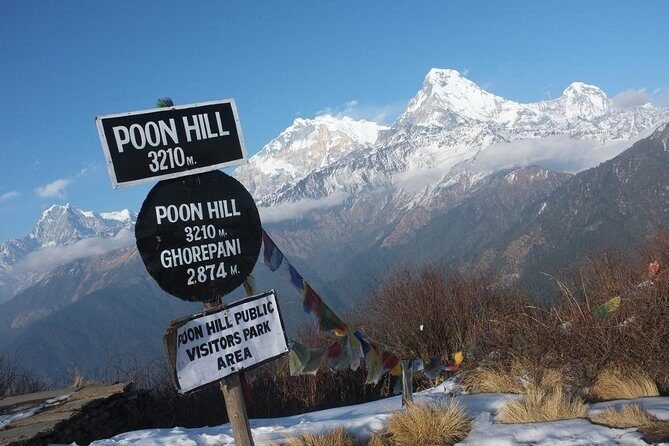
- Poon Hill Morning: The Viewpoint Moment You Plan For
- Tadapani to Ghandruk: Village Life Gets More Personal
- Sleeping and Eating on Trek Nights: What You’re Actually Booking
- The Guide and Porter Factor: Why This Trek Feels Different
- Back to Pokhara and Then Kathmandu: Wrapping Up Without the Surprise Bill
- Price and Value: What $1,660 Is Really Buying
- Who This Trek Fits Best (And Who Might Want Another Option)
- Final Call: Should You Book It?
- FAQ
- What time does the experience start and where do we meet?
- Is the guide included, and do porters carry luggage?
- What meals and accommodation are included during the trek?
- Do I need to pay for meals in Kathmandu and Pokhara?
- Does the trip run in all weather?
- Is this a private group tour?
Key Highlights You’ll Actually Notice
- Dipak and Pajeal level support: a guide who talks mountains and culture, plus a porter who truly helps you manage the trek day-to-day
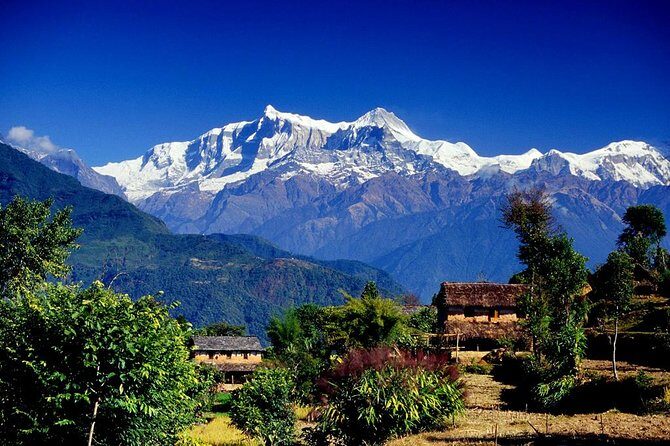
- Poon Hill viewpoint pay-off: you build in the climb to the main viewpoint, then shift back to gentle village walking
- Full meals during trekking: breakfast, lunch, and dinner are included on the hike, which makes daily budgeting simpler
- Private room on trek nights: soft, comfort-style stays with private space even though toilets are shared
- Flexible pacing mindset: the team can adapt the plan as conditions change, with you still in the driver’s seat
Annapurna Ghorepani Poon Hill: The Trek’s Real Promise
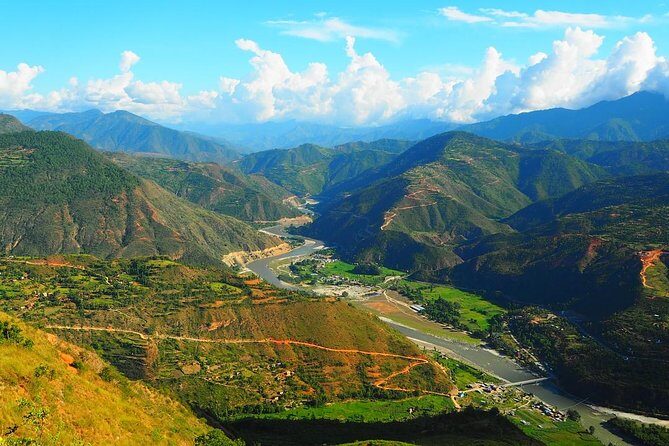
This is a short, doable Himalayan trek route built around a classic idea: walk between mountain villages, then earn your views. The “easy” part isn’t about being effortless. It’s about being structured—day hikes that don’t require technical skills, and a plan that keeps you moving through stages like Ulleri, Ghorepani, Tadapani, and Ghandruk.
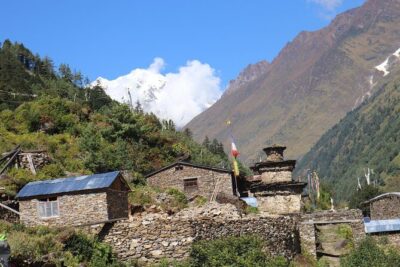
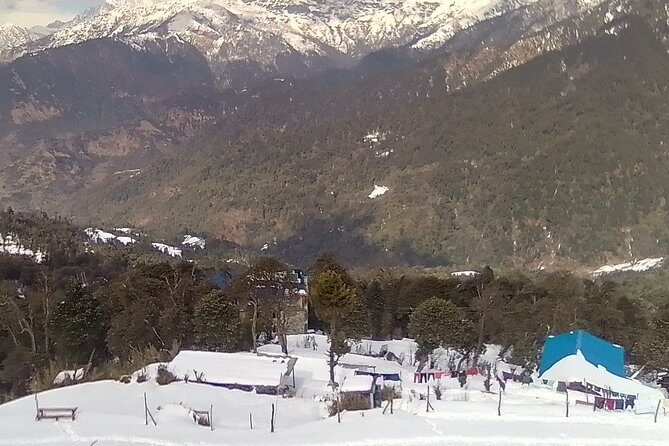
What makes this route especially attractive is the mix of scenery and everyday life. You’re not only chasing a single photo point. You’re also seeing how tea houses and local villages function as a kind of network that supports trekkers. And when the group has a good guide, those transitions feel smooth instead of confusing.
The other big promise is support. This trek is set up with a government registered, English-speaking guide and local porters. That matters because trekking in Nepal is as much about logistics as legs. You’ll feel that difference when your luggage is handled by someone local, and your meals and stays are already chosen.
You can also read our reviews of more hiking tours in Kathmandu


From Tribhuvan Airport to Kathmandu Valley: Getting Oriented Fast
Your trip starts at Tribhuvan Airport with a meeting time listed as 6:15 am. That early start is not unusual for Nepal, but it does set the tone: this is a “let’s get you moving” kind of adventure.
Day one is simply arrival in Kathmandu. Day two adds Kathmandu valley sightseeing and trek preparation. Even if you’ve been in big cities before, that preparation day is practical. You’re not jumping straight onto a trail before your body and mind adjust to the plan. It’s also when you can get clarity on gear, hydration habits, and how the trekking days will feel.
One small thing you should think about: your Kathmandu and Pokhara lunches/dinners are not included. Breakfast may be covered on trekking days, but meals on the city legs are on you. That’s not a flaw—just plan your budget so you don’t get surprised when you’re hungry after sightseeing and you’re already committed to the road schedule.
Kathmandu to Pokhara: Why the Drive Matters
The plan includes a drive from Kathmandu to Pokhara, then later another drive from Pokhara toward the trail area (via Nayapul). Road time in Nepal can be a highlight or a headache depending on your tolerance for long stretches and changing road conditions.
From a value perspective, the drive is part of what you’re paying for. You’re not dealing with tickets, route planning, or figuring out where the trail access points are. The package includes hotel pickup and drop-off and keeps the transitions organized.
From a comfort perspective, I’d treat this as a cue to pack smart:
- Keep a small day bag light and easy to reach
- Bring what helps you sit comfortably for long periods
- If you get motion sensitive, consider what usually works for you
If you like your travel day simple and managed, this structure is a plus. If you hate travel days and prefer flying over driving, you’ll want to know this isn’t a “skip the logistics” trek.
The First Trek Day: Nayapul to Ulleri (Getting Your Legs Working)
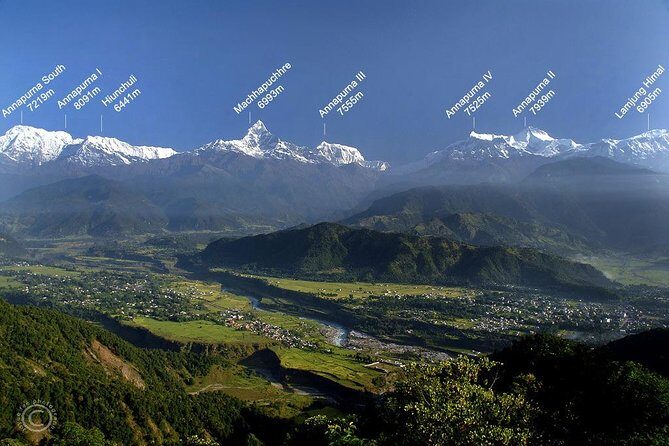
Once you’re in the trekking zone, the first hike segment takes you from Nayapul to Tikhedhunga and then onward to Ulleri. That first trekking day is a calibration day. It’s where you learn your walking rhythm, test your footwear, and get used to the rhythm of tea house stops.
Because this is positioned as a short and easy trek, the design is that you wake up, hike, and reach a village stop without “all day, every day maximum effort.” Still, you should expect a real climb. Ulleri is a name trekkers recognize for a reason: the early days set your pacing.
Here’s what I like about this kind of first day: it’s not only about getting height. It’s also about settling into the trekking world—staff, tea house routines, and the way your guide manages timing so you’re not rushed.
Ghorepani Day: Ulleri to Ghorepani and the Tea House Rhythm
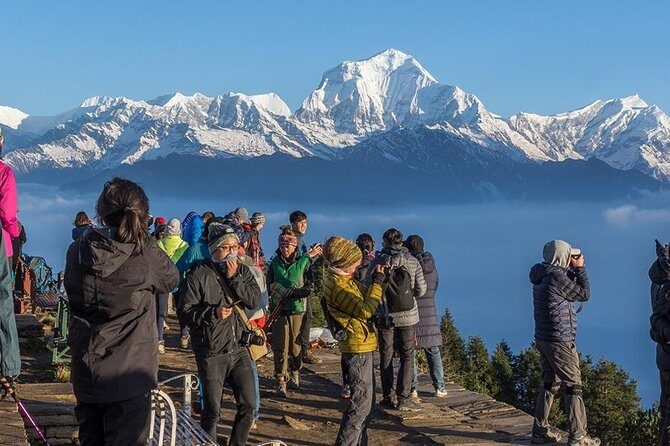
The next main segment is Ulleri to Ghorepani. Ghorepani is one of those hubs where trekkers arrive expecting two things: a place to rest and a base for your viewpoint plans.
This is also the day where your “trek travel” skills start clicking. You’ll learn what you actually need during the hike—warm layers, a consistent snack approach, and simple hydration habits that don’t mess with your energy.
The reviews you’ll read about this trek place a lot of weight on tea house choice and comfort, and that lines up with what you should care about most. The team helps you find good stays with a view, not just any bed in any building. When Dipak and porter Pajeal do their jobs well, you feel it here. You arrive, settle in, and don’t waste time second-guessing your lodging.
One practical note: boiled water isn’t included. Tea houses often sell hot drinks and boiled water, but you should budget for it and decide how you’ll handle hydration. If you’re the kind of person who likes to drink constantly, factor that cost into your overall trek spending.




Poon Hill Morning: The Viewpoint Moment You Plan For
Then comes the headline: hike Poon Hill and work it into the day’s transition. This is the part people talk about because it’s the reason the route makes sense.
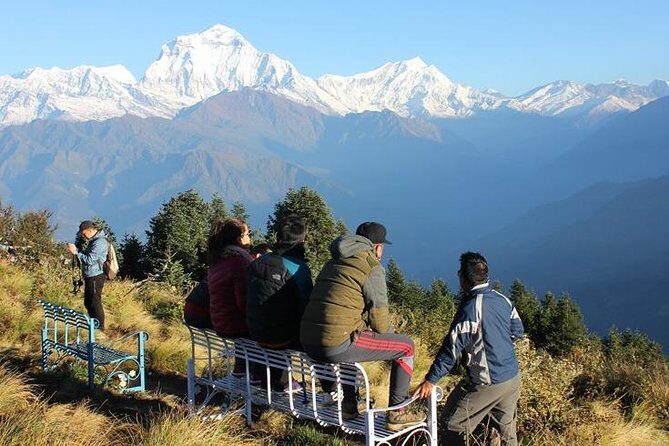
Even without getting dramatic about it, a viewpoint hike has a specific payoff: it reorganizes your whole trek perspective. Everything you’ve walked through—valleys, villages, the rising trail—turns into a clear picture in front of you.
What I’d watch for as you plan your effort: don’t sprint. This is a climb designed for enjoyment, not bragging. With a good guide, you’ll find a steady pace that keeps you breathing comfortably enough to take in the views when you reach them.
After the viewpoint, you trek onward to Tadapani. That means you’re not done the moment you see something beautiful. You’re still moving through the landscape, but at a pace that fits “short and easy hike” expectations.
Tadapani to Ghandruk: Village Life Gets More Personal
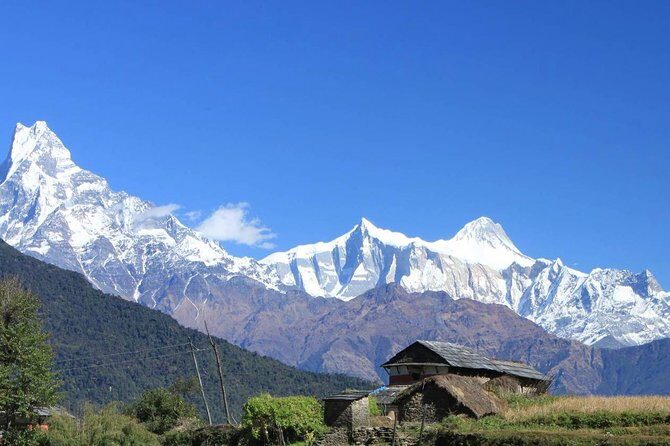
The next segment is Tadapani to Ghandruk. Ghandruk is a village stop that adds texture to the trek. You’re shifting from viewpoint-focused walking to something more grounded: how people live, how the trekking economy shapes the day, and how villages function as resting points for trekkers.
One of the best things a guide can do on a trek like this is connect you to daily life. Dipak’s style, as described in reviews, is exactly that kind of human teaching—knowledge about the area and local culture delivered in a way that feels natural, not like a lecture.
This is also where porters matter beyond “carrying.” When the porter takes the heavy items, it frees you up to interact more, take better photos, and not feel like you’re always one step away from exhaustion. Porter Pajeal is singled out for being the kind of support that makes the trek feel manageable, and that tracks with how the itinerary is built.
If you’re trekking with friends, this is where the trip starts to feel like a shared experience instead of a fitness task.
Sleeping and Eating on Trek Nights: What You’re Actually Booking
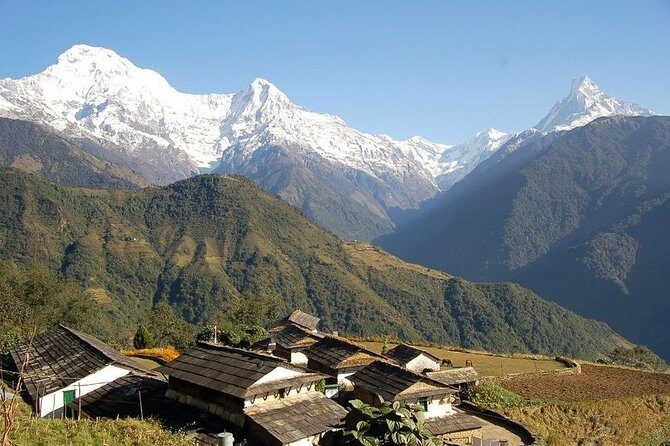
Your mountain accommodation is listed as soft, comfort, private room with share toilet. That’s a common arrangement on teahouse routes: you get your own room space, but you’ll share toilet facilities.
This is worth reading carefully because expectations drive satisfaction. If you need modern bathroom setups, this trek may feel uncomfortable. If you can handle basic mountain facilities, you’ll probably find it totally fine, especially given the private room aspect.
Meals are the other key value point. You get full meals (breakfast, lunch, dinner) during the trek. That matters because it removes a daily decision. You don’t have to wonder where you’ll eat or what you’ll pay. It also keeps your energy stable, which helps you enjoy the hiking instead of negotiating it.
In Kathmandu and Pokhara, meals like lunch/dinner aren’t included. So budget for city food separately, then expect everything to be smoother once you’re fully on trek days.
The Guide and Porter Factor: Why This Trek Feels Different
The most repeatedly praised part of this experience is the people. Dipak comes through as a guide who’s both helpful and funny, and he doesn’t just point out scenery. He also explains what you’re seeing—mountains and the culture around the trail.
Just as important, the porter is not treated like background support. Reviews highlight porter Pajeal as the real “most valuable player,” which makes sense for this trek style. A porter helps you keep your pack lighter, and that directly affects comfort on every uphill and every village transition.
If you want a trek that feels like it’s run well, this guide/porter setup is a big piece of the value. When things go right, you don’t notice logistics. When they go wrong, you notice them fast. A strong team reduces the odds of that happening.
Also, one useful detail from the descriptions: Dipak is flexible and the team may adjust the route along the way. That doesn’t mean chaos. It means the plan stays practical when conditions change, and you aren’t forced into an unrealistic expectation.
Back to Pokhara and Then Kathmandu: Wrapping Up Without the Surprise Bill
After Ghandruk, the itinerary returns you to Pokhara, then later back to Kathmandu for the final departure day.
The big benefit here is closure. You’re not stuck trying to solve transport after trekking. Hotels pick you up and drop you off, and the whole thing is paced to get you out when you’re done.
That said, remember what’s not included: personal expenses. That’s a broad category, so keep room for souvenirs, extra hot drinks, laundry if you need it, and any snacks you decide to buy between meals.
If you like travel that ends cleanly, this “return + departure” structure is a practical win.
Price and Value: What $1,660 Is Really Buying
The price is listed as $1,660 per person. That number can feel high if you only look at the hiking days. But this trek is priced as a full package with real overhead.
Here’s what you’re getting that typically costs money outside a package:
- An English-speaking, government registered trekking guide
- Local porter support (including the stated porter-to-trekker ratio)
- All trekking meals (breakfast, lunch, dinner)
- Mountain accommodation each night on trek (private room, shared toilet)
- Hotel pickup and drop-off plus local transport planning
- Government and local taxes
What’s not included helps you plan your personal spending:
- Lunch/dinner in Kathmandu and Pokhara
- Boiled water
- Person expenses
So the value question becomes: do you want to pay to remove logistics stress? If yes, this price makes more sense. If your goal is total DIY, you may find cheaper options—but you’ll also handle more decisions yourself, including meals, lodging quality, and coordination.
Who This Trek Fits Best (And Who Might Want Another Option)
This trek is a great match if you:
- Want an easy, short trek structure without technical climbing demands
- Prefer a planned route with meals, lodging, and transport handled
- Care about having a guide who explains culture and keeps the vibe relaxed
- Like the idea of a viewpoint payoff at Poon Hill, followed by village walking
You might think twice if you:
- Can’t handle shared-toilet mountain accommodation
- Strongly dislike early starts and long road days
- Need every meal covered end-to-end, including lunch/dinner during city days
Final Call: Should You Book It?
I’d book this if your ideal Annapurna experience is “walk, eat, rest, see the views, and not sweat the details.” The biggest strength is the people-led execution. Dipak’s approach and Pajeal’s porter support make the trek feel lighter and more fun, not just strenuous.
The main things to accept up front are road time and basic mountain facilities. If you’re okay with that, you’ll likely enjoy the core strengths: structured hiking days, full meal coverage on trek, and the classic Poon Hill viewpoint moment tied into village life.
If you’re still on the fence, I’d base your decision on one question: do you want your time on the mountain, with logistics handled, rather than managing it yourself?
FAQ
What time does the experience start and where do we meet?
The meeting point is Tribhuvan Airport in Kathmandu, Nepal, with a start time listed as 6:15 am.
Is the guide included, and do porters carry luggage?
Yes. The package includes an experienced English-speaking government registered trekking guide and local porters. The porter ratio is listed as 2 trekkers to 1 porter.
What meals and accommodation are included during the trek?
Breakfast, lunch, and dinner are included during the trek. Mountain accommodation is provided as a soft, comfort style with a private room and a shared toilet.
Do I need to pay for meals in Kathmandu and Pokhara?
Lunch/dinner in Kathmandu and Pokhara are not included, so you’ll pay for those meals separately.
Does the trip run in all weather?
The experience notes that it operates in all weather conditions, but it also says that if it’s canceled due to poor weather, you’ll be offered a different date or a full refund.
Is this a private group tour?
Yes. This is listed as a private tour/activity, meaning only your group will participate.