REVIEW · KATHMANDU
Langtang Valley Trekking
Book on Viator →Operated by The Great Adventure Treks & Expedition - Private Day Tours · Bookable on Viator
Langtang feels worlds closer to Tibet. This private 9-day trek north of Kathmandu takes you into Langtang National Park, where you hike among rhododendron and pine forests and pass Tamang villages with gompas, mani walls, and prayer flags. I love the Tamang culture woven into the route, not just parked at the end in a museum stop. I also love the wildlife odds, from monkeys to pika, musk deer, and even the Danphe (Nepal’s national bird). The main drawback to plan for is that comfort levels can be basic once you’re on the trail and altitude days can be demanding.
You’ll start around 9:15am from the Kathmandu side with pickup offered, and private transportation is part of the package. Lunch and dinner are not included, so you’ll want to budget for meals and snacks as you go and not assume everything is covered.
The human side is strong. Past trekkers consistently praised guides and porters for staying cheerful and being practical, and names like Mr Mani, Pasang, Ganesh, Sundeep, Shubham, Indra, and Prakash have shown up in different trek experiences. One more thing: this depends on good weather, and service animals are allowed.
In This Review
- Key Highlights You’ll Actually Care About
- Langtang National Park: The Setting That Changes Everything
- Tamang Culture and Tibetan Buddhism Along the Route
- Wildlife and Mountain Views: What You Might See
- Your 9-Day Flow: How the Trek Typically Feels
- Kathmandu to the Trail Side (Road Reality Included)
- Early Trek Days: Forests, Culture Markers, and Tea House Rhythm
- Middle Trek Days: Altitude Work, Patience, and Scenic Payoffs
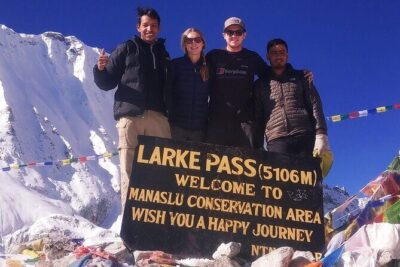
- Possible High View Day: Summit Feel at a Named Viewpoint
- Return: Calm Legs and Kathmandu Reset
- Guides and Porters: The Real Quality Signal
- Tea Houses, Basic Comfort, and Altitude: The Honest Trade-Off
- Price and Logistics: Does $2,102.57 Per Person Feel Worth It?
- Who This Langtang Valley Trek Suits Best
- Before You Go: Practical Tips That Prevent Regrets
- Should You Book This Langtang Valley Trek?
- FAQ
- How long is the Langtang Valley Trekking experience?
- Where is Langtang, and how far is it from Kathmandu?
- What time does the trekking start?
- Is pickup offered and is transportation included?
- Are lunch and dinner included in the price?
- Is this a private tour?
- Does this trek depend on weather?
- Are service animals allowed?
- Can I cancel and get a full refund?
Key Highlights You’ll Actually Care About
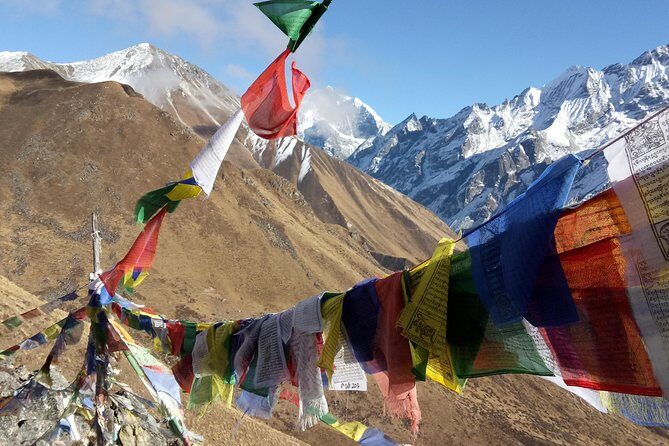
- Tamang culture on the move with gompas, mani walls, and prayer flags in view
- National Park nature credits: rhododendron, orchid, and pine forests plus wildlife chances
- A private trek feel with only your group participating
- Support that matters: guides and porters described as patient, attentive, and helpful
- A realistic comfort expectation since tea houses/guesthouses are basic on the trail
- Weather-dependent scheduling with options if conditions are unsafe
Langtang National Park: The Setting That Changes Everything
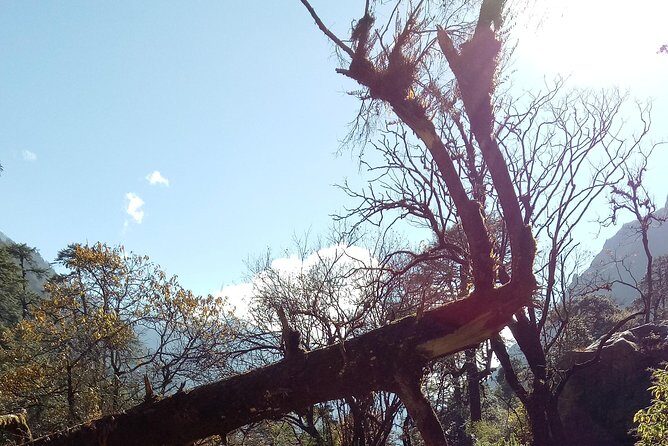
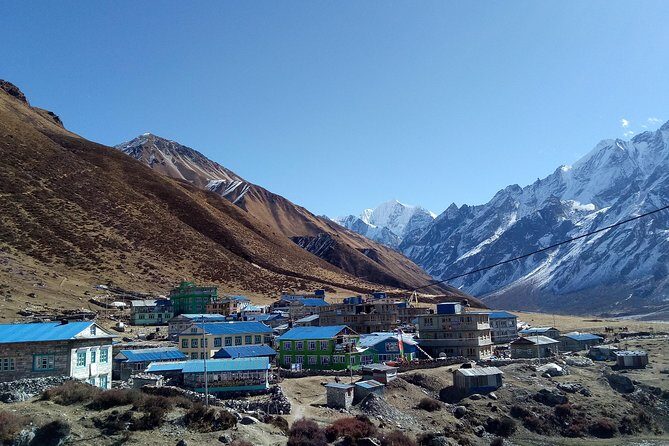
Langtang Valley trekking is not a generic “walk in the mountains” trip. You’re trekking inside the premises of Langtang National Park, in the Himalayan region about 150 kilometers north of Kathmandu. That matters because you’re surrounded by protected nature, not just a random trail line.
One of the coolest parts here is the sheer variety of plant zones. The park is described as having 14 vegetation types across 18 biological system types. In plain terms: you can see different forest flavors instead of one long stretch of the same scenery.
Expect rhododendron, orchid, and pine backwoods at different points. And because the valley sits near Tibet, there’s also a cultural shift in the air. You’ll run into Tibetan Buddhist influence in the way religious spaces appear on the trail, including gompas and mani dividers.
You can also read our reviews of more hiking tours in Kathmandu


Tamang Culture and Tibetan Buddhism Along the Route
If you care about culture you can actually walk through, Langtang hits well. A lot of residents in the Langtang valley are Tamang, and their roots are traced back to Tibet, which shows in local customs, design, and everyday life.
On the trekking route, you’ll see religious and symbolic markers like gompas, mani walls, and colorful prayer flags. These aren’t just photo props. They give the trek a sense of rhythm, like the landscape is telling you where people belong in it.
This is also where the trip feels more “lived-in” than some high-mountain hikes. You’re not only measuring distance by elevation. You’re moving through a community’s spaces—especially when you stop in villages or tea houses and the talk turns to local mountain life.
Wildlife and Mountain Views: What You Might See
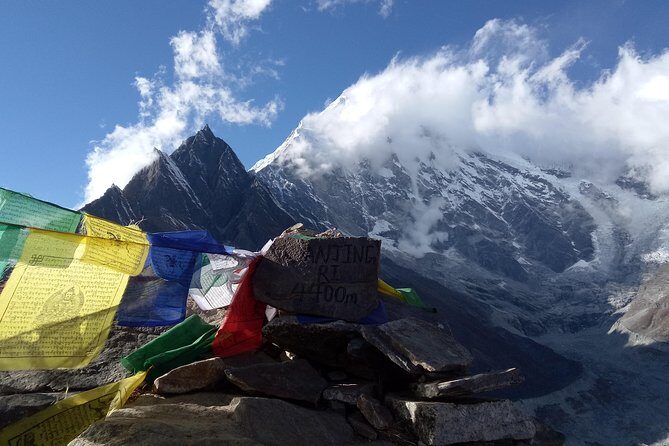
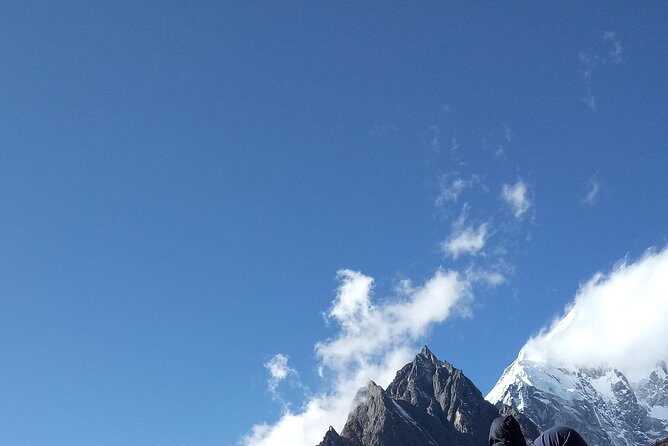
Langtang is described as a strong area for mountain views plus plant and animal variety. That mix is why people keep choosing it for a Nepal trek that doesn’t feel copy-paste.
For wildlife, the information includes chances to spot monkeys, musk deer, pika, and Danphe. Danphe is especially fun to keep in mind because it’s Nepal’s national bird, and it often symbolizes the region in a way that feels connected to the landscape.
Could you see all of those on your exact dates? No guarantee—mountain animals don’t run on your schedule. But the point is: you’re trekking in an environment where these species are part of the story, not random claims on a brochure.
And mountains? Yes. Reviews and trek descriptions keep circling back to dramatic views, including high viewpoints like Tserko Ri in at least one trekking experience. If your route includes a summit push, treat it like the payoff day: slow steps, big effort, and wide-open payoff views.
Your 9-Day Flow: How the Trek Typically Feels
You’re looking at roughly 9 days on the trek. The exact day-by-day plan can vary depending on your group pace and weather, but the experience has a clear arc: transport out of Kathmandu, trail days that gradually settle into mountain routines, then a return.
Here’s the flow I’d expect you to experience based on how the route is described and what trekkers highlight:
Kathmandu to the Trail Side (Road Reality Included)
You start from Kathmandu around 9:15am, with pickup offered and private transportation included. This part is not “just transit.” It sets the mood.
One practical note: the road from Kathmandu to Dhunche is described as a little difficult. So if you get motion sick easily, plan ahead. Once you reach Dhunche, the trek side is described as more wonderful, which is a pattern you’ll feel as the day shifts from roads to foot traffic.






Early Trek Days: Forests, Culture Markers, and Tea House Rhythm
As you get into the valley area, you’ll settle into a routine of trekking between settlements, with tea houses or guesthouses as the overnight option. One review specifically called out the uniqueness of tea houses, which lines up with how trekkers experience this kind of route: meals, warmth, and conversation become part of the hiking plan.
This is also where forests and religious markers start to matter more. With rhododendron and pine backwoods in the picture, you get more frequent visual variety than you’d see in a bare-rock route. And the gompas, mani walls, and prayer flags keep turning up as you pass through Tamang areas.
Middle Trek Days: Altitude Work, Patience, and Scenic Payoffs
Langtang is in the Himalayas, so you should respect the altitude. At least one trekking experience highlighted the altitude challenge as part of the journey. Translation: the hike might not feel “hard” every hour, but you’ll notice the slow-down effect and you’ll need steady pacing.
This is where a good guide makes a difference. When the guide is focused on pace, rest timing, and route decisions, the day feels manageable instead of stressful.
Comfort here is also where expectations matter most. Food is typically simple and guesthouses are basic, but trekkers who are ready for that trade-off tend to enjoy the views and culture more, not less.
Possible High View Day: Summit Feel at a Named Viewpoint
Some Langtang trek experiences include a summit-style moment, like reaching the Tserko Ri summit (mentioned in a trek experience with guide Pasang). If your plan includes a viewpoint climb, expect it to feel like the big emotional finish line: tougher legs, lots of looking back, and photos that don’t feel like forced chores.
If your route doesn’t include that exact climb, you’ll still likely have a day with bigger elevation effort and bigger views. Same idea, different point.
Return: Calm Legs and Kathmandu Reset
After the trekking days, the return to Kathmandu turns the dial back to comfort. Reviews mention smooth organizing and return drives that handled the logistics well. If you’ve been wearing the same hiking outfit for days, this is where you finally remember you own a second shirt.
Guides and Porters: The Real Quality Signal
The biggest pattern in the trekking feedback is not the scenery. It’s the people managing the journey.
Guides are repeatedly described as professional, friendly, attentive, and knowledgeable about both trails and local culture. Past trek experiences also mention guides being energetic and sharing mountain context as you walk, not just pointing the way like a GPS with legs.
You’ll also likely travel with porters, and one experience calls out how surprising it was that the porter could carry heavy bags while still walking fast. Another mentions professional support from both a guide and a porter team.
Here’s why that matters for you: on a trek, logistics fatigue is real. When someone handles pace, safety decisions, and day planning, you can focus on enjoying the mountain and culture. And when someone is patient with different walking needs, the group experience stays calm instead of turning into a stress test.
Names you may see attached to these experiences include Mr Mani as a planner and guide organizers, plus guides like Ganesh, Sundeep, Shubham, Indra, Pasang, and Prakash. Your exact team will depend on your dates, but the consistency in support quality is the key takeaway.
Tea Houses, Basic Comfort, and Altitude: The Honest Trade-Off
Let’s talk comfort straight. Guesthouses on this kind of Himalayan valley trek are basic. One experience notes that food is simple and places to sleep are basic, but the trade-off is that you get incredible mountain views plus local culture.
Tea houses are part of the rhythm. They’re where you warm up, eat, refill, and talk. Think of them as functional waypoints, not boutique hotels.
Altitude adds another layer. You might not need to “train like an athlete,” but you do need to pace like a human being. The altitude challenge is specifically mentioned in at least one trekking experience, so don’t treat it like a casual stroll if you’re new to elevation travel.
Simple strategy:
- Go slower than you think you should.
- Drink water consistently.
- Use rest stops as part of the plan, not as an afterthought.
Price and Logistics: Does $2,102.57 Per Person Feel Worth It?
The price is listed at $2,102.57 per person for this Langtang Valley trekking experience (about 9 days). That’s not a bargain-basement cost. So you should judge value by what you avoid, not just what you receive.
What’s clearly included: private transportation. That can matter a lot in Nepal, where roads can be bumpy and time can be eaten by transit issues. Starting around 9:15am and having pickup offered also reduces guesswork.
What appears to be part of the on-trail support in these experiences: a guide-led trek with porter help. Guides are repeatedly praised for professionalism and attentiveness. Porters are noted for carrying heavy loads efficiently while keeping the hike moving.
What’s not included: lunch and dinner. So part of the value equation is planning for food costs during the trek days and not assuming every meal is covered.
Overall, this price starts to look more reasonable if you want:
- a private group setup (only your group participates),
- real support on the trail (guides and porters),
- and fewer logistics headaches than self-guided trekking.
If you’re the type who likes planning permits, routes, and meals on your own and you already have high-altitude trekking experience, you might find cheaper options. But if you want a guided, organized trek where you can focus on walking and seeing, this cost can make sense.
Who This Langtang Valley Trek Suits Best
This trek is listed as most travelers can participate, and service animals are allowed. That tells me the operator expects a wide range of travelers, as long as you can handle trekking conditions.
Based on what people highlight, I’d say it fits best if you want:
- Tamang culture and Tibetan Buddhist influences in real walking context
- mountain viewpoints plus forest and wildlife odds in Langtang National Park
- a private group experience with personal guide and porter support
- less of a “checklist hike” and more of a journey through places where people live
If you dislike basic accommodations, you’ll need to mentally prepare for guesthouse simplicity. And if you’re sensitive to altitude or have mobility constraints, a patient guide and steady pacing become non-negotiable.
Before You Go: Practical Tips That Prevent Regrets
You don’t need a mountain expedition kit, but you do want to show up smart.
First, plan for changing weather. This experience requires good weather, and if conditions are poor you can be offered a different date or a full refund. That means packing for flexibility matters.
Second, bring small comfort items for tea house nights. Since lodging and meals are simple, a few personal touches can make your evenings nicer without adding bulk.
Third, be ready for the reality of the road to Dhunche. If the road feels rough for you, take it easy on the first day and don’t schedule anything important right after arrival.
Finally, if you want the cultural side to land, slow down on the walking sections near gompas and mani walls. Those are the moments that turn the trek from scenery into meaning.
Should You Book This Langtang Valley Trek?
I’d book this if you want a guided, private Langtang Valley trekking experience where Tamang culture and National Park nature are part of the point, not decoration. It’s especially appealing if you value trail support from guides and porters and you’re okay with basic tea house and guesthouse comfort.
Skip it (or ask for route details) if you need fully upgraded amenities, or if altitude worries you without the chance to move at a careful pace. Also, if weather is a major concern for your calendar, build in flexibility since this trek depends on conditions.
If your goal is a real Himalaya day-to-day rhythm—walking, warm meals, prayer flags, forest scents, and mountain views—Langtang is a strong choice.
FAQ
How long is the Langtang Valley Trekking experience?
It runs for 9 days approximately.
Where is Langtang, and how far is it from Kathmandu?
Langtang is about 150 kilometers north of Kathmandu.
What time does the trekking start?
The start time is 9:15am.
Is pickup offered and is transportation included?
Yes, pickup is offered, and private transportation is included.
Are lunch and dinner included in the price?
No. Lunch and dinner are not included.
Is this a private tour?
Yes. It is a private tour/activity, so only your group participates.
Does this trek depend on weather?
Yes. This experience requires good weather, and if it’s canceled due to poor weather you’ll be offered a different date or a full refund.
Are service animals allowed?
Yes, service animals are allowed.
Can I cancel and get a full refund?
You can cancel up to 24 hours in advance for a full refund. If you cancel less than 24 hours before the start time, the amount paid is not refunded.