REVIEW · KATHMANDU
Everest Base Camp Trek 16 Days
Book on Viator →Operated by The Great Adventure Treks & Expedition - Private Day Tours · Bookable on Viator
Snowfront views come fast on this trek. This 15-16 day Everest Base Camp trek pulls you from Kathmandu into the Everest region, where you follow the Dudh Koshi valley through rhododendron country and then reach the iconic ice sheets and icefalls near Everest. What I like most is the mix: flower-filled hiking days, then suddenly the Everest area feels almost unreal. I also like that the trip is run like a small operation, with guides and porters praised for practical help and steady pacing, including Binod Silwal and the team led by Mani. One possible drawback: you need to bring moderate fitness and a flexible mindset, because this trek depends on good weather.
You get private transportation and pickup is offered, so your days start and end with fewer headaches than typical group tours. The price is $1,538.47 per person, but lunch and dinner are not included, so you’ll want to plan your day-to-day meal budget. If you’re hoping for a totally hands-off experience with every meal covered, this isn’t that.
In This Review
- Key highlights at a glance
- Kathmandu to the trail: how this trek starts with less stress
- Price and logistics: what $1,538.47 is buying you
- Private trekking feel: why “only your group” can change everything
- Rhododendron and Dudh Koshi: the days that build your rhythm
- Entering the Everest approach: ice sheets, icefalls, and cascades
- Reaching Everest Base Camp: more than the final postcard
- Guides, porters, and pacing: why your feet will feel taken care of
- What you should know about health and fitness (moderate is still real)
- Meals and money: a small detail that affects the whole trip
- Should you book the Everest Base Camp Trek 16 Days?
- FAQ
- Where does the Everest Base Camp trek start?
- How long is the trek?
- How much does the trek cost?
- Is pickup included?
- What transportation is included?
- Are lunch and dinner included?
- What fitness level do I need?
- Is this tour private or shared?
- Do I get confirmation after booking?
- What happens if weather is poor?
- Should you book the Everest Base Camp Trek 16 Days?
Key highlights at a glance
- Rhododendron days along the Dudh Koshi before the Everest area shifts into icefall territory
- Ice sheets, icefalls, and dramatic cascades tied to the Everest approach
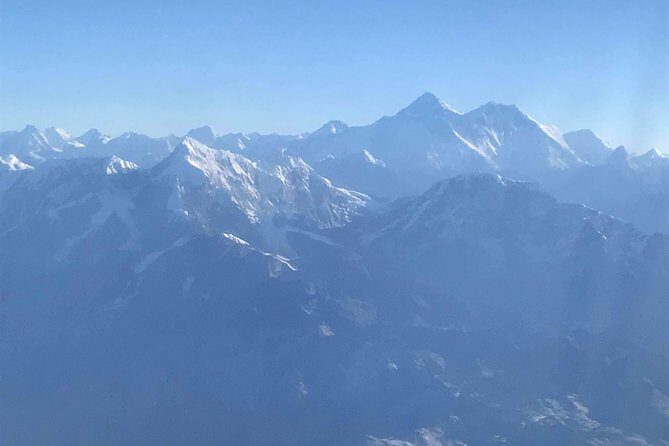
- Views of multiple big peaks, not just Mt. Everest, including Lhotse, Nuptse, Pumori, Ama Dablam, Thamserku, and Kusum Kanguru
- Private trekking feel, since it’s set up as a private tour/activity for your group
- A team you can trust for the human stuff, with praise for guides and porters, including Binod Silwal and support from Mani’s group
Kathmandu to the trail: how this trek starts with less stress
Most Everest treks live or die on the quality of the first couple of days. Here, the big advantage is that you’re not left guessing. You’re starting in Kathmandu, and pickup is offered, which usually means you spend less time wandering for the right vehicle. You also get private transportation, so you’re moving as a group rather than getting stuck waiting on a larger schedule.
Even though the itinerary specifics aren’t laid out in detail here, the structure is clear: you’re set up for a moderate trek with around 14 days on foot in the Everest region, then time to return. That matters because acclimatization and fatigue are real. A smoother start helps you show up to the trail days calmer, not frazzled.
Also, note the tour length detail: the experience is marketed as a 16-day Everest Base Camp trek, while the duration is listed as about 15 days. Either way, plan on roughly 15-16 days total. That’s long enough to settle into a rhythm, but not so long that your time becomes a blur.
You can also read our reviews of more hiking tours in Kathmandu


Price and logistics: what $1,538.47 is buying you
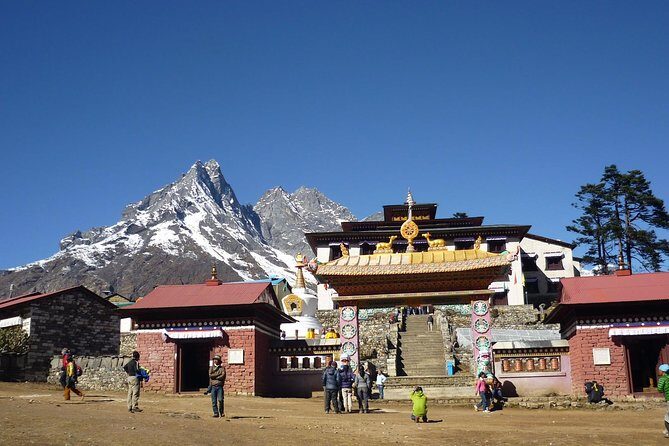
Let’s talk value plainly. At $1,538.47 per person, you’re paying for coordination and the kind of on-the-ground support that makes a big trek feel manageable. The included item listed is private transportation, but the feedback you have on hand points to more than that: strong guide and porter support, and day-to-day help that includes practical decisions like pacing and food and overnight recommendations.
Here’s what you should treat as a cost driver:
- Lunch and dinner are not included. That’s the main “watch this” point. You’ll want a realistic budget for daily meals once you’re in trekking mode.
- You’re in the Everest region for about two weeks. That usually means you need a team that can keep things moving even when the mountains say no.
- Weather matters. This is not a trek where you can count on perfect conditions every day.
The best “value” part is not the headline price. It’s the ability to spend more mental energy on walking and taking in the views, and less time on problem-solving. If you’re the type who likes a planned trip but still wants the mountains to do the talking, this setup fits.
Private trekking feel: why “only your group” can change everything
This is a private tour/activity, meaning only your group participates. On Everest routes, that changes the vibe more than people expect.
In a mixed group, you often end up matching other people’s pace, whether you like it or not. In a private setup, you’re more likely to walk at a speed that makes acclimatization feel smoother. And when fatigue hits, being able to adjust without holding up strangers makes a difference.
The reviews you provided also highlight something practical: the guides and porters are praised for being helpful and professional, not just “present.” Binod Silwal gets named specifically for being supportive, having good English, recommending good food, and choosing good overnight options. Even without a full day-by-day account, those details point to the same theme: less guesswork for you.
One more human benefit: a private group usually means you can ask more questions without feeling like you’re interrupting a bigger machine. If you want the trek explained in real language, not vague brochure talk, this format helps.
Rhododendron and Dudh Koshi: the days that build your rhythm
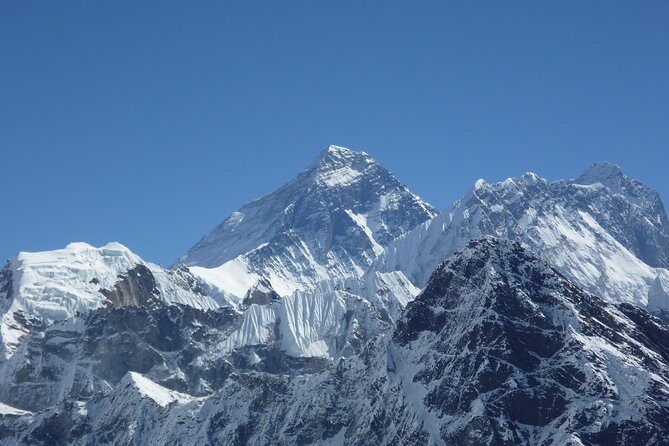
One of the most compelling parts of this trek is the description of the middle stretch: you hike for about 14 days through the Everest locale, including trails “brimming with rhododendron blooms” along the banks of Dudh Koshi.
That might sound like scenery marketing, but it matters for your body, too. When you’re early in the trek, you’re still finding your walking rhythm, testing your boots, and learning how your breathing behaves at altitude. A valley route like this, with consistent hiking and steady scenery changes, is often easier to enjoy than a route that feels like one long grind with no payoff until the end.
What you should expect from this phase:
- More variety in day-to-day views. Rhododendron country usually brings color and lighter scenery after Kathmandu.
- A steady build toward altitude. The mountain drama ramps up later, so these days can act like your on-ramp.
- Plenty of chances to stop and reassess. You’ll want to do that often, not just at viewpoints.
Potential consideration: moderate trek doesn’t mean casual. You still need to show up with decent fitness and patience. The “moderate” label is what makes the trek feel realistic for the right traveler, not a guarantee that you can coast.
Entering the Everest approach: ice sheets, icefalls, and cascades
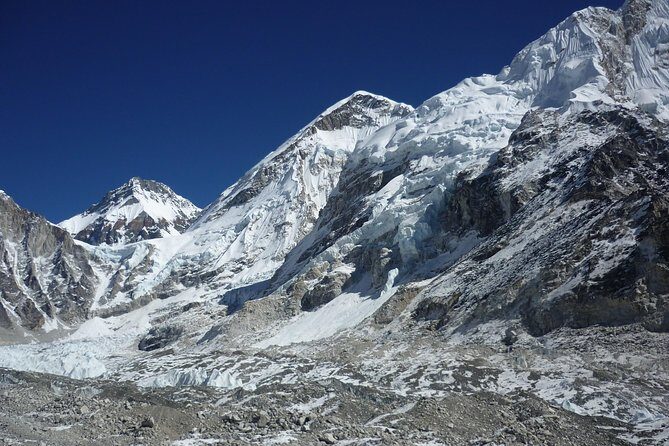
After the rhododendron days, the experience shifts into the Everest approach, where you’ll visit areas described as having ice sheets, icefalls, and falling cascades on the Everest side. This is the part where the trek stops feeling like hiking and starts feeling like standing inside a natural engineering project.
What makes this phase special:
- The visual impact is immediate. Even if you’ve seen photos, the scale is different when you’re close to the icefall world.
- It changes the way you walk. You’ll likely slow down more, not because your route is suddenly harder in miles, but because your attention is on everything around you.
- The mountains start to feel named. The overview calls out a whole lineup of peaks beyond Everest, and this is where that becomes real.
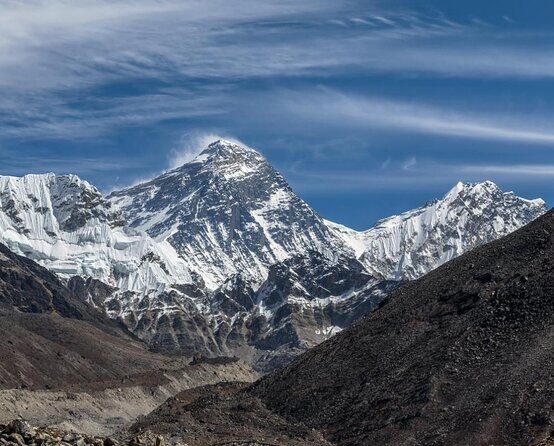
You also get big-peak context in the Everest region: Mt. Everest (8,848 m) is the headline, but the route is described as offering views of Mt. Lhotse (8,516 m), Mt. Nuptse (7,855 m), Mt. Pumori (7,161 m), and more—plus Mt. Ama Dablam (6,856 m), Mt. Thamserku (6,723 m), and Mt. Kusum Kanguru (6,367 m).
Practical drawback to keep in mind: this is a weather-dependent trek. When conditions are poor, plans can shift. The cancellation terms specifically mention weather as a reason, with an option for a different date or full refund. Translation: pack flexibility into your schedule, even if you hate doing it.





Reaching Everest Base Camp: more than the final postcard
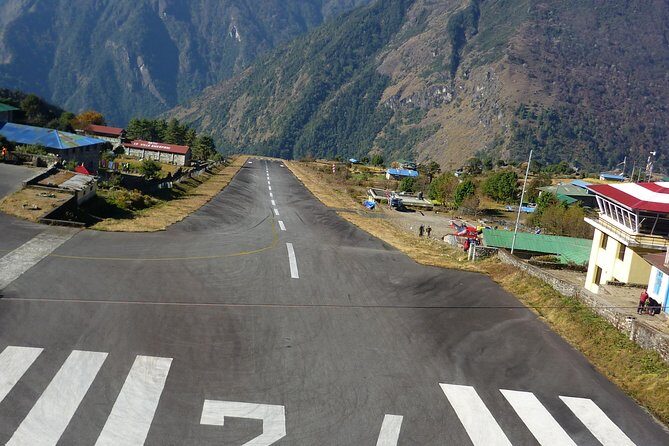
The big moment is, of course, reaching Everest Base Camp. But I like how this description frames it as part of a bigger picture: you’re coming for proximity to the Himalayas’ real power, not just one viewpoint.
Here’s what you should expect at the end of the trek:
- You’ll be looking at the Everest area as a system, with ice and steep terrain defining what you see.
- You’ll likely notice how the peaks relate to each other, since the route is set up to show you multiple mountains around Everest, not only Everest itself.
- It’s a finish that feels earned, because it’s coming after a long walk through Dudh Koshi country and the slow grind of altitude adaptation.
One thing that pops from your provided reviews is the emphasis on having a strong guide team. One review specifically says they were able to reach Everest Base Camp with a professional guide and team, with the trek framed as a dream-come-true moment. Another highlights that the guide (again, Binod Silwal is named) helped by recommending good food and overnight huts. Even if you don’t care about huts as a concept, the underlying point is that good support can reduce stress right when you’re most tired.
If you’re the type who wants to understand what you’re seeing—why the icefalls look like they do, what the surrounding peaks are doing—this trip is set up for that kind of guided interpretation.
Guides, porters, and pacing: why your feet will feel taken care of
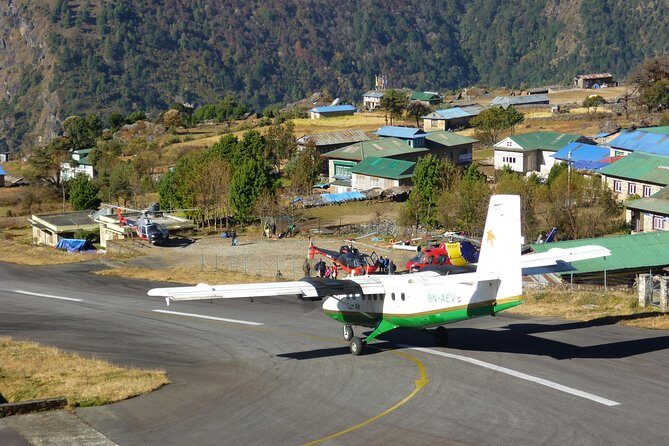
A lot of Everest marketing sounds similar. What differentiates this trek is the human support angle that comes through clearly in the feedback you shared.
Key names that show up:
- Mani, mentioned as the Managing Director in multiple responses. That signals organized leadership.
- Binod Silwal, named as a guide who provided helpful recommendations for food and overnight stays, had good English, and kept a good pace.
- Ramechandra, mentioned in one review response as having knowledge, connections, and support.
That’s not just “nice service.” It affects how the trek feels day-to-day:
- Pacing matters. If your guide can keep you moving without pushing you into exhaustion, you’ll enjoy more of the trek instead of just surviving it.
- Food and overnight decisions matter. Lunch and dinner aren’t included, so having a guide who can point you toward good options saves both money and energy.
- Communication matters. One review response thanks the guest for recognition of communication and care, which is exactly what you want in a remote area where weather can interrupt plans.
So if you care about the trek being both safe and enjoyable, this is a setup worth taking seriously.
What you should know about health and fitness (moderate is still real)
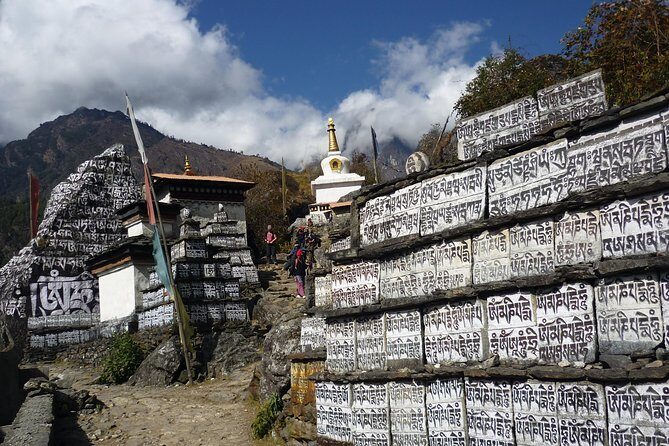
The info provided is direct: travelers should have a moderate physical fitness level. That’s a fair expectation for an Everest Base Camp trek.
How to interpret it:
- You don’t need to be a mountain athlete, but you do need the stamina to hike consistently for many days.
- You should expect altitude to change your breathing and your appetite.
- You need to take weather seriously, because the trek requires good weather.
If you’re new to multi-day treks, I’d treat this as your training goal, not your first experiment. Start with shorter hikes first, and build up your ability to hike day after day.
The good news: the trek is described as moderate, and the support team is praised for pace and professionalism. That combination can make the difference between a “survive it” trek and a “feel proud at the end” trek.
Meals and money: a small detail that affects the whole trip
This tour listing notes that lunch and dinner are not included. That means your daily budget shouldn’t be an afterthought.
Here’s the practical way to handle it:
- Plan for daily meals on your own during the trekking days.
- Rely on your guide’s suggestions, especially since one review specifically praises a guide for recommending good food and overnight options.
- Don’t assume every day will go the same. When you’re in a weather window, schedules can shift, and meal timing can follow.
It’s also why having a guide you trust is valuable. If you’re tired, altitude makes decisions harder. A good guide helps you stop wasting energy on figuring out basics.
Should you book the Everest Base Camp Trek 16 Days?
Book it if you want the classic Everest Base Camp goal with a private, organized feel, and you value practical support from guides and porters. The combination of Dudh Koshi rhododendron hiking, dramatic icefall-area scenery, and views of multiple major peaks is exactly the “why” behind this trek.
Hold off if:
- You need a trip where every meal is included.
- You can’t rearrange plans if weather forces changes.
- You’re looking for an easy walk. Moderate fitness still means real effort for 15-ish days.
If you’re flexible, fit enough, and excited by the idea of seeing Everest’s ice-and-icefall reality up close, this is the kind of itinerary that can turn a big dream into a grounded, unforgettable journey.
FAQ
Where does the Everest Base Camp trek start?
It is located in Kathmandu, Nepal.
How long is the trek?
The duration is listed as about 15 days (approx.), and it is also described as a 16-day trek.
How much does the trek cost?
The price is $1,538.47 per person.
Is pickup included?
Pickup is offered.
What transportation is included?
Private transportation is included.
Are lunch and dinner included?
No. Dinner and lunch are not included.
What fitness level do I need?
Travelers should have a moderate physical fitness level.
Is this tour private or shared?
This is a private tour/activity, and only your group will participate.
Do I get confirmation after booking?
Confirmation will be received at time of booking.
What happens if weather is poor?
The experience requires good weather. If it is canceled due to poor weather, you will be offered a different date or a full refund.
Should you book the Everest Base Camp Trek 16 Days?
I’d book this if you want a coordinated Everest Base Camp trek that focuses on the core experience: Dudh Koshi hiking, rhododendron country, and the icefall-heavy Everest approach, with a team that’s praised for pacing and day-to-day help (including guides like Binod Silwal and leadership associated with Mani). If you dislike paying for meals on the trail or you can’t handle weather-driven changes, you’ll probably feel the friction.