REVIEW · KATHMANDU
Manaslu Circuit Trek
Book on Viator →Operated by Nepal Guide Treks and Expedition P. Ltd. · Bookable on Viator
Remote mountain days, with real Tibetan flavor. Manaslu Circuit Trek is built for quieter trails and serious views, with Mt. Manaslu and the holy Ganesh Himal showing up again and again, plus the big moment at Larkya La Pass.
I especially like that this trip handles the tough logistics for you: permits for the Manaslu region and the Annapurna region, meals, guide support, and the pre- and post-trek hotel stays with welcome and farewell dinners. The second thing I like is the way the trek stays culturally grounded, including Tibetan-influenced villages and side options for detours once you’re already out on the route.
The main drawback to plan for is that conditions at high altitude can change fast. Even with a well-run trek, Larkya La is weather-dependent, and you might not cross if snow and risk make it too unsafe on the day.
In This Review
- Key things to know before you go
- Why Manaslu Circuit feels quieter than the big-name treks
- Larkya La 5135 m: the pass that shapes your whole trip
- MCAP meets ACAP: permits and what that means on the ground
- The trek rhythm: from low-altitude paths to alpine days
- Meals and tea houses: what’s included and what’s realistic
- Guides and porters: why the experience feels professional
- The itinerary beats: pre-trek Kathmandu and post-trek recovery
- Price and value: is $1,955 fair for a remote circuit?
- Season choice: autumn, spring, and the snow reality
- Practical fitness: what moderate strenuous really asks of you
- Safety and altitude sickness: how to plan your mindset
- Should you book this Manaslu Circuit Trek package?
- FAQ
- How long is the Manaslu Circuit Trek?
- What is the highest point on the trek?
- What permits are included in the price?
- Are meals included?
- What’s the best time of year to go?
- How big is the group?
Key things to know before you go
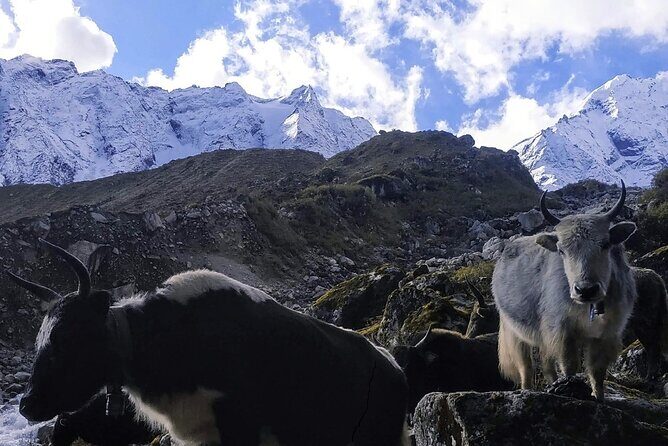
- A rare, quieter circuit: fewer crowds than the big celebrity treks, with calm tea-house walking.
- One high pass at 5135 m: Larkya La is the defining challenge and weather test.
- Real park crossover: you get permits covering Manaslu Conservation Area Project (MCAP) and Annapurna Conservation Area Project (ACAP).
- Teahouses are usable again: routes and lodge options were rebuilt after earthquake damage, and tea houses are re-equipped.
- Guides who keep it smooth: teams include guides like Pradip, Dorji, Sonam Sherpa, and Dendi, plus porters such as Min, Karma, Rabin, and Ang Dawa.
Why Manaslu Circuit feels quieter than the big-name treks
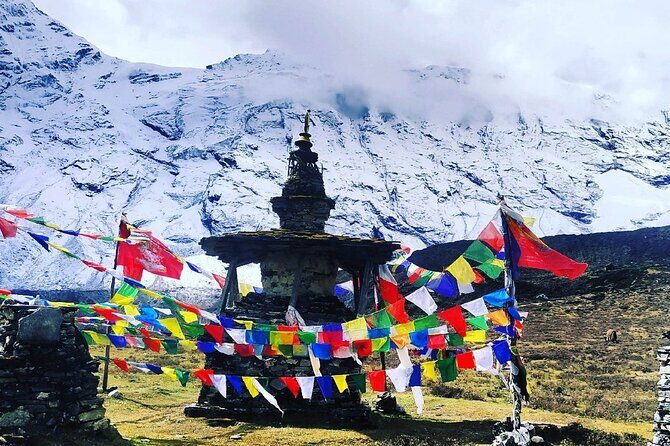
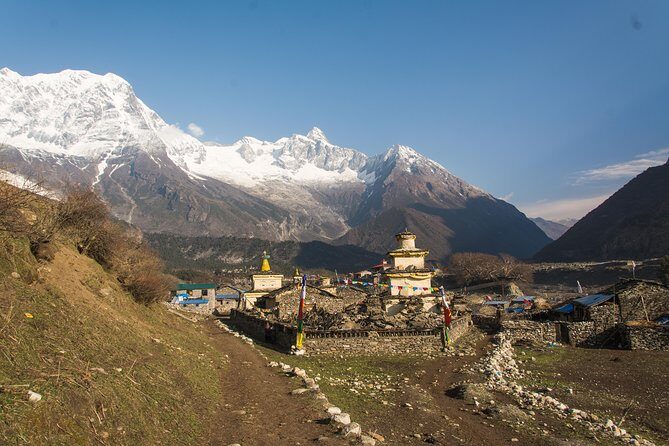
Manaslu Circuit sits in Nepal’s midwest Himalayan region, and it feels remote in the best way. The trail doesn’t get the same spotlight as Everest Base Camp or Annapurna Base Camp, so the vibe is calmer and the days feel less like checklists and more like a steady trek through lived-in country.
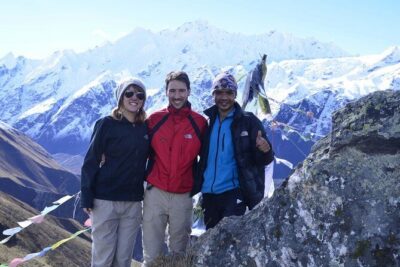
You also get that long view of mountains—Manaslu (8156m) and Ganesh Himal (7406m) are the headline peaks, but you’ll see plenty of other snow-capped summits along the way. On Manaslu, the payoff isn’t only one famous vista. It’s the repeated moment when a valley opens and the mountains look closer than they should.
A practical bonus: this circuit allows side treks and destinations within a few hours. That matters when you want to slow down, explore a nearby viewpoint, or add a little variety without changing the whole plan.
You can also read our reviews of more hiking tours in Kathmandu


Larkya La 5135 m: the pass that shapes your whole trip
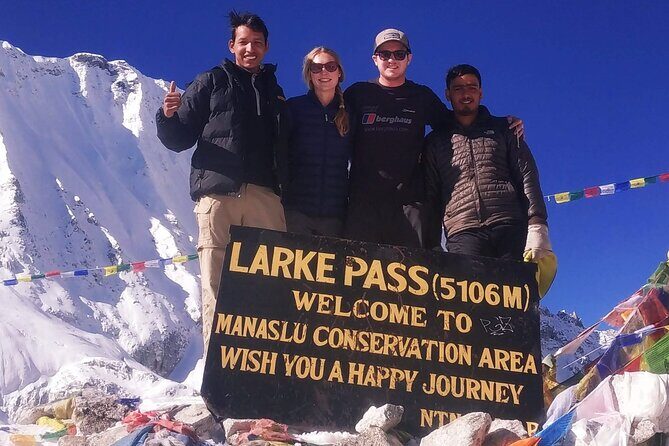
Larkya La Pass at 5135 meters is the adventurous centerpiece. Even if you are not doing any technical mountaineering, this is still high-altitude trekking. Your body will feel the altitude on the days leading up to the pass, and the pass day itself is where you’ll notice everything: pace, breathing, stamina, and how your sleep has been.
What I tell people to watch: the snow level can swing. On some schedules, Larkya La can have massive snow walls; on other days it can be easier. That means the same route can feel very different depending on season and conditions.
It’s also worth saying plainly: if weather turns bad, a decision can be made to turn around rather than force it. In the trip experiences I reviewed, at least one group didn’t cross Larkya La due to heavy snowfall. That’s not a failure of the trip—it’s the reality of mountain travel. Your guide should be pushing for safe call-making, not maximum bragging rights.
MCAP meets ACAP: permits and what that means on the ground
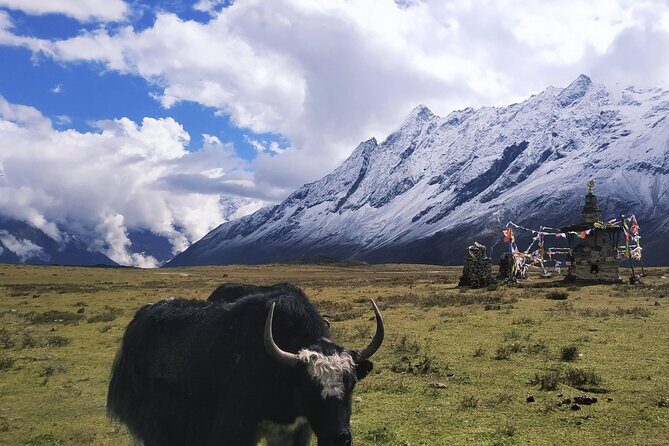
This trek covers areas under both Manaslu Conservation Area Project (MCAP) and Annapurna Conservation Area Project (ACAP). On paper, that’s “special permit” and “ACA permits.” On the trail, it’s a sign that you’re trekking through protected regions with established rules and managed access.
Practically, this matters for you because your operator is handling the paperwork: special permits, taxes/vats, and required documentation are included. You’re not stuck trying to sort forms before a long flight, and you’re not improvising entry rules while you’re already days deep into the mountains.
Also, this circuit’s protected-area setting is part of why the cultural side remains real. You’re not just walking through scenery; you’re walking through villages and farming areas where local life continues beside the trekking economy.
The trek rhythm: from low-altitude paths to alpine days
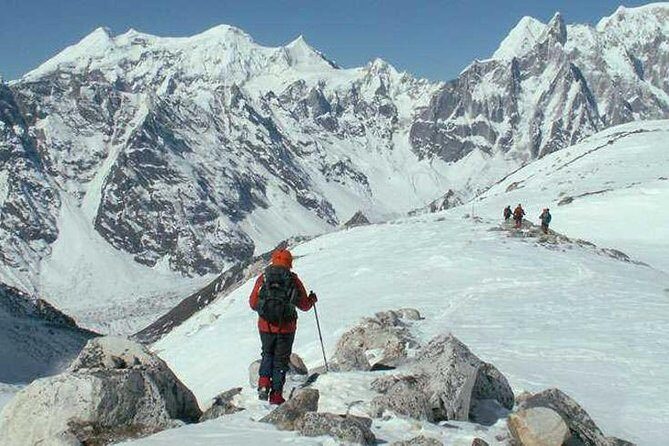
Manaslu Circuit is described as moderately strenuous, and that’s a useful way to frame it. The route starts at low altitude with scenic paths, then builds gradually until the Larkya La crossing. Expect your effort to increase over time, even if each day’s walking isn’t extreme on paper.
Here’s what you can use to picture the flow:
- Early on, you’re walking at lower elevations where you’ll feel more normal, and you’ll move through subtropical dense forest at times.
- Mid-trek, the vegetation and the air shift. You’ll spend more time in higher, thinner-air terrain.
- Then you push into the high point world—Larkya La at 5135 m—and after that, you work your way down again.
Most trekking days are about 5 to 6 hours of walking, with the pass day demanding more mental focus. Some routes involve longer days depending on snow and pacing, but the core idea is steady altitude gain with time built in for acclimatization.
One more note: this trip is designed for trekkers carrying a light private backpack. That’s not just comfort. It helps you keep your energy for the climb and reduces fatigue that can turn small mistakes into big ones at altitude.
Meals and tea houses: what’s included and what’s realistic
This is not a luxury lodge trek. But you also don’t have to wonder if you’ll eat.
All meals during the trekking period are included—breakfast, lunch, and dinner—with tea house lodge accommodation overnight. Breakfast and dinner happen at the same tea house where you sleep, and lunch is typically an en-route meal as you move toward the next destination.
In cities, the plan is generally BB (bed and breakfast), so you’ll choose meals during that part of the trip. Once you’re on trek, you’ll be picking from the menu at the tea house. Options listed include Nepali, Continental, Tibetan, Indian, and Italian-style items. Tea houses are described as basic but repaired and re-equipped after earthquake aftermaths.
What I like about this approach is that it keeps your budget predictable. You don’t end up making money decisions at 4500 m because you skipped lunch or didn’t like what you found. The main tradeoff is simplicity: tea-house beds and bathrooms are what they are.
A good mindset: pack for comfort where you can, and accept that the mountain sets the rules.






Guides and porters: why the experience feels professional
In the experiences tied to this route, the guides and porters come up again and again as the difference-maker. This trek includes a highly experienced trekking guide for the entire trek and the required number of porters.
Names that show up in the feedback include Pradip (guide) with his porter support team, Dorji (guide) with porter Karma, Sonam Sherpa as a guide, and porters like Rabin Tamang and Min. Management support also gets called out, including quick responses before arrival.
Why this matters: on Manaslu, the trek isn’t only about walking. It’s about decision-making—pace at altitude, when to push, when to slow, and how to handle day-to-day conditions. A solid team helps you stay calm, keep moving safely, and get the most out of the quieter trails.
If you’re comparing operators, this is one of the most practical ways to judge value: you want a guide who can read conditions and a porter who can move smartly and consistently. This plan clearly treats those roles as part of the product, not an afterthought.
The itinerary beats: pre-trek Kathmandu and post-trek recovery
This trip includes 4 nights stay before and after the trek, plus welcome and farewell dinners. That’s a big deal on a high-altitude journey. It gives you time to get organized without rushing, and it gives you a buffer to recover after your final descent.
In real terms, you’ll be able to:
- get your gear settled
- meet your team in Kathmandu
- handle acclimatization planning with less stress
- come back to town and eat a real dinner with people who understand what you just did
Pickup is offered, and the trek start meeting point is Tribhuvan Airport in Kathmandu with a listed start time of 9:45 am. You also get a mobile ticket, which helps keep the start day straightforward.
Price and value: is $1,955 fair for a remote circuit?
At $1,955 per person, you’re paying for more than “someone to lead you.” Your package includes:
- 4 nights pre/post in Kathmandu with welcome and farewell dinners
- all meals during the trek plus tea house accommodation
- special permits for the Manaslu region and ACA permits
- guide and porters, plus staff food, clothing salary, and insurance
- taxes/vats and necessary paperwork
Not included are personal expenses, bar bills and drinks, and rescue/evacuation, plus gratuity for staff.
So is it worth it? For a remote circuit with a high pass and permit-heavy route access, it can be good value—especially because the included items cover the things that usually blow up budgets at the worst time (permits, logistics, and daily meals). You’re also protected from the “missing paperwork” stress.
The main cost risk for you is what you add on your own: extra drinks, snacks you buy at trail stops, and any upgrades. The trip is built to keep core costs handled, which I think is exactly what you want when you’re focused on the mountains.
Season choice: autumn, spring, and the snow reality
The best seasons listed are three months in autumn (September, October, November) and three months in spring (March, April, May). Those are typically the best times for clear, sunny weather and strong visibility for mountain views.
There’s also a “less crowded” option in December, January, and February. The idea there is fewer people on the trail. The tradeoff is that winter can raise the chance of snow and harsher conditions—especially at a high pass.
Monsoon season (June, July, August) is listed as rainy and something that can ruin trekking. If you care more about steady trail days than dramatic rain stories, skip monsoon.
One more reality check: even in good seasons, you’re not controlling the mountain. If snowfall closes the pass, your plan has to adjust. That’s not a reason to avoid Manaslu Circuit—it’s a reason to pick a season and operator team that handles changing conditions calmly.
Practical fitness: what moderate strenuous really asks of you
You’ll want moderate physical fitness. The trek is suitable for adventure-motivated trekkers who can walk roughly 5 to 6 hours per day with a light personal backpack.
Technical mountaineering skills are not required, which is good news if you’re coming from normal hiking. Still, previous short trekking experience helps.
Also follow the altitude sickness prevention idea that’s emphasized: slow and steady works. You should also consider training for a couple of weeks beforehand with about an hour of daily activity (hiking, cycling, jogging, or gym work). The goal is not to be a marathoner; it’s to show up with your legs ready so your body can focus on altitude.
Safety and altitude sickness: how to plan your mindset
The plan itself is described as safe and secure, with routes and teahouses repaired and re-equipped after earthquake aftermaths. That’s the infrastructure side.
On the human side, you’ll still be walking at altitude, and altitude sickness can happen. The best prevention is pace and discipline. Don’t treat the pass day like a race.
If your priority is certainty of crossing the pass no matter what, this trek is not a guarantee. Conditions can change due to snowfall, and decisions may be made to protect trekkers. That’s the realistic contract of high passes in Nepal.
A small practical tip: keep your expectations flexible. If you mentally prepare for a reroute or turn-back scenario, you’ll lose less sleep and enjoy more of the trip’s actual purpose—views, culture, and trekking days.
Should you book this Manaslu Circuit Trek package?
Book it if you want:
- a quieter Himalayan circuit with a real culture-and-village feel
- one big high point challenge at Larkya La (5135 m)
- permits and day-to-day logistics handled, including meals and teahouse lodging
- a professionally run trip with guides and porters who are part of the core experience
Consider another option if:
- you need a schedule where the high pass must be crossed no matter the weather
- your fitness isn’t ready for 5 to 6 hours of walking at increasing altitude
- you’re expecting luxury comfort in tea houses
If you’re an outdoorsy walker who wants remote trekking without extreme technical climbing, Manaslu Circuit can be a smart, high-value choice.
FAQ
How long is the Manaslu Circuit Trek?
The duration is listed as 19 days 6 hours 2 minutes (approx.), including the overall structure with stays before and after the trek.
What is the highest point on the trek?
The trek highlights include crossing Larkya La Pass at 5135 meters.
What permits are included in the price?
The package includes special permits for the Manaslu region and the ACA permits, along with taxes/vats and necessary paper works.
Are meals included?
Yes. Meals are included during the trekking period, with breakfast, lunch, and dinner, plus tea house accommodation for overnight stays while on trek.
What’s the best time of year to go?
The best seasons listed are September, October, and November (autumn) and March, April, and May (spring). December, January, and February are also options if you want fewer crowds. Monsoon season (June, July, August) is described as rainy and not ideal.
How big is the group?
This tour has a maximum of 15 travelers.