REVIEW · KATHMANDU
12 days visit to Everest Base Camp via Lukla and Namche Bazar
Book on Viator →Operated by Nepal Hiking Pvt. Ltd. · Bookable on Viator
A flight to Lukla starts the climb fast. This Glimpse of Everest Trek packs big Everest-area views and Sherpa culture into a time-friendly route. I love that it goes to Tengboche Monastery on the way up, so the scenery arrives with context, not just altitude.
For a lot of people, the best part is the short time frame that still reaches the Everest Base Camp area. I also like the way the itinerary builds in acclimatization and pushes only as hard as needed. One real consideration: Lukla flight timing is weather-dependent, so you should be ready for delays and plan to stay flexible in the final day.
In This Review
- Key Highlights Worth Booking For
- Why This Short Everest Base Camp Trek Makes Sense
- Getting to Lukla: Your First Big Moment at 2,804m
- Namche Bazar: Acclimatize Like You Mean It
- Tengboche Monastery and the Ridge Views That Steal the Day
- The Middle Trek: Dingboche, Chhukung, and Lobuche
- Toward Ghorakshep and Base Camp: What Reaching the Goal Really Feels Like
- Kala Patthar: The Best Photo View Works Because It’s Early
- Returning Down: Namche, Phakding, and the Lukla Weather Wait
- Price and Value: What $1,620 Buys You (and What It Doesn’t)
- The Support System: Guide, Porter, and Why It Changes the Trek
- What Fitness Level Actually Fits This Route?
- Should You Book This Everest Base Camp via Lukla and Namche?
- FAQ
- How long is the Glimpse of Everest Trek?
- Where does the trip start and end?
- Are flights to Lukla included?
- What meals are included on the trek?
- Is Kathmandu accommodation included?
- Do I need to bring trekking equipment?
- What if poor weather affects the Lukla flight?
Key Highlights Worth Booking For
- Lukla to Everest Base Camp in a “first-timers” pace that feels manageable compared to longer routes
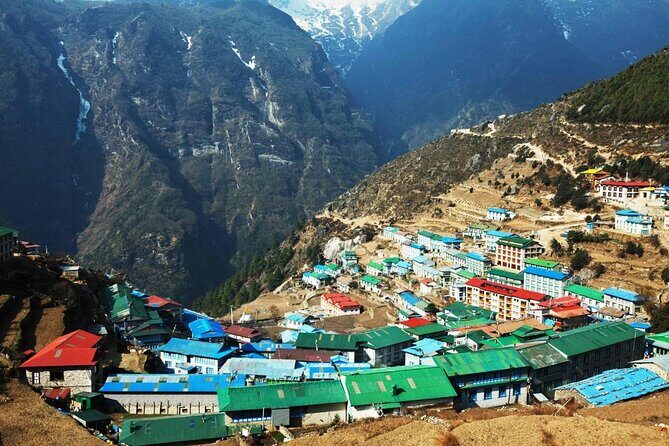
- Namche Bazar acclimatization + Sherpa museum to understand what you’re seeing
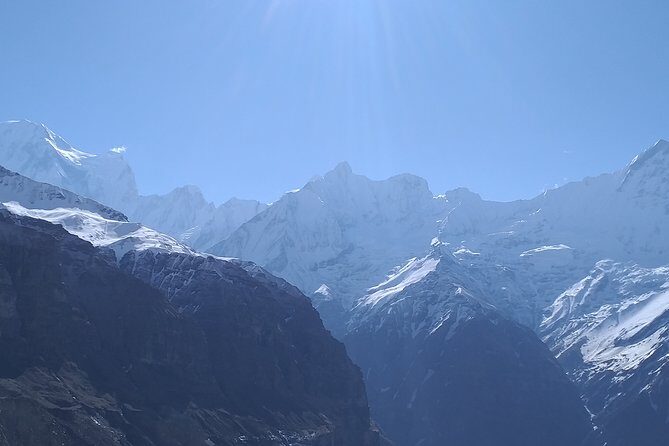
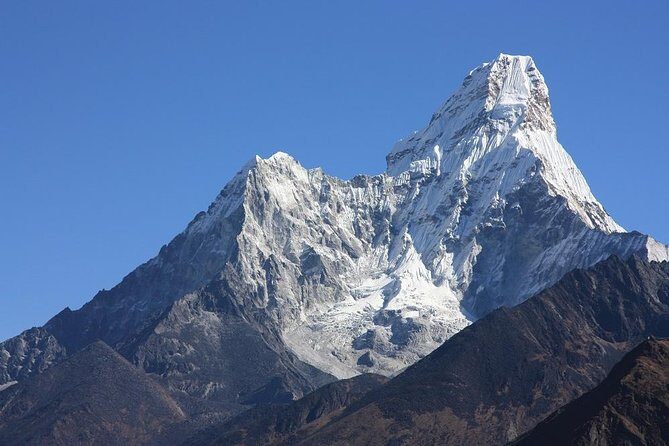
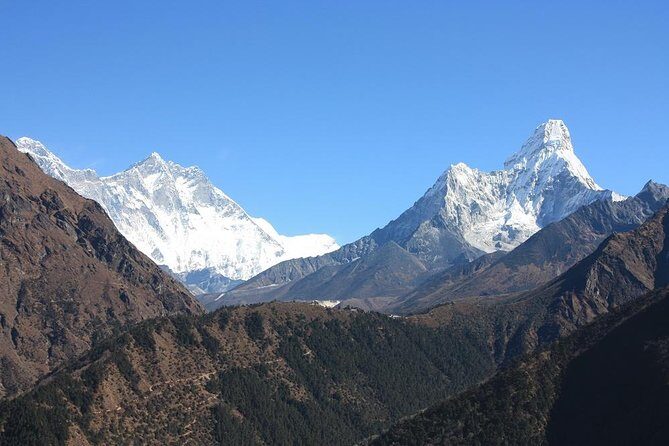
- Tengboche ridge views of Ama Dablam, Lhotse, Thamserku, and more
- Kala Patthar early-morning climb for one of the best sightlines of Mt. Everest
- Guide and shared porter support (1 porter for 2 people) so you’re not carrying everything yourself
Why This Short Everest Base Camp Trek Makes Sense
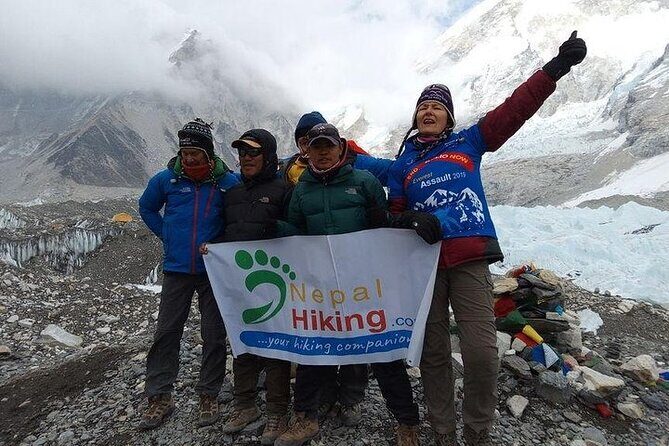
This is one of the smarter ways to experience the Everest region if you don’t have weeks. The trek is described as comparatively easy for the Everest area, and that shows in the pacing: you’re gaining height, but you’re not trying to “race” to extreme altitudes.
You also get the classic route pieces: Lukla, the Dudhkoshi River valley, Namche Bazar, the climb to Tengboche, and then the push toward Everest Base Camp and Kala Patthar. It’s a lot to fit into about 12 days, but the itinerary spreads effort across acclimatization days so your body has a fighting chance.
The biggest value here is not just reaching Base Camp—it’s seeing how the culture and daily life change as you climb. You’re trekking through Sherpa country, and you’re not doing it blindly. You get stops where the area makes sense.
You can also read our reviews of more tours and experiences in Kathmandu.
Getting to Lukla: Your First Big Moment at 2,804m
Day one starts with a quick hop in the Kathmandu morning air. You drive roughly 15 minutes to Tribhuwan International Airport, then fly about 30 minutes to Lukla (2,804m). After landing, you start trekking immediately and walk to Phakding (2,610m).
That first day matters. It gets you out of Kathmandu and onto the real rhythm of the trail early. You’re not just “visiting”—you’re transitioning, and the walking sets the tone for the rest of the trek.
Also, the operator offers airport pick up / drop off in Kathmandu and uses a mobile ticket. That kind of practical logistics support matters on a route where small delays can cascade.
Namche Bazar: Acclimatize Like You Mean It
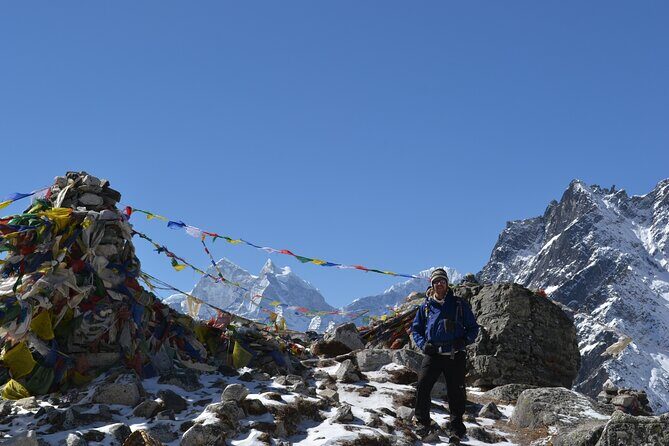
You trek up to Namche Bazar (3,535m) with a walk through the Dudhkoshi River area. The pace is brisk enough to feel like progress, but it’s not a wall of suffering—more like a warm-up for the higher days.
Then comes the most important day: acclimatization. In Namche, you take a walk around the valley to adjust to thinner air. You also visit the Sherpa museum, which helps you read the region with more than just your camera lens. Namche is truly the gateway to Everest, and learning the basics of Sherpa life and traditions gives your trek meaning.
There’s another practical benefit to this day: it helps reduce the “shock” feeling that can hit when altitudes rise fast. You’ll still be tired, but you’ll usually feel more in control.
Tengboche Monastery and the Ridge Views That Steal the Day
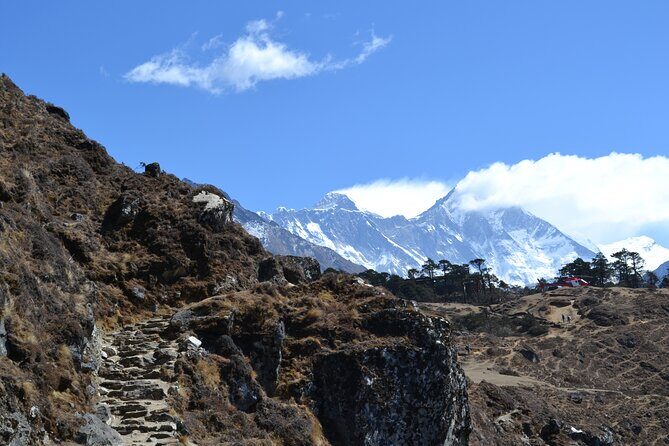
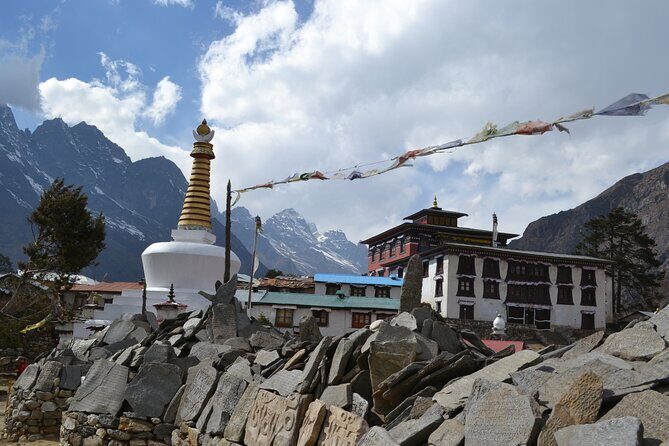
Tengboche sits on a ridge around 3,867m (often listed around 3,850m in the Everest area). This is one of those places where you understand why people make the effort. The trek brings you through Sherpa towns and then deposits you on a viewpoint-rich stretch where the big peaks show up clearly.
From Tengboche, you get views of Ama Dablam, Nuptse, Lhotse, Thamserku, and Kantega. You can also hear avalanches rumbling high up on the glaciers—an unsettling reminder that this is real mountain country, not a movie set.
A nice detail: one piece of feedback notes Tengboche monastery access is free. Even if your main goal is the skyline, don’t skip the monastery stop. It’s one of the best culture-and-views pairings on the entire route, and it’s a good mental reset after walking days.
The Middle Trek: Dingboche, Chhukung, and Lobuche
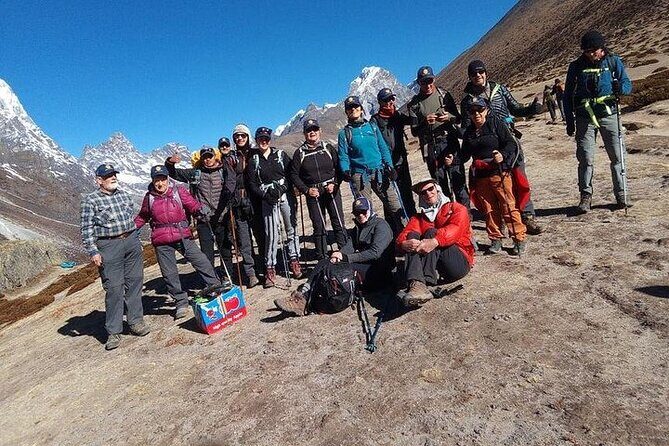
Once you leave Tengboche, the itinerary starts mixing walking with altitude strategy. You’ll climb through the Dudhkoshi River route again and pass villages like Pangboche, then reach Dingboche. From there, the plan is to keep your body adapting rather than simply chasing height.
For acclimatization, you’ll make a day trip toward Chhukung Valley or trek as high as possible on that day. That gives you the training effect of altitude gain without going full throttle toward the Base Camp zone.
Then you move to Lobuche. The trek description emphasizes great views of Mt. Amadablam and the village of Pheriche below. This is a key “in-between” moment: you’re still in trekking rhythm, but the Everest region starts feeling closer and more serious. It’s also where you can start feeling the thin-air effect in everyday actions like breathing, tying boots, and moving slower than normal.
One helpful pattern in the plan: you usually start trekking after breakfast, often between 7–8 a.m. That early start gives you more stable conditions and helps you arrive at stops before the day gets heavy.
Toward Ghorakshep and Base Camp: What Reaching the Goal Really Feels Like
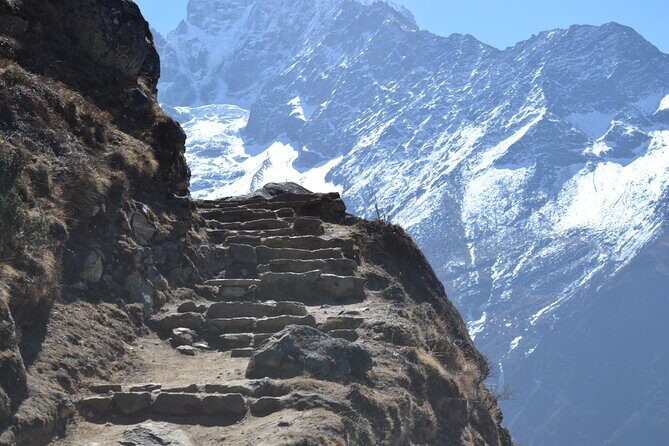
The Everest Base Camp day is structured in a way that reduces chaos. You leave Lobuche early and reach Ghorakshep in about 3 hours. You’ll leave your luggage at your guesthouse in Ghorakshep before heading onward, then return in the evening for an overnight stay.
That luggage step is more than convenience. It helps you travel lighter during the most intense sightseeing window. And the overnight stay in Ghorakshep sets you up for the early-morning push that follows.
This is also the day where weather can make the experience feel totally different. Clear mornings turn the big peaks into sharp landmarks. Cloudy mornings can still be dramatic, but your sightlines can be limited. If you’re the type who hates surprises, remember: Everest doesn’t do “guarantees” the way a city does.
Kala Patthar: The Best Photo View Works Because It’s Early
If you want one viewpoint that feels like a payoff, this route gives it to you: Kala Patthar. You leave early, hike for about 2 hours, and reach the best viewing area for Mt. Everest.
Why does this matter so much? Because early timing often means better visibility and less haze. Even if you’re not chasing perfect photos, Kala Patthar is the moment where you feel the scale of Everest-area peaks in a way that’s hard to understand from ground-level distances.
You’ll also be tired by then, and that’s normal. The point isn’t speed—it’s arriving with enough energy to look around and actually take it in.
Returning Down: Namche, Phakding, and the Lukla Weather Wait
After Kala Patthar and the Base Camp-area day, you start moving back down toward Namche Bazar. This return trek is more than a “cooldown.” Going down usually helps your body recover, but you still earn it with long walking hours and changing trail surfaces.
Then it’s the long final descent to Lukla through Jorsale and Phakding. The trek description says it’s a long and final day. Expect fatigue to show up here, even if your legs feel okay the first part of the walk.
On the last day, the plan is to wait for good weather and for the plane to land at Lukla airport. That’s the reality of the region. If you build in patience, the end becomes less stressful.
Price and Value: What $1,620 Buys You (and What It Doesn’t)
At $1,620 per person for about 12 days, this isn’t a cheap trip. But it’s not “pay for views only” pricing either. You’re covering several high-cost components that add up fast in Nepal’s Everest region.
What you get that you’d otherwise have to piece together:
- Local flights to and from Lukla
- Trek permits
- Guide + 1 shared porter for 2 people
- Mountain guesthouse/lodge accommodation
- Meals on the trek: breakfast (12), lunch (11), dinner (11)
- Airport pick up / drop off in Kathmandu
What’s not included, so plan your budget:
- Food and drinks in Kathmandu
- Kathmandu accommodation
- Trek equipment, including a sleeping bag
- Beverages like tea/coffee
For value, the meal plan is a big deal. On trekking routes, you can spend more than you expect on small purchases. Here, your bulk day-to-day nutrition is handled, so you can focus your money and energy on essentials like gear and good rest before the flight day.
The Support System: Guide, Porter, and Why It Changes the Trek
This trek works best when your support team keeps you steady. The plan includes a professional guide and a porter system that’s fairly efficient: one shared porter for every two people. That structure helps with safety and comfort, especially when you’re tired and altitude is thinning your energy.
Feedback tied to this operator mentions guides like Mr. Chethan and porters like Mr. Yuvraj, with praise for guidance and professionalism. It’s not just “who carries what.” A good guide helps you read trail conditions, manage pace, and understand local culture so the trek feels intentional.
Also worth noting: the operator’s Kathmandu base has been associated with attentive service from Tilak Thapa Magar. That matters because Kathmandu days can be less fun if you’re scrambling for details.
What Fitness Level Actually Fits This Route?
The trek asks for moderate physical fitness. That matches the general idea: this is not a gentle stroll because you’re still walking high-altitude terrain. But it’s described as easier than many other Everest region treks, mostly because the days are paced with acclimatization and you’re not trying to cram too much extreme altitude climbing into every single segment.
Your best preparation is simple:
- Be comfortable walking 4–6 hours on uneven ground
- Get used to steady climbing, not sprinting up hills
- Pack smart for cold mornings and windier ridges
If you’ve done multi-day hikes before, you’ll likely feel at home here. If you’re totally new to trekking, this route might still work, but you’ll need to take the acclimatization days seriously and listen to your guide about pace.
Should You Book This Everest Base Camp via Lukla and Namche?
I’d recommend this trip if you want the Everest region experience without committing to a longer trek, and if you value culture stops as much as peak views. Namche Bazar’s acclimatization day and the Sherpa museum add context. Tengboche delivers the “big peak” payoff on the ridge. Kala Patthar gives you a strong Everest sightline moment.
I’d think twice if you hate weather uncertainty. The end of the trip includes a Lukla flight wait, and that can shift your schedule. If you can stay flexible and patient, the trade-off is worth it.
If your goal is a short, scenic, well-supported introduction to Everest country, this one checks the boxes.
FAQ
How long is the Glimpse of Everest Trek?
The trek is approximately 12 days.
Where does the trip start and end?
It starts in Kathmandu, Nepal (meeting point: Kathmandu 44600) and ends back at the same meeting point.
Are flights to Lukla included?
Yes. The tour includes a local flight to and from Lukla.
What meals are included on the trek?
Breakfast is included for 12 days, and lunch and dinner are included for 11 days each.
Is Kathmandu accommodation included?
No. Kathmandu accommodation and food/drinks in Kathmandu are not included.
Do I need to bring trekking equipment?
Yes. Trek equipment, including a sleeping bag, is not included.
What if poor weather affects the Lukla flight?
The experience requires good weather. If it’s canceled due to poor weather, you’ll be offered a different date or a full refund.