Everest Base Camp, minus the trek.
What makes this Everest Base Camp Heli Tour special is the mix of big-altitude views and tight timing: you fly out early from Kathmandu, spend real time at key viewpoints, then get back to the city the same morning. I love that it’s run as a small group (maximum 5 people), which helps keep the experience calm and organized. I also like the built-in sightseeing stops like Kala Patthar and the Everest Base Camp area that you normally only reach on foot.
The biggest drawback to plan for is that your time at the highest points is short and weather can matter a lot at altitude. You should also know that breakfast is listed as not included in the price, even though you land at Hotel Everest View for the meal stop—so bring cash and expect cold.
In This Review
- Key moments that make this tour work
- A 5:45 a.m. flight day: getting out of Kathmandu fast
- Lukla (Tenzing Hillary) to set the stage for Everest
- Everest Base Camp from the air: what you realistically see
- Kala Patthar landing time: the best photos are fast ones
- Hotel Everest View breakfast: scenery with a timeout
- Pheriche shuttling above 4,500 m: why your group gets split
- Who should do this heli tour (and who should rethink it)
- Price and value: what $1,800 actually buys you
- What to bring so you’re comfortable at altitude
- Service style: small group control with real mountain focus
- Should you book this Everest Base Camp Heli Tour?
- FAQ
- What time is pickup and when does the tour start?
- How long is the Everest Base Camp heli experience?
- Does the tour include breakfast?
- Are park fees included in the price?
- What is the helicopter passenger limit?
- Why is there a stop in Pheriche?
- What happens if the flight is canceled due to weather?
Key moments that make this tour work
- 5:45 am start from Kathmandu so you catch clearer morning skies
- Kala Patthar photo time (10 to 15 minutes) at roughly 5,500 m
- Everest Base Camp and Ice-fall views from the air without days of trekking
- Everest View Hotel breakfast stop with mountain panoramas from around 3,880 m
- Group of 5 gets shuttled via Pheriche to handle helicopter limits above 4,500 m
A 5:45 a.m. flight day: getting out of Kathmandu fast
This tour is built around an early start, with hotel pickup timed for around 5:45 am and meeting/processing at Tribhuvan International Airport (domestic terminal). The whole experience runs about 5 to 6 hours, and you’re back in Kathmandu after the round trip—so it’s more like a morning expedition than a multi-day trek.
That early timing isn’t just convenience. Starting before the day heats up often helps you see more detail in the mountains and keeps the schedule efficient. Also, the day is structured enough that you’re not guessing what happens next: you go through airport formalities, fly to the mountain region, make viewpoint stops, then return to Kathmandu for drop-off.
The only real catch is mental prep. You’re waking up early, sitting in a helicopter, and moving through high altitude quickly. If you know you get overwhelmed by early mornings or tight schedules, plan to keep things simple that night before.
You can also read our reviews of more tours and experiences in Kathmandu.
Lukla (Tenzing Hillary) to set the stage for Everest
From Kathmandu, the flight route includes Lukla Airport, also known as Tenzing Hillary. The stop is brief—about 15 minutes—but it matters because Lukla is the gateway area for Everest logistics, even when you are not doing a trekking itinerary.
One detail worth taking seriously: Lukla is often described as one of the deadliest airports in the world, which is why pilots and operators plan carefully. You’ll want to show up on time and follow the staff directions fast. Also, helicopters and short connections mean delays can happen—though the tour notes that if weather cancels the experience, you’ll be offered a different date or a full refund.
This is also where weight limits show up. The tour lists 176 lbs (total weight per passenger). If you’re above that, this specific setup may not be possible for you.
Everest Base Camp from the air: what you realistically see
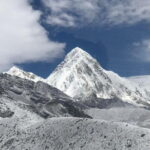
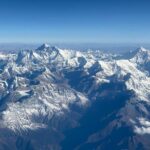
At around 5,364 m, the Everest Base Camp area is presented as the main highlight. In this heli format, you’re not walking the site for long. Instead, you’re flown through and shown the region during the flight portions that center on Everest Base Camp and the Khumbu Ice-fall.
Why that’s valuable: you get the emotional hit of seeing Everest’s base area and the ice dynamics without needing the days of acclimatization and long trekking days. If your time is tight, or your fitness goals are different, this is a way to experience the core geography of Everest’s world without the grind.
The tradeoff is also clear: you won’t have the same freedom to explore on your own at base camp. Your view comes in “windows”—the kind of views you can photograph, but not linger in like you would on a trek.
Kala Patthar landing time: the best photos are fast ones
After the base camp area moments, the tour centers on Kala Patthar, described as the highest point in the Everest Base Camp trekking region. The landing/photo window is short—about 10 to 15 minutes—so the goal is quick composition, quick checks, and quick re-location once you’re back in the air.
Expect altitude here. The short itinerary places this portion around 5,500 m / 18,044 ft. At that height, cold and thin air can affect how quickly you move and how long you feel comfortable outside. So I’d treat the photo time like a sprint, not a stroll.
One more thing: if you’re the type who wants dozens of angles and perfect light, bring that energy to the camera prep before you step out. This is a tour where timing matters more than luck.
Hotel Everest View breakfast: scenery with a timeout
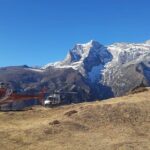
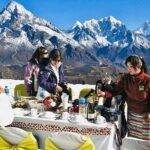
A standout part of the experience is the stop at Hotel Everest View for breakfast. The schedule shows a longer window here—about 1 to 2 hours—which gives you more than just a quick photo pause.
This stop is placed around 3,880 m / 12,730 ft, which feels more manageable than the highest viewpoint time. You also get a “civilized” break after the helicopter legs: you can sit, eat, and take in the mountain views with less urgency.
One important detail to plan around: the tour includes landing at Hotel Everest View for breakfast, but breakfast is listed as not included in the price. So you should expect to pay for the meal. If you travel with dietary needs, it’s worth being ready to order on-site rather than assuming everything is included.
Pheriche shuttling above 4,500 m: why your group gets split
The itinerary includes a short stop at Pheriche. Here’s the practical reason it exists: the tour notes that helicopters cannot land and take off with more than three passengers at altitudes above 4,500 meters. If you’re in a group of 5, you may be shuttled into groups of 3 and 2 for that segment.
That sounds technical, but it affects your experience in real ways. You may spend a bit more time waiting, and the timing of your viewpoint moments can shift slightly based on how the operator sequences the shuttles. The upside is that the system is built to stay within safe operational limits, rather than forcing an impractical one-size-fits-all plan.
If you’re traveling with kids or anyone who dislikes uncertainty, it helps to mentally treat Pheriche as a “handoff point,” not a viewpoint destination.
Who should do this heli tour (and who should rethink it)
This is a strong match if you want the Everest highlights but you don’t want—or can’t do—the full trek. The entire plan is designed for a single morning, and that makes it attractive for people with limited time in Nepal.
It also seems to work across ages and family situations. Names associated with the trip experiences include Madan (noted for caring, safety, and keeping a group comfortable, including an older traveler) and Raj (praised for attentive check-ins), plus Nimesh (praised for helpful info and humor during the experience). Porters and support staff led by Kaji are also mentioned as a big part of how the overall operation feels organized.
Still, there are clear reasons someone might think twice:
- The short time at the highest points means you don’t get the slow, gradual acclimatization you’d have on a trek.
- The experience depends on good weather, and the provider notes that poor conditions can cancel flights.
- The tour lists a 176 lbs weight limit per passenger and says a down jacket is not included, so you’ll want to plan for cold properly.
Price and value: what $1,800 actually buys you
At $1,800 per person, this isn’t a bargain compared to a standard tour. The value comes from logistics you’d otherwise struggle to assemble yourself: round-trip helicopter flights between Kathmandu and the Everest Base Camp area, administrative expenses, taxes, and fuel surcharge are included.
More specifically, the included items cover:
- Hotel airport pick-up and drop-off
- Helicopter seats capped at maximum 5 people
- Landing at Everest View Hotel for the breakfast stop
- Administrative expenses, government taxes, and fuel surcharge
What’s not included matters for your real budget. You’ll still want to budget for:
- Breakfast
- Alcoholic beverages
- Personal gear and a down jacket
- Sagarmatha National Park and Pasang Lhamu RM fees (listed as NPRS 6,000)
- Airport tax (listed as NPRS 500)
- Any costs if the flight is delayed
So is it worth it? If your alternative is spending a week trekking to reach Everest Base Camp and Kala Patthar, the heli format can be the difference between seeing Everest and only reading about it. If you already have the time and want a deeper trekking experience, it may not feel as “complete” as a multi-day route. But for a short window in Nepal, it’s a direct, high-impact way to see the region’s icons.
What to bring so you’re comfortable at altitude
The most fact-based guidance here is simple: the tour says personal gear and down jacket are not included. At the altitude points on this itinerary—especially around 5,500 m—plan for cold and wind.
Also, remember you’re doing airport processing early in the morning and then spending hours flying and viewing. Wear layers you can adjust quickly and bring the kind of outer warmth you’d want for cold mountain air. If your camera is part of the plan, keep it accessible, because your most important photo moments are measured in minutes.
Service style: small group control with real mountain focus
A consistent theme in how this kind of operation works is attention to order. This tour limits helicopter seating to small groups of up to 5, and that small size is part of what makes the experience feel managed rather than chaotic.
Guides linked to well-reviewed experiences include Madan, Raj, Nimesh, and also staff like Narayan, with support teams led by Kaji. The praised approach is not just guiding people to views—it’s checking on comfort and safety, and giving context about what you’re seeing out there.
If you care about clarity, pay attention during the briefing at the start of your day. With a helicopter schedule, small misunderstandings can become big stress fast. A good guide helps you keep your mind on the views, not the logistics.
Should you book this Everest Base Camp Heli Tour?
I’d book this tour if you want the Everest “big hits” in a single morning: Everest Base Camp area, the Ice-fall context, a quick but iconic Kala Patthar photo window, and a sit-down break at Hotel Everest View.
I would pause and research first if:
- you’re over the 176 lbs passenger weight limit,
- you don’t handle cold or altitude well,
- or you want a slow, immersive experience where you explore on foot for hours.
If you’re on the fence, use this rule of thumb: if your goal is seeing the Everest region’s most famous angles with minimal time cost, this heli day is a strong fit.
FAQ
What time is pickup and when does the tour start?
Pickup is scheduled around 5:45 am, with the meeting and airport formalities at Tribhuvan International Airport in Kathmandu.
How long is the Everest Base Camp heli experience?
The tour runs about 5 to 6 hours total.
Does the tour include breakfast?
You’ll land at Hotel Everest View for a breakfast stop, but breakfast is listed as not included in the price. Plan to pay for your meal on-site.
Are park fees included in the price?
No. Sagarmatha National Park and Pasang Lhamu RM fees are listed as NPRS 6,000, and airport tax is listed as NPRS 500.
What is the helicopter passenger limit?
The tour notes maximum 5 travelers, with helicopter seating capped at 5 people.
Why is there a stop in Pheriche?
Helicopters can’t land and take off with more than three passengers above 4,500 m, so groups may be shuttled into two sets (3 and 2) for that higher-altitude segment.
What happens if the flight is canceled due to weather?
This experience requires good weather. If it’s canceled because of poor weather, you’ll be offered a different date or a full refund.