REVIEW · KATHMANDU
Everest Base Camp Trek – 15 Days
Book on Viator →Operated by Welcome Nepal Treks P.ltd · Bookable on Viator
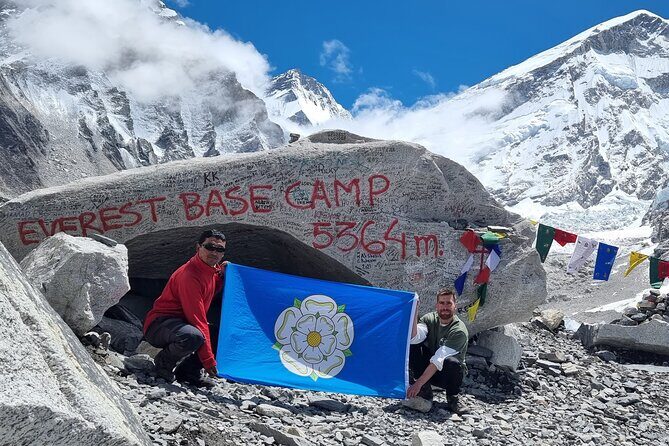
Everest Base Camp has a way of changing your pace. This trek mixes Lukla flights, lodge-to-lodge days, and slow acclimatization climbs so the route feels doable even while you’re heading toward Base Camp at 17,598 feet (5,364m).
I love that the package handles the hard parts: a government-licensed English-speaking guide with first-aid training, permits, and a porter (1 porter per two clients). I also like the Kathmandu setup and wrap-up, with airport transfers, 3-star twin-share hotels (three nights), and even a farewell dinner at a Nepali restaurant in Bhojan Ghar.
The main drawback to plan for is altitude and weather. You’ll reach high points like Kala Patthar (5,545m), and the trek depends on mountain conditions, so you need a strong fitness base and a flexible mindset.
In This Review
- What makes this route work in real life
- Key highlights to look for
- The big idea: a lodge trek that respects altitude
- Price and what your $1,600 actually buys
- Day 1 in Kathmandu: get your bearings fast
- Day 2: flying to Lukla and walking into Phakding
- Day 3: Phakding to Namche Bazaar and entering Sagarmatha National Park
- Day 4: the Namche acclimatization day (and the Sherpa side of Everest)
- Day 5: Namche to Tengboche (Tyangboche) and monastery vibes
- Day 6: Tengboche to Dingboche through forests, bridges, and valleys
- Day 7: Dingboche acclimatization and the hike toward Chhukum
- Day 8: Dingboche to Lobuche and the approach toward Everest country
- Day 9: Lobuche to Gorakshep, then Everest Base Camp
- Day 10: Gorakshep to Kala Patthar sunrise and down to Pheriche
- Day 11: Pheriche back toward Namche Bazaar
- Day 12: Namche to Lukla and your last night on the trail
- Day 13: Early fly back to Kathmandu and a proper farewell meal
- Day 14: choose your own pace in Kathmandu
- Day 15: departure day with a private car drop-off
- The support system I’d count on (and why it matters)
- What you should take seriously before you go
- Who this trek suits best
- Should you book this Everest Base Camp trek?
- FAQ
- What time does the experience meet each morning?
- Is pickup offered in Kathmandu?
- Are flights to Lukla included?
- How are permits handled?
- What kind of lodging will I sleep in?
- What meals are included?
- Is there free cancellation?
What makes this route work in real life
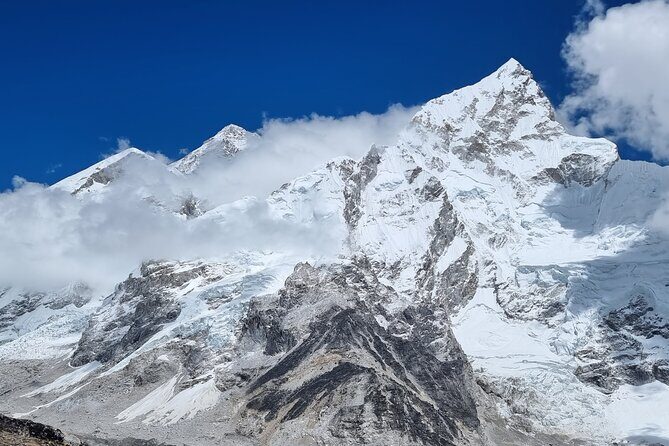
The trip is built around practical altitude logic: you gain height, rest, then gain more height. Days in Namche Bazaar and Dingboche are there for your body, not just for views, and the route keeps you moving without turning everything into a sprint.
You’ll hike with a maximum group size of 15, which usually means less chaos in tea houses and a more personal feel with your guide and porter team. And from the kind of guidance people highlight with Welcome Nepal Treks, names like Padam and Pralad Simkhada come up for staying organized and in a good mood on tough days—exactly what you want when the weather tightens.
Key highlights to look for
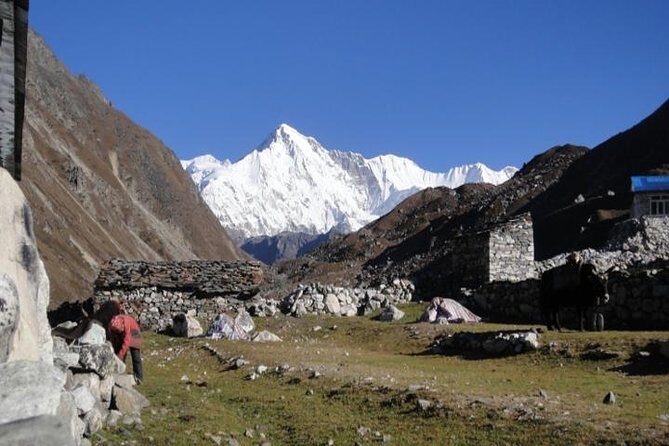
- Lodge-to-lodge trekking in the Everest region, with tea house stays built into the pace
- English-speaking, first-aid trained guide and a porter ratio of 1 porter per two clients
- Acclimatization days in Namche Bazaar and Dingboche so the higher passes feel safer
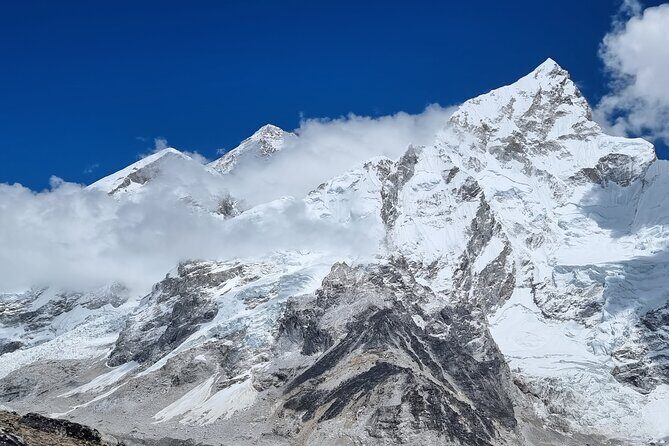
- Kalapatthar sunrise the morning you go highest on the trek (5,545m)
- Everest Base Camp via Gorakshep, including time at Base Camp before turning back
- Kathmandu comfort time: three nights in a 3-star twin-share hotel plus sightseeing options
You can also read our reviews of more hiking tours in Kathmandu


The big idea: a lodge trek that respects altitude
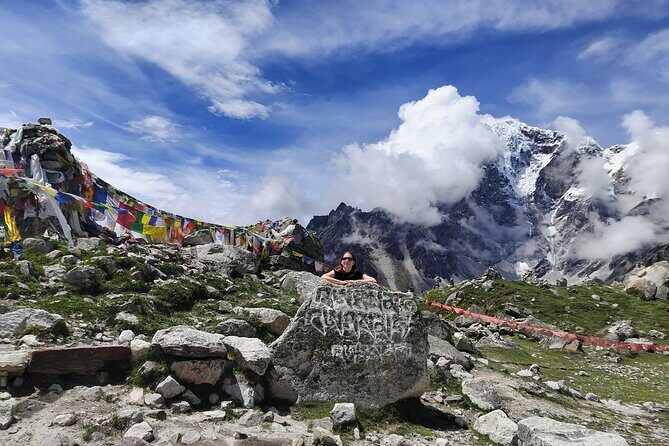
This is not a “show up and run uphill” trek. The whole schedule is shaped around the idea that you’re climbing into thinning air, so you’ll spend time where your body can adjust. That matters because even if the trail is “not very difficult” in the usual hiking sense, the altitude changes everything.
You’ll move through classic Everest villages—Phakding, Namche Bazaar, Tengboche, Dingboche, Lobuche, Gorakshep—and finish at Everest Base Camp and Kalapatthar. The payoff is huge, but the route is also built to keep you functional: eating, resting, and doing a steady number of hours each day.
Price and what your $1,600 actually buys
At $1,600 per person for about 15 days, this trek is priced like a full service package, not just a map and a hope. The value gets much clearer when you look at what’s included: airfare for Kathmandu–Lukla–Kathmandu, all trekking permits, Kathmandu hotels (three nights), and most meals during the hike.
Here’s the practical breakdown of what you’re paying for:
- Guided trekking with support staff (English-speaking, government-licensed guide; plus first-aid training)
- Porter help: 1 porter for every two clients
- Lodging structure: 3-star twin-share in Kathmandu; tea house rooms during the trek (mostly twin-share, sometimes dorm-style)
- Meals during the trek: breakfast for 14 days, lunch for 11 days, dinner for 12 days
- Transport: airport departure tax included with the Lukla sector airfare
What’s not included is equally important for value. International flights, Nepal visa, travel insurance for emergency high-altitude rescue/evacuation, Kathmandu lunch and dinner, drinks, personal gear, and tips are all on you. If you already have good trekking equipment and you’re comfortable budgeting for insurance and tips, the package price starts to look very fair.
Day 1 in Kathmandu: get your bearings fast
Your first day is straightforward: arrive at Tribhuvan International Airport, meet a representative, and transfer to a 3-star hotel in Thamel (either Thamel Eco Resort or The Address Kathmandu Hotel). You’ll have time to rest and adjust before the big change from city life to mountain life.
Why I like this approach: the trek starts early and the logistics matter. A comfortable hotel base helps you sleep, eat normally, and sort any gear issues before your flight to Lukla.
Day 2: flying to Lukla and walking into Phakding
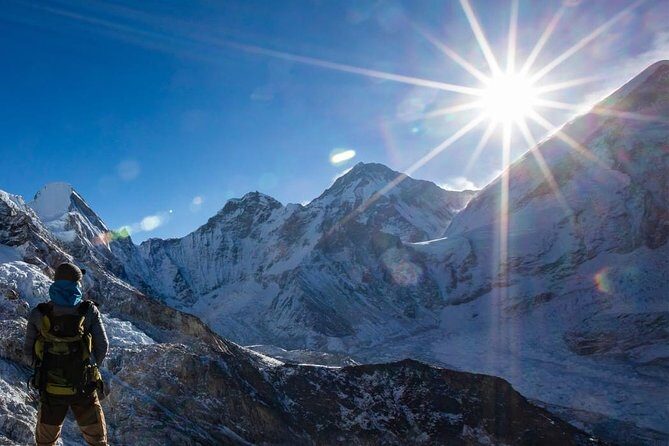
Morning flight from Kathmandu to Lukla (2,886m) is where the whole Everest thing becomes real. After landing, you’ll refresh in a hotel, then start trekking toward Phakding (2,640m) along the Dudh Koshi river corridor.
This day is all about settling into rhythm. The walking is described as a gentle climb on the left bank of the Dudh Koshi, with big Himalayan shapes showing across the river. You reach Phakding in the late afternoon and stay in a tea house lodge—exactly what you want after your flight day.
My practical note: Lukla days can be weather-sensitive, so keep your morning flexible. Even if the plan is set, mountain flight schedules can shift.





Day 3: Phakding to Namche Bazaar and entering Sagarmatha National Park
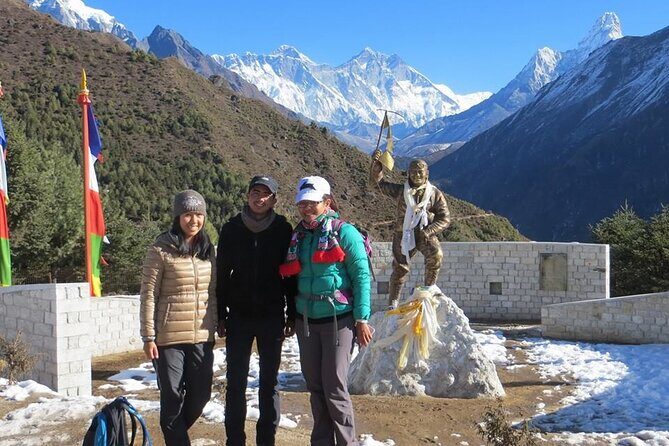
Today brings Namche Bazaar (3,440m), a big altitude jump compared with Phakding. The trail follows the Dudh Koshi and includes ups and downs through forest sections and small settlements like Chumoa and Monjo.
A key moment is the Sagarmatha National Park service area, where a park entrance fee is deposited. Since trekking permits are included, this part is handled as part of your overall documentation and routing.
This is also one of your first “wow” days. You’re walking into a valley that starts feeling high and Himalayan quickly, and the views of peaks across the river show up more often.
Day 4: the Namche acclimatization day (and the Sherpa side of Everest)
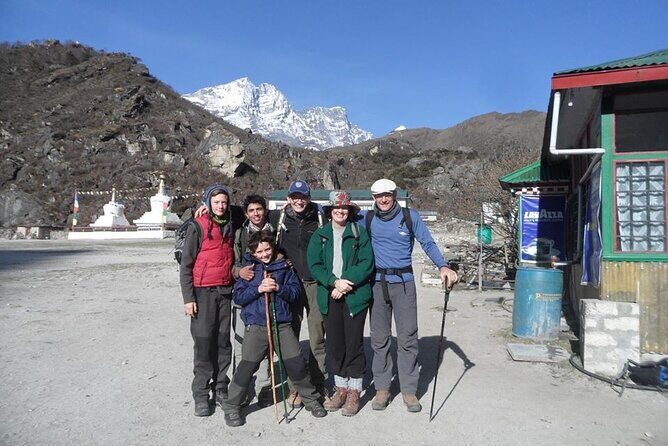
You stay in Namche Bazaar for rest and acclimatization at 3,440m. This is not wasted time. It’s one of the smartest pieces of the whole trek because it reduces the risk of pushing upward too fast.
On top of resting, you’ll go up to Khumjung monastery, in a Sherpa community settlement, and you’ll get a wide view of major peaks such as Everest, Ama Dablam, Thamserku, Nuptse, Lhotse, Tawche, and Kwangde. There’s also a museum above town that shows Sherpa culture.
Why this matters: Everest isn’t just a climbing story. You’re walking through a living culture, with monasteries, community life, and a long relationship with these mountains.
Day 5: Namche to Tengboche (Tyangboche) and monastery vibes
From Namche, you trek to Tengboche (Tyangboche) (3,867m). The trail leaves a steep drop-off area that looks straight down toward the Dudh Koshi, and the day is timed for maximum mountain panoramas.
You’ll visit sites described along the way—Trashinga and Phunki Tenga—then arrive at Tengboche for night tea house lodging. Tengboche is known for sunrise and sunset views of Everest and Ama Dablam, so if you’re up for it, the late day can be worth the extra energy.
This day can feel long at altitude, but it’s also one of the most emotionally rewarding stops. Monasteries here aren’t just scenery; they’re part of how people live, pray, and mark the seasons in the Khumbu region.
Day 6: Tengboche to Dingboche through forests, bridges, and valleys
You move from Tengboche into Dingboche (4,260m), trekking about five hours. The route descends through a rhododendron forest, then crosses a suspension bridge at Imja Khola. After that, you head through Imjatse Valley terrain beneath Ama Dablam, Nuptse, and Lhotse before reaching Dingboche.
This is a good example of why a guided lodge trek works. The walk is varied—forest to valley to river crossing—so it keeps your attention. And because the climb is steady, you’re not constantly guessing what the next big rise will cost you.
Day 7: Dingboche acclimatization and the hike toward Chhukum
Another acclimatization day happens in Dingboche at 4,260m. You’ll hike around the village, then in the afternoon you can go up to Chhukum, which provides big views of Island Peak, Ama Dablam, Makalu, and other peaks.
This is your chance to practice being at altitude without overdoing it. Go up, take breaks, enjoy the views, and come back with your legs still working tomorrow.
Even better: Chhukum gives perspective on the region’s peak lines. It’s easier to understand the geography of Everest once you’ve seen how close the big neighbors look from here.
Day 8: Dingboche to Lobuche and the approach toward Everest country
Today heads toward Lobuche, about five hours of trekking, described as gentle uphill to Pheriche then onward. Along the trail you get panoramic views of peaks like Tawache, Ama Dablam, Pokalde, Kongma-tse, and the Nuptse ridgeline.
Lunch is described at Dugla (4,595m) before continuing to Lobuche for tea house lodging. The pattern is consistent: walk, fuel, then keep going.
My take: this day helps you mentally switch from “I’m still hiking to the Everest region” to “I’m really in Everest country now.” The peaks feel closer and the terrain becomes more rugged.
Day 9: Lobuche to Gorakshep, then Everest Base Camp
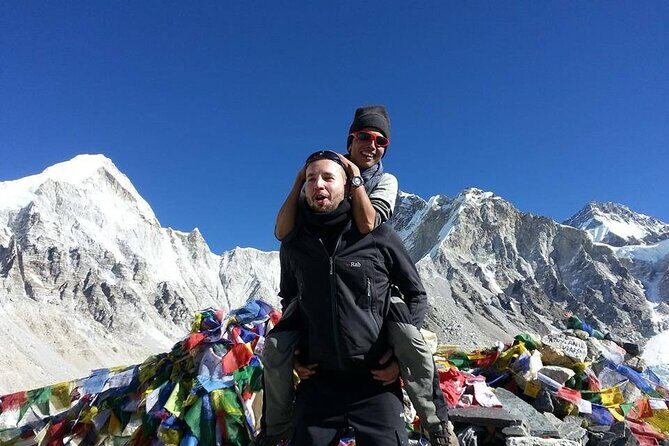
From Lobuche, you trek to Gorakshep (5,140m) and then to Everest Base Camp. The route becomes rocky, and the description includes paths near the Khumbu glacier. This is one of the most rewarding days because you’re finally walking into the space you pictured in dreams.
Expect a long day—about eight hours—with time at Base Camp and then back to Gorakshep for overnight tea house lodging.
A grounded tip: Base Camp is high and the air can feel thin even after you’ve been hiking for days. Don’t try to “make it up” by rushing. Take your time. You’re not just sightseeing; you’re absorbing an achievement that took days to earn.
Day 10: Gorakshep to Kala Patthar sunrise and down to Pheriche
You’ll trek from Gorakshep to Kala Patthar (5,545m) and then continue to Pheriche (4,243m), with about seven hours total.
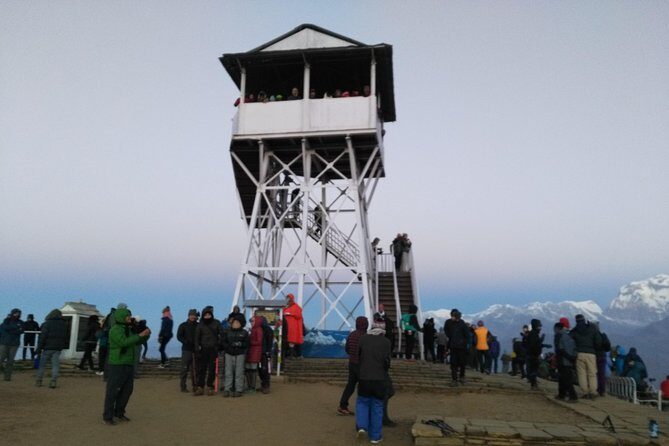
This is the sunrise day. You’ll get ready early to climb Kala Patthar and watch the horizon light up, with views of Everest, Pumori, Lingtren, Khumbetse, Nuptse, Lhotse, Ama Dablam, and Thamserku among others.
There’s also a medical detail worth knowing: the Himalayan Rescue Association aid post is available at Pheriche, with foreign volunteer doctors mentioned as providing medical treatment. You’re not counting on it, but it’s reassuring to know support exists in the region.
Day 11: Pheriche back toward Namche Bazaar
Today is a reverse direction day: you trek from Tyangboche to Namche Bazaar (3,440m), about four and a half hours, with visits to traditional villages like Khumjung and Khunde along the way.
A specific cultural stop is mentioned: a monastery that has a Yeti scalp display. Whether you find that fascinating or a little strange, it’s a reminder that Everest stories travel with people, not just peak lines.
You reach Namche late afternoon and stay in a tea house lodge.
Day 12: Namche to Lukla and your last night on the trail
This is your final long push downhill in the schedule: trek from Namche to Lukla and arrive in time for rest. Lunch is served on the way, which helps you keep energy without stopping for too many snack runs.
You’ll overnight again in a tea house lodge. Mentally, this night can feel like a bridge between worlds—still in trekking mode, but getting ready to fly back to Kathmandu.
Day 13: Early fly back to Kathmandu and a proper farewell meal
You board an early flight from Lukla to Kathmandu. When you land at TIA, representatives meet you and transfer you back to the hotel. In the afternoon, you’re given time for shopping, plus a farewell dinner in Bhojan Ghar at a typical Nepali restaurant.
This day is more than comfort. It’s also a reset. Your body has been working hard for nearly two weeks, and Kathmandu gives you a place to stretch out, shower properly, and eat food that feels normal.
Day 14: choose your own pace in Kathmandu
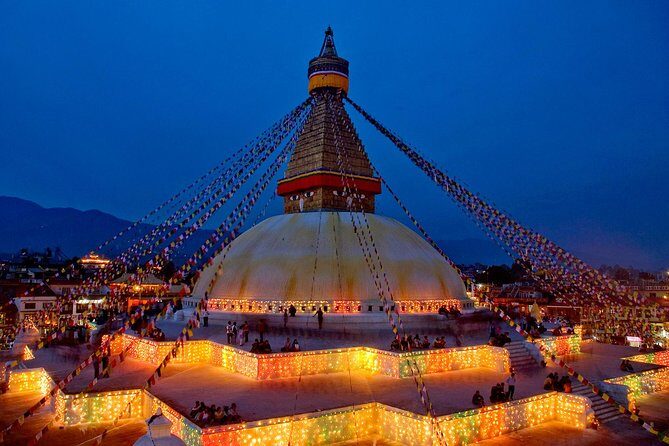
After breakfast, you can rest at the hotel or do sightseeing. Included activities are described as options like Monkey Temple, Patan Durbar Square, Boudhnath Stupa, and Pashupatinath Hindu Temple.
If you want a cultural bookend to the mountain experience, these stops give you that. Everest is the main event, but Nepal’s temples and city life are part of why people fall in love with this country.
Day 15: departure day with a private car drop-off
Your last day is simple: after breakfast you have time until departure, then you’re dropped at the airport by private car.
This is a nice touch for stress reduction. After your last sunrise at altitude, you don’t want your ending to involve last-minute figuring out transport.
The support system I’d count on (and why it matters)
This trek is designed around a support structure that can make the difference between a hard trip and an unmanageable one.
You get:
- A government licensed English-speaking trekking guide who is first-aid trained
- Porter support at 1 porter for every two clients
- Tea house lodging included during the trek, mostly twin-share (sometimes dorm-style)
The “porter per two people” ratio matters. Even if you’re fit, carrying less weight helps you spend energy on steady walking and altitude management. Your comfort improves and you’re less likely to burn out before the high days.
From the stories shared about guides like Padam and Pralad Simkhada, a consistent theme is attentiveness and good organization—booking and routing the trek smoothly, and choosing good tea house options. When the weather shifts, that kind of calm matters.
What you should take seriously before you go
This is not a trek for casual fitness. The trip specifically calls for travelers with strong physical fitness. That means you should train before you arrive, especially for endurance and for handling climbs at altitude.
Also take note of what you’re responsible for:
- Nepal visa
- International airfare
- Travel insurance covering emergency high-altitude rescue and evacuation
- Personal trekking equipment
- Tips for guide and porter (tipping is expected)
- Kathmandu lunch and dinner
- Alcoholic and cold/hot drinks
If you skip insurance, you’re accepting real risk. Everest-area emergencies are not common, but when they happen, costs can be high and decisions need to be fast.
Who this trek suits best
This trek is a strong match if:
- You want a classic Everest Base Camp route with acclimatization days rather than nonstop pressure
- You like a guided plan with real support (porter + trained guide)
- You want both mountains and Nepal culture (Kathmandu hotel days plus temple sightseeing)
- You’re okay with basic tea house living and shared rooms while you hike
It may be less ideal if:
- You prefer total independence (this is a guided group trek)
- You can’t handle altitude uncertainty or long walking days
- You don’t want to budget extra items like insurance, drinks, and tips
Should you book this Everest Base Camp trek?
If your goal is Everest Base Camp without turning the journey into chaos, this is an easy one to recommend. The biggest reason is the way the schedule supports altitude: Namche Bazaar and Dingboche are built in for acclimatization, and the high points are planned with timing that makes sense.
Also, the package covers the “messy stuff” that can eat your time: Lukla flights, permits, most meals, and trained guide support. That gives you more mental space for the real work—walking steadily, staying hydrated, and enjoying the peaks as they keep appearing.
If you’re fit, budget for your missing items (especially insurance and tips), and you’re flexible about mountain conditions, booking makes a lot of sense.
FAQ
What time does the experience meet each morning?
The start time listed is 6:15 am.
Is pickup offered in Kathmandu?
Yes. You’re met by a representative on arrival at the airport, and there’s also a private car drop-off to the airport on the final day.
Are flights to Lukla included?
Yes. Airfare for the Kathmandu–Lukla–Kathmandu sector, including airport departure tax, is included.
How are permits handled?
All necessary trekking permits are included. The plan also includes the Sagarmatha National Park service area where a park entrance fee is deposited.
What kind of lodging will I sleep in?
Kathmandu has 3-star twin-share accommodation for 3 nights. During the trek, you stay in guesthouses/tea house lodges, mostly twin-share and occasionally dormitory-style rooms.
What meals are included?
Breakfast is included for 14 days, lunch for 11 days, and dinner for 12 days. Lunch and dinner in Kathmandu are not included.
Is there free cancellation?
Yes. You can cancel up to 24 hours in advance for a full refund. If you cancel less than 24 hours before the start time, the amount paid is not refunded.