REVIEW · KATHMANDU
Everest Base Camp Trek 15 Days
Book on Viator →Operated by Sherpa Expedition & Trekking · Bookable on Viator
Everest Base Camp is the goal, full stop. This 15-day trek takes you into the Khumbu world of Sherpa culture, Buddhist monasteries, and big mountain views—then pushes you up to Base Camp at 5,364m. I like how the trip focuses on real places and real living traditions, not just checkmarks, and I also like that you’re sleeping in clean, scenic lodges with warm nights after long days. One consideration: altitude is no joke, so if you’re not ready for a gradual climb and a careful pace, the trek can feel slower and more tiring than you planned.
I also appreciate the way the experience is built around comfort and support where it matters. You get key trekking gear (including a sleeping bag and duffel bag) plus meals each day, and the company emphasizes thoughtful guidance—names like Pasang, Lakpa, and Buddha Tamang show up again and again. The one drawback to keep in mind is that the trip depends on weather and minimum traveler numbers, so you may have to shift dates if conditions aren’t right.
In This Review
- Key highlights I’d bookmark before you go
- Kathmandu wake-up: meeting at 6:15am and getting organized
- The trek’s core theme: Sherpa villages, monasteries, and daily culture
- Forests, rhododendrons, and the climb before the stark terrain
- Toward the Khumbu icefall: learning to enjoy the harsh beauty
- Lodges at altitude: warm nights and a practical kind of comfort
- Guides who shape the whole experience: Pasang, Lakpa, Buddha Tamang, and more
- Porters and the day-pack reality at high altitude
- Price and value: what $2,400 includes (and why that matters on the trail)
- What your 15-day rhythm will feel like (without the fluff)
- Who this trek suits best (and who might struggle)
- Final decision: should you book Everest Base Camp 15 days?
- FAQ
- How long is the Everest Base Camp trek?
- Where does the trek start in Kathmandu?
- What time does the activity start?
- Is pickup offered?
- Is this a private tour?
- What’s included in the price?
- What’s not included?
- What fitness level do I need?
- What if weather is poor?
- When can I cancel for a full refund?
Key highlights I’d bookmark before you go
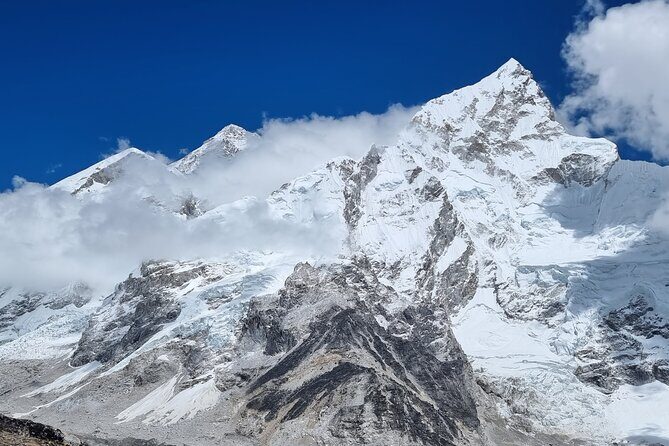
- Base Camp at 5,364m with panoramic high-mountain views you came for
- Sherpa villages + Buddhist monasteries so you’re not just hiking through scenery
- Khumbu icefall glacier scenery and the stark beauty of higher elevations
- Clean scenic lodges to sleep warm and reset between trekking days
- Included gear and meals (sleeping bag, duffel bag, dinner/breakfast/lunch)
- Strong guide support shown in real-world logistics help from guides like Lakpa and Ram
Kathmandu wake-up: meeting at 6:15am and getting organized
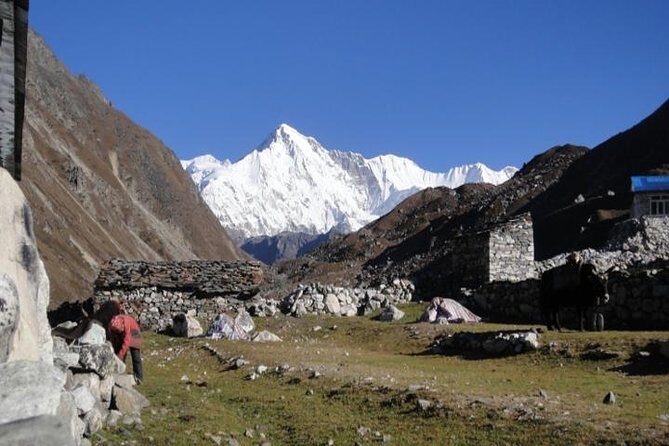
Your trek starts in Kathmandu at the Sherpa Expedition And Trekking meeting point, with a 6:15am start time. That early hour matters. It gives you time to get sorted before your day turns into a long travel-and-trek day, which is exactly what you want when you’re heading toward serious altitude.
If you opted for pickup (it’s offered), you’ll likely find it reduces stress on day one. Nepal logistics can be chaotic at street level, and a smooth transfer helps you keep your body calm and your head clear. You’ll also be in a private tour/activity, meaning it’s only your group—less waiting around, fewer mismatched paces, and easier adjustments if someone needs extra time early on.
One more detail that’s easy to overlook: this trek is listed for travelers with at least moderate physical fitness. That doesn’t mean you need to be an athlete. It does mean you should be comfortable walking uphill for hours and handling slower days when altitude starts to change how you feel.
You can also read our reviews of more hiking tours in Kathmandu
The trek’s core theme: Sherpa villages, monasteries, and daily culture
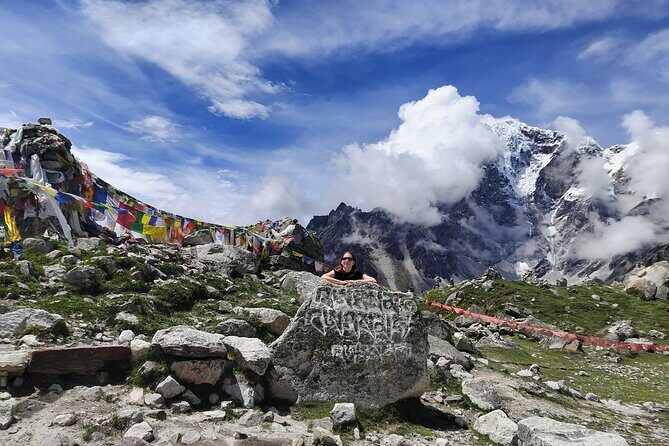
The Everest Base Camp trek isn’t just about the mountain. The best part is what happens along the way—Sherpa villages, Buddhist culture, and the rhythm of life in the Khumbu region.
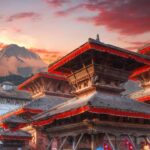
You’ll spend time exploring Sherpa traditional villages and seeing how Buddhism shapes daily scenes: prayer flags, monastery visits, and heritage-style stops that sit against dramatic peaks. Even if you’re not a “history person,” these pauses help you understand where the culture lives and why so many Sherpa communities have a deep relationship with the Himalaya.
I especially like that this trek frames culture as part of the route. Many itineraries treat cultural stops like quick photo ops. Here, culture seems woven into the hike so the trek feels like a living journey, not a checklist.
Forests, rhododendrons, and the climb before the stark terrain
Before things turn barren and icy, you get a more traditional trekking feel: alpine rhododendrons, pine forests, and greener slopes. That early-to-mid elevation mix is more than pretty. It tends to make the climb psychologically easier because the environment shifts gradually, not abruptly.
It’s a smart design for your body too. When the trail starts in softer terrain and climbs toward more extreme high-country zones, you can find a steady rhythm. You’ll still be working, but you’re not immediately dropped into the harshness of glacier scenery.
And speaking of transitions, pay attention to how your breathing changes when the air gets thinner. Even on days with scenic views, keep your pace controlled. If you go too fast early, the later days can feel like a penalty.
Toward the Khumbu icefall: learning to enjoy the harsh beauty
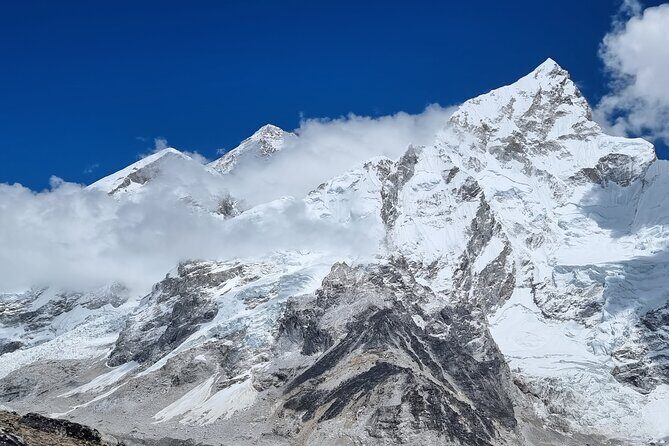
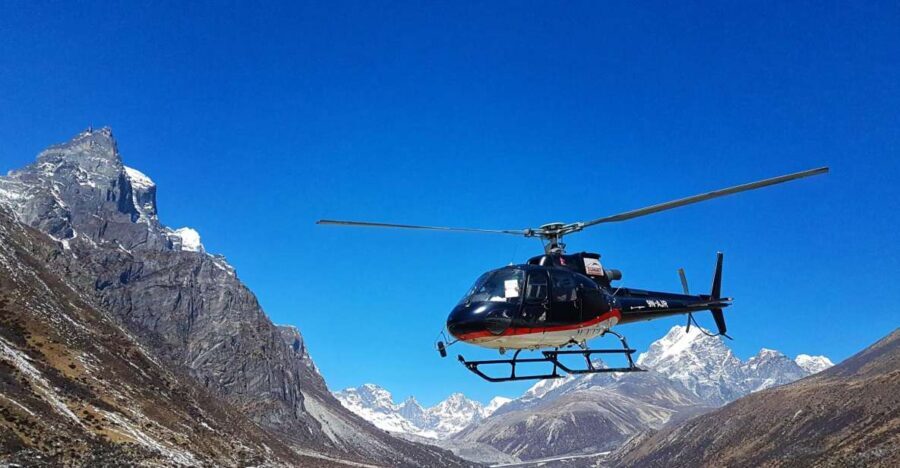
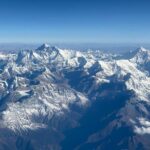
The higher you go, the more the world becomes all edges and rock and ice. The overview specifically calls out the Khumbu icefall glaciers, including the barren feel of that zone. This is one of those places where you can’t fake your reaction. It’s big, raw, and different from what most people picture when they hear Everest.
What I like about reaching this area is that it changes how you see the mountain. Everest becomes less of an icon and more of a physical force: changing light, shadows on ice, and the sense that you’re walking through a system of weather, glaciers, and altitude.
This is also where your trekking habits matter most. Use small, consistent steps. Don’t sprint between pauses. If you’re feeling strange—headache, nausea, unusual fatigue—say something right away. A good guide will adjust your day before it becomes a bigger problem.
Lodges at altitude: warm nights and a practical kind of comfort
One of the biggest wins in this trek is the promise of spending your nights in warmth and comfort in clean scenic lodges. That matters more than people think. After a long trekking day, the difference between a rough sleep and a decent reset is the difference between feeling human and feeling wrecked.
You’re also provided the essentials: a sleeping bag and a duffel bag. That’s not just convenience. It means you don’t have to guess whether your gear is warm enough for mountain nights, and it lowers the stress of packing for a trek.
Meals are included as well—breakfast, lunch, and dinner. Food at altitude can make or break your energy. Having full meals built into the trip helps you avoid the awkward scramble of finding something that works when you’re already tired.
A quick reality check: snacks are not included, and alcohol/soda/pop are not included either. So plan for water, small extras, and any comfort foods you want. If you rely on convenience purchases at altitude, that can turn into an expensive habit fast.
Guides who shape the whole experience: Pasang, Lakpa, Buddha Tamang, and more
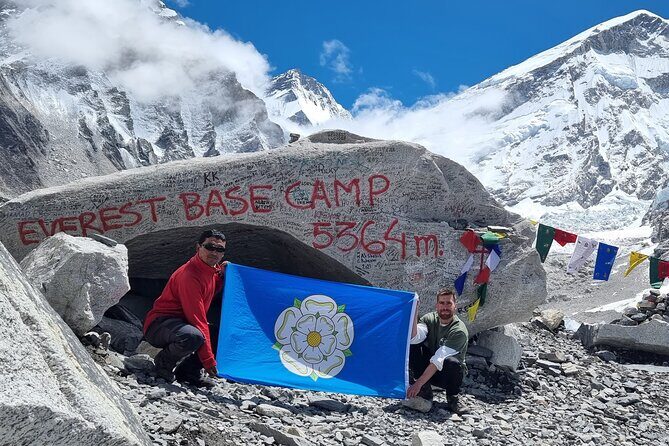
The mountain is the mountain. But your experience is often decided by your guide—and this trek clearly leans into that.
I noticed a strong pattern of praise tied to named guides and their way of handling both the human side and the logistical side. Pasang is mentioned with appreciation for making the trek feel personal and supportive. Lakpa gets repeated credit for guiding successfully through the mountains and working closely with porters. Buddha Tamang stands out as a guide tied to careful organization and care.
Also, logistics help matters when travel doesn’t go as planned. One traveler’s note specifically includes Ram being communicative and flexible, even meeting them late at night to get them ready when flights into Kathmandu were delayed. That kind of readiness is quietly huge. It means you’re less likely to start the trek frazzled.
If you want an experience where the adults handle the details and you can focus on walking and acclimating, you’ll like this approach.
Porters and the day-pack reality at high altitude
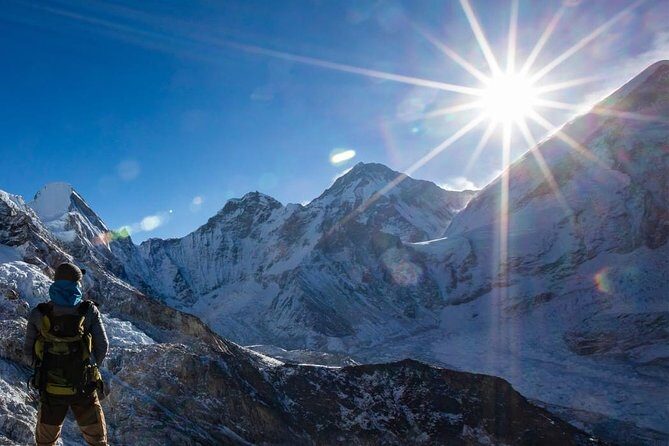
Porters show up in the reviews with a theme: going above and beyond to help you finish the trek feeling supported. Names like Neema and Paseng appear alongside guides such as Lakpa, with notes about extra effort—like helping carry day backs.
That’s practical. Even if you have a pack you’re comfortable with, carrying a lighter load at altitude can change how you feel at the end of the day. It also reduces the odds that you’ll overpack out of fear. When you know your system is supported, you’re more likely to pack smarter.
I’d still plan to carry a small essentials bag yourself. Even with porter support, you’ll want easy access to water, layers, and something simple to nibble when you stop.
Price and value: what $2,400 includes (and why that matters on the trail)
This trek costs $2,400 per person. That’s not a small number, so it deserves a value check.
Here’s what you get for that money: dinner, breakfast, and lunch; sleeping bag and duffel bag; and all fees and taxes. You’re also traveling with a private setup for your group, and pickup is offered. For a high-altitude trek, meals and gear are where budget plans often break down, because those costs add up quickly once you’re on the route.
What’s not included is also important. You’ll still need to budget for Nepal visa, travel insurance, tips for guide/porter, snacks, and any alcohol or soda/pop. That means the final cost isn’t just the base price, but it also means the core trek structure is handled cleanly.
So where does the value feel strongest? In reducing uncertainty. Meals and sleeping gear are locked in, and having a guided experience helps you avoid wasted time and wrong pacing.
What your 15-day rhythm will feel like (without the fluff)
Because only the high-level itinerary themes are provided, I’ll keep expectations realistic. You should expect a rhythm that looks like this:
You start in Kathmandu early, then move into trekking days where the trail steadily changes. You’ll pass through Sherpa villages, visit monasteries/heritage-style stops, and spend time in forested sections with rhododendron and pine before the terrain turns harsher. As you climb, the scenery becomes more about steep, stark views—then you reach the glacier environment near the Khumbu icefall, with the route leading to panoramic mountain moments and the Base Camp objective.
Most EBC trekking success comes from pacing, not heroics. With altitude, the “slow is smooth” approach is the one you want. You’ll likely have some days where you trek shorter or take more breaks. That’s not a failure. It’s how you protect your body.
And on the return, the mountain stays in front of you, but your focus changes. Going down feels better in the breath, but it can be rough on knees and feet. So pack for that too—good socks and strong trekking shoes matter.
Who this trek suits best (and who might struggle)
This experience fits best if you’re excited by the whole EBC story: mountain goal, Sherpa villages, monasteries, and high-altitude lodge nights. The moderate fitness note helps too. You don’t need to be a runner, but you do need stamina and comfort walking for hours.
It’s also a good choice if you want private-group pacing. In a private setup, you can take a breather without feeling like you’re holding strangers up. Solo travelers can also do well here, but only if you’re comfortable with your own rhythm and communicating needs early.
You might want to think twice if you’re the type who rushes through travel days or assumes altitude is just like a normal hike. Here, altitude is the main event at the end, and you’ll feel it before you reach Base Camp at 5,364m.
Final decision: should you book Everest Base Camp 15 days?
If you want a guided Everest Base Camp trek where comfort is real (clean lodges, included meals, and a provided sleeping bag), and you care about Sherpa culture along the way, I think this is an easy yes.
I’d hesitate only if you’re unsure about your fitness. This is listed for moderate physical fitness, not couch-to-peak. If you’re willing to take it slow, dress in layers, and listen to your guide, you’ll likely love the combination of culture and mountain scale.
If you do book, come with one mindset: consistency beats speed. Everest rewards the patient.
FAQ
How long is the Everest Base Camp trek?
It’s listed as 15 days approximately.
Where does the trek start in Kathmandu?
The meeting point is Sherpa Expedition And Trekking, Chaksibari Marg, Kathmandu 44600, Nepal.
What time does the activity start?
The start time is 6:15 am.
Is pickup offered?
Yes, pickup is offered.
Is this a private tour?
Yes. It’s a private tour/activity, and only your group will participate.
What’s included in the price?
Included items are dinner, breakfast, lunch, sleeping bag, duffel bag, and all fees and taxes.
What’s not included?
Not included are Nepal visa, insurance, tips for guide/porter, alcoholic beverages, soda/pop, and snacks.
What fitness level do I need?
Travelers should have a moderate physical fitness level.
What if weather is poor?
This experience requires good weather. If it’s canceled due to poor weather, you’ll be offered a different date or a full refund.
When can I cancel for a full refund?
You can cancel up to 24 hours in advance for a full refund. If you cancel less than 24 hours before the start time, the amount paid is not refunded.