REVIEW · KATHMANDU
Annapurna Base Camp Trek
Book on Viator →Operated by Mission Himalaya Trekking · Bookable on Viator
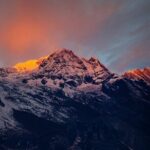
Annapurna Base Camp is a long walk to big skies. What makes this trek so magnetic is the mix of sunrise mountain views and a team that keeps the trip running with careful guidance. You get hit with steep days and a lot of steps, so it is not a lazy stroll, even though the route is well paced.
I like that you start with a Kathmandu buffer that actually helps you feel oriented, not just dumped into a gear pile. You also get real structure for the move from Kathmandu to Pokhara and then into the trek, plus meals included during the trekking days. One more thing to consider: at this price point, what you bring (insurance, layers, tipping, and snacks) still matters for how smooth the trek feels.
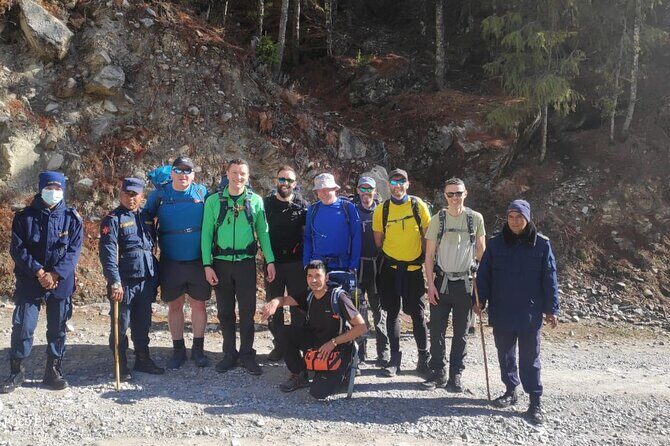
The people side is a big reason this works for so many first-timers. You’ll get a briefing, meet your trekking guide, and do an equipment check before the trail starts. In the guide teams that have been associated with this style of trip, names like Pradeep, Bikas, and Santosh show up often, with frequent praise for being attentive and helpful when conditions get tough, including supporting trekkers dealing with issues like knee pain.
In This Review
- Key Highlights That Make This Trek Feel Worth It
- Kathmandu Temple Day Plus a Trek Briefing You Can Use
- The Pokhara Travel Day: A Breather Before Annapurna Work Begins
- Ulleri and the 3,400-Step Reality Check
- Ghorepani, Poon Hill, and the Sunrise That Sets the Tone
- Chhomrong to Bamboo: Forest Trails, Terraces, and a Suspension Bridge Moment
- Deurali’s Feel: Bamboo Chill, Steep Surfaces, and Hinku Cave Country
- Day 10 to Annapurna Base Camp: Machapuchare Views First, Then the Big Arrival
- Sunrise Again on the Way Back: Doban and Jhinu Danda’s Calmer Pace
- Pokhara, Kathmandu, and the Farewell Dinner After the Hard Work
- Value for $995: What You Get, What You Still Need to Budget
- Packing and Pace Tips That Match This Exact Route
- Should You Book This Annapurna Base Camp Trek?
- FAQ
- How long is the Annapurna Base Camp trek?
- What is the price per person?
- Does the price include permits and entrance fees?
- Are meals included during the trek?
- Is airport pickup included?
- What Kathmandu sights are visited before trekking?
- What overnight stays are included while trekking?
- When do you get sunrise views?
- What costs are not included?
- What is the cancellation window for a full refund?
Key Highlights That Make This Trek Feel Worth It
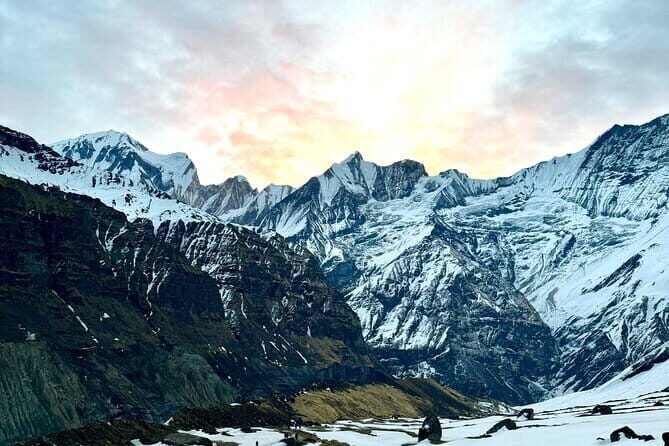
- Two sunrise moments: Poon Hill at the start and a big ABC sunrise payoff.
- Your ABC route includes Machapuchare Base Camp: extra viewpoints before you reach the final spot.
- A well-timed Pokhara transition: you have an actual day to reset near Fewa Lake before trekking.
- A guide-and-porter team approach: practical support on steep sections and for comfort needs.
- Lots of trail variety: rhododendron forests, stone steps, bamboo, and riverside crossings.
- Real lodge stays on the route: Ulleri, Tadapani, Chhomrong, Deurali, ABC, and more.
Kathmandu Temple Day Plus a Trek Briefing You Can Use
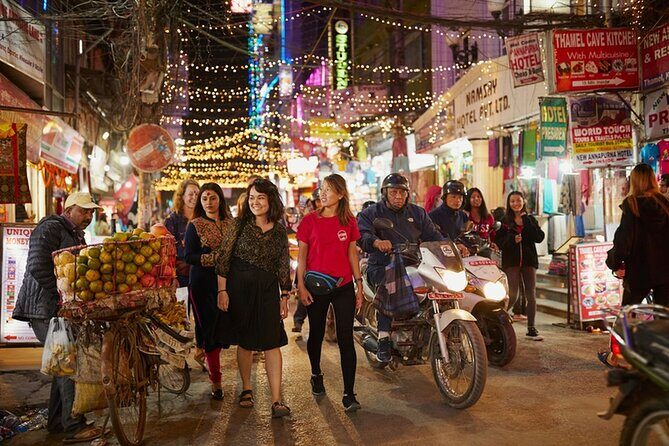
Day 1 is a soft landing. A representative meets you at the airport with your name on a sign, then you’re whisked to a private car transfer to your hotel. Later, you’ll head to a cultural welcome dinner in Kathmandu, with Nepalese food plus a Nepali dance show, which is a nice way to learn the rhythm of the country without making you do homework.
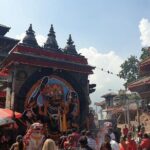
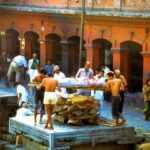
Day 2 is where you get your bearings. You’ll visit key Kathmandu Valley sites: Pashupatinath, Bouddhanath, Swayambhunath (Monkey Temple), and Kathmandu Durbar Square. Then comes the practical part: a tour briefing, an intro to your trekking guide, and an equipment check so you’re not trying to fix problems halfway to the clouds.
What I like about this start is that it’s not only sightseeing. It also sets you up for the trek mentally. You’ll understand what you’re walking into, and you’ll get a chance to ask questions before the schedule hardens into sunrise starts and step-count reality.
Possible drawback: if you hate early days, know that Day 2 is active and structured. You’ll want sleep on purpose, not by accident.
You can also read our reviews of more hiking tours in Kathmandu
The Pokhara Travel Day: A Breather Before Annapurna Work Begins
On Day 3, you ride to Pokhara by tourist bus. The drive takes about 7 to 8 hours, with scenery along the way and stops for lunch near Malekhu and Ghansikuwa. You arrive around 3 pm, then you’re free to explore, grab coffee, and unwind.
Pokhara is the gateway vibe you need here. It’s also close to the trekking region, so psychologically you’re no longer stuck in a city. Your overnight stay is at a hotel near Fewa Lake, which makes the transition feel gentler than going straight from Kathmandu airport-to-trail.
This is also a day where you can do useful little tasks: double-check your layers, organize your day bag, and buy anything you forgot. I’d use that freedom. Even with a guided trip, the trail is won or lost by your small preparations.
Ulleri and the 3,400-Step Reality Check
Day 4 is your first real “okay, we are trekking” day. You travel from Pokhara to Nayapul, then begin walking through a valley forest and along the Bhurungdi Khola River toward Tikhedhunga. Then you tackle a big test: 3400 steps and boulders on the climb to Ulleri.
The upsides of this day: it builds confidence fast. The route is memorable, you’ll see village life and forest edges, and the lodge night in Ulleri gives you a clean checkpoint. The downside is the step rhythm. If your knees are touchy, this is a day to use trekking poles and to keep your pace conservative.
I also like that this day is short enough to feel like progress. Your body learns the pattern without getting crushed on the first try.
Ghorepani, Poon Hill, and the Sunrise That Sets the Tone
Day 5 brings Poon Hill and the Annapurna views you came for. After breakfast, you climb toward Ghorepani and pass waterfalls and small villages, with glimpses of Mt. Annapurna South along the way. You then go higher to upper Ghorepani for panoramic mountain views, including Nilgiri.
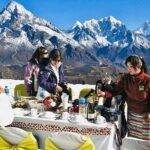
Day 6 is the early-morning payoff. You get up at dawn to ascend to Poon Hill for sunrise over the Annapurna and Dhaulagiri ranges. There’s time to take in the views with something warm in your hand, then you descend for breakfast and continue trekking through rhododendron forests and cascading waterfalls to Tadapani.
Why this matters: sunrise days teach you discipline. You learn how to move steadily before fatigue hits. And the Poon Hill moment becomes a reference point for the rest of your trip, especially when the scenery shifts and altitude starts to feel more serious.
Tradeoff: you’ll be up early, again and again. If mornings drain you, plan your energy like it’s part of the itinerary.
Chhomrong to Bamboo: Forest Trails, Terraces, and a Suspension Bridge Moment
Day 7 takes you through a wide rhododendron forest that eventually opens into terraced fields. You continue uphill about 5 km, passing waterfalls and crossing a suspension bridge before reaching Chhomrong, which sits below Mt. Annapurna.
Day 8 is a descent-rebound day. You drop from Chhomrong along stone steps toward the Chhomrong Khola River, cross a swinging bridge, climb to Sinuwa, and follow a forest path through Kuldihar. Then the trail trends down to Bamboo, where you’ll spend the night.
This is the kind of day that makes the trek feel alive. One minute you’re in forest shade, the next you’re negotiating steps and river crossings. It also gives your body variety, which can be easier than repeating the same climbing pattern for days.
Possible drawback: the combination of downhill stone steps and bridge crossings can feel jarring, especially if the footing is wet. Take short steps and keep your focus on balance.
Deurali’s Feel: Bamboo Chill, Steep Surfaces, and Hinku Cave Country
Day 9 keeps things interesting and a bit colder. You’ll trek through a chilly bamboo forest, then face an uphill climb on a steep surface. After the forest opens and you get views over the glacial river below, you continue steeply through a drier forest toward Hinku Cave, then move toward a river and climb again to Deurali.
The scenery shift is part of the value here. The trail changes character, so you’re not only grinding altitude—you’re also moving through different ecosystems. The day ends with lodge lodging in Deurali and mountain views in the mix.
If you’re thinking about comfort: this is a day for warm layers and dry socks. “Chilly bamboo forest” is not a slogan. It’s a reminder to pack like the temperature matters.
Day 10 to Annapurna Base Camp: Machapuchare Views First, Then the Big Arrival
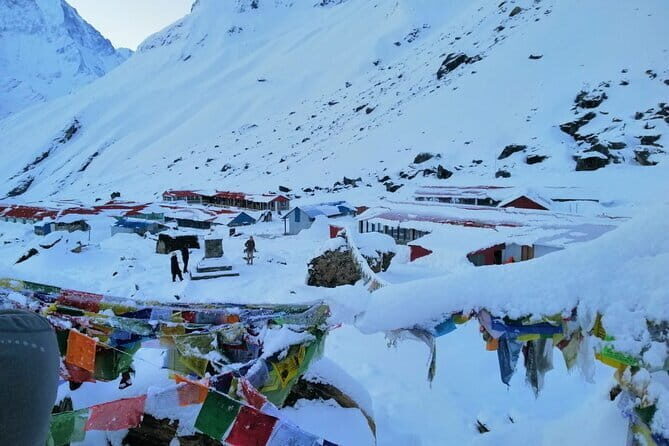
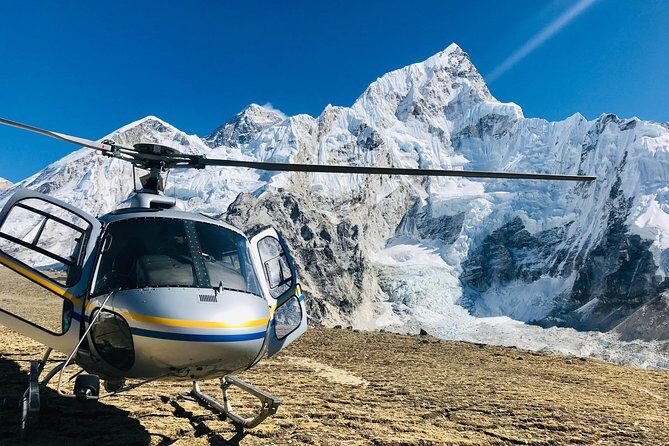
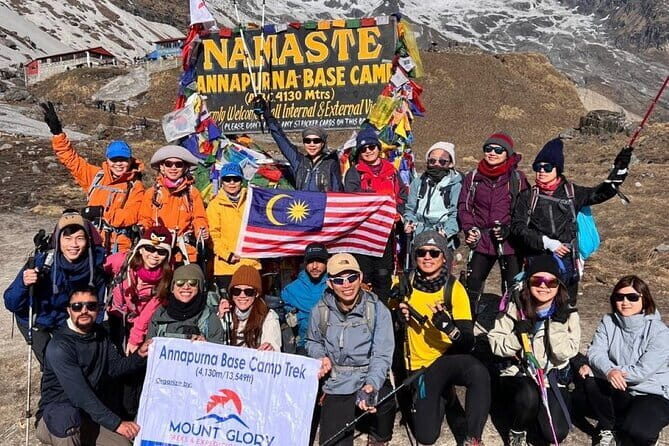
Day 10 is the headline. You ascend steadily along the valley trail, including rocky cliffs and steeper sections. There’s also a stretch that feels more level, which helps you settle into the rhythm. You then reach Machapuchare Base Camp (MBC) and get treated to major views, including Mt. Hiunchuli, Annapurna South, Annapurna I, Annapurna III, Gandharvachuli, and Gangapurna.
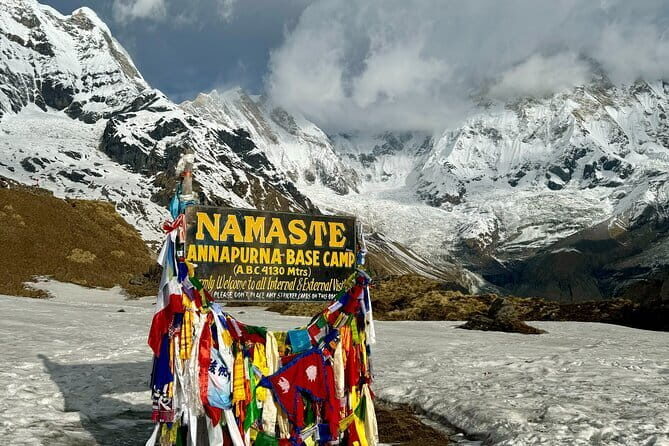
After MBC, you continue to Annapurna Base Camp (ABC). The description here matters: you’re surrounded by peaks, and access to the area is through the gorge you’ve just traversed. You spend the night at ABC, which is the part most people remember for the rest of their life.
This is also where having a good guide matters most. At ABC, the group is focused, your pace is controlled, and decisions like slowing down and taking breaks make a real difference. And if you’re dealing with issues like knee pain, the team’s job is to keep you moving safely rather than pushing ego.
Sunrise Again on the Way Back: Doban and Jhinu Danda’s Calmer Pace
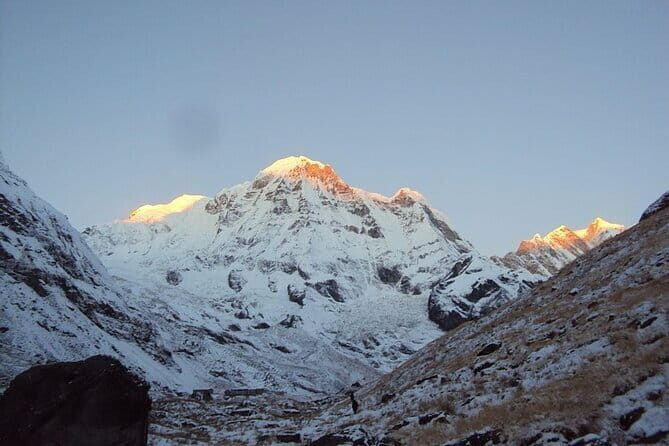
Day 11 starts with an early rise again for ABC sunrise, then breakfast and a quicker descent. You go back to MBC, then pass through Deurali and Himalayan Hotel before reaching Doban for the night.
Day 12 continues the return route. After breakfast, you retrace steps back to Chhomrong, stop for lunch, then negotiate the challenging stone steps on the way up and down again. You continue until the trail descends to Jhinu Danda, passing farmland and rainforest along the way.
Two sunrise moments is a lot of effort. But it’s also why this trek feels like a full story, not a one-day photo stop. The return trek also gives you a sense of how the valley moves through you. Once you’ve arrived at ABC, the walk back feels more readable.
Practical note: downhill days can still be tough. Even if it feels “easier,” your legs are tired. Your job is to protect your knees.
Pokhara, Kathmandu, and the Farewell Dinner After the Hard Work
On Day 13, the trek winds down. You leave Jhinu Danda, walk toward Nayapul, and then drive back to Pokhara. Lunch is enjoyed along the way, and you end the day with an overnight in Pokhara.
Day 14 brings you back to Kathmandu. You can travel by flight or drive from Pokhara, then get transported to your Kathmandu hotel from the airport. This is your free day to explore, buy souvenirs, or just recover. A farewell dinner is planned to share trekking stories before you depart.
What I appreciate about this wrap-up: it gives you time to come back to your senses. Many treks end and people immediately rush to the next thing. Here you get a buffer.
Day 15 is straightforward: a representative accompanies you to the airport about three hours before your scheduled flight, then you head home.
Value for $995: What You Get, What You Still Need to Budget
At $995 per person for about 15 days, this isn’t a bargain trek. But it also isn’t a bare-bones DIY route. The value sits in the planning and the included costs.
Here’s what’s covered:
- All fees and taxes
- All required permits and entrance fees as per the route
- Breakfast (14), lunch (10), dinner (10)
- Guided services with transfers like airport/hotel movement, plus pickup is offered
Here’s what you should budget separately:
- Personal expenses
- Anything not listed in the program
- Bars and beverage bills
- Travel insurance
- Tipping
My honest take: this price makes sense if you want structure and you don’t want to fight paperwork, permits, and timing while you’re trying to enjoy the mountains. If you’re the type who already has trekking logistics nailed down, you might feel the cost more. But for most people, the included meals and permit handling are worth it.
Also, this trek has a 5 rating with 39 reviews and a 100% recommendation mark in the provided data. That doesn’t mean every trip will feel identical, but it does suggest the operator hits the basics well.
Packing and Pace Tips That Match This Exact Route
Because this trek includes big early climbs and a lot of stairs (including the famous 3400-step push), I’d plan for leg support from day one. Use trekking poles if you have them, and take a slower pace than you think you need on steeper stretches.
The route also includes days labeled with rhododendron forests, bamboo, and chilly sections. Pack layers you can vent and re-layer quickly. The goal is to stay warm enough without sweating yourself into exhaustion.
You’ll also have built-in early mornings for sunrise at Poon Hill and later at ABC. That means you need sleep quality more than you need extra snacks. If you can, eat earlier, keep your evening routine simple, and set yourself up for wake-up time.
One more practical tip: if you’re bringing knee concerns, don’t hide them. The guide team on this kind of trip has a track record of supporting people with physical issues and keeping the plan safe. Your best outcome comes when you tell them early what your body can handle.
Should You Book This Annapurna Base Camp Trek?
Book it if you want a guided, structured Annapurna Base Camp trek with a cultural warm-up in Kathmandu, a recovery day in Pokhara, and two sunrise moments that actually match the effort. This trip is a good fit for people with moderate physical fitness who can handle steep sections, step-heavy climbs, and cold mornings.
Skip it or rethink timing if you’re hoping for a gentle walk. The trek includes major stair climbs, steep ascents, and rocky sections, and the early starts are not optional.
If you want the mountains with less stress, and you’re willing to do the work on the trail, this is a solid choice through Mission Himalaya Trekking.
FAQ
How long is the Annapurna Base Camp trek?
The trek is listed as 15 days (approx.).
What is the price per person?
The price is $995.00 per person.
Does the price include permits and entrance fees?
Yes. The package includes all required permits and entrance fees as per the itinerary, plus all fees and taxes.
Are meals included during the trek?
Yes. Breakfast (14), lunch (10), and dinner (10) are included.
Is airport pickup included?
Yes. The tour includes pickup offered, and on the Kathmandu arrival and departure days you’re met by a representative for transfers.
What Kathmandu sights are visited before trekking?
You visit Pashupatinath, Bouddhanath, Swayambhunath, and Kathmandu Durbar Square, plus a cultural welcome dinner with a Nepali dance show.
What overnight stays are included while trekking?
The route includes lodge stays at several points (including Ulleri, Tadapani, Chhomrong, Bamboo, Deurali, Annapurna Base Camp, and more stops on the return). Kathmandu and Pokhara also include hotel overnights.
When do you get sunrise views?
Sunrise is built in at Poon Hill early on the trek and again with a sunrise from Annapurna Base Camp on the day you reach ABC.
What costs are not included?
Not included are personal nature expenses, anything not mentioned in the program, bars and beverage bills, travel insurance, and tipping.
What is the cancellation window for a full refund?
You can cancel up to 3 days in advance for a full refund. If you cancel less than 3 full days before the experience starts, the amount paid is not refunded.