REVIEW · KATHMANDU
Gokyo to Everest Base Camp Trek
Book on Viator →Operated by Ace the Himalaya · Bookable on Viator
If you want the Everest region without doing it the same way every trek group does, this Gokyo to Everest Base Camp route makes a strong case. You’ll work your way up through Sherpa country, spend real time at the Gokyo Lakes, then cross Cho La Pass into Everest Base Camp and climb Kala Patthar for the big day. I love how the itinerary gives you both high-pass adventure and a classic Everest finale, not just one highlight. I also like the people side of it: guides and porters are repeatedly praised for logistics, flexibility, and safety-first decisions. The main drawback to plan for is the reality of high altitude and early starts, plus one very basic overnight near the pass.
The key thing to understand is that the trek is paced around altitude: you’ll get a proper acclimatization day in Namche, then you’ll earn your views with a string of long, demanding days. And when weather gets wild—as it has on some departures—this route still has a chance to work because your guide can adjust timing and options.
In This Review
- Quick hits: what makes this Everest Circuit different
- The Big-View Route: Gokyo, Cho La, and Everest Base Camp all in one line
- Price and value: what $2,200 really covers (and what it doesn’t)
- Kathmandu to Lukla: the smooth start that sets your mood
- Phakding to Namche: crossing into Sagarmatha National Park
- Up to Phortse and Machhermo: the trail gets more serious, more scenic
- Gokyo Lakes and Gokyo Ri: the detour you’ll be glad you took
- Cho La Pass and Lobuche: start early, expect rougher comfort
- Everest Base Camp and Kala Patthar: the climax days that matter
- Back down toward Namche and Lukla: finishing strong
- Guides and porters: safety-first and flexible when the mountains change the plan
- Gear, water, and altitude reality checks that keep you comfortable
- Should you book the Gokyo to Everest Base Camp trek?
- FAQ
- What is the duration of the trek?
- Where does the tour start and when?
- Are airport transfers included?
- Is the Kathmandu to Lukla flight included?
- What trekking gear is provided?
- Are meals included during the trek?
- Can I cancel for a full refund?
Quick hits: what makes this Everest Circuit different
- Gokyo Lakes time (2 nights) + Gokyo Ri (5,483 m) gives you a second “Everest view angle” besides the Base Camp grind.
- Cho La Pass is the high-stakes crossing: you’ll start before sunrise to dodge afternoon weather.
- Kala Patthar climb (5,555 m) is the classic payoff day, built for sunrise timing and maximum visibility chances.
- Small group size (max 15) tends to mean less chaos on narrow trails and better attention from staff.
- Guide/porter support is structured: one porter for every two clients, plus a licensed English-speaking guide.
- Included gear rental (down jacket and sleeping bag) plus a Katadyn Pocket Water Filter helps you travel lighter.
The Big-View Route: Gokyo, Cho La, and Everest Base Camp all in one line
This is often called the Everest Circuit, and it earns the name. Most Everest Base Camp itineraries hit the same pattern—Lukla up to Namche, then straight toward Base Camp. This one adds a major detour west: Gokyo and the Gokyo Lakes.
That matters because it changes what you see. From Gokyo you’re looking across a different set of peaks and valleys, including big-name neighbors like Cho Oyu and Makalu (the trek description calls out these panoramic views). Then, when you swing east again, you finish at Everest Base Camp and do Kala Patthar for the close-up “I’m actually in the Everest amphitheater” moment.
The route is also built around passes and altitude progression. You’re not just going uphill—you’re going uphill with a reason: you’ll crest the high trail sections, then gain enough breathing room from the acclimatization day before tackling the tougher crossing days.
What to expect: You’ll spend much of the trek above 3,000 m, with major days pushing higher. This isn’t a “walk and take selfies” route. It’s a serious trek that rewards good pacing and patience.
You can also read our reviews of more hiking tours in Kathmandu


Price and value: what $2,200 really covers (and what it doesn’t)
At $2,200 per person, you’re paying for a full, organized high-altitude trek—not just a guide walking beside you.
Here’s where the value comes from, based on what’s included:
- Flights Kathmandu ↔ Lukla (round-trip) are included. In Everest country, that’s not a minor expense.
- Permits for trekking are included.
- A licensed English-speaking trekking guide runs the show.
- One porter for every two clients helps keep your pack weight realistic.
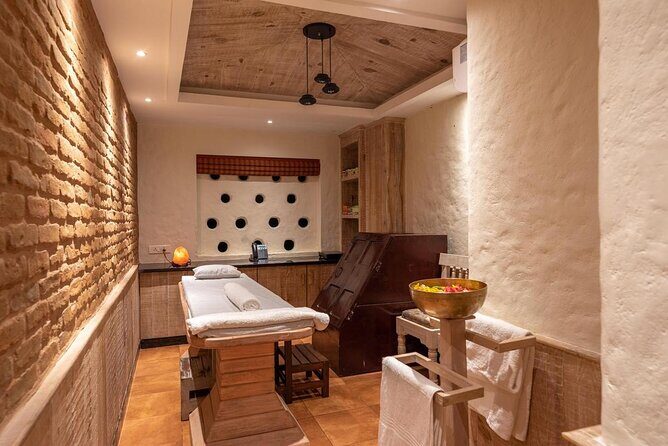
- Two nights in Kathmandu in a three-star hotel with twin-share/double rooms.
- Meals during the trek: breakfast for most days, plus lunch and dinner for the included days.
- Down jacket and sleeping bag rental (to be returned), plus a duffel/kit bag and sun hat.
- Filtered water using a Katadyn Pocket Water Filter.
- Seasonal fruits during the trek.
- Transfers in Kathmandu are included.
What’s not included is the part you can easily forget to budget:
- Your international airfare, and your Nepal entry visa.
- Travel insurance, and it’s especially important because you’re at high altitude.
- Tips for trekking staff and driver (tipping is expected).
- Alcohol and personal drinks.
- Personal trekking equipment.
My practical take: $2,200 feels fair when you compare it to what else you’d have to pay separately—Lukla flights, permits, staffing, and the gear rental. If you already own trekking gear and sleep systems, you’ll still appreciate having the rental options, but the bigger win is how much is arranged for you before you ever step onto the trail.
Kathmandu to Lukla: the smooth start that sets your mood
Your trek begins with airport pickup in Kathmandu (Tribhuvan International Airport) and a transfer to the starting area. Day 1 includes getting settled—two nights in Kathmandu are built in, in a three-star hotel, twin-share/double.
Then comes Day 2: the short flight from Kathmandu to Lukla at about 2,804 m. This is the typical “gateway moment” of the Khumbu. You trade city traffic for a sudden reality check: the mountains are close, the air feels thinner, and your days are about to become very physical.
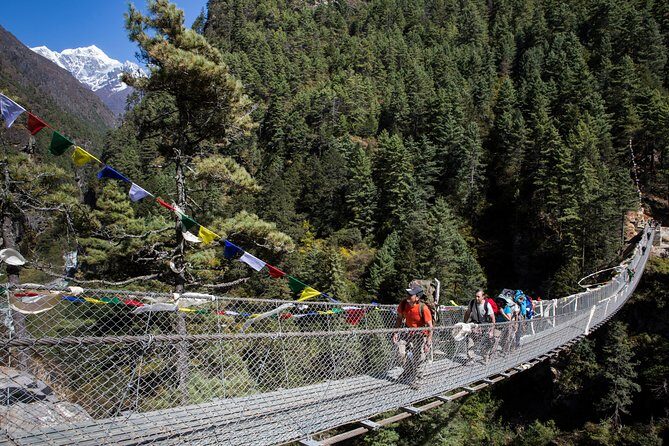
After landing, you trek toward Phakding. The route follows the Dudh Kosi river, with suspension bridges and prayer flags along the way. That’s one of those details that keeps the walking interesting early on—you’re not just climbing; you’re crossing, weaving, and watching the river valley wake up.
Possible drawback to plan for: Lukla flights depend on conditions. The tour notes that it requires good weather, so if weather goes sideways, expect your schedule to be adjusted.
Phakding to Namche: crossing into Sagarmatha National Park
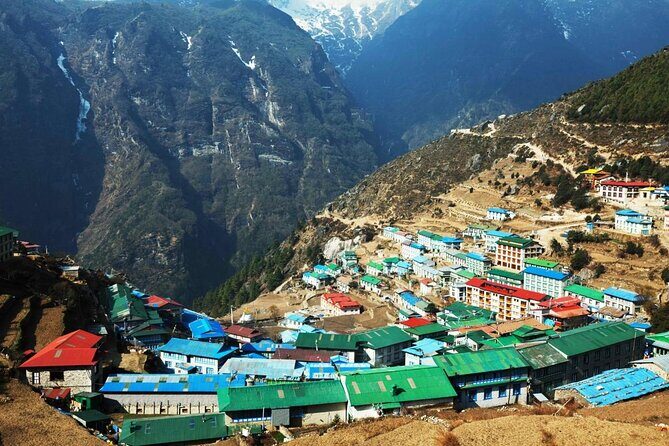
Day 3 moves you to Namche Bazaar. The trail continues along the Dudh Kosi, crossing the river multiple times on bridges. When you enter Sagarmatha National Park, the tone changes. It’s still friendly trekking terrain, but now you’re clearly in the protected high-mountain world.
Day 4 is your acclimatization day in Namche. This is not a throwaway rest day. It’s a full day so your body can catch up before the higher camps.
One highlight: you’ll trek a short distance to a museum with exhibits tied to Sherpa traditions and customs. That’s a smart add-on because it breaks up the monotony of altitude slog. It also helps you connect what you’re seeing—monasteries, villages, local life—with the people who built these communities along the trail.
My advice: treat this day like training. Keep it easy, drink water, sleep as best you can, and don’t “celebrate” your way into exhaustion. When you come back down to the idea of pacing, you’ll thank yourself.
Up to Phortse and Machhermo: the trail gets more serious, more scenic
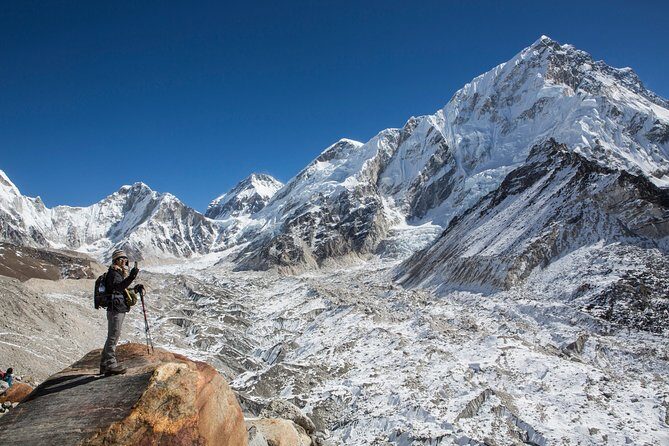
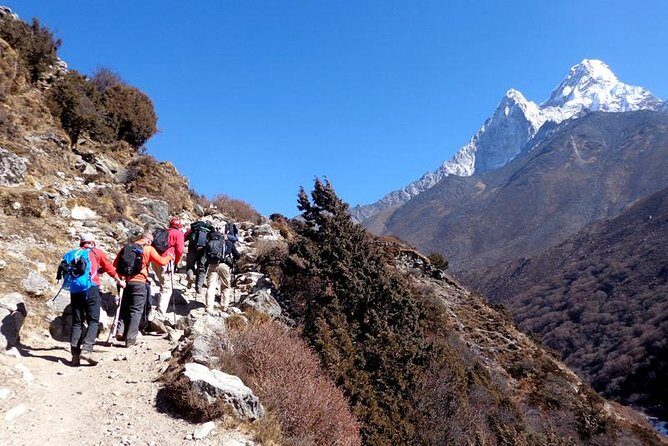
From Namche you climb toward Phortse (Day 5). The vegetation shifts as you go higher—rhododendron forest shows up, and conifers and juniper appear. The itinerary describes the trail as steep leaving the valley, which is exactly what makes this section feel like a step up.
Day 6 heads for Machhermo. This is where you start getting big ridge-and-glacier sightlines. The description calls out excellent views down the valley and up toward Cho Oyu, and you’ll descend to a river before climbing again to the terminal moraine of the Ngozumpa glacier. It’s a mouthful, but it basically means: you’re walking through the edges of glacial terrain, not just near it.
This is also one of those days where the “feel” matters as much as the height. If you go out too fast, you’ll be spending energy you’ll need later at higher altitudes.





Gokyo Lakes and Gokyo Ri: the detour you’ll be glad you took
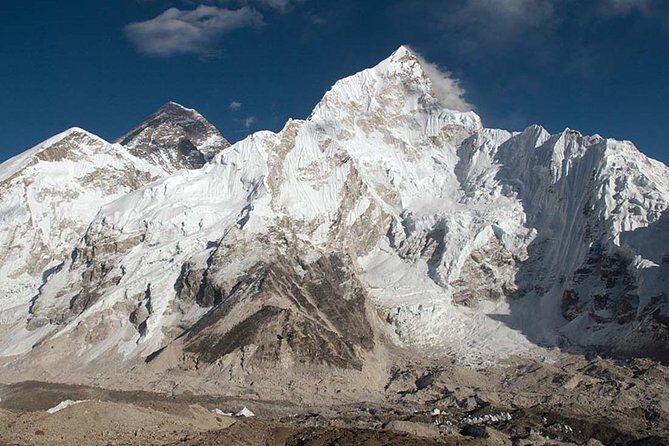
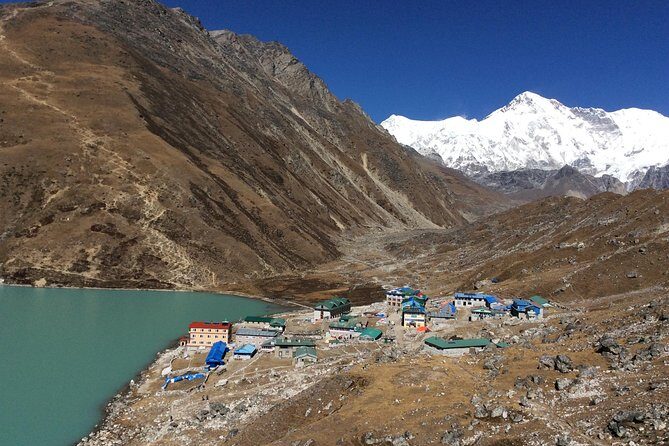
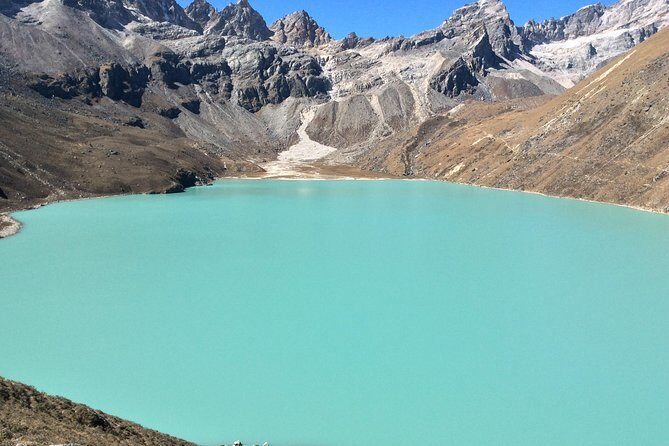
Day 7 brings you to Gokyo (4,790 m), and the trek makes Gokyo your base for two nights. That two-night block is one of the best design choices here. Instead of rushing through like a checkpoint, you get time to breathe, hike, and adapt.
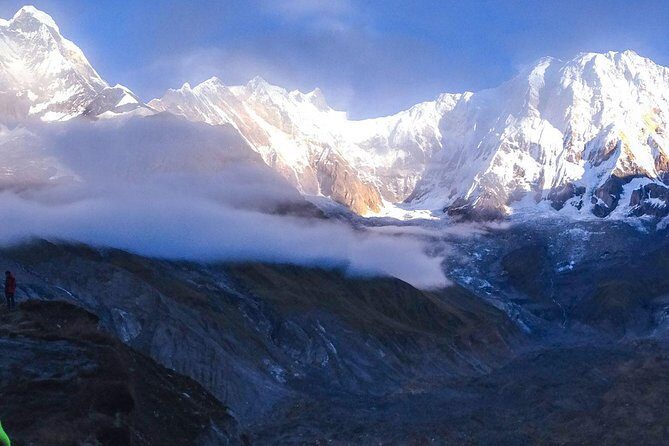
Day 8 is Gokyo Ri (5,483 m) early in the morning. Expect a steep climb. The payoff is the super-viewing kind: you’ll look over the Gokyo valley and the surrounding big peaks, including views of Everest-area giants called out in the trek description. Even if clouds roll through some days, having this as a scheduled highlight gives you a structured chance to catch the better weather windows.
Why I like this part for your money: Many EBC treks feel like “one long line” to Base Camp. Here, you break the trip into two major view chapters—Gokyo first, Everest second. It makes the whole effort feel bigger, not just longer.
Cho La Pass and Lobuche: start early, expect rougher comfort
Day 9 takes you to Thangnag, positioned near the foot of Cho La Pass. The big practical note is comfort level: accommodation is described as very basic, with dormitory-based rooms because of the remoteness. Translation: you’ll likely sleep, eat, and move on, not linger.
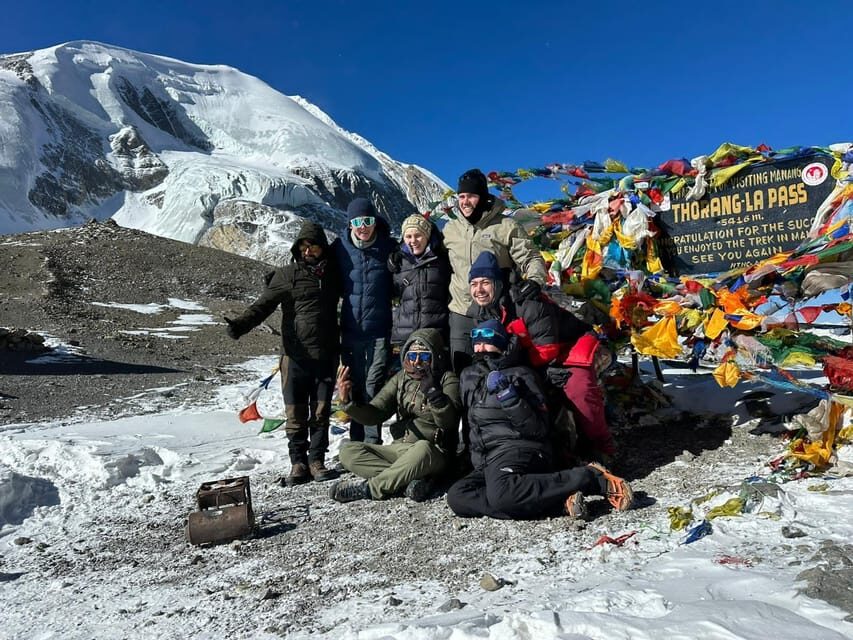
Day 10 is the pass day. You’ll start walking before sunrise—around 4:00 or 5:00 am—so you reach the pass by roughly 9:00–10:00 am and avoid the worst weather that can build later in the day. You cross at around 5,300 m (the description mentions 5,300–5,330 m in different spots), and you’re dealing with a serious mountain crossing environment.
Day 11 goes to Lobuche. The itinerary says it’s a shorter, easier day walk to get you into position after the pass. That’s important for recovery. Pass days can take more out of your legs than you expect.
What to watch for: early starts can be hard even if you’re physically ready. If you’re the type to overthink, bring a simple routine: warm layer on first thing, slow walk out, and don’t “race” the group at the start.
Everest Base Camp and Kala Patthar: the climax days that matter
Day 12 is Everest Base Camp. This is described as a big and difficult day walk along the Khumbu Glacier to Everest Base Camp at about 5,365 m. The key practical detail: it’s the closest you can get to Everest without mountaineering equipment, so you’re visiting the epic place people dream about—without needing technical gear.
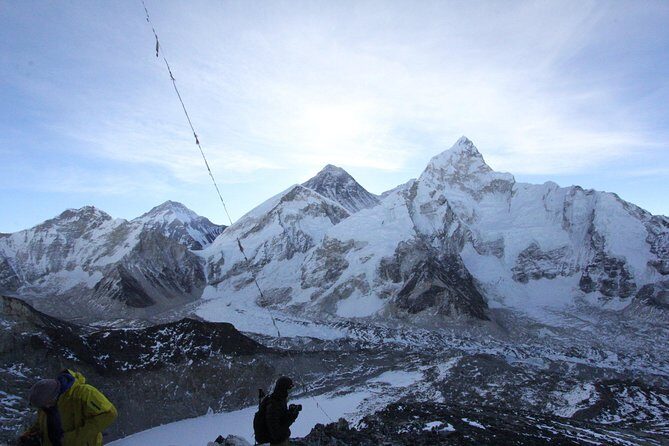
Day 13 is Kala Pattar (5,555 m). This is one of the hardest days and, in a good way, one of the most meaningful. The itinerary describes a demanding ascent in the morning, with a massive view payoff.
If Gokyo Ri is the “different angle” chapter, Kala Patthar is the “classic Everest close” chapter. You’ll feel the altitude in your breathing. You’ll also understand why people chase these views even after they’re exhausted.
One more practical note: Base Camp and Kala Patthar are weather-dependent. The tour description says the experience requires good weather, and the general pattern in this region is simple: if visibility is poor, you feel it. If it’s clear, it’s unforgettable.
Back down toward Namche and Lukla: finishing strong
Day 14 descends from the Everest region back toward Namche Bazaar. The route passes through Pangboche and Tengboche before reaching Namche in the afternoon. This is a nice moment because the trail gradually brings you back into Sherpa village rhythm. After the big altitude climax days, it feels like your body finally understands the trip is moving toward home.
Day 15 returns to Lukla, the start/end point. It’s the last trekking day. The itinerary includes a group reflection time, which sounds small, but it helps anchor the experience. When you finish a trek like this, the mind needs closure, not just an arrival transfer.
Day 16 flies back to Kathmandu (about 35 minutes). Day 17 finishes with an airport drop for your onward flight.
Guides and porters: safety-first and flexible when the mountains change the plan
This is the part that comes through loudest in the feedback. The trek is organized by Ace the Himalaya, and multiple reviews praise guides for real-world problem-solving—especially when snow or bad weather hits.
Names that show up in guide feedback include Nima, Raj N, Raj Kumar, Ramesh, Ganesh, and Lakpa Sherpa. The common threads: flexibility, good decision making about timing, and an approach described as safety first. There’s also clear praise for porters such as Biroj, Sonam, and Haym, including strength and good spirits while carrying the load.
Why you should care about this: in Everest country, the “best itinerary on paper” is never the whole story. It’s the guide’s judgment—when to push, when to hold, when to shift plans—that protects your energy and keeps the trek moving safely.
Gear, water, and altitude reality checks that keep you comfortable
This trek includes a down jacket and sleeping bag rental to be returned after the trek. That’s a big help if you don’t want to haul cold-weather gear from home. You still need your own personal trekking equipment, so don’t assume you can pack a light daypack only.
Water is also handled for you: the trek includes filtered water along the trail using a Katadyn Pocket Water Filter. You’ll still want to carry a bottle and use the filter as instructed, but having filtration rather than relying on questionable water sources is a serious safety upgrade.
Fitness-wise, the tour says travelers should have moderate physical fitness level. That’s helpful framing. But the trek still climbs to high altitude and includes a major pass day and two very hard view days. Think of “moderate” as: you can handle the effort with pacing and rest, not that the trek is easy.
Altitude is the silent factor. The itinerary builds in acclimatization (the full day in Namche), and it uses a logical progression afterward. Stick to that pace. If you feel unusually unwell, don’t “tough it out” without telling your guide.
Should you book the Gokyo to Everest Base Camp trek?
Book it if you want:
- Gokyo Lakes as a real feature, not a quick photo stop
- The Cho La Pass challenge plus a classic finish at Everest Base Camp and Kala Patthar
- A trek with strong support: licensed guide, porter staffing, permits, and meals
- A company that has a track record of flexible decision making when conditions change
Skip (or choose a shorter/easier alternative) if:
- You don’t handle early starts well, especially for the pass day timing
- You’re not comfortable with basic accommodation near Thangnag
- You aren’t ready for the altitude realities that come with trekking at these elevations
If you do book, plan to pack smart, follow your guide’s pacing, and bring travel insurance that covers high-altitude trekking and emergency evacuation. That last part isn’t dramatic—it’s practical.
FAQ
What is the duration of the trek?
The trek is listed as 17 days (approx.) from Kathmandu to return to Kathmandu.
Where does the tour start and when?
The meeting point is Tribhuvan Airport, Kathmandu, Nepal, with a start time of 8:00 am.
Are airport transfers included?
Yes. Airport transfers in Kathmandu are included.
Is the Kathmandu to Lukla flight included?
Yes. Kathmandu – Lukla – Kathmandu airfare is included.
What trekking gear is provided?
You get a down jacket and sleeping bag for the trek (to be returned after). Personal trekking equipment is not included.
Are meals included during the trek?
Yes. The package includes breakfast (16), lunch (14), and dinner (14).
Can I cancel for a full refund?
You can cancel up to 6 days in advance for a full refund. The tour also notes that if it’s canceled due to poor weather, you’ll be offered a different date or a full refund.