REVIEW · SAURAHA
Jungle Towernight Stay: 4-Day Tour in Chitwan National Park
Book on Viator →Operated by LEMON TREE ADVENTURE NEPAL · Bookable on Viator
Sleep in the wild, responsibly guided.
This Jungle Towernight Stay in Chitwan is built for real quiet time—waking up to birds, falling asleep close to the sounds of nature, and then mixing that with classic safari stops. I especially like the jungle tower sunrise setup and the way the day plans fit together without feeling rushed. One thing to consider: it’s weather-dependent and you’ll spend a good chunk of each day outside, so come ready for humidity and early mornings.
What makes it work well is the pacing and the human touch. The tour keeps group size small (up to 12), and it’s led by guides with 2+ decades of experience, including names like Hemanta, Sangam, and Gopal that have shown up in past departures. The route also includes more than just one vehicle safari, which means you get multiple angles on Chitwan’s wildlife and landscapes around you.
For value, I like that meals and core activities are bundled, not nickel-and-dimed. You’ll also get pickup offered and a mobile ticket, which makes the logistics feel smoother than many “just show up” tours. Still, the 5–6 hour Kathmandu–Chitwan transfer each way is real time—great for scenery, but not a quick hop.
In This Review
- Key highlights worth planning around
- From Kathmandu to Chitwan: The 5–6 Hour Coach Ride That Sets the Tone
- Towernight Stay: Sunrise, Quiet Birds, and Night-Sky Nepal
- Day 2 Choice: Jungle Walking vs. Quiet Time Near the Tower
- Day 3 in Chitwan National Park: Jeep Safari, Tharu Culture, and Cycling in Sauraha
- Day 4 Departure: Getting Back to Kathmandu Without Dragging It Out
- Price and Logistics: Is $340 Worth It for Chitwan?
- Small-Group Safari With Experienced Guides: How the Tracking Feel Should Work
- Practical Tips: What to Bring for Tower Nights and Safari Days
- Should You Book This Jungle Towernight Stay?
- FAQ
- How long is the Jungle Towernight Stay tour?
- Where does the tour start and end?
- Is pickup available?
- What activities are included during the 4 days?
- How big is the group?
- Is park admission included?
- What if weather is bad or plans change?
Key highlights worth planning around
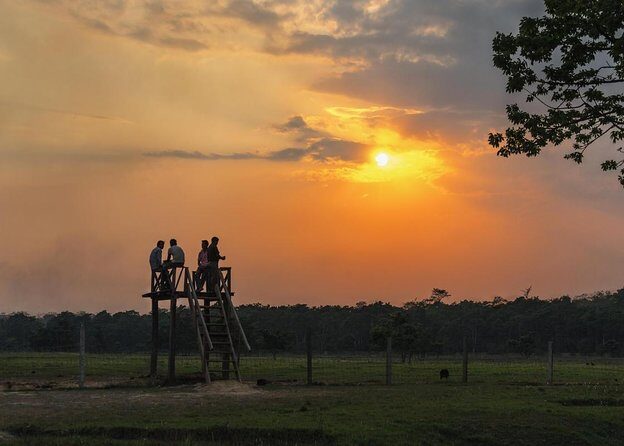
- Jungle tower nights: the main event is staying close to the wild, not just visiting it.
- Sunrise from the tower: early light + calm sounds set the tone for the whole safari day.
- Small group size (max 12): easier wildlife tracking and more flexibility day-to-day.
- Multiple safari styles: canoeing, jungle walking, and a jeep safari all appear in the mix.
- Tharu culture programme: a short cultural stop that adds meaning beyond animals.
- Sauraha time plus cycling: you get a taste of the nearby town instead of only forest time.
From Kathmandu to Chitwan: The 5–6 Hour Coach Ride That Sets the Tone
Day 1 starts with a tourist coach drive of about 5–6 hours from Kathmandu to Chitwan. It’s long enough that you’ll want to settle in—think snack-ready, water-ready, and comfortable clothing—because the day continues right after arrival.
Once you reach Chitwan, you don’t just check in and wait. You meet your nature guide and jump into an early activity rhythm that includes canoeing and then moving into the towernight stay setup. That matters because it helps you shift from travel mode into nature mode while you still have daylight for the area.
If you’re sensitive to long car time, this is the biggest practical drawback. The upside is that the transfer is part of the experience: you’re getting closer to the floodplains and forest edges where Chitwan wildlife activity tends to cluster.
A few more Sauraha tours and experiences worth a look
Towernight Stay: Sunrise, Quiet Birds, and Night-Sky Nepal
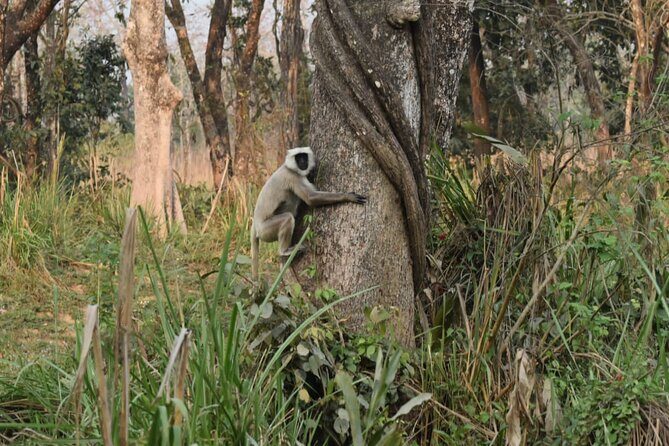
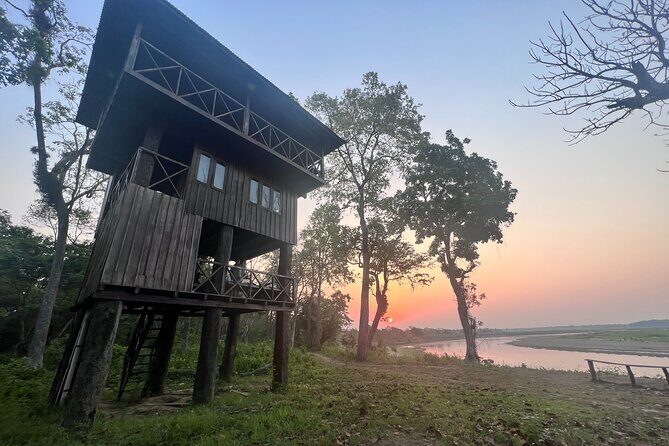
The signature experience here is sleeping in the jungle tower for several nights as part of a 4-day package. The idea is simple: you’re not commuting in and out of the park all day, so you get more of the natural “in-between” moments that most safari trips miss.
Expect the plan to revolve around light changes. The tour specifically calls out sunrise from the jungle tower on Day 2, which is when the area tends to feel calm and active in smaller ways—birds calling, movement in the distance, and that feeling that the day is starting on its own clock.
This is also where the promise of close wildlife presence becomes real in a sensory way. The experience is described with images like rhinos galloping, tigers roaring, and deer grazing around you—nobody should assume you’ll see every animal, but you are absolutely in the zone where you might hear or spot movement nearby. In other words, this is a stay for people who enjoy atmosphere as much as wildlife checklists.
Day 2 Choice: Jungle Walking vs. Quiet Time Near the Tower
Day 2 begins early, with sunrise from the tower and then two possible tracks for your day. One option is a full day of jungle walking, guided for tracking and close-up observation. The other option is to spend more time in/near the jungle tower area while meals are handled as part of the package.
Why this choice is smart: walking days tend to feel more personal, but they can also be tiring in humid conditions. If you want a gentler pace—more bird and river-edge watching, fewer long treks—staying closer to the tower can still feel like a real jungle day instead of a break.
The tour also emphasizes that the day includes all meals, so you don’t lose your energy chasing food. That’s a real quality-of-life issue in Chitwan, where it’s easy for safari trips to become logistics marathons.
Practical note: wildlife activity doesn’t follow a schedule. So your best strategy is to treat Day 2 like a wildlife day, not a guarantee day. If you bring patience (and binoculars if you have them), both options can feel equally rewarding.
Day 3 in Chitwan National Park: Jeep Safari, Tharu Culture, and Cycling in Sauraha
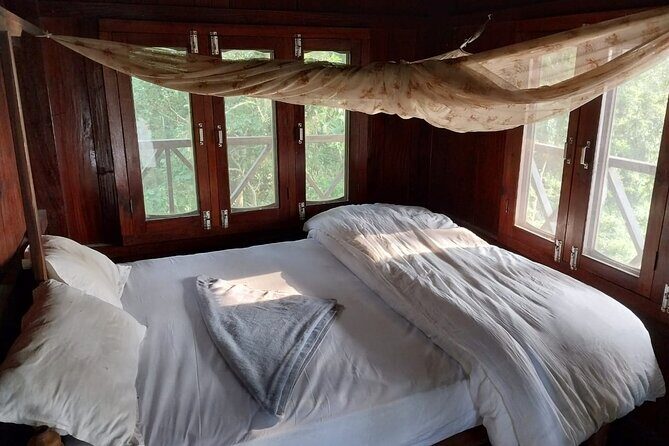
Day 3 is where the tour layers in the variety. The schedule starts with an early, shorter walk for about 30 minutes and then transitions into jeep safari time. If you like to balance effort and results, this hybrid day is a good fit: you’re still moving on foot, but you also get the wider coverage a jeep provides.
The jeep safari is the classic big-ticket moment for most visitors, and it’s one reason Day 3 feels like the peak. From the tour description, the guide approach is built around tracking animals in a way that’s meant to work in different conditions, which is exactly what you want in a park where weather and visibility can change.
After the safari, the tour adds a Tharu cultural programme. This isn’t just a checkbox stop. It helps connect the park setting to the people who historically depended on the area through farming and daily life. Then you shift again toward normal-world Nepal with time in Sauraha.
Sauraha time includes exploring the main town area and cycling around town in the evening as per interest. That cycling part is a surprisingly useful contrast after jeep and forest time. It gives you a slower pace to notice local life—shops, river-adjacent streets, and the everyday rhythm that exists beyond wildlife sightings.
Day 4 Departure: Getting Back to Kathmandu Without Dragging It Out
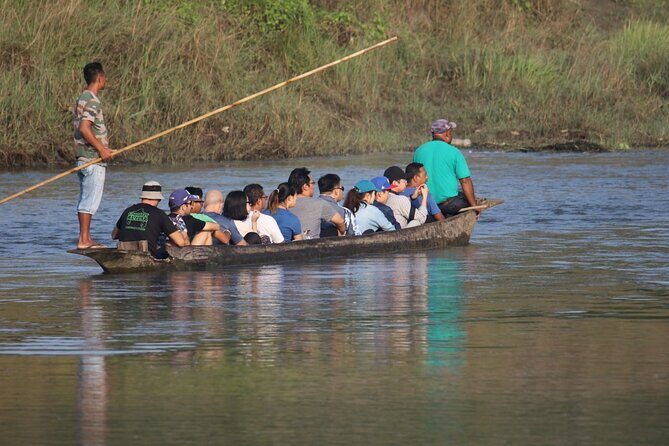
Day 4 keeps things straightforward. You leave Chitwan for Kathmandu by tourist coach, again about 5–6 hours. The structure is good because it avoids the common problem of ending late in the day when you still have travel fatigue.
This is the kind of finish I like for a 4-day trip: you’re not forced into one last long activity with sore legs. Instead, you get a clean wrap, which helps you actually enjoy the drive back rather than counting the hours in misery.
If you have onward plans in Kathmandu, it’s worth planning a little buffer. Even when the drive is listed as 5–6 hours, traffic and timing can shift, and you’ll appreciate having slack.

Price and Logistics: Is $340 Worth It for Chitwan?
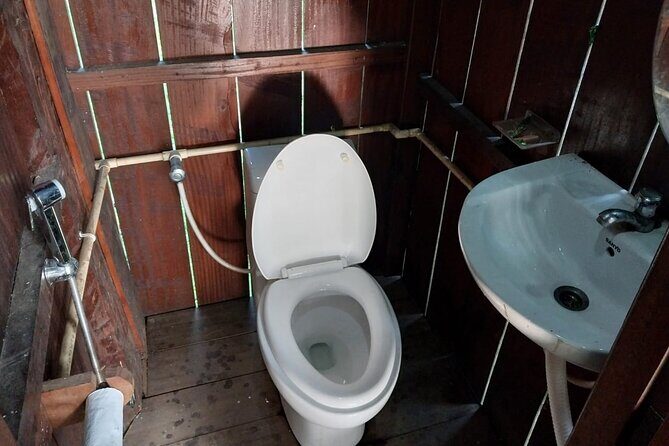
At $340 per person for a 4-day package, the value depends on what you compare it to. What’s bundled here is the main driver: transportation between Kathmandu and Chitwan, multiple guided activities, the towernight stay, and meals across the days.
A lot of “cheap safari” options break the total cost apart after you arrive—then you’re paying extra for the guide, park-linked items, or food. This tour’s structure is more “all-in,” and that matters because Chitwan is a place where time and organization affect your experience as much as the headline animal sightings.
There are also quality signals baked in. The group size is capped at 12, and the experience includes more than one format of wildlife time—canoeing, walking, and jeep. That mix usually costs more when booked separately, and it’s what turns the package into a fuller Chitwan story instead of a one-day park hit.
Bottom line: if you want safari time plus cultural context plus the emotional payoff of sleeping in the jungle, $340 feels like a fair deal rather than a bargain that cuts corners.
Small-Group Safari With Experienced Guides: How the Tracking Feel Should Work
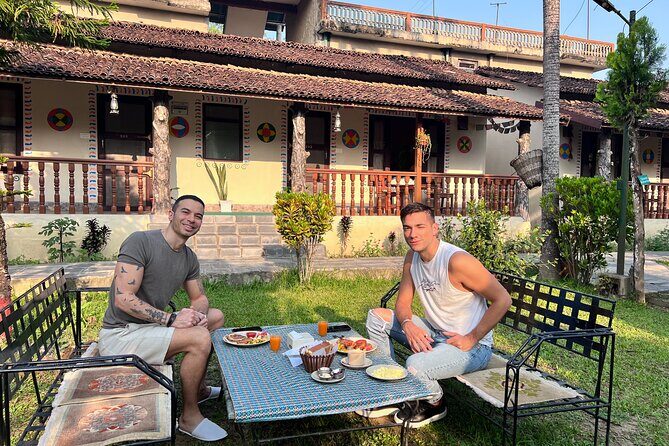
The tour highlights guides with 2+ decades of experience, and names like Hemanta, Sangam, and Gopal show up in past leadership. That’s meaningful because jungle safari success is often about calm decision-making, not dramatic luck.
A small group (max 12) helps in practical ways. You can stay quieter on foot, you can hear instructions clearly, and you aren’t stuck waiting for a big pack when something changes in the forest. It also tends to make the day feel more personal—like you can ask a question and get a real answer, rather than hearing the same group-wide speech all day.
For tracking, the key is patience and observation. Even when you’re on a jeep, the guide’s job is to watch for signs and movement, not just drive around. When the plan includes walking and tower time, you’re also giving yourself multiple chances to notice smaller changes—bird behavior, movement near water, or tracks.
If you come expecting a guaranteed tiger sighting, you’ll likely feel disappointed. If you come ready for a genuine wildlife atmosphere and good guiding decisions, this format makes a lot of sense.
Practical Tips: What to Bring for Tower Nights and Safari Days
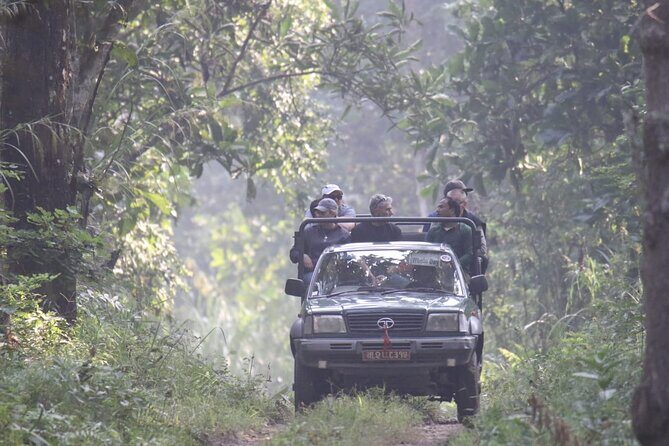
Because the tour is outdoors-heavy, pack like a person who plans to sweat and move. Light layers are smart for Day 2 walking and Day 3 jeep time. Bring a hat for sun, and something protective for rain just in case conditions shift.
Comfort items matter for the tower nights too. Even if the focus is nature, you’ll still appreciate sleep support and basic hygiene items. If you’re a small-stuff person, this is where you’ll be glad you didn’t forget chargers, a headlamp (if you use one), and a dry bag for essentials.
For wildlife viewing, binoculars can be helpful, but they’re optional based on your style. The bigger “bring” is your mindset: stay calm, listen, and don’t rush the day just because you want photos.
One more reality check: the experience requires good weather, so build in flexibility. If a day shifts due to conditions, don’t treat it like a problem—treat it like part of how jungle travel works.
Should You Book This Jungle Towernight Stay?
I’d book this if you want more than a drive-by safari. The jungle tower nights, sunrise start, canoeing + walking mix, and Day 3 jeep safari give you a balanced Chitwan rhythm that doesn’t feel like one long rush.
I would think twice if you hate long transfers or you’re expecting a purely comfortable resort style trip. The best part of this tour is that it gets you close to the wild on its own schedule, not that it offers a city-level luxury bubble.
If you’re the type who enjoys early mornings, quiet nights, and guides who help you read the environment, this is a strong fit. You’ll likely leave with the kind of memories that don’t come only from animal sightings, but from the whole feel of being there.
FAQ
How long is the Jungle Towernight Stay tour?
It runs for 4 days (approx.).
Where does the tour start and end?
The meeting point is the Rhino Statue at HFGV+WJX, Ratnanagar 44204, Nepal, and the activity ends back at the meeting point.
Is pickup available?
Pickup is offered.
What activities are included during the 4 days?
The itinerary includes Kathmandu to Chitwan by tourist coach, canoeing, jungle tower nights with all meals, sunrise from the jungle tower, jungle walking (option), jeep safari, Tharu cultural dance programme, cycling around town, and exploring Sauraha. Departure is Chitwan back to Kathmandu by tourist coach.
How big is the group?
The tour has a maximum of 12 travelers.
Is park admission included?
For the Chitwan National Park stops shown in the schedule, admission is listed as free.
What if weather is bad or plans change?
You can cancel for a full refund up to 24 hours in advance. The experience requires good weather, and if it’s canceled due to poor weather, you’ll be offered a different date or a full refund. It also requires a minimum number of travelers, and if that minimum isn’t met, you’ll be offered a different date/experience or a full refund.