One-day Kathmandu, four UNESCO stops. This tour is a focused hit of the Kathmandu Valley, guided by a professional government-licensed guide, with hotel pickup and drop-off to keep your day simple and efficient. You also get a private setup, so it’s just your group, not a giant scramble.
I especially like the match of Boudhanath Stupa, Pashupatinath Temple, Patan Durbar Square, and Swayambhunath Stupa in one outing. And I really appreciate that the guide is licensed and built for this kind of cultural navigation, the same kind of planning and support people associate with their guides like Gopi and Deepak.
A key consideration: the advertised price doesn’t include monument entrance fees (about USD $25 per person), so you’ll want to budget for that on top of the tour cost.
In This Review
- Key Highlights Worth Knowing
- A 7-Hour UNESCO Loop That Actually Feels Doable
- The exact flow you’ll be following
- Stop 1: Boudhanath Stupa and the Power of a Guided Arrival
- Stop 2: Pashupatinath Temple and Staying Oriented Through Ritual Space
- Stop 3: Patan Durbar Square and Why a Second City Layer Matters
- Stop 4: Swayambhunath Stupa and Ending With a Sense of Perspective
- Price and Value: The $55 Base Fare Plus Entrance Fees
- Transport, Timing, and How to Get the Most Out of 7 Hours
- What Included Means for You on the Ground
- Who This Tour Fits Best (and Who Might Want Another Option)
- Should You Book This Kathmandu UNESCO Heritage Tour?
- FAQ
- What’s included in the Kathmandu UNESCO Heritage Tour price?
- What’s the tour duration and start time?
- Where does the tour start?
- Are monument entrance fees included?
- Is this tour private?
- What is the cancellation policy?
Key Highlights Worth Knowing
- A UNESCO quartet in one day: Boudhanath Stupa, Pashupatinath Temple, Patan Durbar Square, and Swayambhunath Stupa
- Hotel pickup and drop-off so you lose less time to logistics
- Professional government-licensed guide who helps you connect what you see with how it fits together
- Private activity for your group with group transportation handled for you
- Good weather matters since the experience requires decent conditions to run well
A 7-Hour UNESCO Loop That Actually Feels Doable
This Kathmandu UNESCO Heritage Tour is built for people who want big cultural payoff without spending days moving city to city. The plan is roughly 7 hours of exploration, starting at 9:15 am from Breakfast House Thamelkwabahal (Wak Bajra Marg, Kathmandu 44600). Then you’ll head out to the main UNESCO-linked landmarks in the Kathmandu Valley, and finish with a hotel drop-off.
What makes this kind of “one tight loop” work is the structure: you don’t have to figure out routes, timing, or how to get from stop to stop. The tour includes all ground transportation as per your group size, plus hotel pickup and drop-off, which usually means less stress and fewer moments of wondering whether you’re on track.
The other thing I like is that this is described as a private tour/activity. That typically translates into a smoother day for you and your group, because your guide can pace the visit around your interests and questions, rather than trying to manage everyone at once. It’s also near public transportation, which is handy if you want a backup plan for getting back to Thamel afterward.
You can also read our reviews of more historical tours in Kathmandu


The exact flow you’ll be following
- Pick-up at your hotel
- Drive to Boudhanath Stupa
- Continue to Pashupatinath Temple
- Visit Patan Durbar Square
- Finish at Swayambhunath Stupa
- Drop back at your hotel
Stop 1: Boudhanath Stupa and the Power of a Guided Arrival
Boudhanath Stupa is the first major stop, and it’s a smart choice to start with. Early in the day you’re more fresh, your group is gathered, and the guide can set the tone for what you’re about to see—how to look, where to focus your time, and what to watch for as you move around the site.
I like starting here because a stupa visit works differently than a quick photo stop. Even if you only spend part of your time walking and observing, you’ll get a more grounded feel for the place when you’re not rushed by transport timing. A licensed guide is especially helpful at religious sites because they can point you toward the right perspective, and help you avoid common mistakes like drifting off-route or misunderstanding what you’re looking at.
One practical drawback to keep in mind: monument entrance fees are not included. So even though the tour covers transportation and guiding time, you should expect to pay at the site (the total estimate given is about USD $25 per person). If you’re budgeting closely, it’s worth setting that money aside before the tour starts.
Stop 2: Pashupatinath Temple and Staying Oriented Through Ritual Space
Next up is Pashupatinath Temple. Temple stops can be the most intense part of a day like this because the space is active, the rules of respectful behavior matter, and the flow can be different from what you’re used to.
This is where the guide quality really matters. Having a professional, government-licensed tour guide helps you stay oriented. You won’t just be walking into a landmark and hoping you interpret it correctly; you’ll have someone who can explain what you’re seeing and how to navigate the space respectfully.
I also like that the tour doesn’t treat Pashupatinath as a speed bump. The whole day is built around exploration at multiple sites, and the timing is long enough that you can pause, ask questions, and actually take in the setting rather than treating it like a checklist.
The consideration here is simple: religious landmarks often mean crowds and a sense of flow that changes moment to moment. If you’re the type of person who gets impatient in busy places, you’ll want to remind yourself that you’re there for atmosphere and observation, not speed.
Stop 3: Patan Durbar Square and Why a Second City Layer Matters
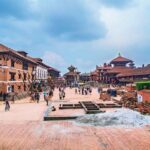
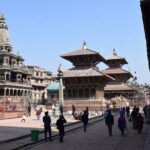
Then you move to Patan Durbar Square. What I find valuable about including Patan in this loop is that it adds a second layer to your Kathmandu Valley understanding. You’re not only seeing major religious sites; you’re also shifting into the civic and historical feel of the valley’s heritage district.
A Durbar Square stop is usually where you start noticing how architecture, public space, and everyday movement intersect. With a guide, it becomes more than a place name. You’ll get help connecting the dots: why a square matters, what kind of structures you’re looking at, and how this site fits alongside the more overtly religious landmarks you saw earlier.
This is also a stop where your guide can help manage expectations. If you go in thinking it’s just a photo spot, you’ll miss how to spend your time. If you go in ready to look slowly—pay attention to the shape of the space and how people use it—you’ll likely enjoy it more.
One small practical point: your time is limited. You only have one day, so the best results come from being clear with yourself about what you want most: broad overview, deeper context, or extra time to linger. The guide can’t create more hours, but they can help you get your best value out of the time you have.





Stop 4: Swayambhunath Stupa and Ending With a Sense of Perspective
The day ends at Swyambhunath Stupa. Ending here makes sense because it often gives people a last-chance “reset” moment. After temples and a square, you’re back to a stupa setting, and you can reflect on how the different sites connect across the day.
I like the pacing of having your final stop be Swayambhunath because it feels like a natural culmination: you’re finishing with a major landmark that gives you a sense of scale over the valley area. Even if you don’t spend hours there, closing the loop with one more major site tends to make the whole day feel complete.
The key drawback to plan around: your energy level. By the time you reach the last stop, you’ll likely have done a lot of walking and standing. Even with transportation between places, your body still feels the day. If you want to enjoy the final stop, wear comfortable shoes and pace yourself as you move between sites.
Price and Value: The $55 Base Fare Plus Entrance Fees
The tour price is USD $55.00 per person, and that’s a solid base cost for a guided UNESCO-focused day with hotel pickup and drop-off. What you’re paying for here isn’t only the guide—it’s also the logistics: ground transport handled for your group size, plus all government and local taxes.
That said, the pricing is also a little tricky because monument entrance fees are not included. The estimate given is about USD $25 per person for those entrances. So your realistic total will be closer to the tour price plus that entrance budget.
I like to think of it like this: if you had to piece together a half-day of transport and a guide on your own, you’d probably spend similar money once you include guide time and getting around between four major landmarks. The value comes from bundling that into one plan that runs for about 7 hours.
Also note what is not included: personal expenses like soft drinks or alcoholic beverages, plus tips and gratuity for your driver and guides. Tips aren’t optional in a cultural sense, even when they’re not listed as mandatory, so I’d plan ahead rather than decide at the end while you’re tired.
Transport, Timing, and How to Get the Most Out of 7 Hours
Here’s the reality: 7 hours can be plenty, or it can feel tight. It depends on how you move and how long you stop to look.
The good news is the tour is built with transportation and guiding baked in, which reduces wasted time. Pickup is included, and the route includes major sites in a logical sequence: Boudhanath Stupa, Pashupatinath Temple, Patan Durbar Square, then Swayambhunath Stupa.
Your best strategy is to choose how you want to spend your moments:
- If you love context, lean into your guide’s explanations and ask questions.
- If you love photos, set a quick plan for where you’ll pause so you’re not losing time waiting for the perfect shot.
- If you get tired easily, be proactive about pacing at each stop rather than trying to “power through.”
One more scheduling note: the start time is 9:15 am, and the experience requires good weather. If conditions are poor, the tour may be canceled and you’ll be offered another date or a full refund. So if you’re choosing between Kathmandu plans, give this one a little buffer space on your calendar.
What Included Means for You on the Ground
This tour includes:
- All ground transportation as per the group size
- Professional licensed tour guide
- Hotel pick up and drop off
- All government and local taxes
For you, that usually matters because it removes the two biggest friction points: getting from place to place and understanding what to look for. When you don’t have to manage both, you can focus on the actual experience.
The private setup also matters. Even though it’s listed as private only for your group, it can still feel less chaotic than a multi-group scramble. That tends to help at religious and heritage sites, where patience and respectful movement are part of the experience.
Who This Tour Fits Best (and Who Might Want Another Option)
This is a great fit if you want:
- A guided day through major Kathmandu Valley heritage sites
- A simple plan with pickup and drop-off
- A professional licensed guide rather than DIY navigation
- A route that covers both religious landmarks and an important square in Patan
It’s also a good choice if you’re short on time. Two-day or three-day stays are common, and a 7-hour UNESCO-focused tour is a practical way to see a lot without turning your whole vacation into a logistics job.
Where it may not fit as well: if you hate any entrance fees surprises, or if you strongly prefer slow travel at one site for several hours. This day is designed for coverage and flow. You’ll get a lot, but you won’t have time to treat any single stop as a half-day commitment.
Should You Book This Kathmandu UNESCO Heritage Tour?
If your goal is a guided introduction to Kathmandu Valley’s big-name UNESCO-linked landmarks, I think this is a smart booking. The value comes from combining hotel pickup and drop-off, professional licensed guiding, and transport between four major stops into a single plan that lasts about 7 hours.
Book it if you:
- Want a structured day with minimal planning
- Appreciate help navigating religious and heritage spaces
- Are budgeting for entrance fees on top of the $55 base price
Consider passing or looking at a different format if:
- You hate paying monument entrance fees separately
- You want a slower, deeper visit to just one or two sites
- Your schedule is extremely tight and you can’t afford weather-related date changes
If you do book, plan your spending for the entrance fees estimate, wear comfortable shoes, and let your guide set the pace. You’ll come away with a clear sense of how these UNESCO sites fit together across the valley—without turning your day into a logistics puzzle.
FAQ
What’s included in the Kathmandu UNESCO Heritage Tour price?
The price includes all ground transportation as per your group size, a professional licensed tour guide, hotel pick up and drop off, and all government and local taxes. Entrance fees for monuments are not included.
What’s the tour duration and start time?
The tour lasts about 7 hours and starts at 9:15 am. Hotel pick up and drop off are included as part of the schedule.
Where does the tour start?
The meeting point is Breakfast House Thamelkwabahal, Wak Bajra Marg, Kathmandu 44600, Nepal.
Are monument entrance fees included?
No. Entrance fees for monuments are not included, and they are listed as approximately USD $25 per person.
Is this tour private?
Yes. It is described as a private tour/activity, and only your group will participate.
What is the cancellation policy?
Cancellation is free up to 24 hours in advance for a full refund. If you cancel less than 24 hours before the start time, the amount paid is not refunded. The tour also requires good weather, and if it’s canceled due to poor weather you’ll be offered a different date or a full refund.