REVIEW · KATHMANDU
10 Days Nepal Adventure Tour from Kathmandu
Book on GetYourGuide →Operated by Himalayan Smile Treks and Adventures Pvt. Ltd. · Bookable on GetYourGuide
In This Review
- A fast intro to what you get
- Key highlights worth planning for
- A 10-Day Nepal Mix: Kathmandu, Chitwan, and the Annapurna foothills
- Kathmandu Valley: Bhaktapur, Pashupatinath, Boudhanath, and Swoyambhunath
- Trishuli River rafting to Chitwan: adventure on the move
- Chitwan National Park: canoeing, birding, and elephant bathing
- Pokhara with purpose: Davis Falls, Gupteshwor Caves, and the Tibetan Refugee Camp
- The Ghandruk and Pothana trek: Gurung village life and Himalayan views
- Dhampus to Phedi and back to Pokhara: the short trek finish
- Road conditions and drive days: what to plan for between cities
- Price and value: what $1,080 gets you, and what you’ll pay on top
- Who this tour is best for (and who should skip it)
- Final decision: should you book this Nepal adventure?
- FAQ
- Is airport pickup and drop-off included?
- How long is the tour?
- What language is the guide in?
- What kind of group size should I expect?
- Are breakfast and other meals included?
- Is rafting included in the price?
- Do I need trekking permits?
- Can I cancel for a full refund?
A fast intro to what you get
Nepal packs a lot into 10 days, and this route is the kind of mix I like. You start with Kathmandu Valley heritage, then switch gears to whitewater and jungle in Chitwan, and finish with a short Annapurna trek built around real village life and big mountain views.
Two things I especially like: the balance of activities (rafting, jungle work, and hiking) without feeling like a nonstop race, and the fact that you’re not flying solo. You travel with a local tour guide and trekking guide in a small group capped at 12, and that matters when you’re bouncing between cities and trails.
One consideration: several meals are not included, especially lunch and dinner in Kathmandu and Pokhara, and meals while trekking at mountain lodges aren’t covered. Budget for food on the days you’re hiking, and don’t assume the trip is fully meal-inclusive.
Key highlights worth planning for
- Small group size (12 max) means less waiting and more flexibility during viewpoints and transitions
- Trishuli River rafting + Tharu cultural program gives you adventure and culture on the same travel day
- Chitwan National Park activities include canoeing, birding, and an elephant-bathing experience at the lodge’s program
- Annapurna Conservation Area trek to Ghandruk and Pothana focuses on village atmosphere, not just summits
- Pokhara with multiple stops (Davis Falls, Gupteshwor Caves, Tibetan Refugee Camp) breaks up the long drive days
- Local guides you’ll actually learn from, including reported guides like Pramod Pangeni and Dharma
You can also read our reviews of more tours and experiences in Kathmandu.



A 10-Day Nepal Mix: Kathmandu, Chitwan, and the Annapurna foothills
This tour is built for people who want the whole Nepal picture, but don’t want to do a logistics-heavy, do-it-yourself route. In one trip, you cover three very different environments: the cultural capital world of Kathmandu, the subtropical lowlands of Chitwan, and the mid-hills around Pokhara and the Annapurna Conservation Area.
What makes the plan feel smart is pacing. You’re not trying to cram five treks into 10 days. Instead, you get two solid trekking days plus a couple of lighter connection days where you still get memorable sights and activities.
And because it’s a small group with English support and guides, you should spend more time watching and less time decoding. Nepal can feel like a lot on your first try. A guided structure helps you get your bearings fast.
Kathmandu Valley: Bhaktapur, Pashupatinath, Boudhanath, and Swoyambhunath
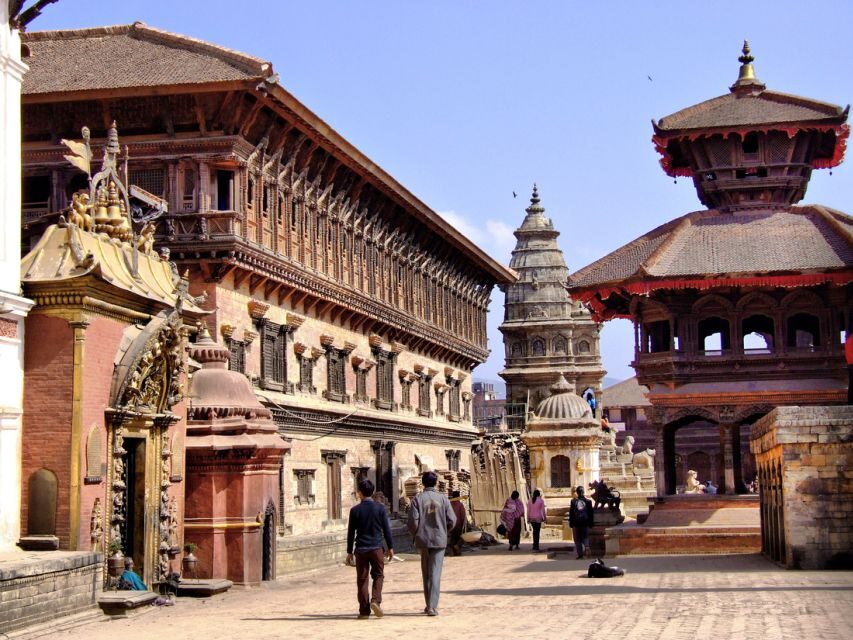
Your first days are about getting the cultural basics right. You start with arrival and orientation in Kathmandu, then jump straight into Kathmandu Valley UNESCO heritage with a guided route.
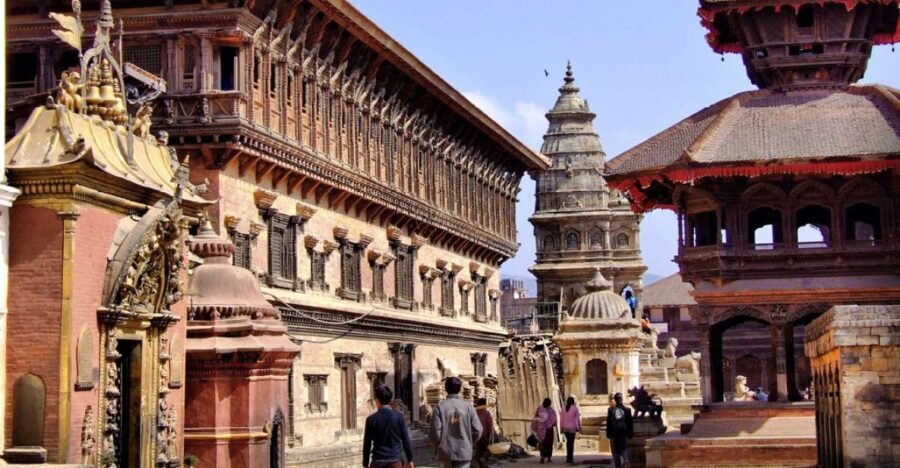
On day 2, you’ll see major landmarks including Bhaktapur Durbar Square, Pashupatinath Temple, Boudhanath Stupa, and Swoyambhunath. These aren’t just scenic photo stops. The tour is positioned as a learning route, with Hindu and Buddhist culture explained as you go.
Here’s why that matters: Kathmandu’s religious architecture can look similar at a glance, but the details tell you what each site is doing culturally. A good guide turns a collection of buildings into a map of beliefs, rituals, and how people actually live around these places.
Practical note: temple days in Kathmandu often mean walking on uneven surfaces and spending time outdoors. If you’re prone to getting tired quickly, plan to wear comfortable shoes and keep water handy. Your hotels will take care of rest, but you still do real legwork in the city.
Trishuli River rafting to Chitwan: adventure on the move
Day 3 is where the trip shifts into action. You drive toward Chitwan, but you don’t start with a slow sightseeing day. You hit the Trishuli River for whitewater rafting, then continue on to Chitwan.
That rafting day is valuable for one simple reason: it gives you an adrenaline reset. After temple walking and city sights, the rafting energy breaks the routine. It also makes Chitwan feel earned once you arrive.
Once you reach Chitwan, the evening includes a cultural display by the Tharu people. This is one of those smart tour choices that prevents the wildlife days from feeling disconnected from local life. The Tharu performance gives you a cultural thread while you’re in the lowlands.
The one logistical reality to remember is drive time. Kathmandu to Chitwan takes about 5–7 hours, and some stretches (like Malekhu/Benighat areas) can include construction bumps. Roads are passable and the rest is mostly smooth blacktop, but the day is still long. If you’re sensitive to motion, pack what helps you ride comfortably.
Chitwan National Park: canoeing, birding, and elephant bathing
Chitwan National Park is the heart of the “jungle safari” promise. Day 4 is scheduled as a full day of wildlife-oriented activities, with time for canoeing, birding, and a bathing experience with elephants at the program level provided by the lodge.
I like this structure because it gives you more than one way to experience the park. Canoeing changes the rhythm—you’re on water, moving slowly, scanning edges. Birding forces you to slow down again, but in a more focused way. It’s less about chasing one animal photo and more about learning how to read the park.
A balanced note: elephant bathing is part of this tour’s stated activities. Since animal interaction programs vary by how they manage and care for wildlife, I’d suggest you ask your guide/lodge staff what the process is and how animal welfare is handled in their setup. You don’t need to become an expert to ask those questions, and your guide should be able to explain it clearly.
You’ll also stay at a jungle lodge with three meals included on the Chitwan nights. That’s a real value add, because it removes decision fatigue on the days you’re doing the most physical activities and wildlife time.




Pokhara with purpose: Davis Falls, Gupteshwor Caves, and the Tibetan Refugee Camp
When day 5 rolls around, you trade jungle time for hills and lakes. You drive to Pokhara, making stops along the way at Davis Falls, Gupteshwor Caves, and the Tibetan Refugee Camp.
This is more than a commute. Davis Falls and Gupteshwor Caves give you a change of scenery with natural features you can actually explore. The Tibetan Refugee Camp adds human context. It’s a reminder that Pokhara and the region are not just a scenic pit stop; there are communities shaping what you see.
In the evening, you relax by the lakeside. That matters because Pokhara evenings can be your decompress window after an active day. You’re also resetting for the trek that starts the next day.
If you prefer gentle downtime, take advantage of it. A lakeside stroll in Pokhara is one of those low-effort, high-reward moments, especially after travel days.
The Ghandruk and Pothana trek: Gurung village life and Himalayan views
Days 6 and 7 are your trekking core in the Annapurna Conservation Area, moving between small settlements and viewpoints.
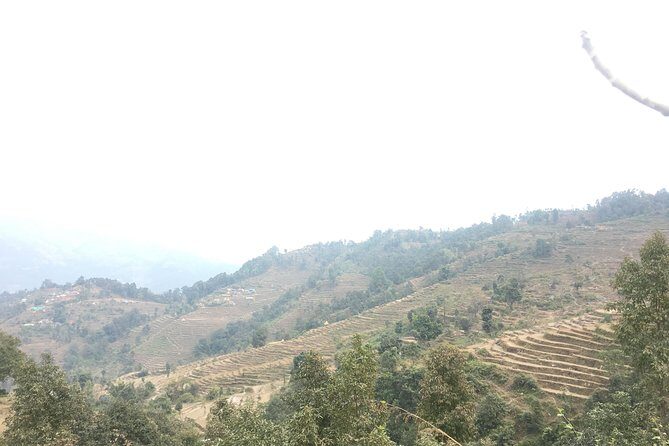
Day 6 goes from Nayapul to Ghandruk. Ghandruk is a Gurung village, and the tour frames it as a place where you can see mountain people, culture, and lifestyle alongside the views of the Himalayan range. This kind of village-based trek hits a sweet spot: you don’t need mountaineering skills, but you still get immersion through daily rhythms.
Day 7 continues to Pothana, with trekking through forests and local villages. This is the day where you’ll feel the trail texture more, not just the destination. Even when the hikes are shorter than big trekking circuits, Nepal trails can still add up because you’re walking on steep, uneven paths.
Fitness expectations are realistic. You don’t need to be a mountaineer with rippling muscles. The tour guidance is basically: if you’re reasonably fit and like walking, you’re qualified. Still, trekking is trekking. If you can, do some pre-trip training like running, hiking, or swimming to build endurance and leg stability.
One key cost-and-practical point: trekking permits are included, but mountain lodge and all meals while you’re trekking are not included. That means you should expect to pay for food and lodge costs during the trek portion, unless your operator clarifies something different for your specific departure. Pack cash or have a plan for on-trail payments.
Also, trekking porters are not included. If you want lighter days, you might consider arranging a porter yourself once you understand your own carry needs.
Dhampus to Phedi and back to Pokhara: the short trek finish
Day 8 is a “transition” trek designed to keep momentum without turning the trip into a marathon. You trek to Phedi via Dhampus, then drive back to Pokhara.
This matters because it balances effort with recovery. Dhampus is used as the scenic route connection, and you still get that hillside feel and viewpoint time. Once you reach Phedi, you’re not stuck in a multi-day continuation; you’re back in Pokhara to recharge.
That evening includes an enjoyable low-key activity: an evening walk around Phewa Lake. It’s a nice reward loop. After dust, steps, and tea-house rhythm, you get clean air by the water and a chance to slow your breathing down.
If you’re tired, this is the day to take it easy with the walking. The trek is still active travel, and the last thing you want is to feel wiped out before your final drive back to Kathmandu.
Road conditions and drive days: what to plan for between cities
The itinerary is a mix of short hikes and longer drives, so road comfort is real part of the experience. The tour guidance notes mixed road conditions between Kathmandu, Chitwan, and Pokhara. Some routes have construction bumps and dusty, narrow stretches.
Here’s what that means practically:
- You may feel more vibration and shaking on certain segments of the Kathmandu–Chitwan route.
- On the Pokhara–Kathmandu run, you may hit dusty and narrow areas that aren’t clearly marked on maps, plus widening work near Kathmandu.
All routes are passable, and the mountains make the effort worth it. Still, you should treat drive days as part of the physical plan. Consider bringing motion-sickness support and planning to sit where you feel most comfortable.
Also, longer drives can mean you don’t get to stretch much. When you stop, stand up, walk a bit, and reset your legs. Small habits make a difference.
Price and value: what $1,080 gets you, and what you’ll pay on top
At $1,080 per person, the value is mostly in how the tour bundles transportation, guides, and key activities across three regions. For a 10-day route with rafting, jungle programming, and trekking logistics, that base price is reasonable if you’re comparing it to the cost of booking each section separately.
Here’s what’s included:
- Airport pickup and drop-off by private vehicle
- 3 nights in Kathmandu and 2 nights in Pokhara, both with breakfast
- Chitwan National Park with 2 nights and 3 meals
- 2 nights on the Annapurna Ghandrung trek (lodging)
- Tour guide and trekking guide
- Rafting on the Trishuli River and sightseeing
- Trekking permit
- Transportation segments (including Pokhara to Nayapul and Phedi to Pokhara)
- Jungle activities in Chitwan
What’s not included (and you should budget for):
- All meals overall (except where specified in Chitwan, and breakfast at hotels)
- Trekking porter
- Travel insurance
- Mountain lodge and all meals while you’re trekking
- Trekking gear
- Personal medical kit
- Drinks
- Entrance fees for Kathmandu and Pokhara
- Lunch and dinner in Kathmandu and Pokhara
One extra budgeting note from real-world experience: tips are generally expected and they’re not included. If you’re traveling in Nepal for the first time, that’s an important cultural expense to factor into your planning.
Who this tour is best for (and who should skip it)
This is a good fit if you want a guided mix of culture, wildlife, and a short Himalayan trek. It’s also a strong choice if you like the idea of learning from local guides and having a structured schedule so you’re not hunting for transportation across every leg.
You’ll probably enjoy this most if:
- You’re reasonably fit and comfortable with walking days (trekking is included, but it’s not a mountaineering challenge)
- You want English support and a small group (max 12)
- You’re excited by both city heritage sites and lowland wildlife time
It’s not a fit if:
- You need wheelchair accessibility (it’s not suitable for wheelchair users)
- You’re over 95 years old (listed as not suitable)
Final decision: should you book this Nepal adventure?
If you want one trip that covers Kathmandu heritage, Trishuli rafting, Chitwan wildlife days, and an Annapurna village trek without building the route yourself, I think this is a smart way to go. The biggest strengths are the variety and the guidance: you’ll see a lot, but you’re not left alone to figure everything out.
I’d only hesitate if you dislike paying extra for non-included meals during city days and trekking days, or if you’re very sensitive to long drive segments. If that describes you, ask your operator what meal planning looks like for your exact departure and confirm any assumptions about trekking lodge meal coverage.
FAQ
Is airport pickup and drop-off included?
Yes. The tour includes airport pickup and drop-off by private vehicle.
How long is the tour?
It’s a 10-day tour, from arrival to airport departure.
What language is the guide in?
The live tour guide is English, and the audio guide is also included in English.
What kind of group size should I expect?
It’s a small group limited to 12 participants.
Are breakfast and other meals included?
Breakfast is included in Kathmandu and Pokhara. Chitwan includes 3 meals per day (with 2 nights stay). Lunch and dinner in Kathmandu and Pokhara are not included, and mountain lodge and meals while trekking are listed as not included.
Is rafting included in the price?
Yes. Rafting at the Trishuli River is included.
Do I need trekking permits?
Trekking permits are included as part of the tour.
Can I cancel for a full refund?
You can cancel up to 24 hours in advance for a full refund.