REVIEW · KATHMANDU
annpurna base camp trekking
Book on Viator →Operated by nepal tourism adventure kathmandu · Bookable on Viator
Tents and temples, then high mountain silence. This 12-day Annapurna Base Camp trek strings together village nights and big views, with a standout Poon Hill sunrise morning. You also get an organized start in Kathmandu and a full return at the end.
I love that the team handles the handoffs: pickup at the airport in Kathmandu, a hotel stay, then the route down toward Pokhara. I also love the human factor—guides and support crews with a track record of keeping people confident and moving, including names like Ram Shahi and Dan in Annapurna groups.
The main thing to watch is the walking load. Days can run 6 to 8 hours, and there’s a demanding stretch when you go from Machhapuchhare Base Camp to Annapurna Base Camp and then back toward Bamboo. If you’re only lightly active, plan on feeling it.
In This Review
- Key highlights worth planning around
- What This Annapurna Base Camp Trek Really Includes
- Day One and Two: Kathmandu Arrival, Then Pokhara to Ulleri
- Ghorepani and the Poon Hill sunrise that sets expectations
- Chhomrong to Bamboo: where the trip starts to feel real
- Machhapuchhare Base Camp and the big day to Annapurna Base Camp
- Jhinu Danda to Nayapool: recovery starts, but don’t coast
- Day twelve: tourist bus back to Kathmandu
- Guides and porters: why the trip feels safer than it looks
- Price and value: is $1,100 fair for 12 days?
- Packing and fitness: the numbers you should plan for
- Weather and altitude: when plans must stay flexible
- Who should book this trek, and who should think twice
- Should you book this Annapurna Base Camp trek?
- FAQ
- Where is the trek meeting point, and where does it end?
- How long is the Annapurna Base Camp trek?
- Is this trek private?
- Is pickup included from Kathmandu?
- What happens if weather is poor?
- How late can I cancel for a full refund?
Key highlights worth planning around
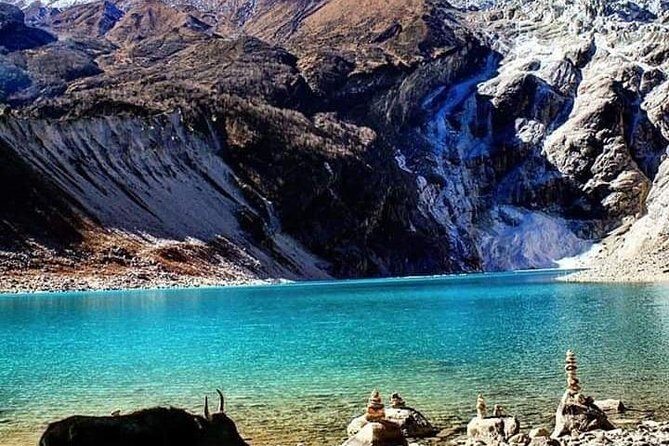
- Poon Hill sunrise morning built into the trek so you’re not just staring at mountains, you’re working for the light.
- Private tour setup means only your group participates.
- A logical progression through the Annapurna valleys: Ulleri → Ghorepani → Tadapani → Chhomrong → Bamboo → Deurali → base camp.
- Guides who handle real-life problems quickly, from adjusting plans to emergency response.
- Long day design on purpose: the Machhapuchhare base camp to Annapurna base camp push is where the trip becomes unforgettable.
What This Annapurna Base Camp Trek Really Includes
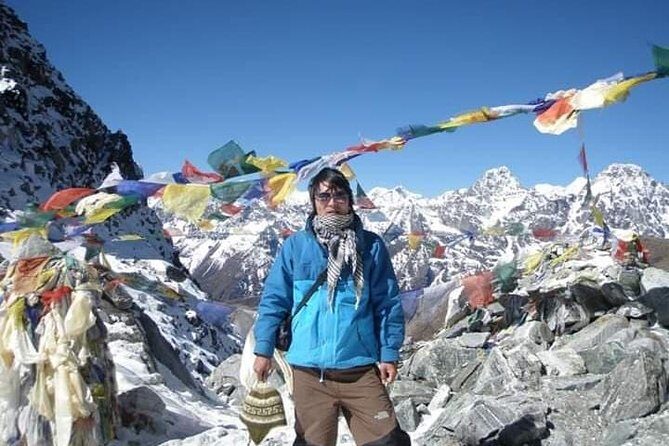
This Annapurna Base Camp trek is built as a guided circuit-style walking plan out of Nepal’s trekking hub. You start in Kathmandu (meeting point at Tribhuvan Airport), get picked up on arrival, sleep in a Kathmandu hotel, then head to Pokhara before your trek days begin. The itinerary wraps back up with a tourist bus ride to Kathmandu at the end, returning you to the same meeting point.
The practical value here is that you’re not just booking days on a map. You’re buying structure: daily routes with set walking times, transfers between the big hubs (Kathmandu and Pokhara), and a team that knows how to keep logistics moving. It’s also a private tour/activity, so you’re not getting mixed with random strangers midstream.
Physically, the trek is listed for moderate fitness. Translation: you don’t need to be an athlete, but you do need to be comfortable walking for hours on consecutive days. Many days land around 4 to 6 hours, with a couple longer pushes that can be the difference between “great day” and “slow climb” depending on how you pace.
You can also read our reviews of more hiking tours in Kathmandu


Day One and Two: Kathmandu Arrival, Then Pokhara to Ulleri
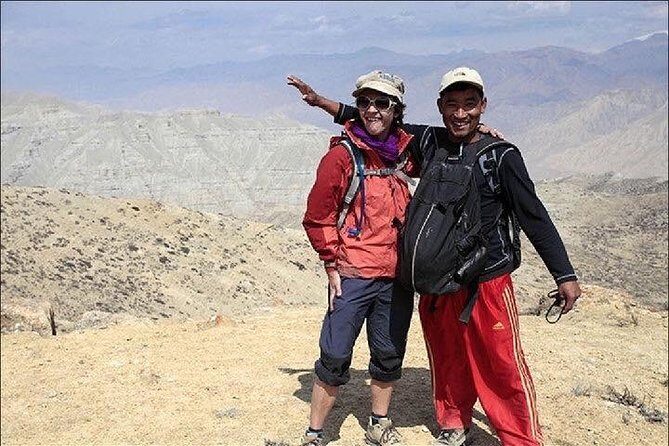
Day one is straightforward: pickup at Tribhuvan Airport in Kathmandu, then transfer to your hotel. This matters more than it sounds. Arriving in a new country, then immediately trying to solve transport and timing, is how trekking trips go sideways. Here, your first job is basic: rest, hydrate, and get your gear settled for mountain walking.
Day two moves you into the trek rhythm. You travel from Pokhara to Nayapool, then walk onward to Ulleri for about 4 hours. This is a good “start walking” day. It’s long enough to warm up your legs, but not so punishing that you feel destroyed before the big sunrise morning. Also, since you’ve just traveled from the lowlands to the trekking zone, you’ll want to keep your early pace steady, not heroic.
One small but real tip: on a first walking day, it helps to dress for comfort rather than chase perfection. If you run too hot, you’ll sweat, then feel colder later. A simple layer system is the move.
Ghorepani and the Poon Hill sunrise that sets expectations

Day three is a climb-and-settle route: Ulleri to Ghorepani in about 5 hours. This day is where your body starts learning the pattern. You’ll be walking for sustained periods, often with uneven ground underfoot. The goal isn’t speed. It’s consistency.
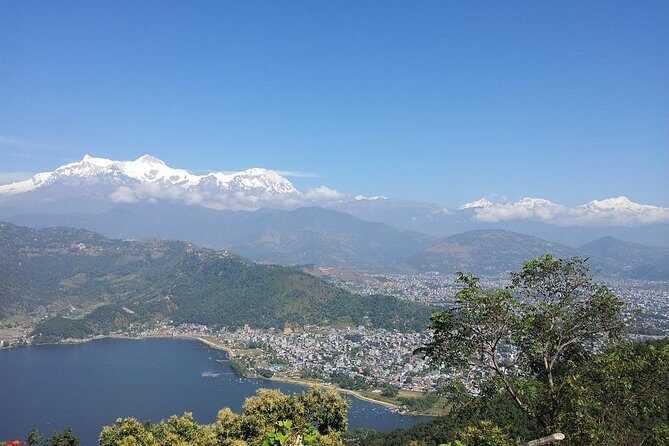
Day four is the reason many people come to this region: you get up for Poon Hill sunrise, then continue trekking onward to Tadapani in about 6 hours total. The sunrise part changes the vibe of the whole trek. Instead of hiking “to mountains,” you’re hiking toward morning light and then transitioning back to the steady grind.
What to consider: sunrise mornings can be cold and early, and that can affect your energy later in the day. The walk doesn’t stop after you see the view—it continues to Tadapani. Plan on fueling properly during breaks and not treating breakfast as a formality.
Chhomrong to Bamboo: where the trip starts to feel real
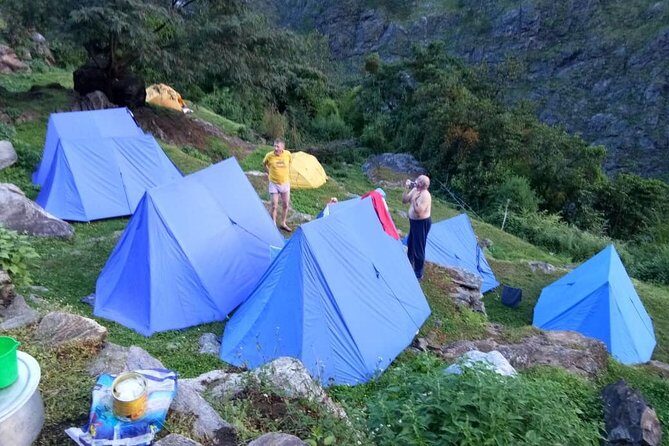
Day five is Tadapani to Chhomrong, about 4 hours. This is the kind of day where you often feel better once you’re warmed up. Chhomrong is a key stop on this route, and it helps you break the trek into sections that feel manageable rather than one endless line toward base camp.
Day six is Chhomrong to Bamboo in about 4 hours. Day six can catch people off guard because you’re building fatigue. It’s not only about distance—it’s about how your legs feel after repeated days. This is where your pace discipline matters.
Day seven runs longer: Bamboo to Deurali in about 5 hours. By now, you’re deep in the middle of the trek. You’ll likely start noticing small things like how quickly you breathe on uphill segments and how much a steady rhythm helps. If you’re someone who tends to rush the early part of a hike, you’ll want to correct that now.
Machhapuchhare Base Camp and the big day to Annapurna Base Camp
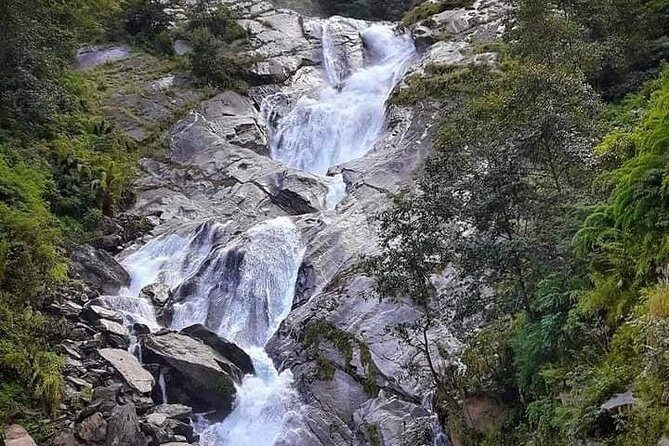
Day eight is Deurali to Machhapuchhare Base Camp in about 5 hours. This is a strong staging day. It’s not the final destination yet, but it’s close enough that motivation shifts from routine to focus. Many hikers feel mentally sharper around this point because they know what comes next.
Then comes day nine, the centerpiece push: Machhapuchhare Base Camp to Annapurna Base Camp and back toward Bamboo, about 8 hours. This is the “no shortcuts” day. It’s the longest walking block in your itinerary, and it combines altitude stress with long effort. If you’ve ever wondered why people talk about the base camp moment, this is why: you earn it over time.
Your best strategy on a day like this is simple: don’t sprint at the start. Stay controlled, take breaks before you’re wiped out, and keep your focus on the next section rather than the whole mountain. Long days reward steady hikers.
One more thing: the itinerary’s structure means you still sleep after reaching base camp, because you’re walking onward to Bamboo. So you’re not doing a quick summit-and-leave. You’re continuing the trek loop.






Jhinu Danda to Nayapool: recovery starts, but don’t coast
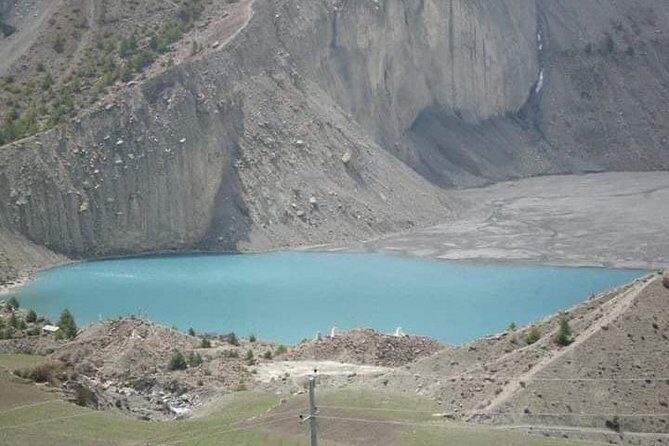
Day ten is Bamboo to Jhinu Danda, about 6 hours. This is a shift toward easier walking in the sense that you’re moving toward your exit route. Still, a 6-hour day isn’t short, and trekking legs usually don’t fully “recover” just because the scenery changes.
Day eleven is Jhinu Danda to Nayapool, about 6 hours, and then you drive back to Pokhara. This is an important day for planning your energy. You’ll likely finish the walk and immediately transition into travel, so hydrate while walking and keep your packing simple for the drive.
A common mistake: people save all their snacks for the end of the hike. On a day like this, it’s smarter to snack consistently. You want energy for the full walk, not just for the last downhill miles.
Day twelve: tourist bus back to Kathmandu
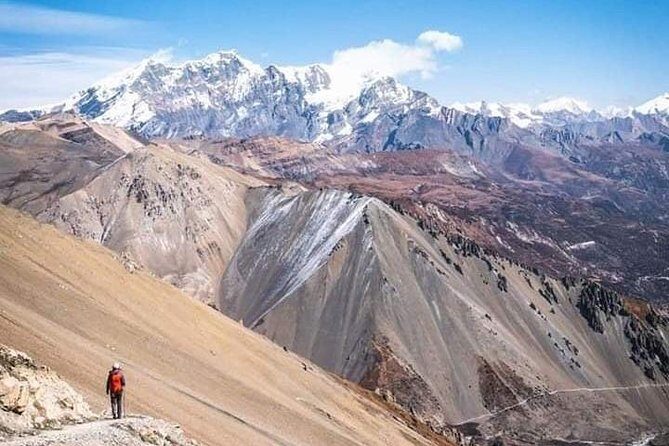
Day twelve ends with a drive from Pokhara to Kathmandu by tourist bus, finishing back at the meeting point. This is a nice clean wrap-up. You don’t have to hunt for transport or coordinate timing with multiple stops.
Because this is your last day, treat it like a recovery day. Your body will still feel the trek. You can enjoy the change of pace, but it’s not a great day for over-planning extra activities far from where you’ll end up.
Also, this route runs on a mobile ticket system, which generally makes day-to-day coordination easier once you’re moving through Nepal.
Guides and porters: why the trip feels safer than it looks
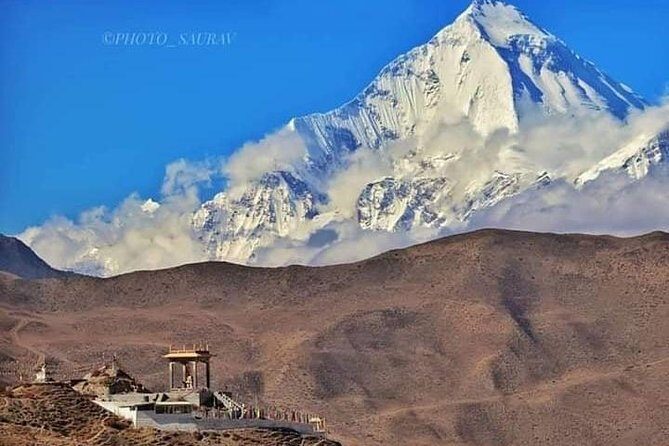
The most praised part of these Annapurna experiences is the guiding and the way the team manages the unknowns. People consistently highlight that guides keep things calm, organized, and human. Names that show up in past Annapurna treks include Ram Shahi, Resham Gurung, Lok, and Nanda Gurung, often alongside porters who help keep the trek steady.
From a traveler’s point of view, this matters in three ways:
- Pacing and confidence
Some groups describe being supported through mixed fitness levels, including slower hikers and kids, without turning the trek into a stressful bottleneck. That’s not luck—it’s good guidance and a group pace that actually works.
- Problem-solving during the trek
Stories include guides who handle sleeping arrangements and fix real issues quickly. When lodging choices change, or timing gets tricky, it helps to have someone who’s already done this route many times.
- Emergency readiness
One account describes a medical emergency where the guide arranged rapid transport to a hospital and even coordinated a helicopter response. That kind of competence is not something you notice on a normal day. But it’s exactly what you want to know exists when things get serious.
Also, humor and communication come up again and again. A guide who can explain what you’re walking toward—culture, religion, route sense—makes the long hours feel less like chores and more like a story you’re part of.
Price and value: is $1,100 fair for 12 days?
At $1,100 per person for an approximately 12-day trek, the value depends on what you personally count as important.
Here’s what you can rely on from the trip description and setup:
- Airport pickup in Kathmandu and a hotel stay early on
- Guided trek days with an established route and walking schedule
- Transfers between major parts of the journey, including drive segments to Pokhara and back
- A wrap-up return to Kathmandu by tourist bus
- A private tour format, so it’s your group only
What’s not spelled out in your details is whether the price includes every permit, specific gear rental, or entrance fees for every stop. That doesn’t mean it’s missing. It just means you should confirm the full include list before you pay.
So, is $1,100 “good”? For many hikers, yes, because you’re paying for the biggest headache: having someone else manage timing, route decisions, and on-the-ground logistics in a place where plans often hinge on weather and mountain conditions. If you were to self-arrange all of that, you’d likely spend a lot of time and risk confusion.
Packing and fitness: the numbers you should plan for
Your itinerary’s walking times are your best forecast. Expect a mix of:
- ~4 hours days (like Pokhara to Ulleri, and Tadapani to Chhomrong)
- ~5 to 6 hours days (like Ulleri to Ghorepani, Deurali to base camp approach, and several middle stretches)
- One standout ~8-hour day on day nine
Fitness-wise, the experience asks for moderate physical fitness. That’s your green light, but it also means you’ll do best if you prepare your legs before you go. You don’t need marathon training. You do need the ability to walk uphill for long stretches without gassing out.
Practical advice you’ll thank yourself for:
- Choose footwear you already trust. New shoes and trekking are a bad mix.
- Keep layers easy. Sunrise mornings can be cold, and later you’ll often work up heat.
- Don’t overpack your backpack. Every extra kilogram becomes a repeated cost for days.
And don’t ignore recovery. Trek days include plenty of walking. You’ll need to sleep well, hydrate, and eat enough to keep energy steady.
Weather and altitude: when plans must stay flexible
This trek requires good weather. If conditions are poor, you’ll either be offered a different date or get a full refund. That safety valve matters because mountain timing can’t be bullied by willpower.
Also, while the itinerary has set days, guides in Nepal often adjust on the fly when conditions shift. In past Annapurna experiences, people have described guides changing arrangements quickly when rain came in. The trip you’re considering is built on having a team that can react without panicking.
Altitude isn’t measured in the details you provided, but the itinerary gives you gradual progress. Even so, you should treat early days like setup, not a race. If you feel unusually tired, slow down. If you feel unwell, tell your guide right away. The best treks aren’t the ones where you ignore your body.
Who should book this trek, and who should think twice
This Annapurna Base Camp trek is a strong fit if you:
- Want a guided base camp experience rather than DIY logistics
- Are comfortable walking daily and handling a few long days
- Like the idea of a famous sunrise (Poon Hill) built into the route
- Prefer a private tour where your group pace matters
It might be less ideal if you:
- Have only minimal walking tolerance and you’re expecting the trek to be light
- Get nervous with early mornings and long days back-to-back
- Are hoping for a short, low-effort hike. Day nine alone is a commitment.
Should you book this Annapurna Base Camp trek?
I’d book it if you want the Annapurna Base Camp goal with a structured plan, airport support, and a guide team that’s known for handling both everyday logistics and serious situations. The walking schedule is real, but it’s also broken into stages that let you build momentum—starting gently on day two, hitting sunrise mid-trek, and then doing the big base camp push when you’re already in rhythm.
Before you sign, do one simple check: confirm what the $1,100 includes beyond the obvious guiding and transfers. Ask about what’s covered for your trek days so there are no surprises at the start line.
If you’re moderately fit, open to early mornings, and ready for the long day toward base camp, this is the kind of trek that can turn into a long-lasting Nepal memory.
FAQ
Where is the trek meeting point, and where does it end?
The trek starts at Tribhuvan Airport in Kathmandu, Nepal. It ends back at the same meeting point.
How long is the Annapurna Base Camp trek?
It runs for about 12 days.
Is this trek private?
Yes. This is a private tour/activity, so only your group participates.
Is pickup included from Kathmandu?
Yes. Pickup is offered, and the plan includes pickup at Kathmandu airport along with a hotel stay in Kathmandu.
What happens if weather is poor?
This experience requires good weather. If it’s canceled due to poor weather, you’ll be offered a different date or a full refund.
How late can I cancel for a full refund?
You can cancel up to 24 hours in advance for a full refund. If you cancel less than 24 hours before the experience’s start time, the amount paid is not refunded.