REVIEW · KATHMANDU
Annapurna Base Camp Trek- 12 Days
Book on Viator →Operated by Scenic Nepal Treks Expedition Pvt. Ltd · Bookable on Viator
A high pass in 12 days sounds bold, but this trek is built for real-life schedules. You’ll hit Poon Hill for classic Himalayan viewpoints and then push on to Annapurna Base Camp at 4130m, all with daily structure that keeps things moving. I especially like the practical pace (long enough to feel like a real trek, short enough to finish) and the support focus, including an experienced, government-licensed English-speaking guide. One consideration: the itinerary is physically demanding for the altitude, so you’ll want a moderate fitness base and good insurance before you go.
What makes the trip feel workable is the built-in logistics: pickup offered, a flight from Kathmandu to Pokhara (about 25 minutes), and then a gradual staircase up through villages and ridgelines. Reviews also highlight safety and comfort as priorities, especially for groups with travelers in their 40s to 60s. If you’re the type who hates being cold at night or wants everything perfectly level and easy, tea-house trekking may test your patience.
In This Review
- Key Points You’ll Care About Before You Commit
- Annapurna Base Camp in 12 Days: How This Shortcut Still Feels Like a Real Trek
- From Kathmandu to Pokhara and Ulleri: The Day You Start Earning Your Views
- Ulleri to Ghorepani: Building Acclimatization One Village Hop at a Time
- Ghorepani to Poon Hill and Chiule: Your View Day Has a Job, Not Just a Moment
- Chiule to Sinuwa and Deureli: The Part Where You Feel the Altitude
- Deureli to Annapurna Base Camp (4130m): The Goal Day
- ABC Back Down to Sinuwa, Then Kyumi: Why Recovery Is Part of the Trek
- Kyumi to Nayapul and Back to Pokhara: The Moment the Mountain Lets Go
- Price and Value: What $828 Covers (and What You’ll Still Pay For)
- Guides, Safety, and the Small Details That Matter at 3000m
- What to Pack and How to Prepare for a Fast Altitude Story
- Should You Book the 12-Day ABC and Poon Hill Trek?
- FAQ
- What time does the trek start?
- Is the flight from Kathmandu to Pokhara included?
- Is this trek a private tour?
- Where do you stay during the trek?
- Are meals included?
- What’s the minimum age and fitness level?
- Is free cancellation available?
Key Points You’ll Care About Before You Commit
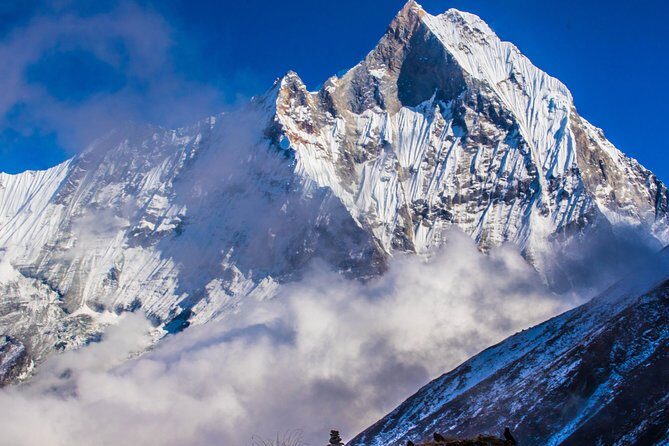
- Poon Hill plus ABC, without the long vacation: a “short trek” version that still reaches Annapurna Base Camp.
- Government-licensed English-speaking guide: planning, pacing, and on-trail decisions handled by a trained professional.
- Tea-house lodging: you sleep in simple lodges each night on the trek route (not camping, not luxury hotels).
- Meals are covered during trekking days: breakfast, lunch, and dinner are included from Pokhara to Pokhara.
- Small group, private feel: up to 10 people per booking, and it’s private for your group.
- Safety and comfort get real attention: guides and porters are described as attentive to well-being—important when altitude stacks up.
Annapurna Base Camp in 12 Days: How This Shortcut Still Feels Like a Real Trek
This trek is designed for travelers who can’t spare the usual multi-week window, but still want the emotional payoff of Annapurna Base Camp and the scenic hit of Poon Hill. The route threads together two of the most popular experiences in the Annapurna region: the sunrise-style viewpoint day at Poon Hill and the high-stakes goal day at ABC.
The best part is that it doesn’t feel like a “rush job” where you just stamp photos and move on. Even in a shorter format, you get enough consecutive walking days to feel the altitude change, learn what your body tolerates, and build rhythm. That matters because ABC isn’t only about distance—it’s about how you manage higher elevations, step by step.
The trade-off is that you’re compressing time. Instead of spreading climbing and acclimatization across more days, you’ll be moving through multiple altitude bands in quick succession—Ulleri, Ghorepani, Sinuwa, Deureli, then up to ABC, and back down again. If you’re easily exhausted or you hate long hiking days (some days are 7 to 8 hours), plan to take the trek seriously, not casually.
You can also read our reviews of more hiking tours in Kathmandu


From Kathmandu to Pokhara and Ulleri: The Day You Start Earning Your Views
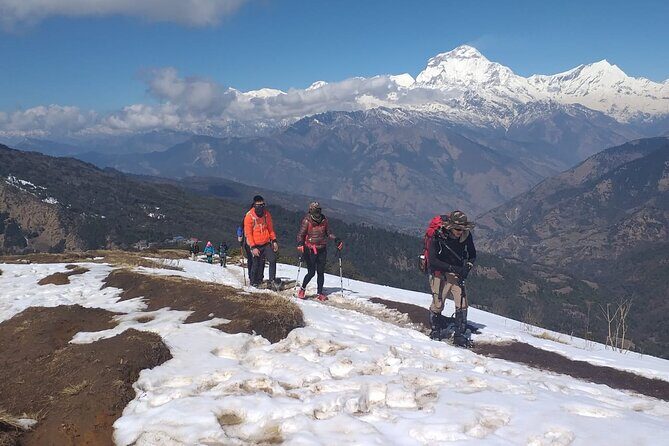
Day 1 is straightforward: arrival in Kathmandu. Then Day 2 turns quickly from city to mountain mode. You leave Kathmandu early for Pokhara by flight (about 25 minutes), then drive to Naya Pul and begin trekking toward Ulleri (2050m). Expect roughly an hour of drive plus 5 to 6 hours of walking.
I like this start because it eases you into the trek without making Day 2 feel like a grueling vertical climb. Ulleri is still a real trekking day, but it’s also a good place to get your legs moving and learn your pace. If you’re the kind of person who benefits from a “warm-up day,” this structure helps.
You also get a taste of how the trek works day to day: tea-house lodging, village meals, and the slow switch from modern comfort to mountain practicality. If you’re hoping to return to the city right after a long flight, don’t. This itinerary helps you transition, which is exactly what altitude treks ask for.
Ulleri to Ghorepani: Building Acclimatization One Village Hop at a Time
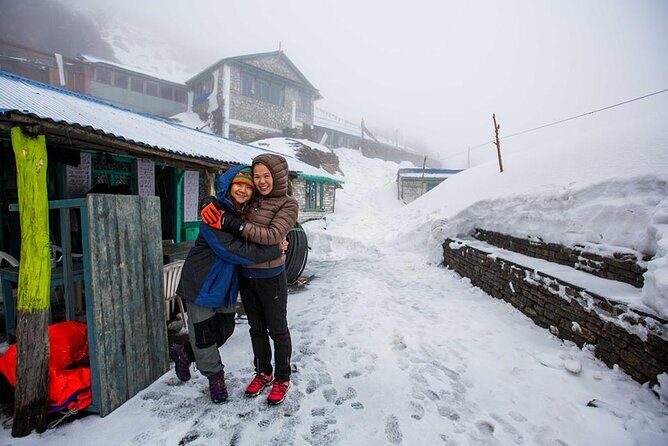
On Day 3 you hike from Ulleri to Ghorepani (2750m) in about 4 to 5 hours. This is the kind of day that feels like you’re “earning height” without destroying yourself.
Ghorepani is a key staging area on the Annapurna trail system. It’s also where you start setting up for Poon Hill. You’re higher now, and you’ll likely feel it in how your breathing settles during the walk, especially if you’re not used to elevation. The best approach is simple: keep moving steadily and don’t force speed just because the trail looks manageable.
I also appreciate that this trek structure keeps you from getting stuck in one place too long. You’re not waiting around for days. Instead, you’re gradually stepping upward and positioning yourself for the Poon Hill morning/route segment later.
Ghorepani to Poon Hill and Chiule: Your View Day Has a Job, Not Just a Moment
Day 4 takes you from Ghorepani to Poon Hill and onward to Chiule (2700m), with a total trek time around 7 hours. That’s a long day for what many people treat as a quick viewpoint stop. Here, Poon Hill is integrated into the trekking flow, not tacked on.
This matters. A viewpoint morning can make the whole experience feel magical, but it also adds time and effort. With Poon Hill built into your day, you get the reward and you also keep your momentum. Later you reach Chiule (2700m), staying at a similar elevation so your body continues adapting rather than swinging wildly.
If you’re sensitive to cold mornings or early start fatigue, plan for it. At these altitudes, temperatures can be sharp, and your comfort level will affect your enjoyment. Wear layers you can manage quickly, and don’t wait until you feel miserable to add warmth.
Chiule to Sinuwa and Deureli: The Part Where You Feel the Altitude
Days 5 and 6 are where the itinerary starts stacking altitude change and stamina demands.
- Day 5: Chiule (2700m) to Sinuwa (2340m) in about 7 to 8 hours
- Day 6: Sinuwa (2340m) to Deureli (3230m) in about 7 hours
On paper, Day 5 drops from 2700m to 2340m. In practice, that can still feel hard because you’re walking for a long time and the terrain can be tiring even when you aren’t gaining altitude. Day 6 then climbs again toward Deureli (3230m), bringing you closer to ABC.
This is exactly where an experienced guide helps. Your guide’s job isn’t only navigation. It’s also reading your pace, watching for altitude strain, and managing the little decisions that keep the day safe and sustainable. Reviews for this company frequently mention guides who are attentive to comfort and well-being, which is especially useful when your legs start telling the truth.
Also, remember that tea-house trekking has a rhythm. You’ll eat what’s available, sleep simply, and move on. If you go in expecting the same food and comfort standards as a city hotel, you’ll feel frustrated. If you go in expecting mountain basics and steady progress, you’ll feel satisfied.





Deureli to Annapurna Base Camp (4130m): The Goal Day

Day 7 is the payoff: Deureli to Annapurna Base Camp (4130m) in 7 to 8 hours. Reaching ABC is the reason many people dream about this region, and it’s not just a number on a map. Base camp at this altitude is a “body moment.” You’ll feel it in your breathing and your energy more than you’ll feel it in scenery alone.
What I like about this itinerary is that it doesn’t send you to ABC too abruptly. You build up to it over multiple days—Ulleri, Ghorepani, Chiule, Sinuwa, and then Deureli. That staging reduces the shock and increases your odds of arriving feeling like you can actually enjoy the moment, not just survive it.
When you arrive at ABC, you’re also surrounded by the cultural and spiritual importance of the mountain for local communities. Annapurna is revered by locals as a goddess connected to harvest, and that reverence is part of how people talk about the mountain landscape and the trekking experience in general.
The other thing you should know: after you reach ABC, the next step is also part of the experience. You’re not stuck there for days. You hike down the following day.
ABC Back Down to Sinuwa, Then Kyumi: Why Recovery Is Part of the Trek
Day 8 brings you from ABC to Sinuwa (2340m) in about 7 hours. This is where you earn your recovery. Going downhill can feel easier than climbing, but it can also beat up your knees and feet. A guide who understands pacing and foot care makes a difference here.
Day 9 is another steady trek: Sinuwa to Kyumi (1340m) in about 7 hours. That elevation drop is dramatic compared with the earlier days, and it can feel like a relief. Still, long walking time matters. Your body needs time to adjust and your muscles need time to reset.
I’d treat these days like a careful marathon, not a victory lap. If you sprint downhill because you’re excited to be done, you may regret it the next morning.
Kyumi to Nayapul and Back to Pokhara: The Moment the Mountain Lets Go
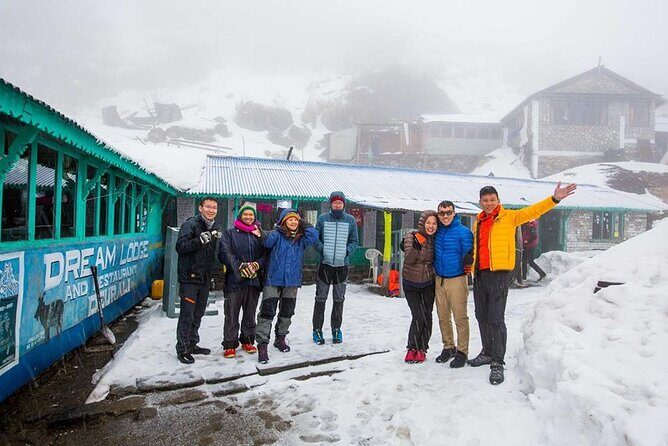
Day 10: Kyumi to Nayapul in about 4 to 5 hours, then drive back to Pokhara. Day 11 is the transfer drive back to Kathmandu. Finally, Day 12 is your departure.
That’s the rhythm most altitude trekkers hope for: finish strong, then get transportation back while you’re still feeling functional. This matters because travel days can turn miserable if you’re exhausted and you’re left to figure everything out yourself.
This package includes air-conditioned vehicle support and a mix of private transport and tourism bus for the Pokhara–Kathmandu leg. That blend is practical. It gives you comfort where it counts without turning the trip into a complicated set of separate bookings.
Price and Value: What $828 Covers (and What You’ll Still Pay For)
The stated price is $828 per person, and for a 12-day ABC + Poon Hill trek, that’s a fair chunk of money—but it’s also doing real work for you.
Here’s what you get value for:
- Guide support: an experienced, government-licensed English-speaking guide, plus the guide’s expenses.
- Meals during trekking: breakfast, lunch, and dinner every day during the trekking portion from Pokhara to Pokhara.
- Lodging structure: tea-house lodge stays during the trek and tourist-good hotels in Kathmandu and Pokhara with breakfast (sharing rooms).
- Basic trekking support items: a company duffel bag (to return) and an adventure certificate; a first aid kit is included, though you’re expected to use your own recommended medicines.
- Transport: private transport is included in key segments, plus the flight time is part of the route plan (but see the extra cost note below).
Here’s what you should budget separately:
- Flight Kathmandu to Pokhara is not included and adds US$120.
- Travel/trekking insurance is not included, even though it’s strongly required.
- Personal expenses like bottled water, hot shower, Wi-Fi, and phone/camera charging are on you.
- Tips for staff are expected.
If you prefer paying once and being done, the included meals and guide support are where this package feels most valuable. If you’re a hard-core budget traveler who plans to eat snacks and carry everything you can, you’ll still benefit from included logistics—but you may feel the money value more slowly.
Guides, Safety, and the Small Details That Matter at 3000m
This trek lives or dies on daily management: pace, decisions, and your ability to keep moving when energy dips.
Reviews for this company repeatedly highlight safety as a top concern for groups with travelers aged in their 40s to 60s. That’s a good sign for you if you want a guide who pays attention, not just someone who walks fast and talks later.
You’ll also see names come up: guides like Mr. Kumar and KK are mentioned for being attentive and professional. On the planning and communication side, Dipendra and Rajan show up in reviews as responsive and patient—especially for travelers trying to shorten or shape the trek to fit limited time.
I’d take that as practical advice: when you contact the organizer, ask questions early about your comfort level, your pace, and your altitude concerns. The itinerary is tight enough that you want real alignment before Day 1, not after you’re already on the trail.
What to Pack and How to Prepare for a Fast Altitude Story
You’re going to be at elevations like 4130m at Base Camp, with long walking days and tea-house nights. The essentials here are less about fancy gear and more about not getting caught under-equipped.
Based on what’s typically emphasized for this style of trek, and what’s explicitly noted in the package:
- Bring your own recommended medicines. A first aid kit is included, but medicine availability isn’t the same as having your own.
- Budget for bottled water and the small daily convenience costs that are not included.
- Plan for nights in basic lodges and the cold. You might see hot showers available, but hot shower time and costs are not included.
- Get good insurance. Altitude treks require coverage, and it’s listed as a must.
Also, the minimum age is 10, and the package expects moderate physical fitness. That means you should be ready for 7-hour days that are steady rather than sprinty.
One more practical point: at booking time, you’ll need passport details for all participants. That’s normal for international travel, but it’s worth gathering early so your planning doesn’t stall.
Should You Book the 12-Day ABC and Poon Hill Trek?
If you want the Annapurna Base Camp milestone without losing weeks to logistics, this short format makes sense. I’d book it if:
- You can handle 7 to 8 hour hiking days at altitude.
- You’re okay with tea-house lodging and practical mountain meals.
- You want a guided trek with structured transport and meals covered during trekking days.
- You’re traveling with mixed fitness levels and value attentive safety support.
I’d think twice if:
- You’re looking for an easy stroll. This route is short, but it’s not gentle.
- You dislike cold mornings or you struggle with early starts on high-elevation trekking routes.
- You don’t yet have the fitness base or altitude plan to move steadily.
If you match the trip, you’ll likely feel that “one lifetime box checked” moment—Poon Hill’s viewpoint day followed by the big goal at Annapurna Base Camp, all within a schedule that fits real calendars.
FAQ
What time does the trek start?
The start time is listed as 6:15 am.
Is the flight from Kathmandu to Pokhara included?
No. The Kathmandu to Pokhara flight is not included, and the extra cost is US$120.
Is this trek a private tour?
Yes. It’s described as a private tour/activity, so only your group participates.
Where do you stay during the trek?
You stay in good tea-house lodges during the trekking. In Kathmandu and Pokhara, you get tourist-good hotel stays with breakfast in sharing rooms.
Are meals included?
Yes. The package includes everyday meals (breakfast, lunch, and dinner) during the trekking from Pokhara to Pokhara.
What’s the minimum age and fitness level?
The minimum age is 10 years, and you should have moderate physical fitness.
Is free cancellation available?
Yes. You can cancel for a full refund if you cancel at least 24 hours in advance of the experience’s start time.