REVIEW · KATHMANDU
Everest Base Camp Trek With Local Expert Sherpa Guide
Book on Viator →Operated by Mountain Sherpa Trekking & Expeditions · Bookable on Viator
Everest Base Camp begins with a bumpy little flight. This trek turns Kathmandu into a clean launching pad for a Sherpa-guided hike to Everest Base Camp and the viewpoint of Kala Patthar. You get a structured plan for the hard parts of altitude, plus real local know-how from the mountain community.
I especially like the acclimatisation days built into the route, with time in both Namche Bazaar and Dingboche. I also like that logistics are handled in big chunks: internal flights, lodge stays on the trail, permits, and a certified local Sherpa guide with a porter setup of 1 porter for 2 people.
One consideration: this is high-altitude travel where conditions matter, and the experience notes it’s non-refundable if you cancel for reasons other than weather. Also, not everything is included on the food side, so budget a bit for some meals and water.
In This Review
- Key Highlights You’ll Feel on the Trek
- Kathmandu Setup: 3-Star Comfort Before Thin-Air Work
- Lukla Flights: The Rhythm Where Weather Has a Say
- 12 Trekking Days on Legendary Trails
- Namche Bazaar Acclim Day: Where You Learn to Pace
- Dingboche Excursion and Acclimatisation: Your Second Breathing Check
- Everest Base Camp + Kala Patthar: The View Day and the Real Reward
- Lodges, Meals, and What You’ll Still Pay For
- Sherpa Guide + Porter Team: What Good Support Actually Looks Like
- Price and Value: What $2,170 Buys You (and What It Doesn’t)
- What to Prepare For: Fitness, Altitude, and Your Day-to-Day Reality
- Weather, Guarantees, and Staying Realistic
- Should You Book This Everest Base Camp Trek?
- FAQ
- Where does the Everest Base Camp trek start, and what time?
- How long is the trek?
- Is the Lukla flight included?
- Are permits and the TIMS card included?
- Is accommodation included in Kathmandu and on the trail?
- How many porters do you get?
- Does the itinerary include acclimatisation days?
- How high do you go for Kala Patthar and Everest Base Camp?
- What costs are not included for food and drinks?
- What happens if I cancel or the weather is poor?
Key Highlights You’ll Feel on the Trek
- Lukla in both directions: Kathmandu–Lukla–Kathmandu flights are part of the package with taxes included
- Acclim days in Namche Bazaar and Dingboche: you’re not just rushing uphill
- Kala Patthar viewpoint target (5,645 m): the day you chase the clearest Everest views
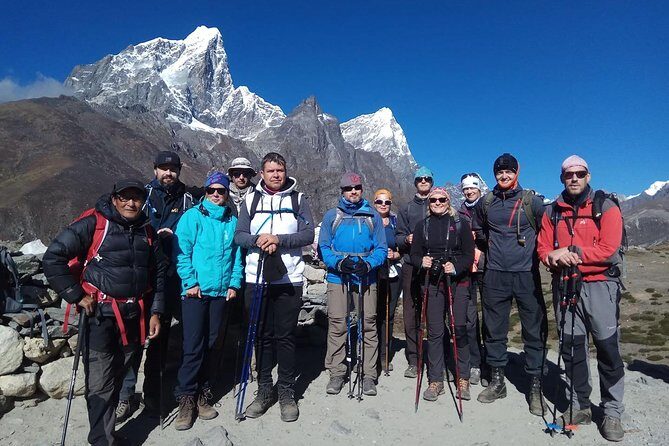
- Certified local Sherpa guide: guided navigation, pacing, and local mountain experience
- Porter support (1 porter for 2 people): lighter days so your legs keep working
- Permits and cards handled: TIMS card and Everest trekking permit fees are included
Kathmandu Setup: 3-Star Comfort Before Thin-Air Work
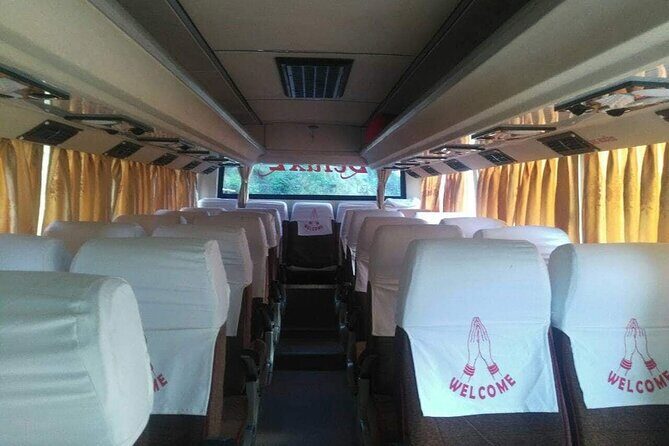
Your trek starts in Kathmandu, Nepal, with a plan that doesn’t pretend you can sleep-walk into the mountains. The meeting point is Tribhuvan Airport around 7:45 pm, and you’ll be picked up (the trip includes transportation by air-conditioned vehicle). That matters because Kathmandu can be chaotic, and you don’t want to spend energy chasing details after travel.
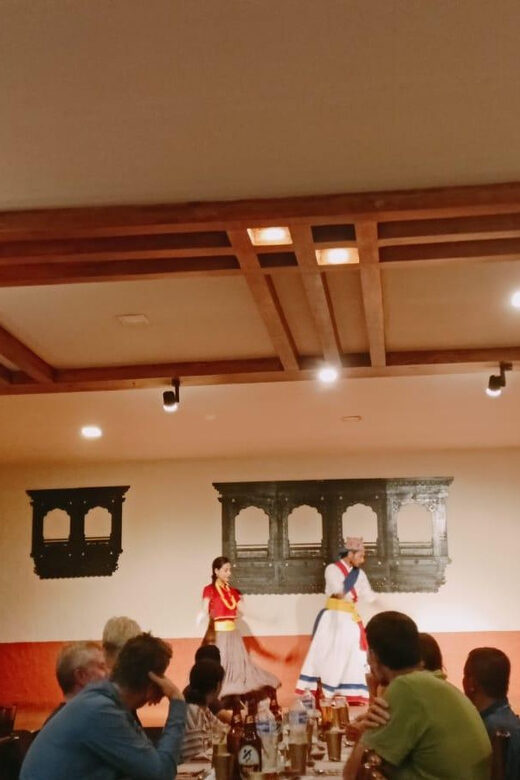
In the city, you’ll get a 3-star hotel with breakfast, plus a welcome dinner and a healthy breakfast. On day two, there’s half-day sightseeing with a guide. Think of this as getting your bearings: Kathmandu’s energy plus a little structure, so you’re ready when the trekking reality starts.
If you like having a home base with showers and a proper bed for at least a night or two, this portion is where you recharge without fuss.
You can also read our reviews of more guided tours in Kathmandu
Lukla Flights: The Rhythm Where Weather Has a Say
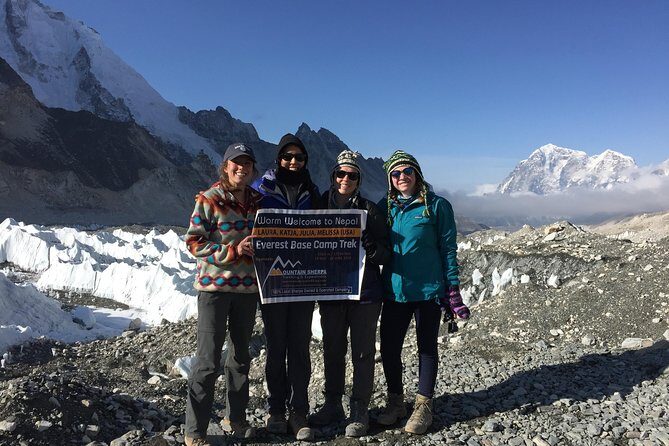
The big jump from city life to trekking life is the internal flight to Lukla. This trek includes Kathmandu–Lukla–Kathmandu with taxes, and you’ll receive a mobile ticket.
Here’s the practical truth: flights to Lukla are weather-sensitive. The tour specifically says the experience requires good weather. So even though your plan is organized, be mentally ready for schedule shifts if conditions are rough. That’s not a failure; it’s just how the mountain works.
I also like that the package doesn’t make you solve the hardest logistics yourself. Getting to Lukla is the classic bottleneck, and having it handled saves time and reduces stress—especially if it’s your first Everest trek.
12 Trekking Days on Legendary Trails
The trekking portion is described as 12 days on trekking trails, starting from Lukla Airport. That puts you on the clock, but not in a chaotic way—you’re given multiple days to hike, adjust, and recover.
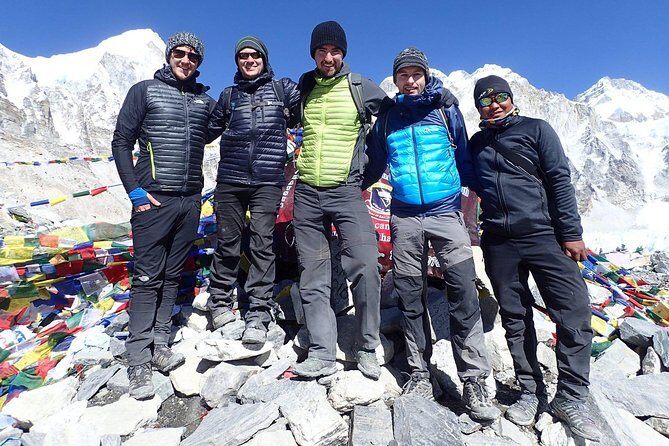
You’re aiming for Everest Base Camp (listed at around 5,550 meters) and also climbing to Kala Patthar at 5,645 meters for the view. That combination is the emotional payoff: you don’t just walk to a point on a map; you push up to a high viewpoint where the Everest story turns from legend into something you can actually see.
On this kind of hike, the biggest “difficulty” isn’t technical climbing. It’s slow pacing at altitude while your body learns a new breathing rhythm. The trek is positioned as not extremely difficult physically, but you should still take it seriously—altitude is still altitude.
Namche Bazaar Acclim Day: Where You Learn to Pace
A wise trek gives you time to adapt. This one includes an excursion and acclimatisation day in Namche Bazaar. Namche is the place where many people realize that Everest isn’t one straight line upward—it’s a series of smart pauses.
The value of an acclim day in Namche is simple: it reduces the temptation to “feel good today, push tomorrow.” When you’re not rushed, you can move with steadier effort and keep altitude decisions in your control.
In practical terms, an acclim day helps your body start adjusting to thinner air before the trek climbs higher toward Dingboche and beyond. If you tend to speed up when you feel okay, this segment is a good reality check.
Dingboche Excursion and Acclimatisation: Your Second Breathing Check
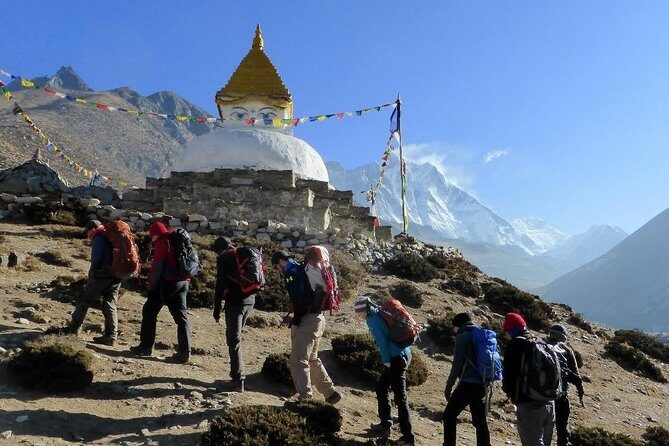
Next comes another support block: an excursion and acclimatisation day in Dingboche. This is your second structured chance to adjust before getting deeper into the high country.
Dingboche matters because it’s another step up on the route, and it’s where fatigue can creep in—not just muscle fatigue, but altitude fatigue. With a scheduled acclim day, you can keep the hike feeling like a climb with a plan, not a suffering contest.
I like that both Namche and Dingboche are included. Two acclim stops mean you’re getting multiple chances to stay safe by pacing well.
You can also read our reviews of more hiking tours in Kathmandu



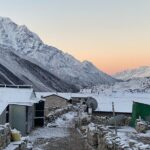
Everest Base Camp + Kala Patthar: The View Day and the Real Reward
This is the part most people remember forever. The trek includes hiking to Everest Base Camp and also a hike to Kala Patthar at 5,645 meters.
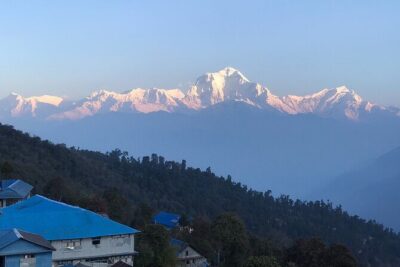
Base Camp gives you the sense of scale—how big Everest is, even when it’s “just” a view at distance. Kala Patthar is different. It’s about angles and line-of-sight: a chance at the kind of panorama that makes sore legs feel like they belonged to someone else.
One honest note: the experience depends on weather. On clear days, views can be stunning. On hazy days, you still get a powerful sense of the place, but don’t expect every photo to look like a travel brochure.
Either way, this is where you learn why people keep coming back to this region. Not for comfort. For meaning.
Lodges, Meals, and What You’ll Still Pay For
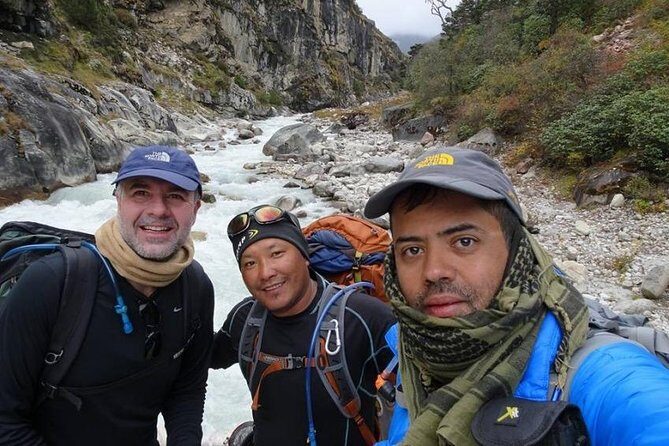
You’ll sleep in quality lodge accommodation during the trekking portion (twin sharing). That’s a big value point because lodge quality varies wildly in the Everest region, and having it organized helps you avoid random surprises.
But not everything is covered on the food side. The trek specifically notes:
- Lunch & dinner in Kathmandu are not included (budget $5–10 per meal)
- Water and alcoholic drinks and desserts on the trek are not included
- Phone, internet, and battery charges on the trail are not included
So here’s your practical budgeting approach: plan Kathmandu meals on your own, and on the trail expect to cover some consumables. If you’re the type who wants to carry a water bottle and handle refills, you’ll still want to budget for water purchases as part of the trip reality.
Also, charge-management matters. Battery charging can be one of those small costs that adds up, especially if you’re using your phone for photos and maps.
Sherpa Guide + Porter Team: What Good Support Actually Looks Like
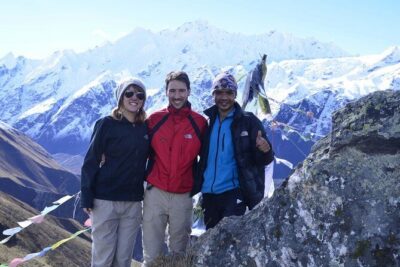
This isn’t just about having someone walk ahead. The trek includes an expert local Sherpa guide certified by the Nepal Government, plus strong and honest porters.
A key detail I like: 1 porter for 2 people. That ratio is practical. It means you’re not stuck carrying everything yourself while also trying to hike at altitude. You’ll still carry essentials, but the big load gets managed.
The guide team names that show up repeatedly in connection with this operator include people like Pasang Sherpa, Pema Sherpa, PD, Mingmar Sherpa, Ming-Ma Aprehs, Rinji Sherpa, and Tanshi. Across those stories, the common theme is real help in day-to-day situations: pacing, local cultural context, and keeping things running smoothly in each town you pass through.
And yes—professionalism shows up in boring places, like making sure you know what’s next and when. On Everest routes, that’s not boring. It’s how you stay comfortable and focused.
Price and Value: What $2,170 Buys You (and What It Doesn’t)
At $2,170 per person, this trek is priced like a full-service EBC trip: internal flights, permits, guide, lodge lodging, and city hotel are included.
Here’s what’s clearly included:
- Kathmandu hotel (3-star) with breakfast
- Lodge accommodations on the trek (twin sharing)
- Internal flights (Kathmandu–Lukla–Kathmandu) with taxes
- Certified Sherpa guide
- Porters (1 porter for 2 people)
- Trek map, company t-shirt, duffel bag
- TIMS card + Everest trekking permit fees
- Group medical kit
- Guides/porters pay, meals, and insurance
- Welcome dinner in Kathmandu
- Half-day sightseeing
And here’s what’s not included:
- International airfare and Nepal visa fee
- Travel/health insurance (recommended)
- Emergency helicopter rescue insurance
- Kathmandu lunch and dinner ($5–10 per meal)
- Water, alcohol, desserts on the trek
- Gratuities for guide/porter
- Phone/internet/battery charges on the trek
So the value comes down to this: you pay for planning and mountain execution. If you’ve ever done a trip where you have to negotiate every little piece, you’ll appreciate what’s handled here.
If you’re already committed to bringing solid travel insurance and you’re okay covering your own drinks/snacks and some Kathmandu meals, this package can feel like good money spent.
What to Prepare For: Fitness, Altitude, and Your Day-to-Day Reality
The trek asks for strong physical fitness. That doesn’t mean you need to be an athlete. It means you should be able to hike uphill for hours, keep a steady pace, and recover between days.
Also, altitude is not a detail. You’re going to base camp near 5,550 meters and push to Kala Patthar at 5,645 meters. Your job is to move in a way your body can handle—slower than you think, and consistent.
Pack decisions should reflect that you’re working in colder, thinner air. Warm layers matter. Glove and hat matter. Keeping your hands functional matters. If you tend to be underprepared with weather basics, fix that before you go.
And bring a “simple day” mindset: you won’t be setting personal speed records here. You’ll be stacking small wins.
Weather, Guarantees, and Staying Realistic
The trek includes a note that it requires good weather and that the experience can be shifted or refunded if canceled due to weather. Still, your best attitude is flexibility.
One more thing: the package lists that emergency helicopter rescue insurance is not included, and travel/health insurance is recommended. If you want peace of mind, make sure you have coverage that matches high-altitude trekking.
Also, keep expectations grounded. A trek can be expertly organized and still be weather-dependent. That’s not pessimism; it’s just responsible planning.
Should You Book This Everest Base Camp Trek?
I’d book this if you want:
- A Sherpa-led experience with real support and clear logistics
- Acclim stops in Namche Bazaar and Dingboche
- Internal Lukla flight coverage instead of trying to DIY the hardest part
- A setup that includes guide support, porters (1 for 2 people), and organized lodge stays
I’d think twice if:
- You hate altitude travel and want a totally low-risk experience (this is still high altitude)
- You’re looking for everything-for-free meals and snacks (you’ll cover some items yourself)
- You need a fully flexible refund plan if your dates change for non-weather reasons (the trip is non-refundable if you cancel)
If you’re fit, curious, and happy to hike for big views and bigger perspective, this is a solid way to do Everest Base Camp with structure—so you can focus on the trail instead of the paperwork.
FAQ
Where does the Everest Base Camp trek start, and what time?
The meeting point is Tribhuvan Airport in Kathmandu, with a start time of 7:45 pm.
How long is the trek?
It’s listed as 17 days (approx.).
Is the Lukla flight included?
Yes. The package includes internal flights Kathmandu–Lukla–Kathmandu with taxes.
Are permits and the TIMS card included?
Yes. TIMS card and Everest trekking permit fees are included.
Is accommodation included in Kathmandu and on the trail?
Yes. You get 3-star hotel accommodation in Kathmandu with breakfast, and quality lodge accommodation during the trek (twin sharing).
How many porters do you get?
The trek includes 1 porter for 2 people.
Does the itinerary include acclimatisation days?
Yes. There are excursion and acclimatisation days in Namche Bazaar and Dingboche.
How high do you go for Kala Patthar and Everest Base Camp?
Kala Patthar is listed at 5,645 meters, and Everest Base Camp is listed around 5,550 meters.
What costs are not included for food and drinks?
Lunch and dinner in Kathmandu are not included (listed at $5–10 per meal). Also alcohol, water, and desserts on the trek are not included.
What happens if I cancel or the weather is poor?
The experience is non-refundable and cannot be changed for any reason. If it’s canceled due to poor weather, you’ll be offered a different date or a full refund. If the minimum number of travelers isn’t met, you’ll be offered a different date/experience or a full refund.