REVIEW · KATHMANDU
10 Days Everest Base Camp Trek
Book on Viator →Operated by Everest Trekking Routes Pvt. Ltd. · Bookable on Viator
Everest Base Camp is earned step by step. This trek pairs close-up Everest scenery with a steady rhythm of mountain villages and monastery culture in Nepal’s Khumbu region. It’s not only about reaching a famous spot—it’s about how the trail changes you day by day.
I love how the plan is built around real trekking logistics: domestic flights, tea-house stays, and a licensed guide team so you spend less time guessing. I also like the human side—Dhansingh and PJ show up with calm support when nerves and altitude get loud, which makes the whole experience feel more doable.
One drawback to plan for: you need solid moderate fitness, and nights can be cold with no guarantee of hot showers or Wi-Fi on the trail. If you’re hoping for comfort-first trekking, this route will ask you to compromise a bit.
In This Review
- Key things to know before you go
- Why Everest Base Camp feels like more than a destination
- Kathmandu arrival: Durbar Square and a smooth start
- The Lukla flight and the trek into Phakding
- Namche Bazar day: Irish Pub stops and altitude pacing
- Phortse and Dingboche viewpoints: your rhythm starts to click
- Dingboche to Lobuche: where the air gets thinner
- Gorakshep, Everest Base Camp, and Kalapathar: the emotional peak
- The trek back: Phiriche to Namche, then Lukla
- Kathmandu wrap-up: Thamel time and a calm final departure
- Price and logistics: is $1,470 worth it?
- What’s included on the mountain (and what isn’t)
- The guide team: why Dhansingh and PJ are a big deal
- Fitness and altitude: set yourself up to enjoy it
- Weather matters more than you want it to
- Should you book this Everest Base Camp trek?
- FAQ
- How many days is the trek, and how long is the full trip?
- Where does the trip start in Kathmandu?
- Are domestic flights included?
- Is the Everest trekking permit included?
- What accommodation is included?
- Are meals included on the trek?
- Is hot water, hot shower, or Wi-Fi included on the trek?
- What happens if weather is bad?
Key things to know before you go
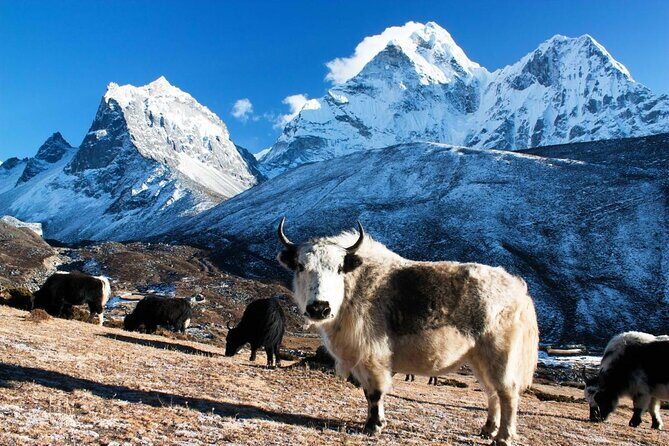
- Everest high points on the schedule: Everest Base Camp at 5364m and Kalapathar at 5545m
- Kathmandu has real time: 2 nights in town with quick sights at Durbar Square and time in Thamel
- Lodges for 9 mountain nights: tea-house accommodation keeps you connected to local trekking life
- Domestic flights are part of the deal: round-trip flying to Lukla saves hours compared to foot-only options
- A guide who adapts to you: support from Dhansingh and PJ matters most when fear of heights kicks in
- Weather-sensitive travel: cancellation due to poor weather can mean a refund or a different date
Why Everest Base Camp feels like more than a destination
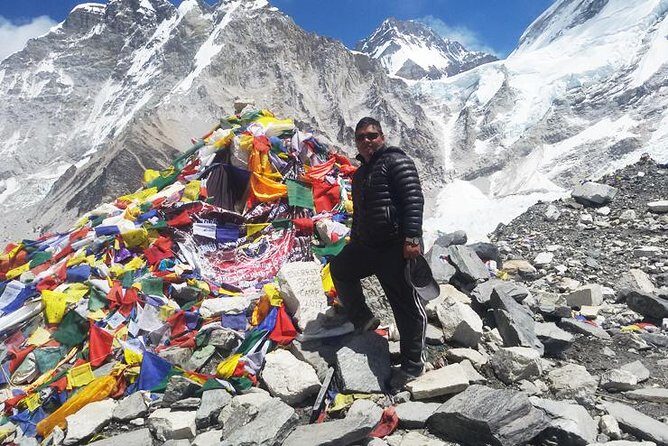
This trek sells itself with the Everest name, but the real draw is the daily contrast. You start in Kathmandu with culture and energy, then shift into mountain rhythm—walking, acclimatizing, eating, sleeping, and repeating. By the time you’re near Everest Base Camp, it feels like you’ve lived inside the region long enough to understand it.
You’ll also notice how the trek blends nature and people. Tea houses and small guesthouses aren’t just beds—they’re where you hear local stories, compare weather notes, and eat simple food that actually fuels you. In the reviews, the trip keeps getting described as a spiritual journey, and that matches what this route tends to do: it slows you down and refocuses your attention.
The other major value is predictability. This package includes the moving pieces—private car/van/bus pickup, domestic flights, permits, and set accommodation—so you can spend your mental energy on the trek instead of logistics.
You can also read our reviews of more hiking tours in Kathmandu


Kathmandu arrival: Durbar Square and a smooth start
Your first day is Kathmandu with a short drive to Kathmandu Durbar Square and brief sightseeing. It’s a smart intro because it helps you get your bearings fast before travel fatigue sets in.
After that, you’re not stuck in long city days. You get the essentials, then you pivot to the main event. If you like a city warm-up that doesn’t steal your best trekking energy, this pacing is a plus.
Just remember: Kathmandu is busy, and altitude trekking is still ahead. Keep your sightseeing light, drink water, and don’t plan extra side trips the night before you fly.
The Lukla flight and the trek into Phakding
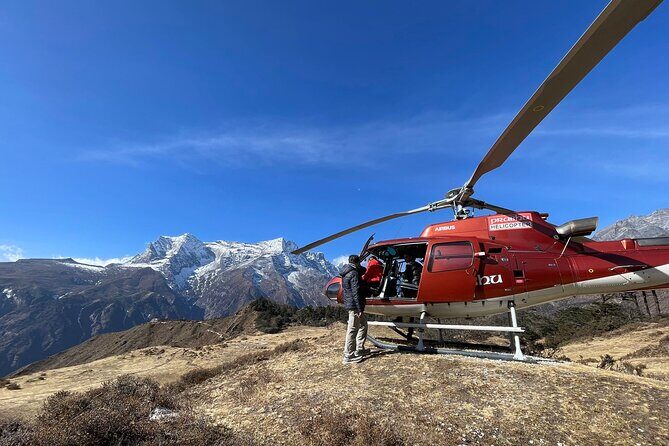
Day 2 starts with a 30-minute flight to Lukla, then you begin trekking toward Phakding. This is one of those moments where the whole trip shifts from plan to reality.
The value of flying here is time and energy. You avoid a long approach, and you’re able to reach the trekking heart of the Khumbu region quickly. The early part of the hike also helps you settle into your body and your pace.
Expect a first-day walking effort that feels manageable compared with later days. Still, go easy—your goal is to arrive at Phakding not wiped out.
Namche Bazar day: Irish Pub stops and altitude pacing
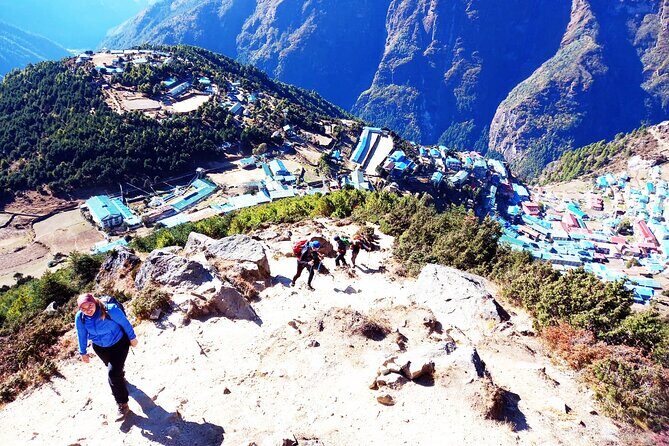
On Day 3, you trek for about 6 hours to Namche, and you stop at a place called Irish Pub along the way. Namche is the classic altitude checkpoint where trekkers compare notes and mentally prepare for what comes next.
Why this matters: Namche is a hub. You get more choices for food, small comforts, and information, plus it’s where the “mountain world” starts to feel real. The Irish Pub stop is a quirky detail, but the bigger point is that the trail gives you a chance to regroup mid-day and reset your expectations.
You’ll also want to respect the altitude from the start. Even if Namche is not your highest point, it’s where trekkers can feel the effect. Move steadily, drink fluids, and don’t rush because you see bigger peaks.
Phortse and Dingboche viewpoints: your rhythm starts to click
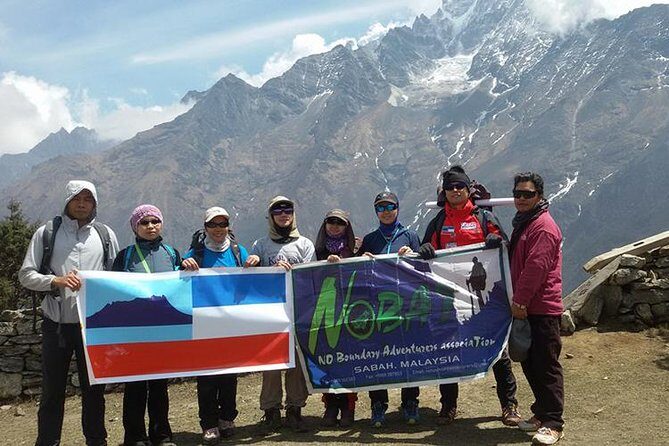
Day 4 takes you on a 6-hour trek to Phortse, with an overnight stop at River Resort. Day 5 moves you toward Dingboche View Point and then Dingboche itself after about 6 hours of walking.
These days are where the trek becomes emotionally rewarding. You’re past the early “getting started” phase, and the views feel closer because your altitude is rising in a steady way. Even if some days are long, the pacing helps your body adjust.
Possible drawback: these are not short strolls. If your fitness is only moderate, you’ll want to keep your breaks frequent and consistent. The biggest mistake is feeling good early, then paying for it later.






Dingboche to Lobuche: where the air gets thinner
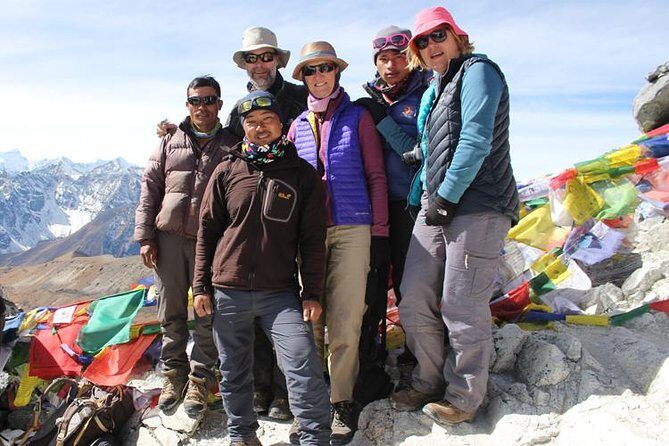
On Day 6, you trek about 5 to 6 hours to Lobuche, a key step toward Everest Base Camp. Lobuche is one of those places that feels more exposed—wind, cold, and the sense that you’re getting closer to the big milestones.
This is also a day where trekking culture shows up in the little things. Tea houses, warm drinks, and basic meals become part of your plan, not optional extras. From a value standpoint, the package’s inclusion of tea-house nights matters because you’re not searching for lodging while tired and cold.
Take it slow on the uphill sections. Even if you feel strong, thin air can make short climbs feel steep fast.
Gorakshep, Everest Base Camp, and Kalapathar: the emotional peak
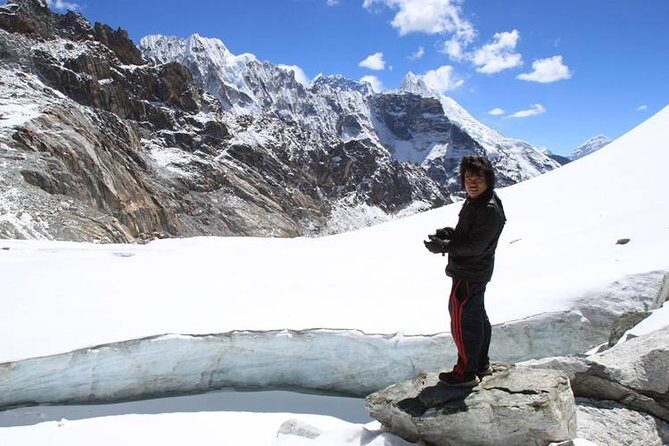
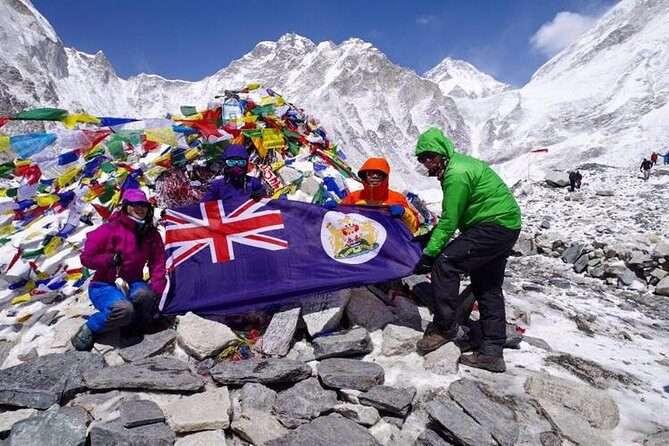
Day 7 brings the most iconic part: trek to Gorakshep and continue to Everest Base Camp at 5364m. Day 8 includes a hike to Kalapathar at 5545m, then trekking on to Phiriche.
This is the classic two-step that makes the Everest region special. Everest Base Camp gives you the historical and symbolic heart of the journey. Kalapathar adds the big viewpoint payoff—often where people feel the full weight of Everest in one look.
Here’s what to consider: the days at this altitude demand focus. You’ll likely feel cold more intensely, and your breathing may feel different than in Kathmandu. The included tea-house accommodation helps, but you’ll still want to pack smart for warmth at night.
Also, your guide support becomes more important here. In the reviews, Dhansingh and PJ were described as perceptive—especially when someone had fear of heights. That kind of practical, people-first support can be the difference between pushing through in a panic and moving with confidence.
The trek back: Phiriche to Namche, then Lukla
Day 9 takes you from Phiriche to Namche in about 7 hours of walking. This reverse day is often mentally easier than Day 7 or 8, but it can still be hard on the legs because you’ve got altitude behind you and the trail doesn’t care about your motivation.
On Day 10, you trek to Lukla (about 7 hours) and stay overnight at a lodge. Then Day 11 begins the return to Kathmandu with a 30-minute flight and an explore day in Thamel.
Why this return portion is worth noticing: it closes the loop. You go from high, quiet mountain focus back to Kathmandu’s energy, and it helps you process what you just did. The trip isn’t only “walk up, see Everest, walk down.” It gives you a chance to absorb it.
Kathmandu wrap-up: Thamel time and a calm final departure
Day 11 is flight back and a Kathmandu explore day in Thamel. Day 12 is final departure with transfer back to your hotel.
Thamel is touristy, yes, but it’s practical for trekking return needs—snacks, simple supplies, and a place to reset. If you want a low-stress finish after cold nights on the trail, this structure helps.
Price and logistics: is $1,470 worth it?
At $1,470 per person, you’re paying for a package that includes the heavy-lift parts: permits, both-way domestic flights, 2 nights in Kathmandu with breakfast, and 9 nights tea-house accommodation. It also includes 10 lunches and 10 dinners, plus transfers between airport and hotel.
That matters because Everest trekking can become expensive fast if you start adding components separately—guides, permits, flights, lodging, and meals. If your plan is to avoid the scramble of stitching together services at the last minute, this is where the value shows.
There are also built-in extras that feel small until you need them: a trekking permit, a license-holder guide, and an Adventure Certificate after the success of the trip. Not life-changing, but they add closure to the effort.
What’s included on the mountain (and what isn’t)
Your mountain stay is based on tea-house accommodation for 9 nights. Meals included are 10 lunches and 10 dinners, plus breakfasts are included as listed.
What’s not included is the stuff people often assume is automatic:
- Hot shower is not included
- Boiled water is not included
- Bottled drinks are not included
- On-trek Wi-Fi and electronic device recharge aren’t included
- Desserts (cakes, bakes, pies) aren’t included
- Hot drink costs can depend on the pot size, and that’s listed as not included
Translation for you: plan on simple, practical meals and bring your own strategy for warmth and phone use. Charging can be limited at altitude, so save battery and expect slow connections at best.
The guide team: why Dhansingh and PJ are a big deal
This trek runs on more than altitude. It runs on judgment—when to push, when to slow down, and how to handle fear, discomfort, or a rough day.
In the reviews, Dhansingh and PJ are highlighted for support that felt personal. One review specifically notes that Dhansingh was perceptive when someone was afraid of heights. That’s exactly the kind of calm, real-world attention that makes the trek safer and more pleasant.
Also, the package includes one trekking guide license holder. That’s important on routes where local conditions can shift, and where good decisions help everyone stay together.
Fitness and altitude: set yourself up to enjoy it
The trip calls for moderate physical fitness. That’s a good fit for many active travelers, but it doesn’t mean you can show up totally untrained and wing it.
Here’s how to think about it:
- You’ll be walking roughly 5 to 7 hours on multiple days.
- Your highest scheduled points include Everest Base Camp (5364m) and Kalapathar (5545m).
- Acclimatization is part of the schedule through the village-to-village progression.
If you’re new to trekking, you’ll feel the effort most in the days leading toward Gorakshep and the viewpoint day. Start training early: brisk hikes on hills, stair work, and a few longer walks before you go.
Weather matters more than you want it to
This experience requires good weather. If it gets canceled due to poor weather, you’ll be offered a different date or a full refund. That policy matters because trekking near Lukla can be weather-sensitive.
So what should you do? Keep your schedule flexible if possible, and pack with the expectation that conditions can change. Even with perfect planning, mountain weather can be a control you can’t fully manage.
Should you book this Everest Base Camp trek?
I’d book this trek if you want an organized EBC experience with real logistics handled: flights, permits, tea-house lodging, meals, and transfers. The route also makes sense if you like a cultural start in Kathmandu and a tidy return through Thamel.
Skip it (or plan differently) if your travel style depends on hot showers, reliable charging, or Wi-Fi on demand. This is a mountain trek, not a hotel vacation.
If you’re the kind of traveler who wants help when altitude anxiety hits, this guide-supported setup is a strong match—especially if the names Dhansingh and PJ show up in your mind when you picture your safety net.
In short: if you can handle cold nights, a steady walking schedule, and the altitude game, you’ll get one of the most meaningful trekking experiences the Everest region offers.
FAQ
How many days is the trek, and how long is the full trip?
The trekking portion is described as 10 days, while the full package runs about 12 days with domestic flights and time in Kathmandu.
Where does the trip start in Kathmandu?
The meeting point is set with a start time of 6:15 am, and airport/hotel transfers are included by private car/van/bus.
Are domestic flights included?
Yes. Both-way domestic flights are included as part of the package.
Is the Everest trekking permit included?
Yes. The trekking permit is included.
What accommodation is included?
You get 2 nights in Kathmandu (with breakfast) plus 9 nights in tea houses on the mountain.
Are meals included on the trek?
Lunch and dinner are included for 10 days each. Breakfast is also included as listed, including breakfast during hotel stay in Kathmandu.
Is hot water, hot shower, or Wi-Fi included on the trek?
No. Hot shower and on-trek Wi-Fi are not included, and bottled drinks and boiled water are also listed as not included.
What happens if weather is bad?
This experience requires good weather. If it’s canceled due to poor weather, you’ll be offered a different date or a full refund.