REVIEW · KATHMANDU
Kathmandu: Full-Day Tour of 5 World Heritage Sites
Book on GetYourGuide →Operated by Snowy Horizon Treks & Expedition (P.) Ltd. · Bookable on GetYourGuide
One day can feel like a time machine in Kathmandu. I love the way this tour links Hindu and Buddhist sacred places into one logical story, and I especially like the stop at Durbar Square, where the city’s old-world art and ritual life are right in front of you. The whole day also gives you a clear sense of how Kathmandu sits in a mountain bowl and why the valley’s temples matter.
One thing to plan for: monument entrance fees and food are not included, so your total spend will depend on what you choose to pay on-site during the 6-hour guided block.
In This Review
- Key highlights you’ll actually feel during the day
- Why Kathmandu’s UNESCO Loop Works So Well in One Day
- Pickup From Thamel or the Airport: Your Day Starts Simple
- Durbar Square and the Kumari: Art, Power, and Ritual in One Place
- Pashupatinath by Bagmati River: The Hindu Pilgrimage You Can’t Ignore
- Swayambhunath and Buddhanath: Two Buddhist Senses, One Kathmandu View
- The Hidden Secret: How 2,000 Years of Context Changes Your View
- Price and Value: Is $65 a Good Deal for a UNESCO Day?
- Where Nagarkot Fits: Himalayan Views for Extra Credit
- Who This Tour Best Suits (and Who Should Skip It)
- Should You Book Kathmandu: Full-Day Tour of 5 World Heritage Sites?
Key highlights you’ll actually feel during the day
- A five-site UNESCO circuit packed into one full day of sightseeing
- Durbar Square first-hand, including the Palace of Kumari
- Pashupatinath at Bagmati River, with the cremation tradition you can see from the ghats
- Buddhist gompas you can walk around, including Swayambhunath and Buddhanath
- A guide who slows things down, making temple details easier to understand (Uddhab is specifically praised as patient)
- Pickup options from Thamel or Tribhuvan International Airport for an easy start
Why Kathmandu’s UNESCO Loop Works So Well in One Day
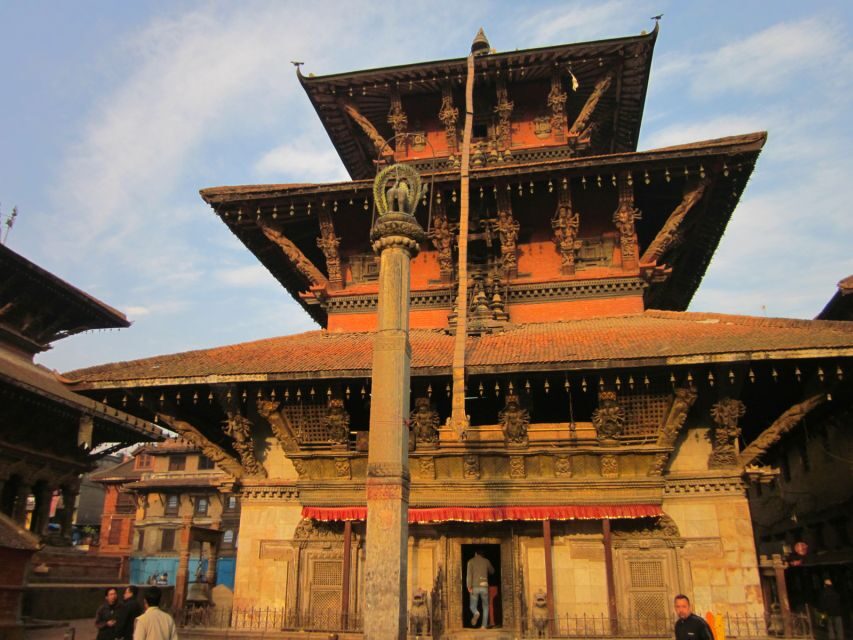
Kathmandu isn’t just temples on a postcard. It’s a working religious city where Hindu and Buddhist traditions share the same streets, viewpoints, and travel rhythms. This full-day tour is built around that reality: you get a guided route through the city’s most important UNESCO-listed sites in the Kathmandu Valley area, with a mix of pagodas, temples, and stupas.
What I like most is the pacing. The day doesn’t try to turn you into an expert in an hour. Instead, your English-speaking guide gives you the cultural and historical context as you move from one site to the next, so each place clicks into place. You’re not just walking through structures—you’re learning what people believed, practiced, and preserved across centuries.
Also, Kathmandu sits at about 1,400 meters elevation in a bowl-shaped valley surrounded by major peaks like Shivapuri, Phulchowki, Nagarjun, and Chandragiri. When you understand that geography, the importance of the valley’s pilgrimage sites feels more sensible, not random. The route stays city-based, but it still carries the sense of mountain-proximity that makes the whole region feel different.
You can also read our reviews of more historical tours in Kathmandu

Pickup From Thamel or the Airport: Your Day Starts Simple
Your tour day begins with one of two pickup points: Thamel or Tribhuvan International Airport. That matters more than it sounds. Thamel is the classic “old city” area with narrow streets, shop-lined lanes, and plenty of restaurants and small businesses tucked into the corners. If you’re already staying there, you can start the day without extra taxi stress.
If you arrive at the airport that morning, the airport pickup is a big help. You avoid that awkward time where you’re stuck trying to figure out transportation before you’ve even adjusted to altitude and traffic.
The tour block is guided for about 6 hours, and then you’re dropped back at either Thamel or the airport. For a 1-day plan, that’s a practical structure: enough time to see a lot, without feeling like you’re sprinting across Kathmandu with no narration.
Durbar Square and the Kumari: Art, Power, and Ritual in One Place
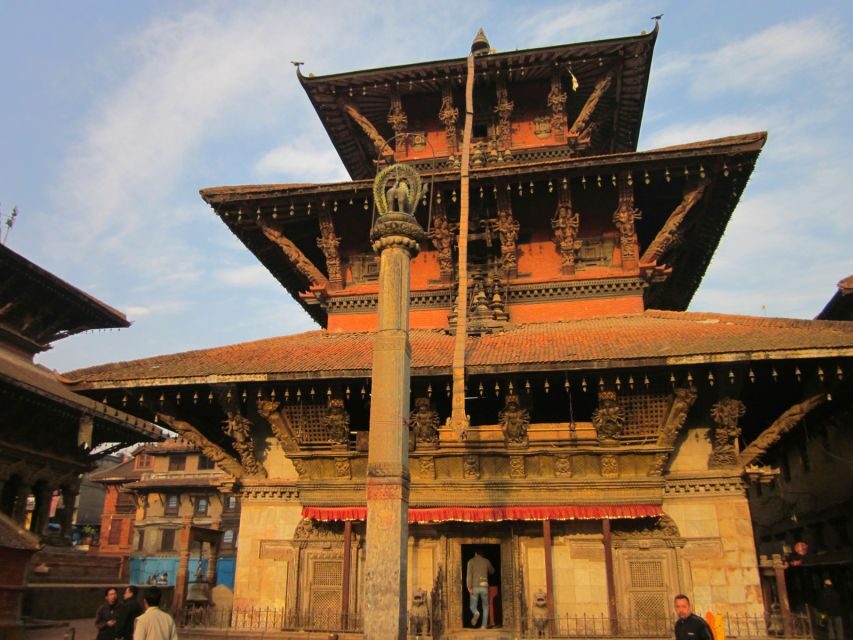
Durbar Square is one of the best places in Kathmandu to understand why temples and politics were historically connected. This UNESCO site is packed with Hindu temples and statues of Hindu deities, plus the Palace of Kumari, the living goddess.
The Kumari element is worth paying attention to because it turns the site into more than an architectural stop. It’s part of a living belief system, and it shows how religious life and public identity overlap. Even if you’re not deep into theology, you’ll feel the seriousness of the place, and your guide’s explanation helps you connect the symbols to the people who still honor them.
One practical consideration: this is a high-focus sightseeing stop, and you’ll likely spend real time here compared with smaller temple pockets. If you prefer quick photo breaks and minimal talking, you might want to mentally prepare for slower attention to detail.
Still, if you love history that you can actually point to—carvings, statues, and the way the complex is arranged—Durbar Square is a major win.
Pashupatinath by Bagmati River: The Hindu Pilgrimage You Can’t Ignore
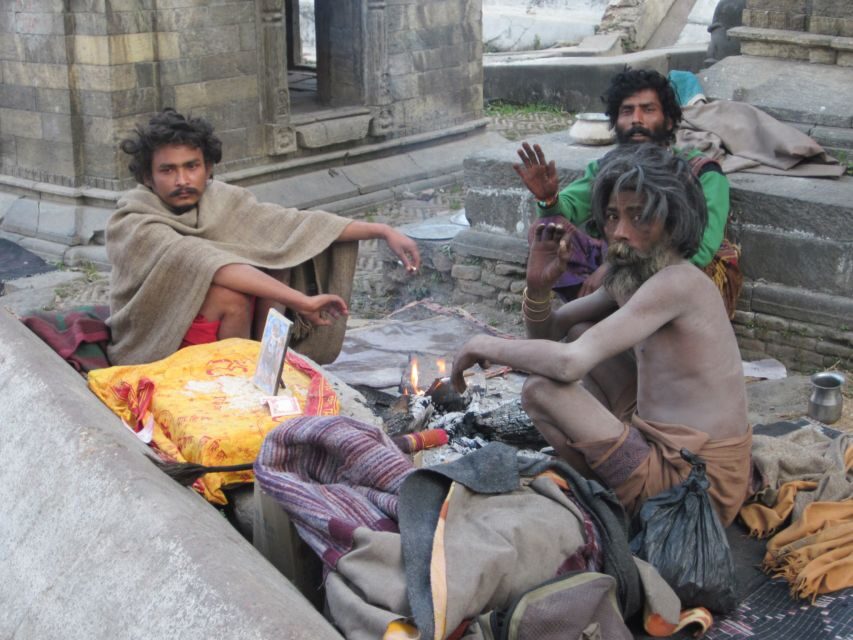
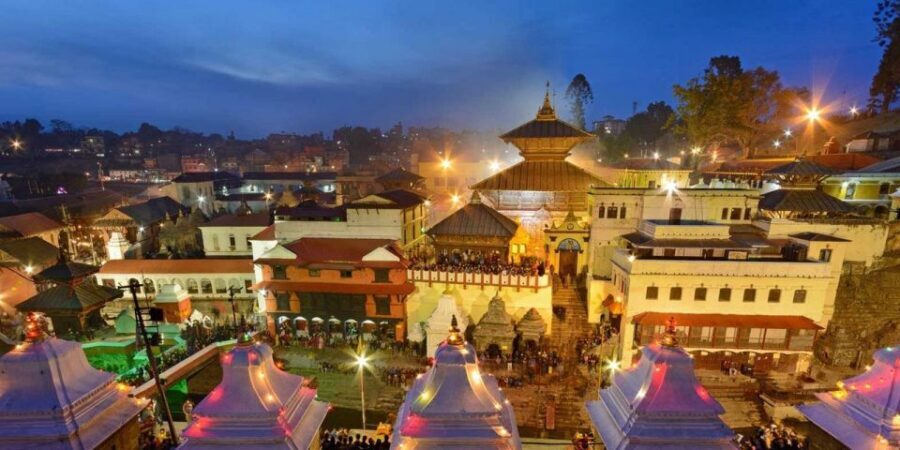
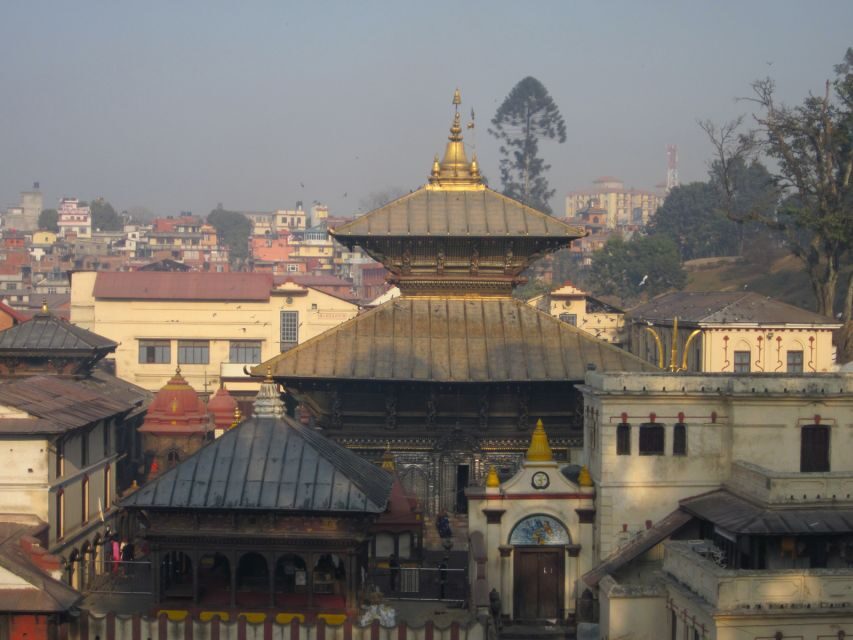
Pashupatinath is described as the world’s largest Hindu temple, and it’s also one of the most significant places for Hindu followers. The tour includes this site because it’s not only about architecture. It’s about an active pilgrimage atmosphere where devotees, religious leaders, and visitors come for spiritual reasons.
The Bagmati River connection makes this stop especially intense. Many Hindus choose to be cremated on the banks of the river, and you’ll see how closely the site’s religious role is tied to the river itself. It’s one of those moments where a cultural explanation from your guide really matters, because without context, it can feel like you’re watching something you don’t understand.
One thing to consider: this is a place with strong religious meaning. If you’re the type who prefers purely scenic sightseeing, this stop can feel more solemn than tourist-friendly. On the flip side, if you want real cultural contact—guided and respectful—this is the heart of that experience.
Swayambhunath and Buddhanath: Two Buddhist Senses, One Kathmandu View
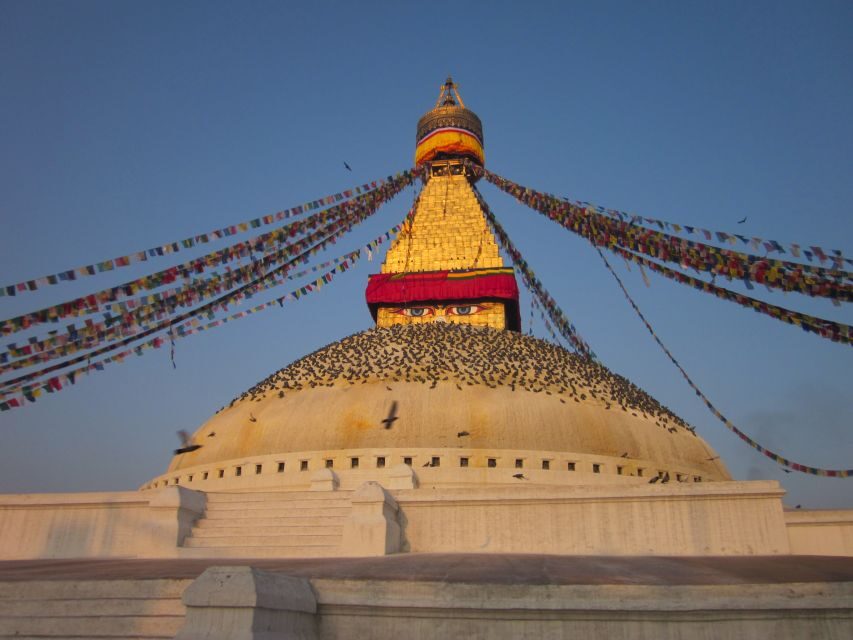
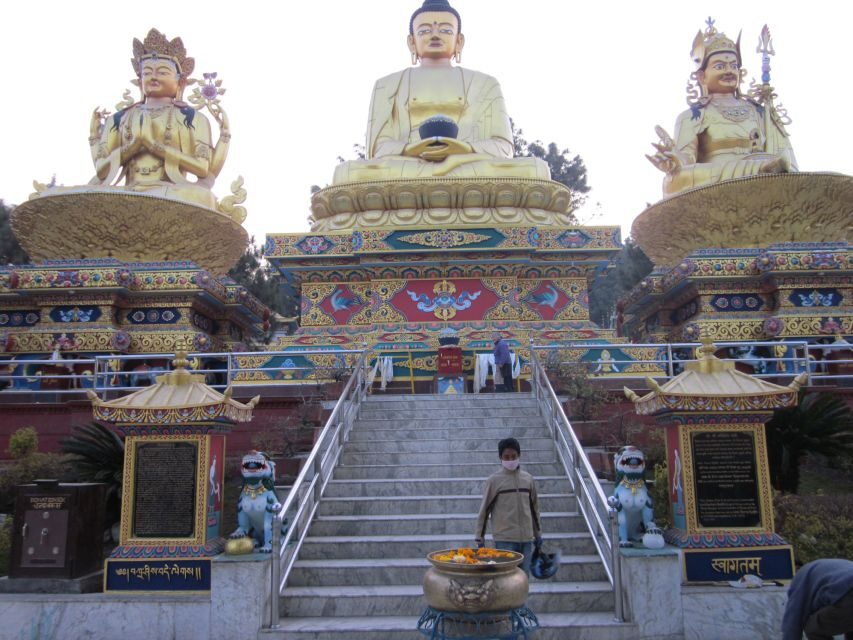
Kathmandu’s Buddhist sites are among the city’s biggest UNESCO anchors, and this tour includes both Swayambhunath and Buddhanath. You’ll visit the two significant Buddhist gompas (monastic complexes) that help show how Buddhism took root and how communities organized devotional life.
Swayambhunath is often the kind of place where you notice the views and the structure at the same time. The “feel” is different from Pashupatinath: here, the atmosphere shifts toward stupa-focused devotion. Your guide’s job is to translate what you’re looking at—how the site’s arrangement relates to practice—so it doesn’t become just another temple stop.
Buddhanath is equally important in the Buddhist story of the Kathmandu Valley. The tour brings you here so you can see how a major stupa complex functions as a community hub, not only a tourist photo angle. You’ll walk among the sacred spaces and get the background that makes the devotion more readable.
A drawback to flag: Buddhist sites can be crowded at peak hours, and you’ll spend time standing and moving slowly. If you hate delays, this part may test your patience. If you can slow down, it’s also where the day starts to feel very “Kathmandu”—ritual rhythms, prayer, and the layering of beliefs in the same city.
A few more Kathmandu tours and experiences worth a look


The Hidden Secret: How 2,000 Years of Context Changes Your View
This tour doesn’t just say “temple here, stupa there.” It frames Kathmandu’s background in a way that makes the sites feel connected across time.
The history goes back to ancient periods. Archaeological exploration has traced Kathmandu and two sister towns in the valley—Patan and Bhaktapur—to some of the earliest settlement periods, with estimates spanning roughly 167 B.C. to 1 A.D. That range is a reminder that Kathmandu wasn’t formed overnight as a single religious capital. It grew as a valley of settlements, then later as a city where major sacred places became central to identity.
Your guide also links the geography: the city at about 1,400 meters, surrounded by those four major peaks, helps explain why pilgrimage sites are so visually and spiritually important. When you understand that, the UNESCO circuit becomes more than a checklist.
And one of the most praised parts from the reviews is exactly this human element: your guide. One 5 out of 5 review calls out Uddhab as a wonderful and patient guide. That kind of guidance matters because temple symbolism can be confusing if someone doesn’t slow it down and explain what you’re seeing.
Price and Value: Is $65 a Good Deal for a UNESCO Day?
This tour costs $65 per person and is structured around a full-day schedule with pickup, transport, and an English-speaking tour guide. Taxes and service fees are included, which removes some of the guesswork when you’re budgeting.
What’s not included is just as important: monument entrance fees, food and beverages, and personal expenses are on you. That means the total cost depends on your choices at the sites and how much you spend eating during the day.
Still, value-wise, this is a strong deal for most people doing a first trip to Kathmandu. You’re paying for:
- organized transport (so you’re not arranging multiple separate taxis)
- a guide who explains what you’re seeing
- access to major UNESCO-listed stops across both Hindu and Buddhist traditions
If you already planned to pay entrance fees anyway and you like guided context, the cost usually pencils out well. If you’re trying to travel as cheaply as possible, the pay-off is still there, but you’ll want to keep meals and ticket spending under control.
Where Nagarkot Fits: Himalayan Views for Extra Credit
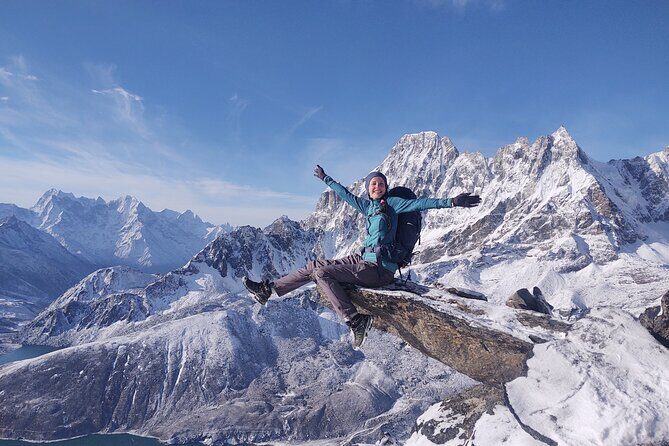
The tour information also points to Nagarkot, about 35 kilometers from Kathmandu’s city center, as a high viewpoint area. From there, you can get views of the Langtang range and big-name Himalaya peaks like Annapurna, Manaslu, Cho Oyu, and Shishapangma.
Now, this doesn’t automatically mean you’ll stop there on every departure. The safest way to use this info is as planning advice: if you’re chasing Himalayan views and your schedule allows time before or after the UNESCO day, Nagarkot is the kind of nearby add-on that makes sense.
If you do plan a viewpoint stop, remember that mountain views depend on weather and visibility. Some days give you crisp, clear sightlines. Other days are more hazy. The best strategy is to keep your expectations flexible and let the guide help you time it.
Who This Tour Best Suits (and Who Should Skip It)
This tour is a great match if:
- you want a guided route through the Kathmandu Valley’s most important UNESCO sites
- you’re interested in both Hindu pilgrimage traditions and Buddhist devotional spaces
- you want one day that covers a lot without forcing you to plan everything yourself
It may be less ideal if:
- you dislike spending long hours at sacred sites with active religious meaning
- you’re trying to keep costs ultra-low once entrance fees and meals are added
- you prefer a lighter, more flexible sightseeing pace
Should You Book Kathmandu: Full-Day Tour of 5 World Heritage Sites?
If you’re in Kathmandu for a short time and you want your day to make sense—temples, stupas, the river-side pilgrimage, and Durbar Square all with context—this is an easy yes. The price includes transport and a guide, and the fact that Uddhab is specifically praised as patient tells me you’re likely to get real explanations, not just a hurried walk-through.
Book it if you can handle a full, focused day and you’re ready for extra on-site spending for entrances and food. Skip it if you’re only chasing scenery or you want a free-form route where you choose each stop without a set UNESCO focus.
If you want a first taste of Kathmandu’s sacred geography, this is a solid way to start.