REVIEW · POKHARA
6 days Annapurna Basecamp Trek
Book on Viator →Operated by iTour Nepal Private Day Tours · Bookable on Viator
Six days, and the Himalayas change moods. This is a short and safety-focused Annapurna Base Camp trek that still gives you big payoff: classic valleys, iconic villages, and sunrise over Annapurna I from one of the region’s best viewing areas.
I also love the way this route mixes epic scenery with real daily life, from Gurung villages to working footpaths. The main drawback to plan for is that lunch and dinner are not included, so your total spending depends on how much you eat in the teahouses each day (breakfast is included).
In This Review
- Key highlights
- The “shortest and safest” pitch: what it means in real trekking days
- Value and logistics you feel immediately: Pokhara pickup, private transport, teahouses
- Day 1: Chhomrong viewpoint and the long drop of Jhinu Danda
- Day 2: Morning peaks, foothill ups and downs, and entry into the Annapurna Sanctuary
- Day 3: Dovan in the Modi River valley—rhododendrons, Hiunchuli, and Machhapuchchhre vibes
- Day 4: The long-awaited approach to Annapurna Base Camp
- Day 5: 360-degree sunrise at Base Camp—when Annapurna I changes color
- Day 6: Back toward greenery—breakfast views and the reality check
- Guides, safety, and why the small details matter on Annapurna
- Price and value: is $450 fair for a 6-day ABC trek?
- Who this trek fits best (and who should think twice)
- Should you book this 6-day Annapurna Base Camp trek?
- FAQ
- How long is the Annapurna Base Camp trek?
- What does the trip include in terms of meals and lodging?
- Is a porter included, and what does it cost if I want one?
- Does the price cover transportation from Pokhara?
- What is the group size limit?
- What is the cancellation window for a full refund?
Key highlights
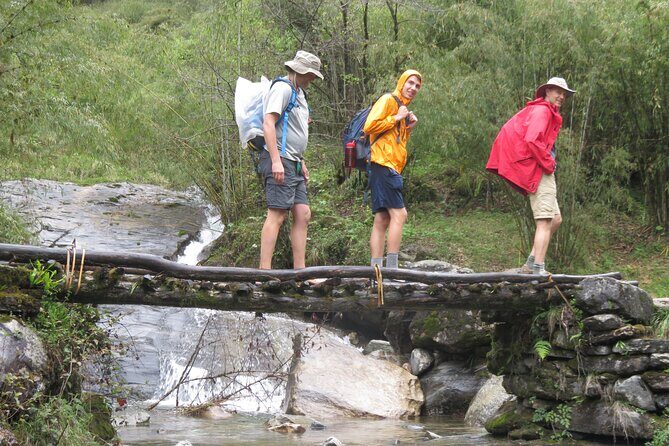
- Sunrise at Annapurna Base Camp with a 360-degree view and that famous color shift of Annapurna I
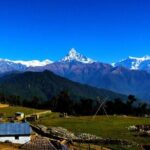
- Chhomrong viewpoint (2,150 m) for strong views of Annapurna South, Huinchuli, and Mt Fishtail
- Jhinu Danda suspension bridge at 285 m long and 135 m above the Kimrong River
- Rhododendron forest walk through areas with over 30 species
- Licensed, insured guide + insured logistics with private transportation and teahouse stays
- Maximum group size of 20 for a trek that stays social without feeling chaotic
The “shortest and safest” pitch: what it means in real trekking days
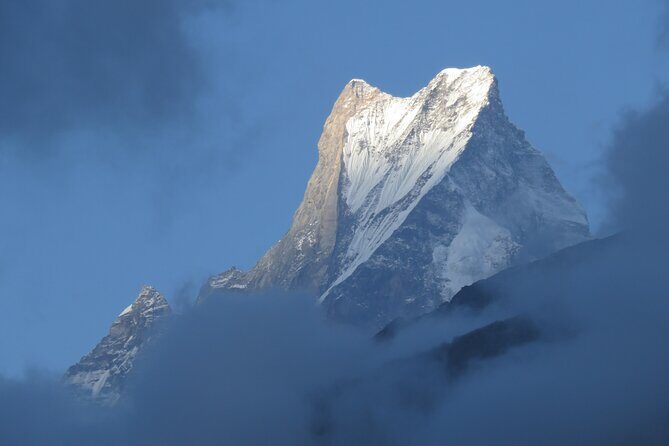
A 6-day Annapurna Base Camp trek is attractive because it aims to cut through the usual time sink. You still get the classic ABC drama—valleys tightening, weather changing, and the mountains getting closer—but you are not committing to a longer multi-week schedule.
This itinerary is also set up around practical pacing. It repeatedly uses a pattern you’ll feel in your body: drive or transfer to start the day, then walk with enough time to settle in, sleep well, and show up fresh for the next highlight—especially the Base Camp morning. The route’s emphasis on view points like Chhomrong and the early payoff of Annapurna peaks also helps you feel like you are winning early, not just surviving until the final day.
That said, the mountains still do mountain things. Even with “short and safe” intentions, you should expect cold mornings, long stretches on foot, and a need for moderate fitness. If you plan smart and move steadily, you will likely feel the difference between rushing and cruising.
You can also read our reviews of more hiking tours in Pokhara
Value and logistics you feel immediately: Pokhara pickup, private transport, teahouses
From Pokhara, the trip is built for comfort where it counts. You get pickup offered and private transportation, which matters on day one and the return day. It means less time wrangling shared schedules and more time on the trek where you actually want to be.
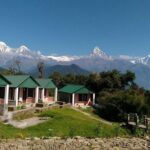
Once you are walking, the focus shifts to the basics that make Annapurna Base Camp realistic for most people: teahouse accommodation and breakfast included for 5 days. Teahouses are simple, often warm in spots, and they take care of the nightly rhythm so you can concentrate on the day’s route.
The package also includes equipment support “as required,” including a duffle bag / sleeping bag / anti-slip crampon. That is a big deal for value and convenience because trek gear can be expensive to buy and a pain to pack. If you travel with limited luggage, this kind of included support helps.
One note for your budget: lunch and dinner are not included, and you might find extra charges for small items like charging gadgets, WIFI, or coffee. Bottled drinks are also listed as not included, so plan to carry what you need between meal windows.
Day 1: Chhomrong viewpoint and the long drop of Jhinu Danda
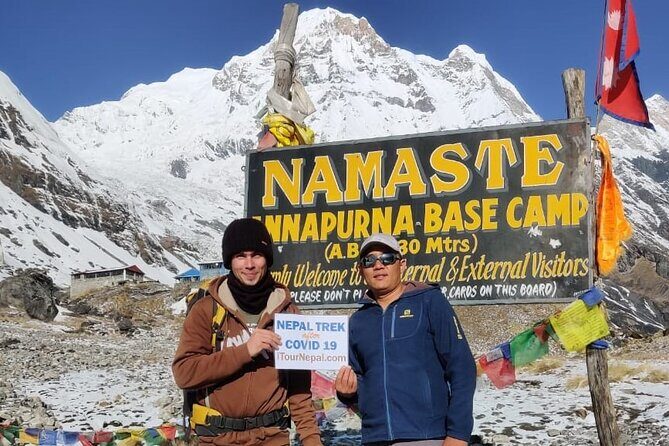
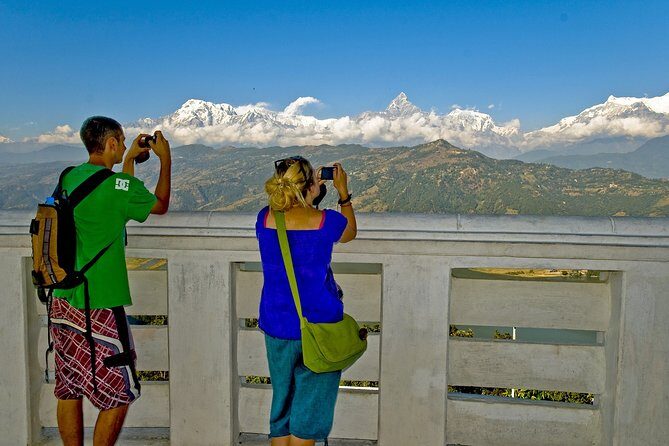
Day one sets the tone fast. You get a stop at Chhomrong (2,150 m), known as a strong viewing point for Annapurna South, Huinchuli, and Mt Fishtail. This is the kind of place where the mountains look close enough to be real, not postcard-close. Even before the deeper trekking days, it gives you a sense of why Annapurna is worth the effort.
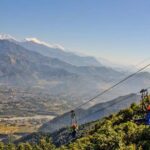
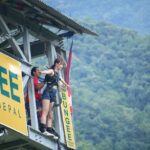
Then the route continues toward the Jhinu Danda suspension bridge, one of the longest bridges in the area: 285 m long and 135 m above the Kimrong River. This is the “thrill” moment—clear water below, big spans around you, and that slightly shaky, giddy feeling you only get on suspension crossings.
The practical upside of building day one around these two stops is momentum. You are not trudging for hours just to reach a view. You start with a good hit of scenery, then get the adrenaline moment before the next day’s deeper walk.
Day 2: Morning peaks, foothill ups and downs, and entry into the Annapurna Sanctuary
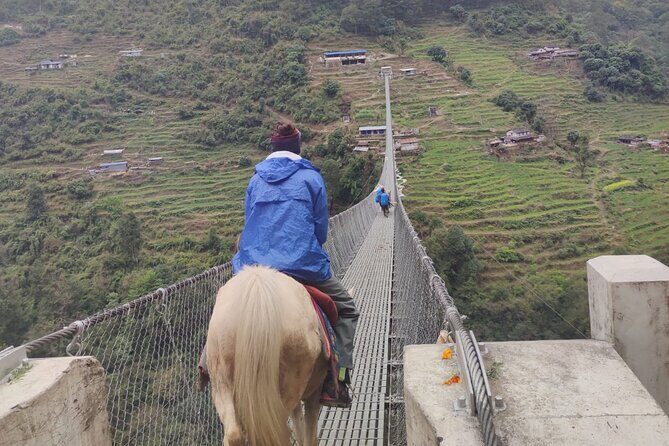
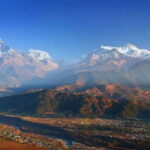
Day two is where the trek starts feeling more like a journey through zones. You begin with a morning view of Annapurna South and Mt Fishtail. That early light matters here because the mountains can look dramatically different as the day warms up.
The walk then swings up and down through the Annapurna foothills before entering the Annapurna Sanctuary. That “swing” is normal for the region: you gain a little, drop a little, and keep your legs working. It is not hard like a vertical climb all day, but it does mean your pace has to be steady and your footing deliberate.
What I like about this day is the gradual shift. The foothills feel lived-in and connected to village life. Then the sanctuary feeling kicks in—more open, more focused on mountains and valleys, and less “out of the way road” energy. If you handle your pace and keep water and layers consistent, day two is usually the day people start relaxing into the trek rhythm.
Day 3: Dovan in the Modi River valley—rhododendrons, Hiunchuli, and Machhapuchchhre vibes
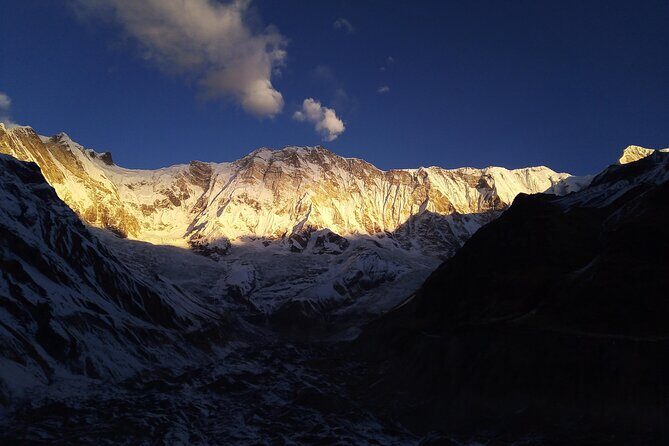
Day three is a forest day in the best sense: you are walking through thick rhododendron forest as you climb upstream along the Modi River. The route specifically mentions over 30 species of rhododendron, which is a nice reminder that this is not just generic greenery. The plant variety is part of what makes the walk feel textured, not monotonous.
The terrain is described as wedged between major landmarks—Hiunchuli and Mardi Himal—with Dovan in the Modi River valley basin. You are not staring at only one peak. Instead, you get a changing cast of peaks around you while the forest corridor does its work.
This day also has a mental benefit. After day one and day two’s big setup, day three gives you something different: less “must-see view point” pressure and more “keep moving, keep warm, enjoy the forest air” energy.
If you are prone to rushing, this is a day to slow down. Rhododendron trails can punish careless foot placement. Go steady, take short breaks, and keep your breathing calm.
A few more Pokhara tours and experiences worth a look
Day 4: The long-awaited approach to Annapurna Base Camp
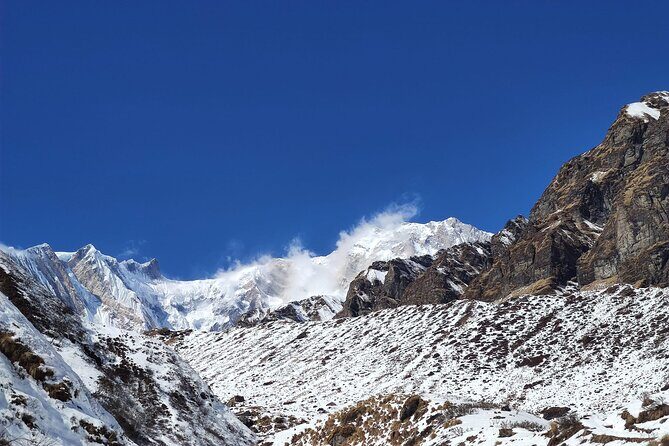
Day four is your approach day, and it matters because it decides how you feel on arrival. The plan is to walk from Deurali to Annapurna Base Camp, with scenic sections that also include undisturbed views of Mt Fishtail, Annapurna III, Annapurna South, Annapurna I, and more.
A key route detail is how you travel: you follow the Modi Khola upstream. That helps keep the day intuitive. Rivers in trekking areas usually mean a natural route. You are using the valley logic rather than fighting the terrain.
The practical question for you on day four: how much do you want to push? Since the itinerary is tight (only 6 days total), you will probably feel a bit of urgency. I suggest treating it like a “finish strong” day, not a “win the race” day. Arriving tired can make Base Camp feel colder and less enjoyable, especially if the weather turns.
If conditions cooperate, day four is often when Annapurna stops being background scenery and becomes the main event. You’ll feel that shift.
Day 5: 360-degree sunrise at Base Camp—when Annapurna I changes color
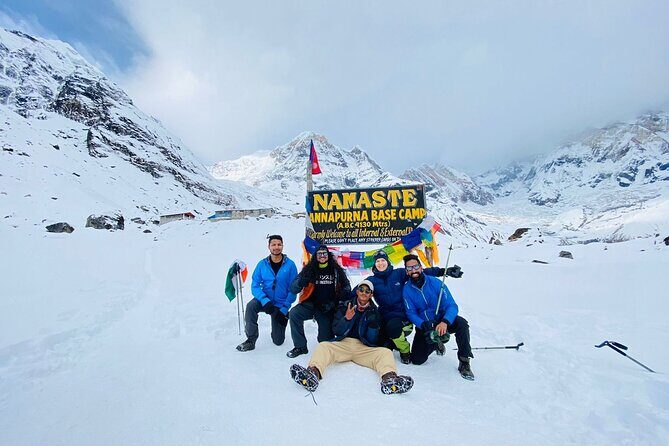
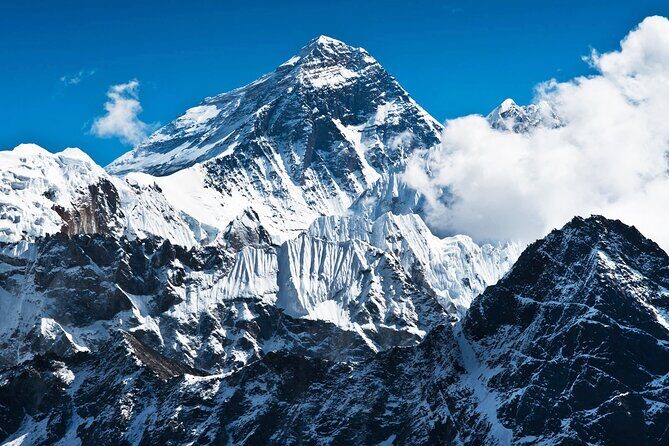
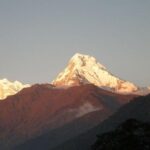
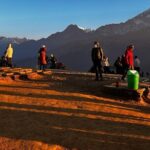
Day five is the headline act: early rays of sun lighting up the snow peaks, with the 360-degree view at Annapurna Base Camp. The itinerary calls out the popular moment: the magical change of color of Annapurna I during sunrise.
This is the kind of moment that makes people forget about aching calves. It also helps explain why this trek is so consistently recommended. Sunrise here is not just pretty—it’s memorable because it looks different with every minute as shadows move and the rock and snow reflect light.
After the sunrise, the schedule is built around an easy morning and easy time to take photos and reset. That matters. A lot of treks make you suffer and then immediately demand more suffering. This one at least gives you breathing room after the emotional high.
One practical consideration: mornings can be very cold. Even if you are not climbing for hours, you still need to be prepared to stand outside while the light does its thing.
Day 6: Back toward greenery—breakfast views and the reality check
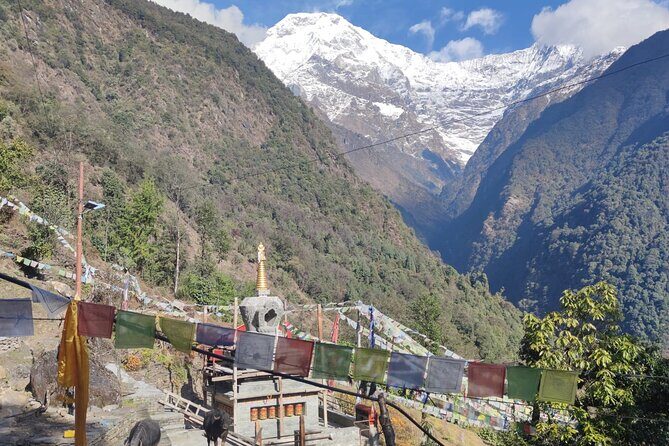
Day six is the cool-down day. You come back to greenery and civilization, which can feel almost emotional after the deep valley and colder weather. It is not just a visual shift. It’s a mental one too: the trek becomes less about endurance and more about enjoying the layers of the region.
You enjoy breakfast with far-reaching views over layers of hills and the Modi River valley. Then the day wraps into the return direction, leaving you with a calmer pace than the earlier days.
This is also where you notice how the itinerary stays “short.” You do not have a long slog after you have already seen the key moments. You still get the classic “return” feeling, but you are not stuck for days once the magic has happened.
Guides, safety, and why the small details matter on Annapurna
You are traveling with a licensed, experienced and insured guide. In mountain country, that is not marketing fluff. Licensed and insured suggests the operator understands the regulations and the risk reality: weather changes, trail conditions, and the fact that a group of up to 20 needs clear decisions.
The included setup also supports safety and comfort. You have teahouse accommodations, basic meal coverage for breakfast, and gear support like anti-slip crampons as required. That reduces the chance you arrive unprepared for colder, rockier moments.
From a company-quality angle, past guest feedback has highlighted strong care and organization, with names like Rabi showing up as the owner and guides such as Saroj and Ajaya mentioned in stories. Porters have also been named, including Samir. Even though you cannot assume who you will meet on your specific dates, the repeated pattern of named professionals is a good sign that this is a team-built operation, not a random shuffle.
Price and value: is $450 fair for a 6-day ABC trek?
At $450 per person for a 6-day Annapurna Base Camp trek from Pokhara, the price is easiest to judge by what you actually get.
This package includes:
- Private transportation
- Licensed, insured guide
- Teahouse accommodation
- Breakfast x 5
- All fees and taxes
- Equipment support like sleeping bag / anti-slip crampon as required
- A duffle bag included
What is not included:
- Lunch and dinner
- Insurance for clients
- Optional porter at $30/day
- Extras like bottled drinks, coffee charges, and small fees for WIFI/charging
So the real question for you is whether you like having a lot of big-ticket items handled in advance (guide, lodging, transport, and key gear support). If yes, the value looks strong. If you want full board meals included, you should budget extra for lunches and dinners.
Also, plan time. The trip is typically booked about 40 days in advance on average, so waiting too long can squeeze your options—especially for group departures.
Who this trek fits best (and who should think twice)
This Annapurna Base Camp trek is a good match if:
- you have moderate physical fitness
- you want teahouse comfort instead of camping gear
- you like a route that prioritizes key views, including Chhomrong and a big sunrise payoff at Base Camp
- you want a setup with private transport and a licensed, insured guide
It may not be the best fit if:
- you require lunch and dinner to be fully included in your budget
- you are not comfortable with cold mornings (especially around sunrise)
- you expect a flat hike. Even a short itinerary has ups and downs.
Should you book this 6-day Annapurna Base Camp trek?
I think this is a smart booking if you want a classic Annapurna Base Camp experience without turning your whole life into a logistics project. The combination of short duration, teahouse lodging, licensed insured guiding, and the standout sunrise over Annapurna I makes the trip feel efficient in the best way.
I’d book if you can handle moderate fitness and you are okay planning for lunch and dinner costs on top of the $450. If that extra daily spending would stress you out, then either budget it early or look for a trip with full meal inclusion.
If you want Annapurna without the chaos, this itinerary is built to keep things moving—one clear viewpoint and one cold sunrise at a time.
FAQ
How long is the Annapurna Base Camp trek?
It is scheduled for 6 days (approx.).
What does the trip include in terms of meals and lodging?
Breakfast is included for 5 days, and you stay in teahouses. Lunch and dinner are not included.
Is a porter included, and what does it cost if I want one?
A porter is not included by default. If you want one, it is listed at $30 per day.
Does the price cover transportation from Pokhara?
Yes. The package includes private transportation, and pickup is offered.
What is the group size limit?
The trek has a maximum of 20 travelers.
What is the cancellation window for a full refund?
You can cancel up to 3 days in advance of the experience for a full refund.