Jeep roads to a different Nepal. This 6-day private Lower Mustang drive is a practical way to reach remote, rugged, high-altitude areas near Tibet, without wrestling with logistics on your own. I like the English-speaking guide support (you’ll get clear explanations along the way), and I like that the trip handles the important paperwork and six nights’ guesthouse stays for you. One thing to consider: the days are long on rough overland roads, and the whole route depends on good weather.
You start in Pokhara, then slowly trade lake views for river gorges and dusty mountain tracks as the jeep climbs into Mustang country. The route mixes big-name spiritual stops (hello, Muktinath) with small, real village moments like apple gardens in Marpha and Tibetan Buddhist monasteries in Kagbeni. In the driving seat, teams like Krishna (guide) with drivers such as Falgun have a reputation for taking it slow and careful, which matters when roads get uneven.
At $1,028.28 per person, this isn’t a budget day trip. But the value holds up because you’re paying for a private 4WD round-trip, ACA permits and TIMS fees included, hotel pickup and drop-off within Lakeside, and guesthouse accommodation for six nights. The one downside on the wallet: meals and drinks aren’t included, so you’ll want to budget for food during the ride days.
In This Review
- Key highlights that make this trip worth your time
- Lower Mustang by private 4WD: what you’re really buying
- Day 1 start: Pokhara pickup to Dhampus viewpoints
- Tatopani and the hot spring pause that resets your day
- Marpha: apple orchards, village lanes, and a slower kind of sightseeing
- Jomsom area, Dhumba Lake, and Kagbeni’s Tibetan Buddhist mood
- Muktinath Temple day: sacred stop plus a long drive mindset
- Sarangkot viewpoints and the World Peace Stupa access road
- Price and value: what $1,028.28 covers (and what it doesn’t)
- What the itinerary experience feels like in real life
- Who this Lower Mustang jeep tour is best for
- A few practical tips before you go
- Should you book this Lower Mustang 4WD adventure?
- FAQ
- Pickup starts at 8:30 am. Is it only in Pokhara Lakeside?
- Is this a private tour?
- How long is the Lower Mustang jeep tour?
- What’s included in the price besides the jeep?
- Are meals included?
- Do I need to pay for the permits?
- Are entrance fees included for the main stops?
- What kind of accommodation do you stay in?
- Will I be driving only by jeep?
- What if the weather is bad?
- Can I cancel and get a refund?
Key highlights that make this trip worth your time
- 4WD access that saves you headaches on remote Lower Mustang roads
- Permits handled with ACA and TIMS fees included
- Big spiritual payoff at sacred Muktinath Temple
- Dhumba Lake stop plus time to actually look, not just rush past
- Marpha time for orchards and village lanes
- Tibetan Buddhist atmosphere in Kagbeni and nearby stops
Lower Mustang by private 4WD: what you’re really buying
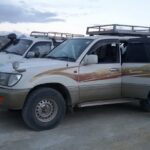
This is a “drive-and-explore” tour, not a quick sightseeing loop. The key selling point is simple: the Lower Mustang region is rugged and spread out, so a hardy 4-wheel-drive vehicle is the difference between seeing it and only hearing about it. You’ll also appreciate the private format. It’s just your group, which means fewer compromises with timing.
On top of that, the trip includes what typically becomes annoying when you try to plan independently: permits. You’re covered for the Annapurna Conservation Area Permit (ACA) and TIMS fees, and you’re doing it with a guide who can keep the day moving while still leaving room to stop and look.
The other practical win is the pace of the vehicle. The best jeep trips feel controlled: slow enough to handle the road safely, fast enough that you’re not spending your day stuck waiting for recovery vehicles and random hold-ups. The driving style described for teams like Falgun (and guides such as Krishna) tends to be careful and steady—exactly what you want on dirt, slope, and tight-turn sections.
A few more Pokhara tours and experiences worth a look
Day 1 start: Pokhara pickup to Dhampus viewpoints
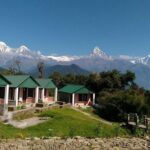
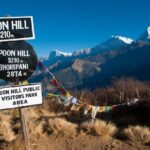
The experience begins in Pokhara with pickup from your hotel in the Lakeside area at 8:30 am. After that, you head toward Astam first, then continue to Dhampus, a classic Gurung village base for mountain views.
What I like about this first stretch is that it gives you an easy landing. You’re not thrown into the hardest parts immediately. Instead, you get a chance to watch the scenery change as you drive and stop for panoramic mountain views. It’s also a good day for orientation: you’ll get a feel for the pace of travel, what the roads are like, and how often you’ll be stopping along the way.
One practical note: this day is called out as about 5 hours. That means the jeep is doing its job—moving you forward—while still leaving time to stretch, look around, and take a few photos without feeling rushed.
Tatopani and the hot spring pause that resets your day
From Dhampus, the next driving day takes you toward Ghasa with a stop at Tatopani (hot spring). If you’ve ever had a sore back from sitting in a vehicle for too long, you’ll understand why hot springs make sense here. It’s not a luxury add-on; it’s a practical reset.
You’ll have time to take a bath in the natural hot spring. The itinerary treats entry as free, which is a nice little bonus in a trip that otherwise includes several paid sites.
The only “consideration” I’ll flag is logistics of comfort. Hot springs can make you feel better right away, but you’ll still be riding afterward. Pack layers you can quickly swap into, and expect that conditions around the spring may be cooler than in town.
This day is listed around 5 hours, so it’s one of those balanced travel days where you get both motion and a meaningful break.
Marpha: apple orchards, village lanes, and a slower kind of sightseeing
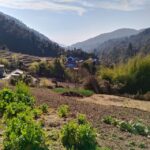
The next day brings you to Marpha, and this is one of the best stops for “see the village” travelers. You’ll drive there through scenic views, then explore Marpha’s village feel and the apple gardens around it.
Marpha is the kind of place where you can read a lot with your eyes—whitewashed lanes, a sense of routine, and that orchard rhythm that makes the region feel lived-in. It’s not just a checkpoint. You get time to walk, look, and enjoy the slower tempo.
A useful tip here: keep your schedule flexible even if you’re on a fixed itinerary. Marpha’s appeal is in the side moments—stopping at viewpoints, watching people work in orchards, or lingering over a street photo—so a steady group pace helps.
The itinerary lists this stop as about 5 hours overall, and admission is marked as free. That combo—time on the ground plus no site ticket—makes Marpha a strong value use of your day.
Jomsom area, Dhumba Lake, and Kagbeni’s Tibetan Buddhist mood
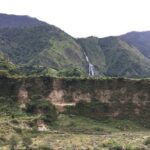
One of the standout pairings here is Dhumba Lake and Kagbeni. The route continues by 4WD, first toward the Jomsom area, then onward to Dhumba Lake, with time to explore the lake before heading to Kagbeni.
Dhumba Lake is famous for its striking blue color, and the itinerary explicitly calls it out as a highlight. This is one of the moments where you stop and actually look. You’re not just passing through the region—you’re taking a breath, letting the color and setting sink in, and then moving on.
From there, you continue to Kagbeni, known for Tibetan Buddhist monasteries. Kagbeni has a different feel than the villages near Pokhara and the greener mid-hill areas. Here, the architecture, prayer flags, and monastery presence create a stronger sense of “culture on display,” which is exactly what you want from a Lower Mustang route.
The itinerary indicates admission is included for this segment, and the total time is about 5 hours for this day. That’s a full travel day, so expect to keep your walking comfortable but not to aim for a long hike. The jeep delivers you to these places; your job is to enjoy them.
Muktinath Temple day: sacred stop plus a long drive mindset
If you came to Lower Mustang for a single signature place, Muktinath Temple is the one. You’ll drive to Muktinath, explore the temple area, then continue onward to Lete for overnight.
Muktinath is described as very famous in Mustang, and it’s also one of those sites where you get a real sense of why people travel to the region. The value here isn’t just the monument. It’s the experience of moving through a sacred place with time to look, observe, and take in how locals and pilgrims treat it.
The itinerary lists admission as included, and the day is about 6 hours. That time can feel like a lot if you’re trying to fit too much walking. My advice: focus on the temple grounds and key viewpoints instead of trying to cover everything. Save energy for the final day’s scenic stops.
This is also a day where “slow and careful” driving really pays off. When you’re crossing less forgiving terrain, you’ll feel safer and more comfortable when the vehicle isn’t bouncing around at high speed.
Sarangkot viewpoints and the World Peace Stupa access road
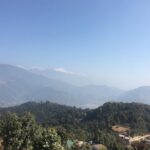
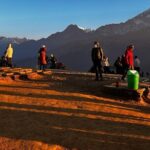
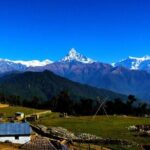
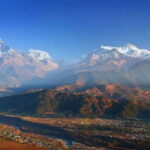
On the last day, you head back toward Pokhara with a couple of scenic stops. You drive via Naudanda and Sarangkot, which is described as a best viewpoint area for seeing Mt. Annapurna and many more.
This is your chance to reconnect with the classic Pokhara view frame—big peaks, wide sky, and the sense that you’re returning from a totally different world. If you only remembered one part of Mustang, Sarangkot helps you tie the trip back to the wider Annapurna region.
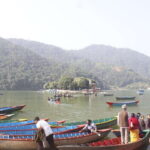
Then there’s an extra option: an extension to the World Peace Stupa access road, where you can enjoy views of the mountains and Lake Fewa before the drive back and drop-off at your hotel.
The itinerary lists admission for Sarangkot as included, and the stupa access is free. The total day is listed around 5 to 6 hours, depending on how long you linger at the viewpoint stops.
Price and value: what $1,028.28 covers (and what it doesn’t)
Let’s be honest: $1,028.28 per person is a lot if you’re used to cheaper tours. But you’re not just paying for a driver and a couple of entrance tickets.
Included value you’re paying for:
- Private tour for your group
- Hotel pickup and drop-off within Lakeside (and pickup time is set for 8:30 am)
- English speaking guide
- Entire round trip by 4-wheel drive
- Guesthouse accommodation for six nights
- ACA permit and TIMS fees included
What’s not included:
- All meals and drinks (available for purchase)
- Gratitude (optional)
This means your budget should include eating every day except where you decide to keep it simple. The good news is guesthouses often make it easy to eat locally once you’re in the overnight areas.
If you like comfort, this also compares favorably to the cost of piecing everything together yourself. Planning permits, arranging the right vehicle, and coordinating timing for Lower Mustang takes real effort. Here, you’re buying that coordination.
What the itinerary experience feels like in real life
Even without getting lost in the day-by-day details, the structure is clear: you’re moving deeper into Mustang, then hitting major cultural and sacred anchors, then closing with viewpoints back near Pokhara.
Days are built around:
- Road time in a 4WD vehicle
- Ground time at villages and specific highlights (hot spring, orchards, lake, temple)
- Overnight guesthouses to keep you stable for the next driving day
That mix is ideal for travelers who want a “big trip” feeling without sleeping in tents or switching accommodations every night. It’s also a strong match for people who don’t want to spend their honeymoon—or their vacation—solving transport problems.
Who this Lower Mustang jeep tour is best for
This trip fits you if:
- You want remote Lower Mustang access without self-driving
- You care about cultural sites as much as scenery
- You’re okay with spending a good chunk of the day in transit
- You want guesthouse comfort rather than camping-style travel
It may feel like too much if:
- You prefer slow travel with lots of free days and minimal driving
- You hate changing pace day after day
The good news is that the tour notes say most travelers can participate, which usually means the basic logistics are designed to be workable for a wide range of fitness levels. Still, if you’re sensitive to long car rides, plan to take it easy during driving days and use stops to stretch.
A few practical tips before you go
- Bring layers. Mountain weather can shift fast, and a cold moment after a warm village stop happens more often than you’d think.
- Plan for meals to be on your own. Since meals and drinks aren’t included, you’ll want an easy plan for breakfast and dinner each evening.
- Keep the vibe flexible on viewpoint stops. Sarangkot and the stupa extension are about views—if clouds move in, you’ll need to wait a bit and trust the timing.
- Expect careful driving. On rough road days, a steady driving style matters for comfort.
Also, this kind of trip requires good weather. If visibility is poor, the big-view moments can be less dramatic. The trip is set up to work with weather swings, but the key is knowing that weather is part of the deal.
Should you book this Lower Mustang 4WD adventure?
I think you should book if you want a guided, private, logistics-light way to reach Lower Mustang’s best-known natural and cultural stops—especially Muktinath Temple, Dhumba Lake, Marpha’s apple-country village time, and Kagbeni’s monastery atmosphere—while having permits, vehicle, and guesthouse stays handled.
Skip it (or at least rethink) if you’re chasing a minimalist, low-road-time vacation. This isn’t a stroll-and-cafe trip. It’s a jeep journey. If you can handle that, you’ll get a front-row seat to a region that feels far removed from the normal travel routes.
FAQ
Pickup starts at 8:30 am. Is it only in Pokhara Lakeside?
The tour includes hotel pickup and drop-off within the Lakeside area of Pokhara, and pickup is listed for 8:30 am from your hotel in that area.
Is this a private tour?
Yes. It’s listed as a private tour/activity, meaning only your group participates.
How long is the Lower Mustang jeep tour?
The tour duration is listed as 6 days (approx.).
What’s included in the price besides the jeep?
Included are an English speaking guide, hotel pickup and drop-off (within Lakeside), the entire round trip by 4-wheel drive, guesthouse accommodation for six nights, and ACA permits and TIMS fees.
Are meals included?
No. All meals and drinks are not included, but they’re available for purchase.
Do I need to pay for the permits?
No. Annapurna Conservation Area Permit (ACA) and TIMS fees are included.
Are entrance fees included for the main stops?
Admission is marked as free for some stops (like Dhampus, Tatopani hot spring, and Marpha) and included for others (like Dhumba Lake and Muktinath Temple). The itinerary also lists Sarangkot as included and the World Peace Stupa access road as free.
What kind of accommodation do you stay in?
The tour includes accommodation in guesthouses for six nights.
Will I be driving only by jeep?
Yes. The tour includes the entire round trip by 4-wheel drive.
What if the weather is bad?
The experience requires good weather. If it’s canceled due to poor weather, you’ll be offered a different date or a full refund.
Can I cancel and get a refund?
You can cancel up to 3 days in advance for a full refund, and cut-off times are based on local time.