REVIEW · KATHMANDU
8 Days Tour in Nepal (4 Star Accommodation)
Book on Viator →Operated by The Great Adventure Treks & Expedition - Private Day Tours · Bookable on Viator
Temple mornings, jungle afternoons, lake views at last.
This 8-day Nepal package stands out for its pickup-and-guide setup and for how it pairs major sacred sites with an actual day in Chitwan National Park (not just a quick drive-by). I like that the route is structured so you can focus on seeing instead of sorting, and the group size stays intimate. The main catch to keep in mind is the pace: it’s a full schedule with early starts and short blocks at each stop, so you need a bit of stamina.
A big part of why this tour feels safe and smooth is the way guiding is handled. From the feedback I’ve seen, people talk about owners and guides such as Mani He, plus multilingual guide support like Sanjay (noted for Chinese and English), and guides like Sudam for a calm, organized style. One more consideration: since private transportation isn’t included, you’ll rely on the trip’s arranged transport rather than having a vehicle on your own timetable.
In This Review
- Key highlights you should care about
- Starting in Thamel: where your trip gets organized fast
- Kathmandu’s temple circuit: Boudha, Patan, Pashupatinath, Swayambhu
- The road to Chitwan: Dhading and Gorkha views from the bus window
- Chitwan National Park, done the active way: canoe, jungle walk, Tharu village, jeep safari
- Pokhara transit: three big rivers on the way to Phewa Tal
- Sarangkot sunrise, Devi’s Fall, Gupteswar Cave, and World Peace Pagoda
- Durbar Marg and Garden of Dreams: a calmer Day 7 break
- Where the money goes: $1,080 value with meals and activities
- Who should book this 8-day Nepal route (and who might not)
- Should you book it?
- FAQ
- What time does the tour start?
- Is pickup included?
- What areas does the tour cover?
- Are entrance tickets included?
- What meals are included in the price?
- Is private transportation included?
- How big is the group?
- What is the cancellation refund window?
Key highlights you should care about
- A small-group feel (max 30), which makes it easier to ask questions and keep the day moving
- Real Chitwan activities, including canoeing, a jungle walk, a Tharu village visit, and a jeep safari
- Kathmandu’s big four temple sites packed into one day, so you don’t spend your time crisscrossing blindly
- Pokhara’s classic viewpoints, from Sarangkot sunrise to the lake and cave stop
- Meals and many entry fees handled, with breakfasts plus a couple of lunches and dinners included
- Mobile ticket plus pickup and airport drop, so you’re not chasing confirmations at the last minute
Starting in Thamel: where your trip gets organized fast
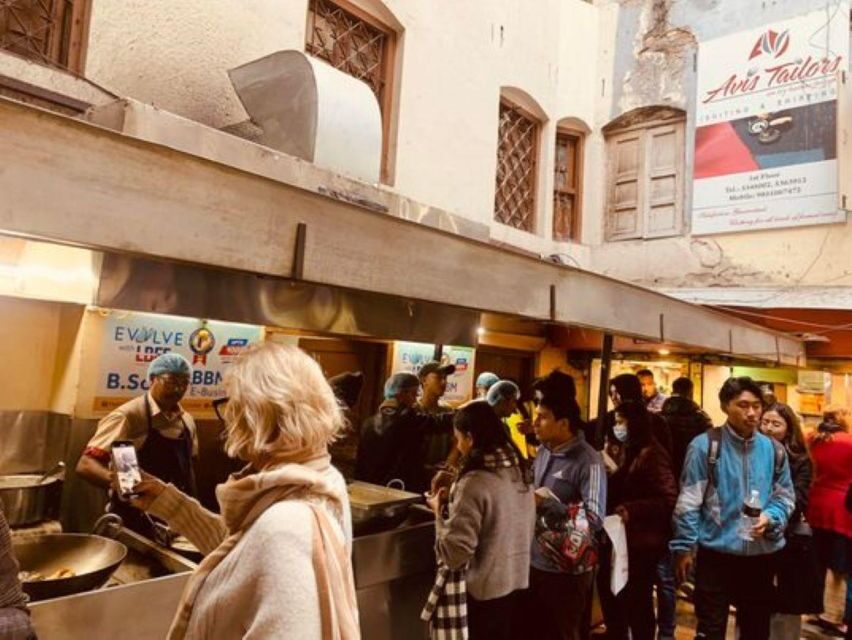
Day 1 begins in Kathmandu’s Thamel area, which is ideal for day one. It’s practical: you land into a zone with easy access to shops, streets for a first look, and a low-stress vibe when you’re still adjusting to Nepal time. After you’re picked up from your location, you’re directed to the best hotel at Thamel for the night, then given a couple hours to settle in and do some light shopping.
I like this approach because it avoids the classic travel problem of arriving and immediately being thrown into a long sightseeing day. You get time to handle basic needs first—water, snacks, chargers, a quick SIM if you’re still sorting that—and then you can enjoy the evening at your own rhythm.
One small note: the itinerary gives you a limited evening window here, so if you’re the type who likes a slow first night (dinner, wandering, then a second wandering), I’d plan to keep expectations realistic.
You can also read our reviews of more tours and experiences in Kathmandu.
Kathmandu’s temple circuit: Boudha, Patan, Pashupatinath, Swayambhu
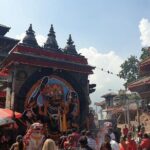
Day 2 is the big Kathmandu culture day, built around four very different religious spaces. That’s a smart design, because Nepal’s sacred architecture isn’t one single “style.” You’ll see how domes, courtyards, riverfront rituals, and hilltop views all shape daily life.
Here’s what each stop gives you:
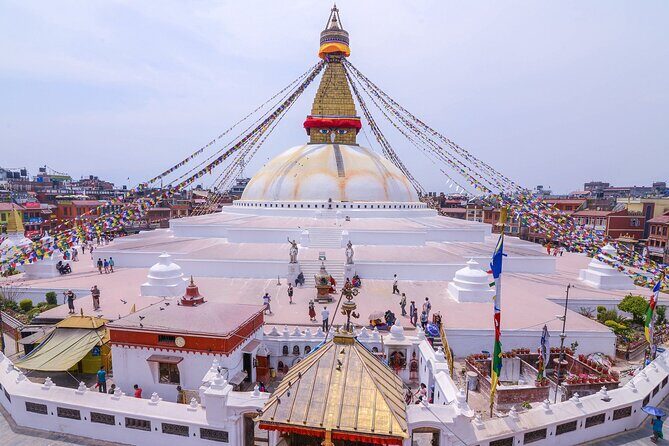
Boudhanath Stupa (about 1 hour)
This is the dome-shaped stupa decorated with colorful prayer flags. Even if you’ve seen stupa photos, being there in person changes the scale—prayer flags, the rhythm of movement around the structure, and the steady flow of people create a different kind of energy than a museum visit. It’s included, so you’re not stopping to calculate entry fees.
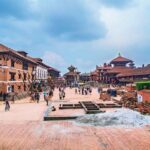
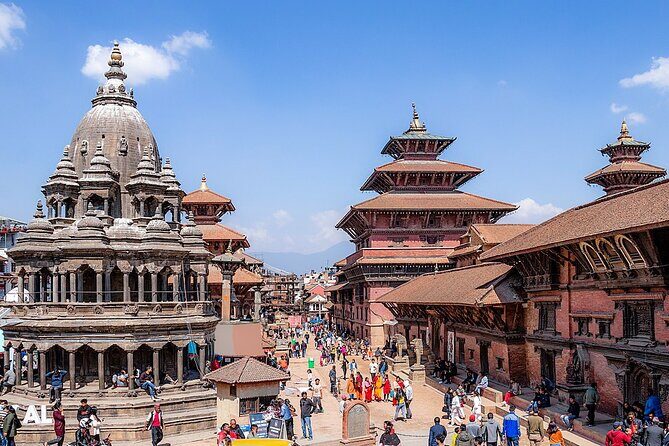
Patan Durbar Square (about 2 hours)
Patan brings a courtyard-and-temples feel. With dozens of major temples and many bahals (courtyards), it rewards slow walking. If you like looking closely—doors, carvings, and how spaces connect—this block is one of your best chances on the tour. Two hours sounds short until you’re standing amid the courtyard maze and realizing you’re naturally moving from one detail to the next.
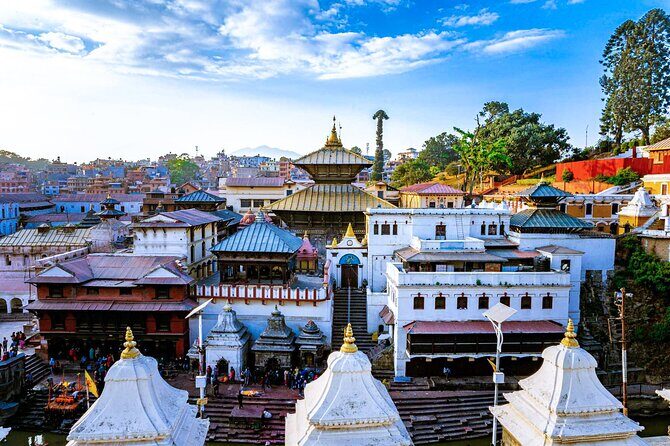
Pashupatinath Temple area and ghats (about 1 minute noted in the plan)
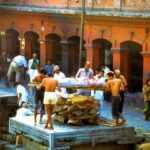
This part is centered on the temple and the river ghats along the Bagmati. Because the listed time is extremely brief, I’d treat this as a quick arrival-to-view stop rather than a deep linger. It’s still a major sight, and it helps balance the earlier stupa and courtyard experience with something more river-driven.
Swayambhunath Temple (about 2 hours)
Swayambhu adds elevation and wide views. You’ll see the statue areas and the temple complex tied to Harati, plus Buddha statues throughout the site. This is a good place to reset your attention after Pashupatinath, because it’s naturally organized for walking and looking.
How it feels as a whole: you get a full-day sampler of sacred Nepal with guided pacing between sites. If you prefer fewer stops with longer time per stop, Day 2 may feel busy—but it’s efficient, and it saves you from spending half your trip commuting across Kathmandu.
The road to Chitwan: Dhading and Gorkha views from the bus window
Day 3 shifts from temples to travel scenery. You’ll drive through the Dhading District—described as a region with high hills and rivers—then continue into Gorkha District scenery. Even if you don’t think of bus rides as a highlight, this kind of routing matters in Nepal because the country reveals itself in layers as elevation changes.
The key Chitwan moment on Day 3 is Rapti River-side walking, a Tharu culture view, and sunset time. You’ll be in Chitwan National Park area for about 3 hours here, with included entry for the planned activities.
What I like about this day design is the way it eases you into wildlife country. Instead of “all jungle all day,” you get a softer landing with river views and cultural context first. Sunset time also helps you avoid the feeling of arriving and immediately rushing.
Chitwan National Park, done the active way: canoe, jungle walk, Tharu village, jeep safari
Day 4 is where the trip earns its outdoor reputation. The plan is about 5 hours total, and it’s packed with varied activity types—water, walking, village time, and a safari drive.
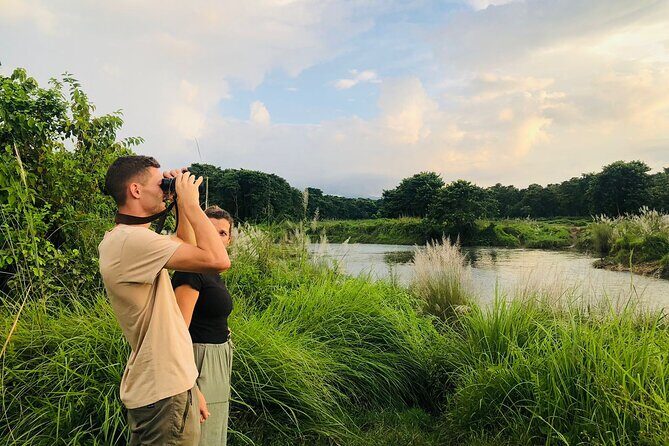
You’ll start with canoeing on the Rapti River (about 45 minutes). Being on the river changes your perspective. You’re quieter, lower, and more connected to the water-and-bank environment than you would be standing at a viewpoint.
Next is a jungle walk (about 2.5 hours). This is usually the time people remember most because it feels immersive without requiring long trekking days. You get movement, stops for explanation, and the chance to see the park’s ecosystem up close at ground level.
Then comes a Tharu village tour (about 30 minutes). This matters because it turns “wildlife viewing” into a fuller Nepal experience. Even in a short block, it adds human context to the natural setting, which makes the whole day feel more meaningful than a pure animal checklist.
Finally, there’s an afternoon jeep safari. This is the moment to be patient. You’ll be driving with the goal of seeing wildlife, but the real value is that it’s designed to operate like a guided hunt for chances rather than a guaranteed ticket to specific sightings.
Good to know for your comfort: Day 4 includes multiple activity styles, so wear shoes you can walk in and plan for warm conditions. If you’re prone to motion sickness, consider what works for you on winding roads and river transfers, since the day includes moving segments.
Pokhara transit: three big rivers on the way to Phewa Tal
Day 5 is mostly about the shift from Chitwan to Pokhara. The plan calls out scenic road time where you can see three major rivers: Trisuli, Marsyangdi, and Daraudi. That’s a nice detail because it gives the drive a storyline, not just “sit and arrive.”
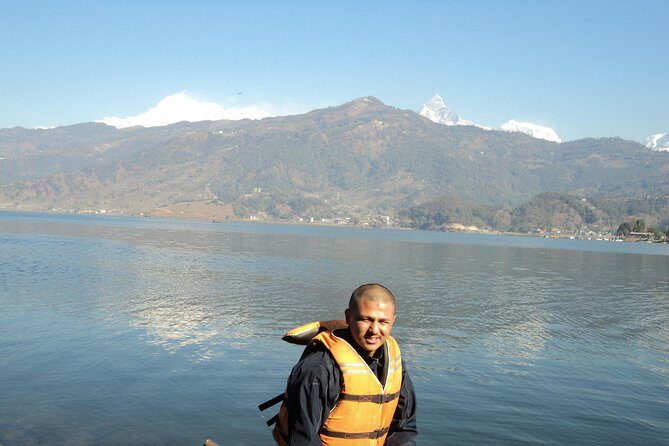
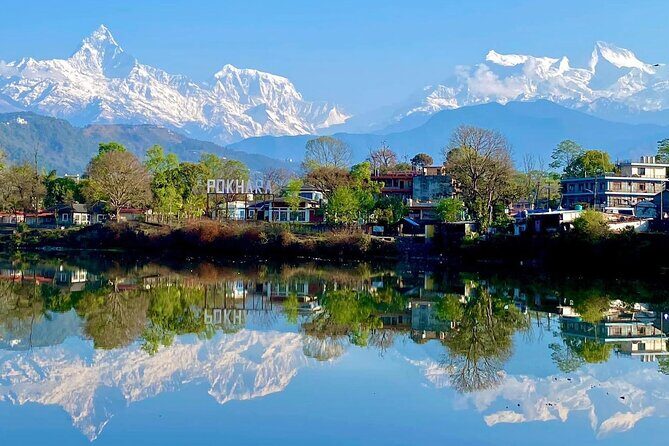
Once you reach Pokhara, your stop is Phewa Tal (about 2 hours). This is the lake scene people come for: wide open water, good photo angles, and a laid-back feel. You’ll also have boating time, which turns the lake from a viewpoint into a slow experience.
This is one of the more relaxing blocks compared with Day 4, and it helps balance the trip. You go from wildlife-focused walking and safari expectations to calmer lake rhythms.
Sarangkot sunrise, Devi’s Fall, Gupteswar Cave, and World Peace Pagoda
Day 6 is an all-star sightseeing day in Pokhara, but it’s also the one with the strongest “wake up early” energy.
Sarangkot sunrise (about 1 hour, early morning, noted as free admission)
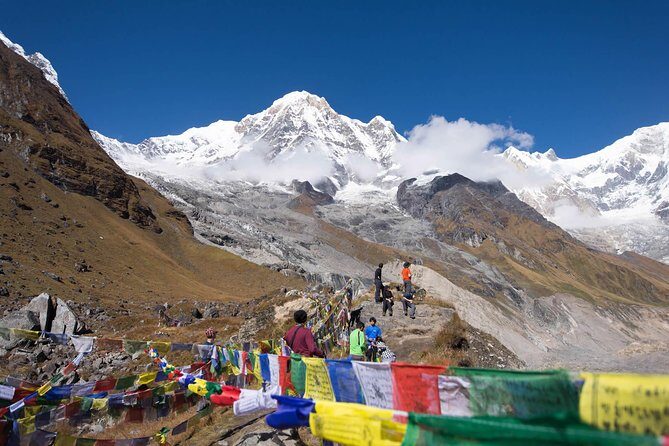
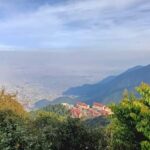
You’ll head to Sarangkot early to see the sunrise. From there, the plan highlights views of the Annapurna and Manaslu mountain regions and the Pokhara valley. If you’re dreaming of a Nepal sunrise view, this is the day to prioritize it—even if you normally hate early alarms.
Devi’s Fall (about 30 minutes)
This is a quick but memorable stop. The description focuses on the river originating from Phewa Lake cascading through a narrow gorge into the Seti River. Short time here works because it’s a focused sight rather than a long wandering museum.
Gupteswar Gupha (about 1 hour)
This is also known as Gupteswar Mahadev Cave, and it’s described as the longest cave of Nepal. Caves are one of those places where weather and crowds can change your experience, but the included time gives you space to actually see the interior rather than treating it as a photo sprint.
World Peace Pagoda (about 2 hours, short hike)
This is your big walk of the day. You’ll take a short hike to reach it, and the plan includes time there. The value here isn’t just the structure—it’s the act of walking up and using the effort to earn a different viewpoint than the lake-level sites.
How to enjoy this day: pace yourself. If you go hard from sunrise to caves to pagoda without breaks, you’ll feel it by afternoon. Bring a water plan and keep some energy for the hike.
Durbar Marg and Garden of Dreams: a calmer Day 7 break
Day 7 offers a contrast to the heavy sightseeing days. You’ll head to Durbar Marg (about 3 hours). This area is noted for clubs, pubs, bars, and Garden of Dreams nearby, plus easy wandering for shopping and downtime.
What I like about including a “city loosen-up” block is it gives you emotional recovery. You’ve already done temples, a road journey, safari-style time, and a full Pokhara day. Durbar Marg is the chance to eat something simple, browse, and let the day feel less like a checklist.
Admission here is noted as free for your time block, which is a nice bonus since you’ve already had several included sites earlier.
Where the money goes: $1,080 value with meals and activities
At $1,080 per person, this tour is positioned as a 4-star, structured package rather than a barebones budget ride. The value comes from the combination of what’s already included:
- 4-star accommodations for the trip
- Pickup offered and an airport drop on Day 8
- Multiple included meals: breakfasts (5), dinners (2), lunches (2)
- A long list of included activities and entrance fees across Kathmandu, Chitwan, and Pokhara
- Mobile ticket delivery and a confirmed plan structure
The big practical point for your wallet: when you’re traveling across three regions, costs stack up quickly if every entrance and transfer is pay-as-you-go. Here, many of the headline items are handled for you, so you’re less likely to be surprised by a pile of small extra payments.
One thing to keep straight: private transportation isn’t included. That doesn’t mean you’ll lack transport—it means you should expect the trip’s arranged group-style movement rather than a dedicated car just for your own pace.
For planning your additional spending, I’d budget for the parts not listed as included (extra drinks, personal shopping in Thamel, and anything outside the scheduled meals).
Who should book this 8-day Nepal route (and who might not)
This tour fits best if you want:
- A structured sampler of Nepal with Kathmandu culture + Chitwan nature + Pokhara scenery
- A guide-led approach that reduces guesswork
- A trip style that works well for people who travel solo, especially given the emphasis on safety and careful coordination in the feedback I’ve seen
- A small-group feel (max 30) where your questions won’t get lost
It may not be ideal if you:
- Want lots of free time every day, because this schedule is packed with specific blocks
- Hate early mornings, since Sarangkot sunrise requires getting moving before you’re fully awake in normal vacation mode
- Expect fully private, on-demand transport, since private transport isn’t included
Should you book it?
Yes, you should consider booking if you want the classic Nepal highlights without building an itinerary from scratch. The tour’s strength is that it’s not only scenic—it’s also organized, with guides and a plan that keeps you from wasting time. The Chitwan day, in particular, is the kind of active mix that usually justifies a mid-range price tag because you’re doing multiple components in one go: canoeing, a jungle walk, Tharu village time, and a jeep safari.
But if you’re the type who prefers long, slow days or you need total flexibility for every meal and stop, this might feel like too much motion. In that case, you may want a more flexible private itinerary.
If you like a guided plan, enjoy varied activities, and don’t mind a packed schedule, this is a strong, value-driven way to see three Nepal regions in one trip.
FAQ
What time does the tour start?
The start time is listed as 9:15 am.
Is pickup included?
Yes, pickup is offered.
What areas does the tour cover?
The trip is based in Kathmandu and includes sights there, then continues to Chitwan National Park and Pokhara, with an airport drop on the final day.
Are entrance tickets included?
For many of the listed stops, admission tickets are marked as included. Some stops are marked as free (like Thamel, Sarangkot sunrise, and Durbar Marg time block).
What meals are included in the price?
Breakfast is included 5 times, and dinner is included 2 times. Lunch is included 2 times.
Is private transportation included?
No, private transportation is not included.
How big is the group?
The tour/activity has a maximum of 30 travelers.
What is the cancellation refund window?
You can cancel up to 3 days in advance for a full refund. If you cancel within 3 days of the start, the amount paid is not refunded.