REVIEW · KATHMANDU
Everest Base camp Trekking
Book on Viator →Operated by Nepal Horizon Treks and Expedition Pvt. Ltd. · Bookable on Viator
Everest Base Camp tests your lungs. This 14-day Khumbu trek balances real Sherpa culture with tight logistics and high-altitude acclimatization, plus you get a licensed guide and essential gear rental. One consideration: you’ll need solid mountain readiness and the right paperwork—medical and emergency evacuation insurance is required, and meals/drinks aren’t included in the price.
I like that Nepal Horizon Treks and Expedition keeps things practical from day one: you land in Kathmandu, get picked up, and get a real briefing before the climbing starts. The route itself is a classic for a reason—Lukla flights, Sherpa villages, monasteries, and that steady grind upward toward Mount Everest.
Still, the mountains don’t care about your itinerary. If you’re not comfortable with moderate fitness demands and altitude pacing, this trek can feel like a long uphill conversation you don’t get to interrupt.
In This Review
- Key things that make this Everest Base Camp trek work
- Kathmandu start: comfort, briefing, and getting your bearings
- The Kathmandu to Lukla jump: exciting, but treat it with respect
- Phakding to Namche Bazaar: the climb that teaches pace
- Namche to Tengboche: monasteries, views, and a calmer rhythm
- Tengboche to Dingboche: higher altitude means higher expectations
- Dingboche to Lobuche: the push toward the Everest zone
- Tea houses, gear rental, and what’s really included
- Group size and guide quality: where small details matter
- Price and value: what $1,340 is really buying you
- Weather, altitude, and the simple things you must prepare for
- Should you book Nepal Horizon for Everest Base Camp?
- FAQ
- How long is the Everest Base Camp trekking itinerary?
- Where does the trek start and is pickup included?
- What is included in the trek price?
- What is not included?
- Do I need travel insurance for this trek?
- What if I need a non-English-speaking guide?
- What are the minimum age and fitness expectations?
- How many people are in a group?
Key things that make this Everest Base Camp trek work
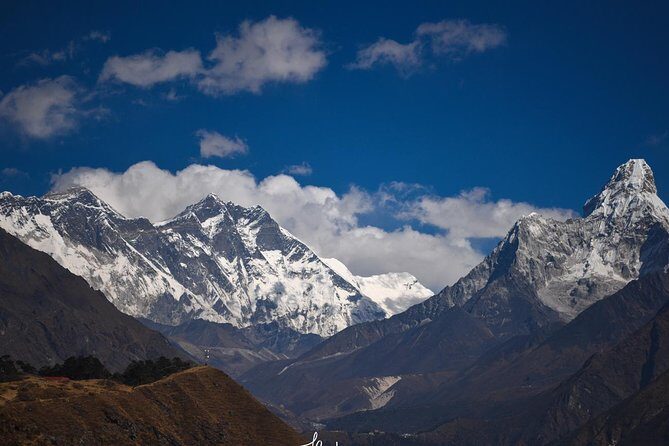
- Licensed professional guidance for the whole trekking period, with the guide’s food, lodging, salary, insurance, and trekking equipment handled
- Sherpa-focused route flavor, with villages, monasteries, and a day-to-day rhythm that includes acclimatization breaks
- Tea house stays with breakfast included (BB) during the trek period, plus national park fees/local taxes included
- Gear rental included, specifically one sleeping bag and a D. jacket (helpful if you’re packing light)
- Small group size (max 10 travelers), which makes the schedule feel less like a cattle call
Kathmandu start: comfort, briefing, and getting your bearings
Most Everest Base Camp treks win or lose on the first 24 hours. Here, you arrive in Kathmandu (Tribhuvan International Airport), meet a representative from Nepal Horizon Treks & Expedition, and transfer to your hotel. That matters because Kathmandu is busy, and you don’t want to spend your first evening sorting confusing details while your body thinks it’s vacation mode.
In the afternoon, there’s a trip discussion with trek leaders. This is where you learn how the trek will be paced, what altitude feels like day to day, and how decisions get made if the weather or your body needs a tweak. Then there’s a welcome dinner at a typical Nepali restaurant, often with cultural shows. It’s not just a warm-up meal—it’s a gentle way to understand the local world you’ll be walking through for two weeks.
What I like: your first day doesn’t feel vague. It’s structured around planning, not guesswork.
Watch-outs: the trek requires proof of insurance covering medical expenses and emergency evacuation. You’ll be asked to show it on the first day, so don’t assume you can submit it later.
You can also read our reviews of more hiking tours in Kathmandu
The Kathmandu to Lukla jump: exciting, but treat it with respect
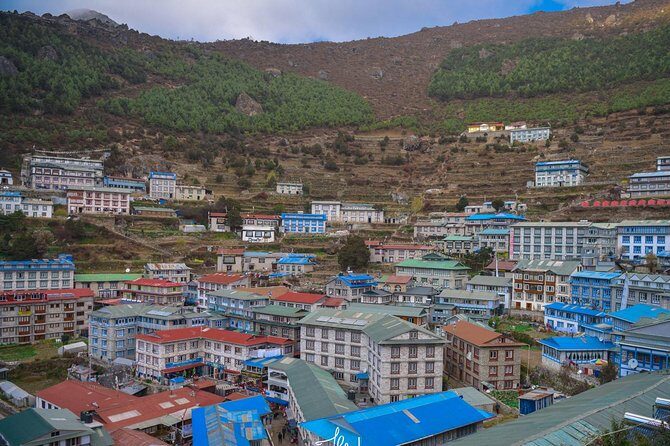
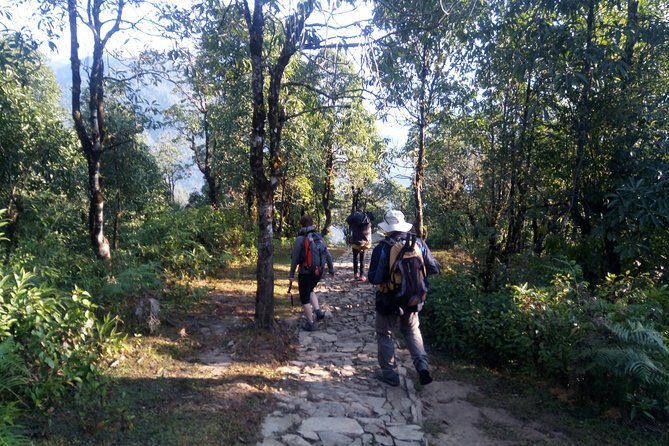
Day two starts with a flight from Kathmandu to Lukla, then trekking to Phakding. This is one of the defining parts of EBC treks: you trade a long road journey for altitude exposure that arrives fast. After the flight, you’ll walk about 8 km over roughly 3–4 hours to Phakding (around 2,651 m).
Phakding is a good early reset. You’re already in the Khumbu region, so the air will feel sharper and the views will start landing big, but you’re not yet at the highest, toughest elevations. That helps your legs and your breathing adjust without demanding peak effort on day two.
A practical note: the price includes the trek-side essentials, but it does not include meals and drinks. So budget for lunches and tea-house dinners along the route, and plan your spending in advance rather than letting it surprise you later.
Phakding to Namche Bazaar: the climb that teaches pace
Day three takes you from Phakding to Namche Bazaar (about 11 km, roughly 5–6 hours). Namche is around 3,438 m, and it’s the gateway town for the classic Everest corridor. This stretch is where many people feel the difference between “I can walk” and “I can walk slowly.”
That’s why Day four is an acclimatization day in Namche Bazaar. You get to stay put at around 3,440 m, which gives your body time to adapt while still seeing the area. Acclimatization days are not “extra sightseeing.” They’re part of the safety math of high-altitude trekking: you want your breathing and sleep to improve before continuing upward.
What I like: Namche’s acclimatization day is built into the schedule, instead of being something you’d have to argue into the plan once you’re already winded.
Consideration: if you push hard on trekking days early, acclimatization won’t fully rescue you. The good news is the itinerary’s pacing is designed to help you avoid that mistake.
Namche to Tengboche: monasteries, views, and a calmer rhythm
Day five goes from Namche Bazaar to Tengboche (about 10 km, around 5–6 hours). You’ll reach roughly 3,870 m. Tengboche is known for Buddhist monasteries in the Khumbu region, and this stop gives the trek its spiritual and cultural texture—not just the view photos.
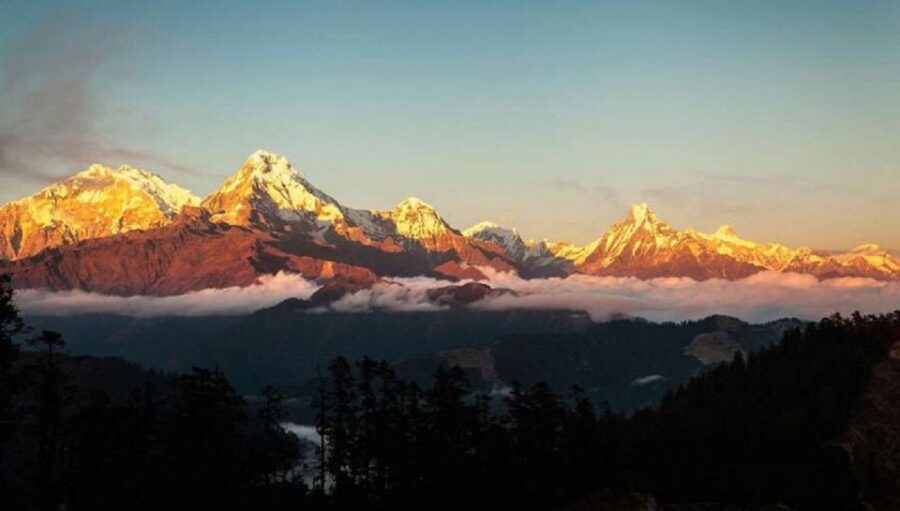
You’re walking through Sherpa villages and past the kind of daily life that makes the route feel inhabited, not staged. And you’ll still be rewarded with Himalayan panoramas as the valley opens and the peaks grow more imposing.
One drawback for some people: longer days at altitude can feel slow even when the walking time is normal. On this trek, that’s the point. You’re training your effort level to match elevation.
Tengboche to Dingboche: higher altitude means higher expectations
Day six is Tengboche to Dingboche (about 9 km, roughly 5–6 hours), rising to around 4,360 m. This is a noticeable jump. The trek’s scenery becomes more dramatic and the air becomes less forgiving.
Then comes another acclimatization day at Dingboche on Day seven. At around 4,360 m, this is a key pause point. It gives you time to settle in, walk gently, and avoid the classic mistake of trying to “make up for lost time” because you feel behind.
What I like: repeated acclimatization days on the itinerary show the operator is thinking about altitude realities, not just covering distance.
Dingboche to Lobuche: the push toward the Everest zone
Day eight takes you from Dingboche to Lobuche (about 7 km, 5–6 hours), climbing to around 4,940 m. Fewer kilometers, but don’t let that fool you. At higher altitude, even small distances can feel like bigger climbs.
By now, the trekking mood shifts. People slow down. Conversations get shorter. You start listening more to your body. Tea house stops matter more too, because you’ll be planning your day around rest, warm drinks, and sleep quality.
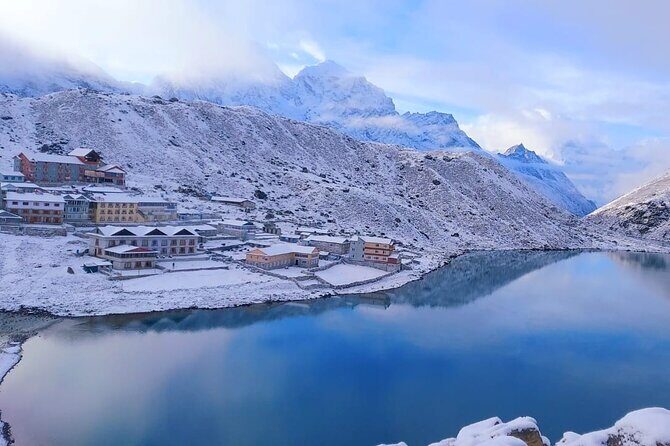
Day nine brings a big milestone: trekking to Gorak Shep (about 5,170 m) and then visiting Everest Base Camp from there. Your provided info notes Gorak Shep and an Everest Base Camp visit, but it cuts off the altitude figure in the text. Still, the overall structure is clear: you go high, then you reach base camp as part of the day’s work.
Tea houses, gear rental, and what’s really included
This trek includes 10 nights of accommodation with a BB plan (breakfast included) in tea houses during the trekking period. You’ll also get one sleeping bag and a D. jacket on rent. That can be a real value if you’re traveling with limited luggage or you don’t want to buy equipment for one trip.
National park fees and local taxes are included too. Those charges can be one of the quieter budget surprises on treks, so it’s good they’re already folded into the cost.
What’s not included is equally important: meals and drinks are not covered. Tips for guide/staff are not included either, and travel insurance plus Nepal visa fees are also not included. When you’re budgeting for EBC, meals aren’t optional—you’ll pay for them either in cash or by planning ahead. So treat the listed price as “trek infrastructure,” not “everything you’ll consume.”
Group size and guide quality: where small details matter
This is a max-10 traveler trek, which makes a difference when you’re hiking at altitude and trying to keep a steady pace. Smaller groups tend to move more smoothly through tea houses, sidestops, and rest breaks.
The reviews for Nepal Horizon Treks and Expedition are heavy on service and people. You might meet Dip or Dipendra during setup in Kathmandu (often described as friendly and professional), and you could be trekking with guides such as Raju or DB, with porter support like Yambo. One theme is that the team is hands-on before the trek, during it, and after it—helping with the kinds of small issues that can derail a first-time trek.
There’s also a practical language note in the deal: if you want a guide who is not English-speaking, there’s an extra cost of USD 250 per group. If you’re fine with English as a default, that keeps your budget cleaner.
Price and value: what $1,340 is really buying you
At $1,340 per person for about 14 days, this trek prices itself as a middle-ground option: not the cheapest barebones style, and not a high-end private expedition.
Here’s what supports the value:
- Guide costs covered: the professional guide’s food, accommodation, salary, insurance, and trekking equipment are included.
- Park fees and local taxes included, so you’re not hunting down add-ons later.
- 10 tea house nights with breakfast included, which reduces daily decision fatigue.
- Sleeping bag and D. jacket rental, which can save you buying gear you’ll barely use again.
The trade-off is you still need to pay for meals and drinks, travel insurance, and visa fees. If you already plan to budget for a lot of warm meals on the trail, that’s normal. If you’re trying to keep daily spending extremely low, those exclusions will matter.
Also, the itinerary includes multiple acclimatization days. That usually costs time (not money), but it can be a big deal for your experience and safety.
Weather, altitude, and the simple things you must prepare for
The Khumbu is beautiful, but it’s still high altitude. This tour explicitly asks for travelers with moderate physical fitness, and it sets a minimum age of 10 years. That tells you the operator is thinking about who can handle the trek rhythm.
Your biggest preparation items, based on the tour rules:
- Get travel insurance that covers medical expenses and emergency evacuation.
- Plan for cold nights—tea houses are basic, and you’ll rely on the included sleeping bag rental and warm layers.
- Bring your Nepal arrival flight details so the pickup and schedule match your actual arrival.
And mentally: expect slow walking days. The trek is designed around acclimatization, so it’s not about speed. It’s about staying functional enough to enjoy the Sherpa villages, monasteries, and the bigger-than-life Everest corridor.
Should you book Nepal Horizon for Everest Base Camp?
I’d book this trek if you want a well-structured EBC route with acclimatization built in, a small group size (max 10), and a setup where key costs are already included: tea house nights with breakfast, park fees, and a licensed guide with equipment support.
Skip it or think twice if:
- you don’t have insurance that meets the emergency evacuation requirement
- you’re not comfortable with moderate fitness and slow altitude pacing
- you hate paying for meals/drinks separately and want an all-inclusive food plan
If you’re a first-time trekker to Nepal, this kind of guided structure is a confidence boost. And if you’re returning, it still helps to have the logistics handled while you focus on walking, breathing, and enjoying that long, unforgettable approach to Everest.
FAQ
How long is the Everest Base Camp trekking itinerary?
The trek is listed as 14 days (approx.).
Where does the trek start and is pickup included?
You start in Kathmandu, with hotel pickup and drop-off included. You’ll also be transferred from Tribhuvan International Airport to your hotel.
What is included in the trek price?
Included are 10 nights of accommodation with breakfast (BB) in tea houses during the trekking period, sleeping bag and a D. jacket on rent, national park fees/local taxes, a licensed professional guide (including his food, accommodation, salary, insurance, and equipment for the trek period), and hotel pickup/drop-off.
What is not included?
Meals and drinks are not included. Travel insurance, Nepal visa fees, and tips to guide/staff are also not included.
Do I need travel insurance for this trek?
Yes. Travel insurance that covers medical expenses and emergency evacuation is required, and proof must be shown to the tour leader on the first day.
What if I need a non-English-speaking guide?
There is an extra USD 250 per group if hiring a guide who is different than English speaking.
What are the minimum age and fitness expectations?
The minimum age is 10 years, and the tour notes travelers should have a moderate physical fitness level.
How many people are in a group?
This tour has a maximum of 10 travelers.