REVIEW · KATHMANDU
Everest Base Camp Trek
Book on Viator →Operated by Himalayan Holyland Treks and Expedition · Bookable on Viator
Your first Everest glimpse comes fast. This 12-day route sends you from Kathmandu to Lukla by air, then builds up to the big sights of Sagarmatha National Park, with Kala Patthar as the high point for views. I like that it’s structured like a true mountain trip—acclimatization, steady altitude gains, and a clear return plan—so you’re not just walking until you collapse.
Two things I especially like: the focus on Kala Patthar (the key viewpoint for the Everest region), and the practical porter service setup (2 trekkers to 1 porter). The itinerary also keeps you in tea houses with included meals, which matters because food and rest at altitude are not an afterthought.
One consideration: the Lukla flying day is weather-dependent and can feel stressful. If you’re nervous about small-aircraft flights, go in with a calm plan, because that initial 25-minute leg sets the tone for Day 1.
In This Review
- Key highlights you’ll care about
- Is the $2,500 price fair for Everest Base Camp?
- Kathmandu start: a 5:15 am plan that saves your trip
- Day 1: Kathmandu to Lukla flight, then Phakding at 2,650 meters
- Day 2: Phakding to Namche Bazaar (around 6 hours at 3,440 meters)
- Day 3: Acclimatization in Namche (you need this day)
- Day 4: Namche to Tengboche (about 5 hours, monastery day)
- Day 5: Tengboche to Dingboche (about 5 hours at 4,400 meters)
- Day 6: Dingboche to Lobuche (about 4–5 hours, 4,910 meters)
- Day 7: Gorakshep, then Everest Base Camp and back
- Day 8: Kala Patthar early push and then Lobuche
- Day 9: Trek down toward Tengboche (about 5.5 hours)
- Day 10: Tengboche to Monjo via Namche (about 6 hours)
- Day 11: Manjo to Lukla and back (about 5 hours)
- Day 12: Lukla flight back to Kathmandu, then Thamel time
- What’s included, and where costs sneak in
- The guide and support factor (names to look for)
- Who should book this Everest Base Camp trek
- Should you book this tour?
- FAQ
- Where does the Everest Base Camp trek start?
- What time is the meeting point on Day 1?
- How many days is the trek?
- What transportation is included in Kathmandu and for flights?
- What type of accommodation and meals are provided during the trek?
- Is porter service included?
- Is Kala Patthar included?
- What is not included in the tour price?
- How does cancellation work?
Key highlights you’ll care about
- Kala Patthar is built into the trek as the main viewing push, not an optional add-on
- Private tour for your group only, so the pace and calls feel more controlled
- Tea house accommodation + 3 meals per trek day, plus hot soup in higher places
- Porter ratio of 2 trekkers to 1 porter, which makes the steep sections more manageable
- Airport pickups by private vehicle for both international and domestic connections
- Guide and porter insurance included, plus a completion certificate and trekking map
Is the $2,500 price fair for Everest Base Camp?
$2,500 is not a bargain. But it can be good value if you compare it to what you’re actually getting: a guided trek through Sagarmatha National Park with transportation as per the itinerary, private airport transfers in Kathmandu, tea house stays, and included meals.
Here’s where the cost makes sense for many people:
- You’re not just paying for walking. You’re paying for the whole machine: flights (Kathmandu to Lukla and back), local logistics, and a professional guide.
- The tour also includes the porter setup (2 trekkers : 1 porter) and insurance for guide and porters, which reduces stress when you’re far from home.
- You get real trip extras too: a trekking map, a completion certificate, a company T-shirt, and a farewell dinner in Kathmandu.
What will make the final number climb:
- Nepal visa and your international flights are on you.
- Your own travel and rescue insurance is not included.
- Personal costs are not included (hot shower, battery charge, laundry, bar bills, and water).
So the value question is simple: if you want a guided, supported EBC trek where the big logistics are handled, the price can feel reasonable. If you’re trying to self-arrange everything, this won’t be the cheapest route.
You can also read our reviews of more hiking tours in Kathmandu


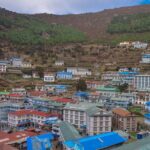
Kathmandu start: a 5:15 am plan that saves your trip
The trip starts at Tribhuvan Airport in Kathmandu at 5:15 am. That early start is not random—it helps you catch the domestic connections smoothly and prevents last-minute rushing.
You’ll also get private pickup and drop in Kathmandu:
- Private vehicle for international flight connections
- Private vehicle for domestic flight connections
That’s a small thing until you’re exhausted, jet-lagged, and trying to find the right desk at a busy airport. Here, you’re met and moved.
One more practical point: the company offers a mobile ticket. That can make it easier to keep track of key parts of your route—useful when your days get very schedule-driven.
Day 1: Kathmandu to Lukla flight, then Phakding at 2,650 meters
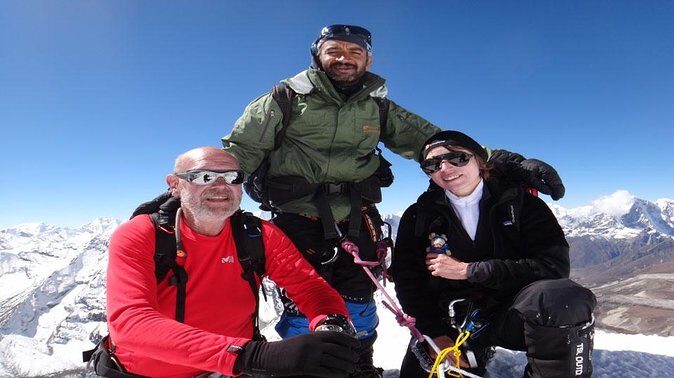
Day 1 is the classic Everest shock-and-calm sequence: you fly from Kathmandu to Lukla (about 25 minutes), then trek to Phakding (about 3 hours). The day is relatively short on paper, but it’s intense mentally because the plane is your gateway.
After landing, you’re in the Everest region right away. The plan includes sightseeing for some time, so you’re not immediately thrown into a long slog.
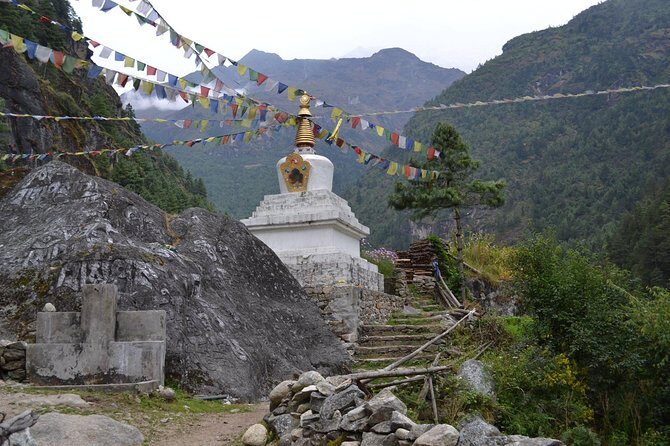
Then you walk toward Phakding at about 2,650 meters. Expect a mix of forest and cultural stops: the route passes Buddhist monasteries and local trails, and if the weather is clear you may catch views like Kanguru Peak.
Why this day matters:
- It gets your legs moving without pushing altitude too hard.
- It helps you settle into the pace before the real climbing starts.
Day 2: Phakding to Namche Bazaar (around 6 hours at 3,440 meters)
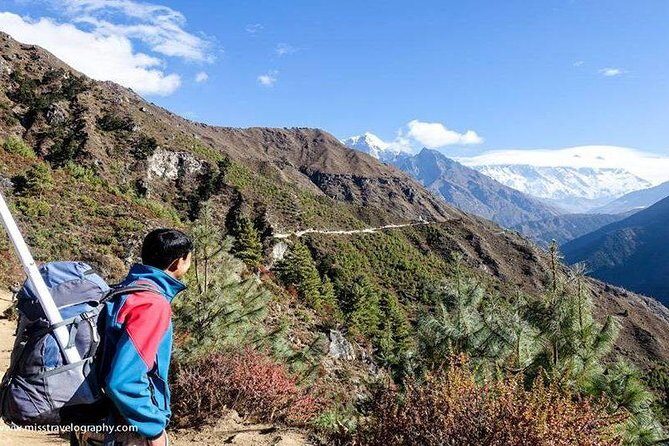
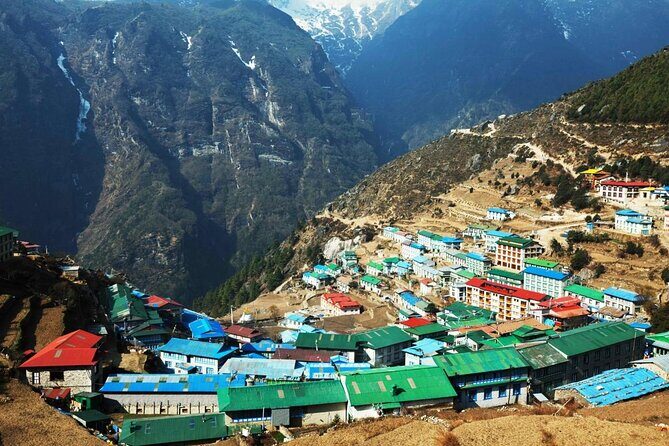
Day 2 is where the trek starts to feel like a trek. You’ll cover about 6 hours to reach Namche Bazaar at 3,440 meters.
The route moves through villages, waterfalls, and river valleys. You’ll also have a planned lunch stop around Monjo or Jorsalle, and you may get a view of Mount Everest from Top Danda near Namche Bazaar.
What I like about arriving at Namche: it’s not just a waypoint. It’s a real altitude checkpoint town where you can breathe, eat well, and reset before the next stage.
One thing to consider: this is the first longer day. If you came from sea-level or you’re still tired from travel, keep your effort steady. You’re gaining altitude fast enough that pacing matters more than speed.
Day 3: Acclimatization in Namche (you need this day)
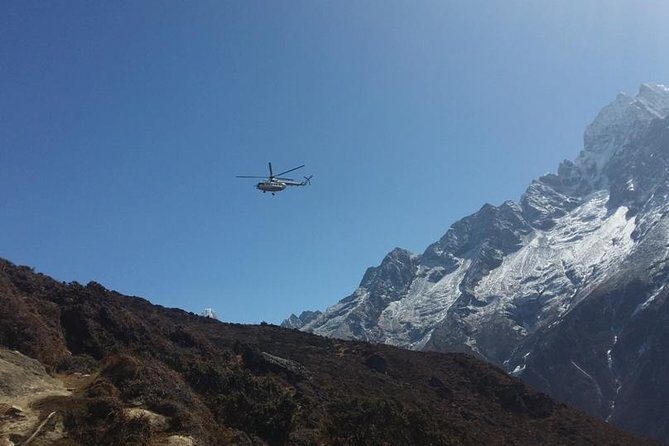
Day 3 is an acclimatization day in Namche Bazaar. This is one of the most valuable parts of the itinerary, because it gives your body time to adjust.
You’ll explore Namche Bazaar and hike to options around the area such as Kusum Kanguru, Taboche peak, Khonde peak, Everest View Point, and more. There’s also time for shopping and cultural context, including a Sagarmatha National Park museum.
Why this day is worth protecting:
- It reduces the odds of feeling wrecked later.
- It also makes you less dependent on perfect weather later, because you still get viewpoints today.
This is also where your guide’s pacing and advice matter most. Ask questions about your symptoms, hydration, and how hard you should push on the remaining days.





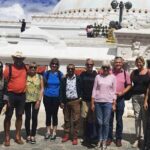
Day 4: Namche to Tengboche (about 5 hours, monastery day)
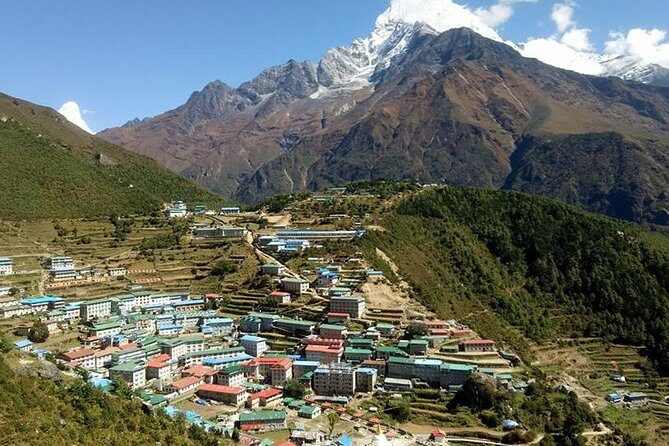
Day 4 goes from Namche Bazaar to Tengboche in about 5 hours, reaching around 3,860 meters. The trail crosses rhododendron forest and follows river edges for stretches.
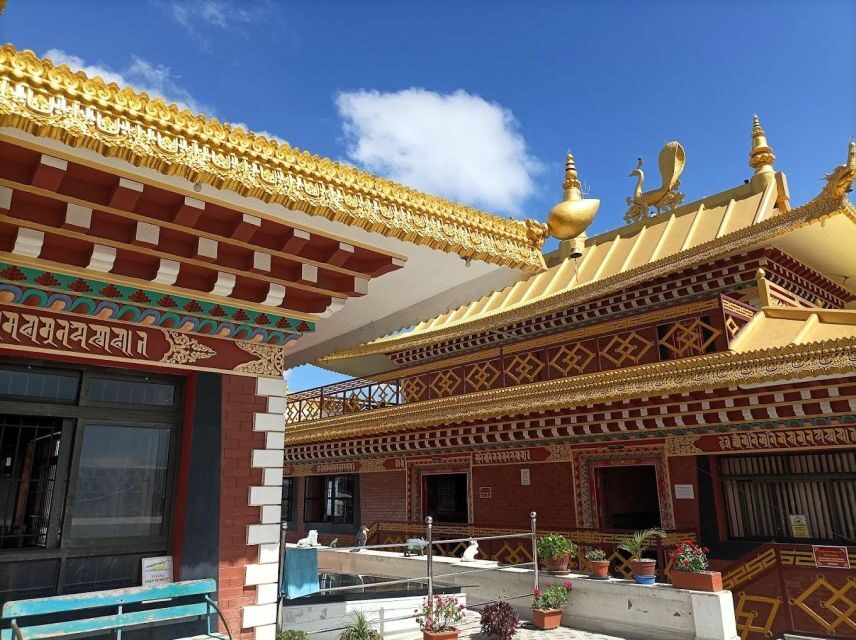
The main attraction is Tengboche monastery. You’ll visit it and see monks and locals keeping traditions alive in a place most people only know from maps and climbing documentaries.
The upside of this day:
- The walking is manageable compared to later legs.
- You get a clear cultural anchor, not just altitude and stone.
The tradeoff:
- Tengboche days are atmospheric and emotional for many people, and it’s easy to get distracted. Keep moving at a reasonable pace so you’re not overly tired the next day.
Day 5: Tengboche to Dingboche (about 5 hours at 4,400 meters)
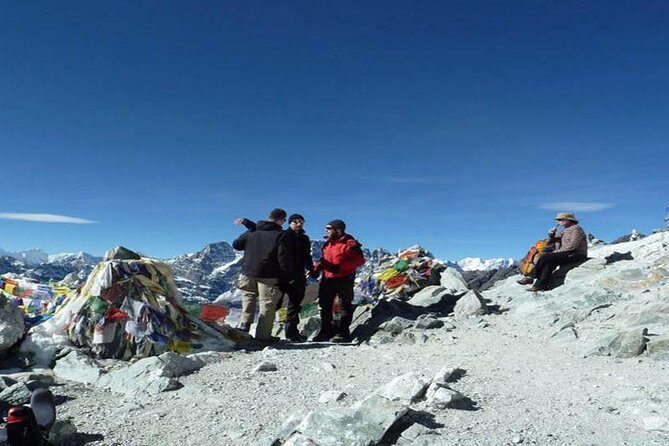
Day 5 climbs to Dingboche, around 4,400 meters, in about 5 hours. The day includes planned meals on the way (breakfast at Tengboche, lunch at Pangboche or Somare, dinner in Dingboche).
You also get more iconic mountain views in this section, including scenes around Nuptse and peak names referenced along the route. It’s the shift from “nice trek scenery” into “this is serious high-country walking.”
This is where you’ll likely start feeling that the day is shorter even when the hours are similar. Take it slow and steady. Altitude makes the same climb feel different.
Day 6: Dingboche to Lobuche (about 4–5 hours, 4,910 meters)
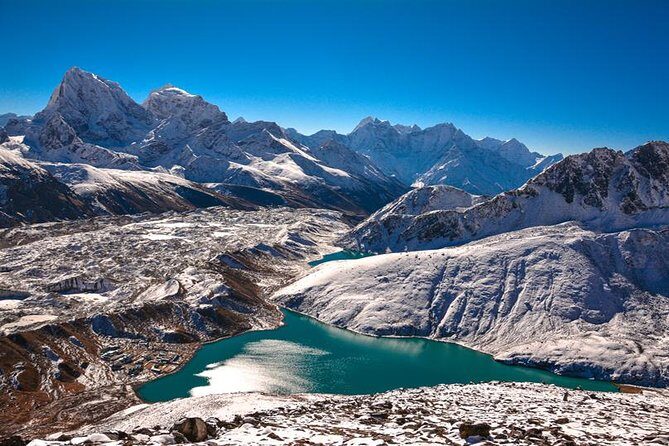
Day 6 heads to Lobuche at about 4,910 meters, with the provided plan putting this around 5 hours. The route is known for clear views of dramatic peaks like Nuptse, Island peak, and surrounding ridgelines.
The important part here isn’t just the views. It’s that you’re getting higher and spending nights in a tougher altitude zone. The itinerary keeps this day shorter than the big pushes to Base Camp and Kala Patthar, which helps you save energy.
Tip from the overall structure: don’t try to turn every day into a personal best. The trip is designed so that your hardest moments come later.
Day 7: Gorakshep, then Everest Base Camp and back
Day 7 is a turning point. You trek from Lobuche to Gorakshep in about 3.5 hours (arriving around 5,150 meters). Then you hike onward to Everest Base Camp and back to Gorakshep.
The plan describes lunch in Gorakshep, then a hike that includes a small glacier, a lake, and arrival at Base Camp at 5,364 meters.
This day is the one people talk about for a reason. Base Camp is not just scenery—it’s a mental milestone. You’re standing at the doorstep of the expedition route, surrounded by the scale of the Khumbu glacier.
One practical consideration: this is a long day even when it’s split into segments. Bring energy into the morning so you’re not forced to rush on the way back.
Day 8: Kala Patthar early push and then Lobuche
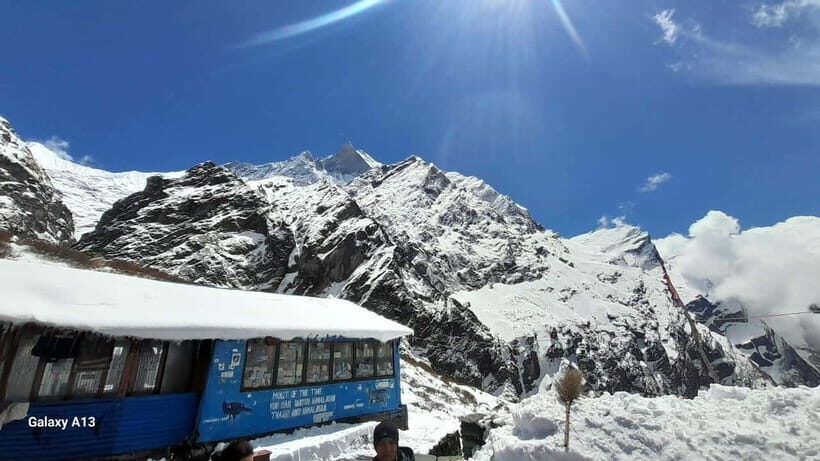
Day 8 is your Kala Patthar day. You hike very early to reach Kala Patthar (the key viewing platform described for the best Everest-region panoramas), then descend down to Gorakshep for breakfast before continuing to Lobuche.
The day is described as about 3 hours up to Kala Patthar, then about 2.5 hours down to Lobuche.
Why Kala Patthar matters in real life:
- It’s where the Everest region views are most concentrated.
- It helps you see the big picture: peaks, ridges, and the geometry of the Khumbu area in one sweeping viewpoint.
The tradeoff is obvious: early start. If you’re the type who runs on a late-night schedule, adjust your expectations now. You’ll be living by the trekking clock.
Day 9: Trek down toward Tengboche (about 5.5 hours)
Day 9 is a descent day back to Tengboche, about 5.5 hours. You stop along the way for lunch around Pangboche and Deboche villages, and the day includes monasteries, stupas, bridges, and rivers.
Descending can feel like a victory. But it still takes work on your knees and thighs—especially after you’ve done two big height days (Base Camp and Kala Patthar).
This is a day to move carefully and not skip rest just because the map shows downhill.
Day 10: Tengboche to Monjo via Namche (about 6 hours)
Day 10 takes you from Tengboche to Monjo in about 6 hours, passing through rhododendron forest and stopping for lunch in Namche Bazaar. The route also goes via Jorsalle village on the way to Monjo.
This day matters because it’s a bridge between high-country fatigue and that feeling of being near civilization again. Namche gives you familiar points, but you still have altitude in the background.
If you’re thinking ahead, this is a good day to focus on comfort: hydrate, eat on schedule, and don’t let sore spots get ignored.
Day 11: Manjo to Lukla and back (about 5 hours)
Day 11 is about 5 hours from Manjo to Lukla. You’ll walk a descending trail and cross the Dudh Koshi River via a suspension bridge, then continue alongside the route back toward Phakding and Lukla.
You’ll stay in elevated Lukla overnight.
This is the day to treat as real travel time, not just a walk home. Your final flight depends on schedule and conditions, and the better you feel, the more you can handle that final logistics block.
Day 12: Lukla flight back to Kathmandu, then Thamel time
On Day 12, you fly Lukla to Kathmandu (about 25 minutes). Your final transfer in Kathmandu is done by escort to a hotel via private car.
You can then explore Thamel after refreshing. The plan also includes a farewell dinner in Kathmandu earlier in the trip structure, so you’ll have a proper send-off before the end.
The best way to think about Day 12: it’s not another trekking day. It’s the reset day—shower, stretch, and reflect while the mountains fade from your daily routine.
What’s included, and where costs sneak in
Here’s the practical breakdown of what you’re covered for:
- Airport pickup and drop by private vehicle for both international and domestic connections
- Tea house accommodation during the trek
- Three meals per trek day
- Hot soup in high places
- Farewell dinner in Kathmandu
- Transportation as per the itinerary
- Professional guide for trek and sightseeing
- Porter service with 2 trekkers : 1 porter
- Insurance for guide and porters
- Government and local taxes
- Trip completion certificate, trekking map, and a company T-shirt
What you should plan to pay personally:
- Nepal visa
- International flight to and from Kathmandu
- Your own travel and rescue insurance
- Personal costs (hot shower, battery charge, laundry, bar bills, water)
- Tips for your guide and porters
- Extra Kathmandu nights outside the planned itinerary
Also note the trek is described as private for your group only. That means less time waiting around with strangers, but also fewer social “buffer moments” if you’re traveling alone.
The guide and support factor (names to look for)
The provider’s support style is consistent in the way guides were praised in provided feedback. People named Ajay and Jangbu were singled out for staying attentive and present during the overall journey experience.
Even if you don’t end up with the same individuals, it tells you something about how the team runs: the human part is not an afterthought. For a trek like this, that matters. You’re making dozens of small decisions under fatigue and altitude pressure.
Who should book this Everest Base Camp trek
This trek fits best if you:
- Have moderate physical fitness and are comfortable with a multi-day altitude trek
- Want a structured route that prioritizes acclimatization and a major viewpoint day (Kala Patthar)
- Prefer guided logistics over figuring out routes, meals, and mountain support yourself
- Like the idea of tea house meals included and porter support reducing the load
You might think twice if:
- You strongly dislike flying legs, especially the Lukla hop
- You don’t want to budget for personal costs and tips
- You’re looking for a light, casual walk. Even with porter support, this is still serious trekking.
Should you book this tour?
I’d book it if you want a classic, guided Everest Base Camp trek that treats altitude and pacing as part of the plan—not luck. The included meal setup, porter ratio, and private airport transfers are the kinds of details that quietly protect your energy for the real work: walking to Base Camp and climbing Kala Patthar.
I’d pause if $2,500 is stretching your budget and you’re not ready for the extra costs (visa, international flights, your own insurance, personal items, and tips). Also pause if the idea of Lukla flights makes you anxious. That’s the biggest “watch out” item in the whole schedule.
If you’re clear-eyed about those points, this is the kind of Everest trek you can do with confidence and a steady head from first flight to final transfer back to Kathmandu.
FAQ
Where does the Everest Base Camp trek start?
The start is at Tribhuvan Airport in Kathmandu, Nepal.
What time is the meeting point on Day 1?
The listed start time is 5:15 am at Tribhuvan Airport.
How many days is the trek?
The duration is about 12 days.
What transportation is included in Kathmandu and for flights?
You get airport pickup and drop in a private vehicle for both international flights and domestic flights, plus transportation as per the itinerary. Flights include Kathmandu to Lukla (about 25 minutes) and Lukla back to Kathmandu (about 25 minutes).
What type of accommodation and meals are provided during the trek?
The trek includes tea house accommodation during the trek and three meals per trek day. Hot soup is also included in the high places.
Is porter service included?
Yes. Porter service is included with a ratio of 2 trekkers to 1 porter.
Is Kala Patthar included?
Yes. You climb up to Kala Patthar on Day 8 for the best Everest region views.
What is not included in the tour price?
Not included are Nepal visa, international flights to and from Kathmandu, travel and rescue insurance of clients, personal expenses (hot shower, battery charge, bar bills, laundry service, and water), extra nights in Kathmandu outside the itinerary, and tips for your guide and porters.
How does cancellation work?
You can cancel for a full refund if you cancel at least 24 hours before the experience’s start time. If you cancel less than 24 hours before, the amount you paid is not refunded.