REVIEW · ANNAPURNA BASE CAMP
Helicopter tour to Annapurna Base Camp from Pokhara -1 Day
Book on GetYourGuide →Operated by Alpine Club of Himalaya · Bookable on GetYourGuide
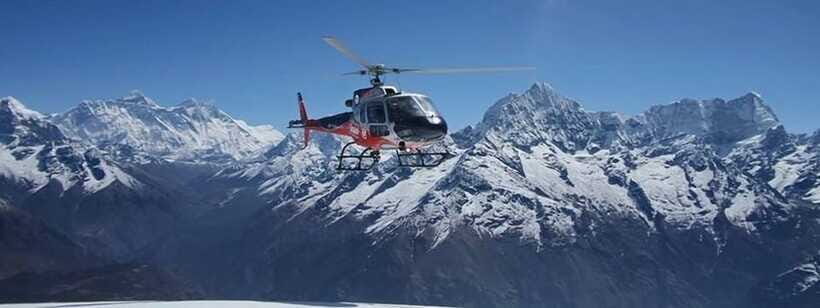
One flight can replace days of walking. This Annapurna Base Camp helicopter tour from Pokhara puts you above the Annapurna region’s big hitters fast, with peaks, glaciers, and valleys spreading out below. I love that the route reads like a highlight reel, passing famous faces such as Annapurna I–IV, Machhapuchhre, and Dhaulagiri while you also catch gorges and villages from a bird’s-eye view.
I also like the quick moment at 4,130 m Annapurna Base Camp for a tea or breakfast break plus photos, without the physical grind of trekking. The main consideration is that the on-site time is short and weather can change the plan, including a backup landing at Mardi Himal Base Camp or rescheduling the flight.
In This Review
- Key Things You’ll Notice on This Helicopter Day
- Why Helicopter Time at Annapurna Feels Different Than Trekking
- Your Starting Point in Pokhara: Pickup Options and a Simple Flow
- The Flight Route: What You’ll See Headed Toward ABC
- Modi River Valley and Rhododendron Forests: The Color Below the Peaks
- Landing at Annapurna Base Camp: Short Time, Big Meaning
- The Return Flight: Watching Valleys Flow Back Into View
- Weather Planning: ABC vs Mardi Himal and Reschedules
- Price and Value: Is $640 Worth It?
- Service Style: Alpine Club of Himalaya and Sujan’s Help
- What’s Included (and What You Should Plan to Pay For)
- Who This Tour Suits Best (and Who Should Skip It)
- The Honest Bottom Line: Should You Book This Helicopter Day?
- FAQ
- How long is the helicopter tour from Pokhara?
- Where can I be picked up in Pokhara?
- Will the helicopter land at Annapurna Base Camp?
- What if weather is not good enough to land at ABC?
- How much time do I get at Annapurna Base Camp?
- Is this helicopter flight private?
- What’s included in the price?
- What should I bring?
- Are pets allowed on this tour?
Key Things You’ll Notice on This Helicopter Day
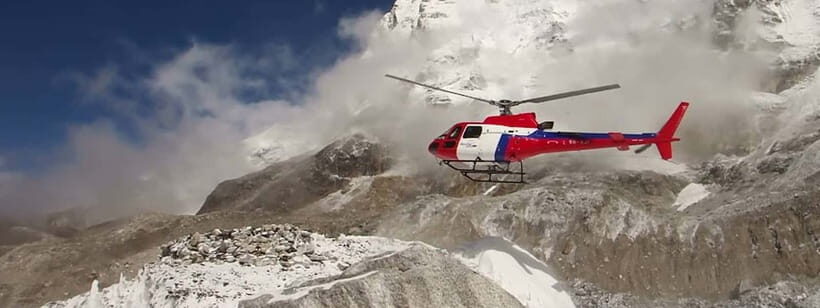
- Panoramic peak views on one pass with Annapurna I–IV, Machhapuchhre, and Dhaulagiri in sight
- Deep gorge and valley angles you cannot get from the trail
- Modi River Valley + rhododendron forests adding color and texture below the flight path
- A short Annapurna Base Camp stop at 4,130 m for photos and a quick break
- Weather-dependent routing with Mardi Himal Base Camp as a possible landing option
Why Helicopter Time at Annapurna Feels Different Than Trekking
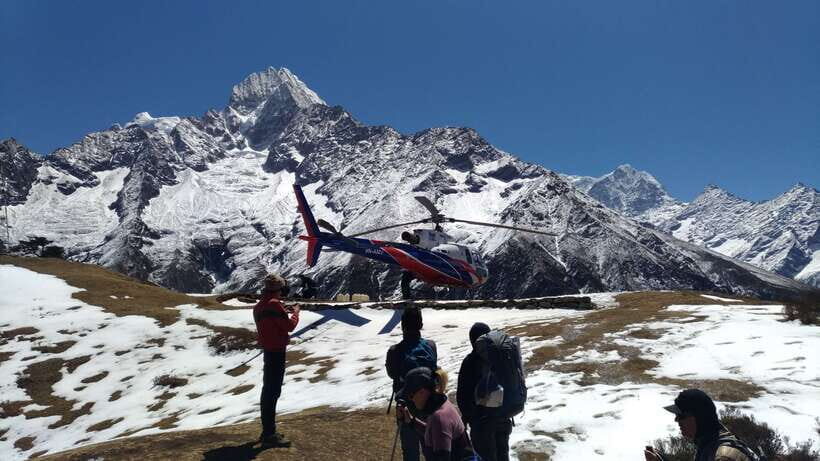
Let’s be honest: Annapurna Base Camp usually means days of walking, sore legs, and a slow climb into the mountains. This tour flips that script. You still get the core payoff—looking down at Annapurna Base Camp and seeing the high ranges that people come for—but you do it from the air, starting and ending in Pokhara.
What makes it interesting is how much you can compress. In a short day, you get aerial context: you see how rivers cut through valleys, where forests spread out, and how the mountain wall layers stack up. From ground level, you only understand one slice at a time. From above, everything connects fast—especially the way the region’s valleys and ridges channel your attention toward the big summits.
Also, this is a practical fit if you’re traveling with limited time or you simply don’t want to spend multiple days on a demanding trek. The pitch of “luxury without trekking” isn’t just marketing. A helicopter day can be a sanity-saving option when you want the Himalayan feeling but don’t have the bandwidth.
Your Starting Point in Pokhara: Pickup Options and a Simple Flow
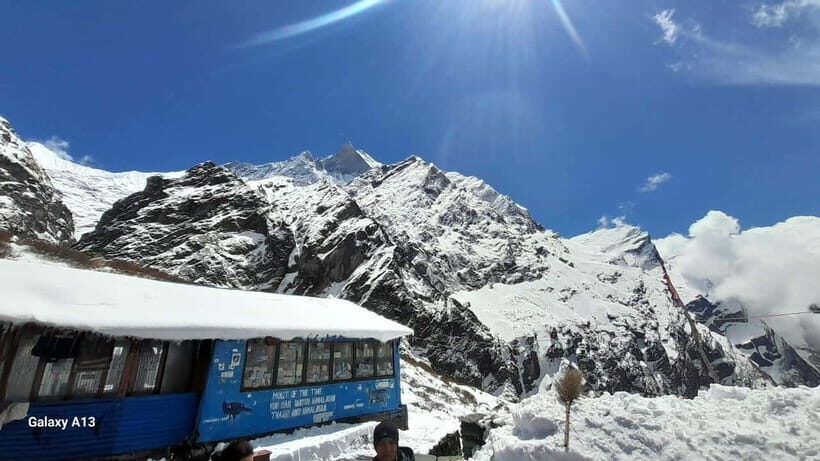
The tour is built around convenient pickup in Pokhara. You’ll get collected from one of three locations: Lakeside, Pokhara International Airport (PIA), or Hotel Splendid View. Drop-off follows the same idea on the way back: PIA, Hotel Splendid View, or Lakeside.
That matters more than it sounds. In Nepal, getting stuck in city traffic can eat up your day. Having clear pickup zones keeps the schedule predictable so you can focus on the flight.
The tour also runs on an easy rhythm: transfers to the airport, the helicopter segment, then the return to Pokhara. If you’re the type who likes a clean plan—one day, one main activity—this setup is straightforward.
The Flight Route: What You’ll See Headed Toward ABC
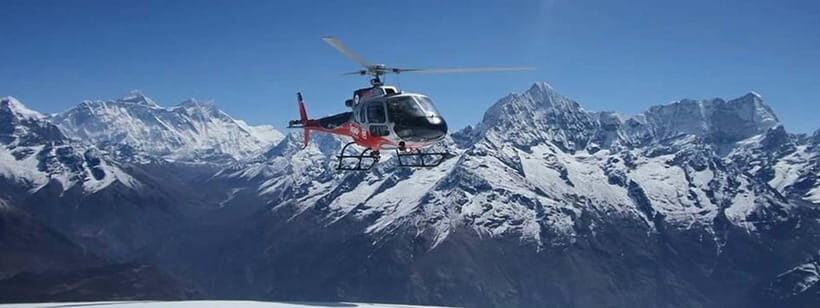
Once you’re airborne from Pokhara, the flight to Annapurna Base Camp typically takes about 20 minutes. Your route is described as parallel to the northern Himalayan range and heading east, which is why the views feel so “aligned” instead of random.
During this part, you’re not just looking at mountains—you’re reading the terrain:
- Snow-capped peaks and glaciers appear in layers
- Moraines and river valleys show up as distinct shapes
- Villages and terraced farmland pop into view, giving you a sense of how people live right alongside steep terrain
One highlight you should expect is the aerial look down over the deepest gorge in the region. From the ground, a gorge can feel like a barrier. From above, it becomes a dramatic map feature—dark cuts in the earth that make the surrounding ridges feel even higher.
And yes, you’ll get the big named summits: Annapurna I, II, III, IV, plus Machhapuchhre and Dhaulagiri. Seeing that many famous peaks in one day is exactly what makes this route popular for people who want “wow” without a long itinerary.
Modi River Valley and Rhododendron Forests: The Color Below the Peaks
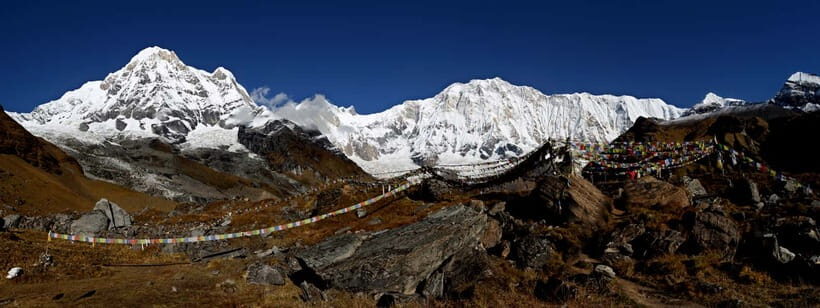
The Himalayan drama is the obvious draw, but I think the trip really earns its keep in the middle of the flight, when you’re passing through softer terrain.
You’ll fly over the Modi River Valley, and that area is known for lush greenery—so instead of only rock and snow, you get motion through valleys and dense vegetation. Add in rhododendron forests and you’ll often see textures that feel almost impossible to describe until you’re looking at them from above.
This part is great for photos, but it also helps your brain. When you see rivers and forest patches below the mountains, the whole Annapurna region stops looking like one big wall. You understand it as a working landscape—life, water, and seasons arranged under the peaks.
Landing at Annapurna Base Camp: Short Time, Big Meaning
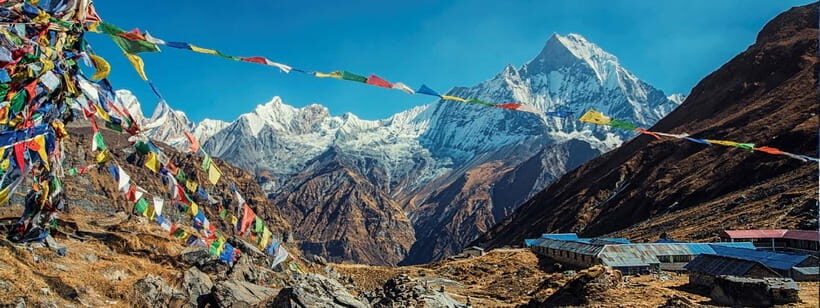
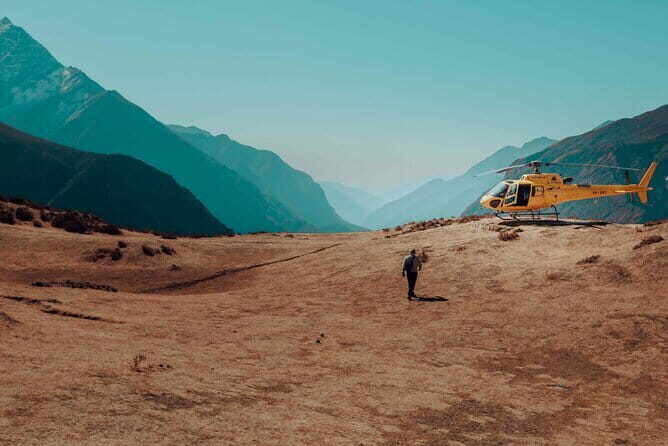
Annapurna Base Camp sits at an elevation of 4,130 meters (13,550 feet). That’s high enough that it deserves respect, even if you’re only there briefly.
After you land, you typically get 15–30 minutes to explore and take pictures, plus a break option like tea or breakfast. You might see this described as “sightseeing” in the schedule, but the core idea stays the same: the stop at altitude is short for a reason—extended stays aren’t recommended due to the risk of altitude sickness.
Here’s the practical takeaway: use that time like a checklist.
- Take your main photos first, while the angles are clean
- If you want a snack or drink, do it early so you’re not rushing at the end
- Don’t treat the base camp moment as a hangout; treat it as a photo-and-breathing pause
Also, because you’re arriving by helicopter, you won’t have the gradual acclimatization that trekkers build. Even if you feel fine, keep your movements calm.
The payoff is huge anyway. Standing (or at least arriving) at the base camp level gives you a clearer emotional connection to what those peaks mean. You’re not just looking at a famous postcard—you’re at the altitude where the stories of Annapurna unfold.
The Return Flight: Watching Valleys Flow Back Into View
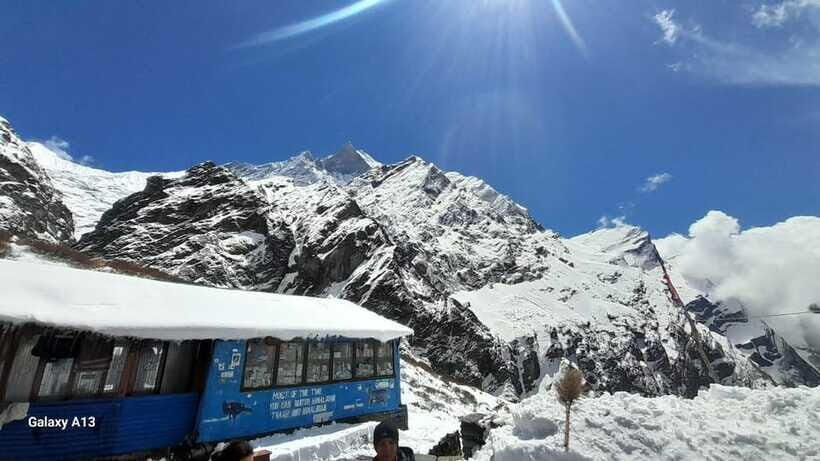
After the short stop, the helicopter returns to Pokhara. You’ll pass again over forests, river networks, waterfalls, and mountain settlements.
This part is surprisingly satisfying. The return route gives you a second chance to catch what you missed on the way in. It’s also when the “aerial map” feeling comes alive—your brain starts connecting earlier views (deep cuts, terraced slopes, forest patches) into a coherent mental picture.
The total tour time is around 90 minutes, combining the main aerial segments with the short base camp stop and the practical time needed for transfers.
Weather Planning: ABC vs Mardi Himal and Reschedules
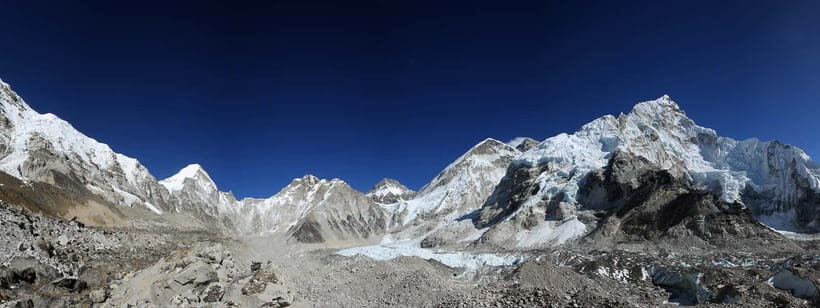
Nepal weather has a habit of making plans negotiable. This tour builds that reality into the itinerary.
You should know these possibilities:
- The plan is to land at Annapurna Base Camp
- If weather doesn’t permit the landing at ABC, you may land at Mardi Himal Base Camp instead
- If conditions are too poor to fly, the flight can be rescheduled for the next day
This is where helicopter travel is both exciting and a bit fragile. The big upside is that you still get a flight when conditions are workable. The downside is you’re not fully in control.
So, if you’re scheduling around this tour, I’d give yourself some buffer time in Pokhara. Don’t stack it as the one single make-or-break event on a tight departure day.
Price and Value: Is $640 Worth It?
Let’s talk money in a grounded way. The price is listed at $640 per person, and that’s not pocket change.
So what are you actually buying?
- You’re paying for a very short time investment for a high-altitude, high-impact view
- You’re paying for the ability to experience Annapurna’s scale without days of trekking
- You’re paying for logistics and permits included in the package, plus the airport transfers
When does it make sense? If you:
- Have limited time in Nepal
- Want the base camp moment without a heavy trek
- Prefer a comfortable day over an intensive physical challenge
- Are traveling with people who might struggle with long altitude exposure on foot
When might it feel less worth it? If you’re on a super tight budget, or if you enjoy the process of trekking as much as the destination. In that case, the helicopter can feel like paying a lot just to skip the trail experience.
My practical advice: treat this as a “signature day.” If you can afford one big splurge that still feels authentic and tied to Nepal’s real mountains, this is the kind of splurge that usually delivers.
Service Style: Alpine Club of Himalaya and Sujan’s Help
A big part of trust in a tour is how smoothly the plan runs—and how reachable your provider is when something changes.
In the feedback you provided, Alpine Club of Himalaya shows up repeatedly alongside support from Sujan. The notes you included highlight that Sujan wasn’t only there during the activity. He reportedly helped with extras like transfers between cities, hotel support, and even coordination around testing needs.
Even if you don’t need those specific add-ons, this type of responsiveness matters. Helicopter tours are weather-sensitive. When your plans shift, having a helpful point person you can contact quickly can turn stress into simple problem-solving.
What’s Included (and What You Should Plan to Pay For)
Included in the package:
- Airport transfers to and from Pokhara as per the schedule
- Shared-basis scenic helicopter flight to Annapurna Base Camp
- Domestic airport departure tax
- Required permits for entry into the Annapurna Conservation Area
- Government taxes, VAT, and office service charges
Not included:
- Personal expenses like souvenirs and beverages
- Any accommodation and meals
So you’ll want to budget for your non-flight needs separately. If you’re staying in Pokhara, plan your meal timing around a short, early day. And if you like buying small things at the end of tours, keep some cash aside for that.
Who This Tour Suits Best (and Who Should Skip It)
This tour is marketed as suitable for travelers who want to experience the Annapurna region without trekking, and it also notes it’s aimed at people of all ages and physical abilities. Still, the “not suitable for” list is important.
Don’t book if you:
- Have altitude sickness
- Are under 1 year old
- Are over 95 years old
If you fall into the general “healthy but cautious” category, consider that you’ll be at 4,130 m even though the stop is short. If you’re prone to breathing issues or you’ve had altitude problems before, take the altitude seriously.
Also, no pets are allowed, and you’ll need a passport.
The Honest Bottom Line: Should You Book This Helicopter Day?
If you want a fast, high-impact way to see Annapurna’s signature peaks—plus deep gorges, river valleys, and forest texture—this is one of the most direct options you can choose. The main reasons to book are time savings, dramatic aerial views, and the ability to reach the base camp zone without days of trekking.
I’d only hesitate if:
- Your schedule is too tight to handle a weather change
- You’re on a strict budget
- You’re specifically seeking the slow, cultural trail experience that trekking gives
If you can flex your dates in Pokhara and you want one unforgettable Himalayan day, this helicopter tour is the kind of splurge that can still feel grounded in place.
FAQ
How long is the helicopter tour from Pokhara?
The total duration is about 90 minutes, including the helicopter flight time and your short time at Annapurna Base Camp.
Where can I be picked up in Pokhara?
You can be picked up from Lakeside, Pokhara International Airport (PIA), or Hotel Splendid View.
Will the helicopter land at Annapurna Base Camp?
Yes, the plan is to land at Annapurna Base Camp so you can take pictures and enjoy the views.
What if weather is not good enough to land at ABC?
If weather doesn’t permit landing at ABC, you may land at Mardi Himal Base Camp. If the flight conditions are too poor, the flight may be rescheduled for the next day.
How much time do I get at Annapurna Base Camp?
You typically get 15–30 minutes at Annapurna Base Camp to explore and enjoy a tea or breakfast break.
Is this helicopter flight private?
No. The helicopter flight is on a sharing basis.
What’s included in the price?
The price includes airport transfers in Pokhara, the scenic helicopter flight to ABC (sharing basis), domestic airport departure tax, permits for the Annapurna Conservation Area, and all applicable government taxes and service charges.
What should I bring?
Bring your passport.
Are pets allowed on this tour?
No, pets are not allowed.