REVIEW · KATHMANDU
14 Days Annapurna Circuit Trek
Book on Viator →Operated by Yolo Hike · Bookable on Viator
The Annapurna Circuit is where Nepal gets real fast. This 14-day loop strings together historic towns, high-altitude trekking, and sacred stops, all with guide support and included meals so you can focus on walking and views. Thorong La is the headline, but the quieter villages and cultural breaks are what keep it memorable.
I especially like two things about this trip: the way it handles altitude with an acclimatization day in Manang, and the staffing ratio (a certified trekking guide plus an assistant, with 1 porter for each 2 trekkers) that makes steep days feel more doable. It’s also structured to move steadily from Kathmandu prep into the hiking rhythm without wasting too many days.
The main consideration is physical. This route includes a high pass crossing with early starts and serious elevation, and you’ll need a strong fitness base. Also plan for some comforts to be basic at trekking elevations, because this is trekking in the mountains, not a resort vacation.
In This Review
- Key highlights to watch for
- Why the Annapurna Circuit still feels like a real journey
- Price and logistics: what $900 buys you (and what it doesn’t)
- The real rhythm: a 14-day plan that builds (and then tests) you
- Days 1–2 in Kathmandu: transfers, Thamel, and getting your head right
- Days 3–5: the long road into the Annapurnas (Besisahar to Chame to Pisang)
- Days 6–7 in Manang: acclimatization that’s actually built in
- Days 8–9: Yak Kharka to Thorong Phedi on rougher terrain
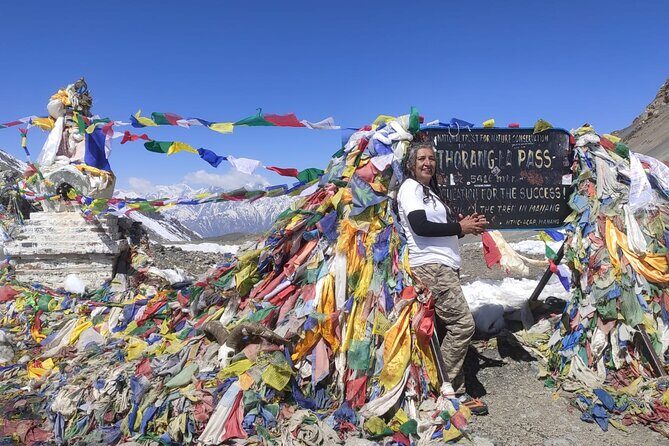
- Day 10: crossing Thorong La and descending toward Muktinath
- Day 10–11: Jomsom’s calmer mood and the drive toward Pokhara
- Pokhara add-ons: Mountain Museum and Devi’s/Davis Fall
- Practical tips that make the trek easier on your body
- Who this Annapurna Circuit version suits best
- Should you book this Annapurna Circuit tour with Yolo Hike?
- FAQ
- Where does the trek start?
- Does the tour include airport transfers?
- How many guides and porters are provided?
- How many nights are included on the trekking route?
- Are meals included during the trek?
- Is tea, coffee, or hot water included?
- What about accommodation in Kathmandu and Pokhara?
- Is the flight from Jomsom to Pokhara included?
- What fitness level do I need?
- Can I cancel for a full refund?
Key highlights to watch for
- Manang acclimatization day that’s built into the schedule, not added as an afterthought
- A high pass day early in the morning followed by a long-feeling descent toward Muktinath
- Porter support (1 porter per 2 trekkers) to help you carry less on rougher trail stretches
- Meals and overnight stays included across Kathmandu, Pokhara, and the trekking area
- Pokhara culture stops included: International Mountain Museum and Devi’s/Davis Fall
- Good operator communication signals from past clients: fast replies and willingness to adjust plans
Why the Annapurna Circuit still feels like a real journey
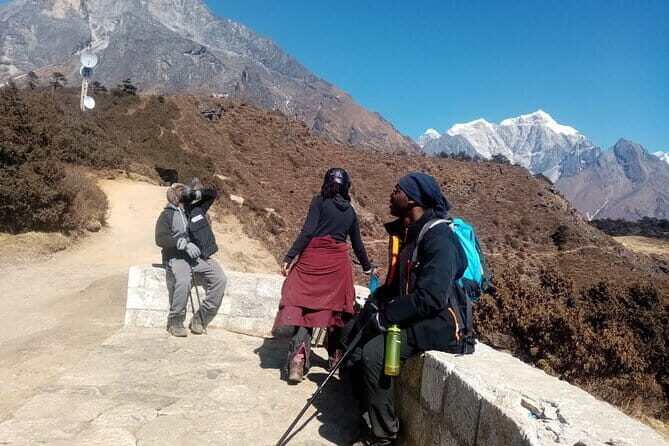
The Annapurna Circuit earns its reputation because it changes all the way through. You start in Kathmandu’s religious and shopping world, then your days slowly shift into farmland, forest edges, and then stark mountain terrain. Along the way, you get classic trekking rhythm: walk, breathe the thin air, sleep in a small place, wake up to a different view.
What I like in this specific version is the balance between “big moments” and “day-to-day variety.” You don’t just rush to the pass. You get village scenes like Pisang and Manang with Tibetan-influenced culture, then you move through rugged trekking zones like Yak Kharka before the pass day. Then the story flips again on the other side: Muktinath’s sacred temples, the quieter feel near Jomsom, and finally Pokhara’s decompression.
You can also read our reviews of more hiking tours in Kathmandu


Price and logistics: what $900 buys you (and what it doesn’t)
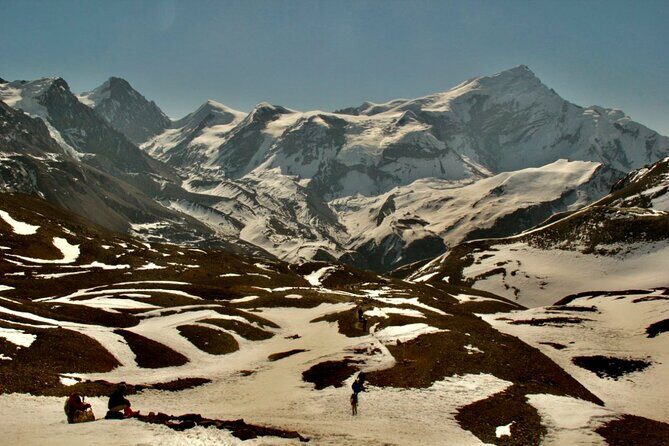
At $900 per person, the value mostly comes from support and what’s already included. You’re not just buying a route. You’re buying guided execution with help on the ground.
Here’s the practical breakdown of the included value:
- Private airport pickup and drop-off in Kathmandu using a private vehicle
- Certified trekking guide plus 1 assistant guide for each 6 trekkers
- Porter help: 1 porter for each 2 trekkers
- Accommodation included: 2 nights in Kathmandu and Pokhara (twin sharing), plus 9 trekking nights (twin sharing)
- Most meals included: breakfast is included for 13 days, and lunch/dinner are included for 9 days each during the trek
- All fees and taxes, plus lodging/food/insurance/salary for the guide and porters
- Pokhara sightseeing tickets included for International Mountain Museum and Devi’s/Davis Fall
What’s not included matters too, because it affects your daily budget:
- Tea, coffee, and hot water are not included (this one adds up in cold weather)
- Personal expenses (souvenirs, bar bills, extra snacks)
- Jomsom to Pokhara flight (listed as not included), so you should confirm exactly how your post-trek travel happens on the days you’ll be in that area
Also, the listing notes a mobile ticket and group discounts, and the tour is described as private in the sense that only your group participates. For many people, that’s a sweet spot: you still get a proper guided trek, but you’re not sharing the experience with strangers from a giant mass-tour group.
The real rhythm: a 14-day plan that builds (and then tests) you
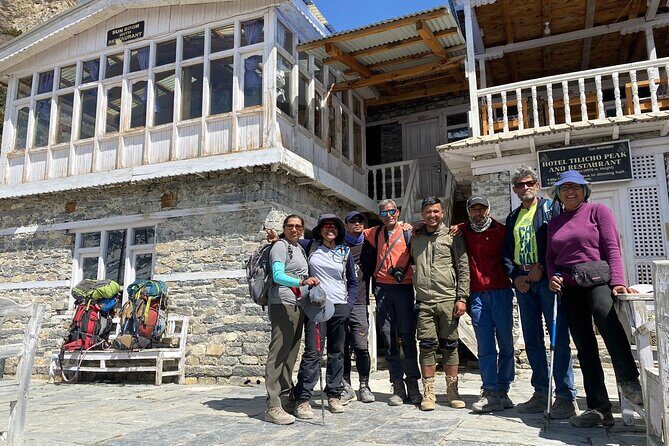
This is a classic “start easy, get high, then recover” structure.
You’ll spend the first couple days getting set:
- Arrive in Kathmandu, get transferred, and handle logistics
- Do a little Thamel shopping and a short walking tour to get oriented
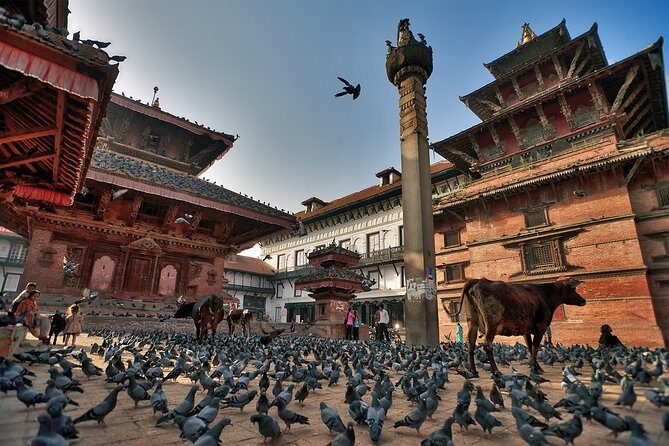
- A Kathmandu Valley preparation day includes major spiritual stops (like Pashupatinath Temple and Boudhanath Stupa)
Then you move into the trek with a long drive phase:
- Kathmandu to Besisahar, then a drive (sharing jeep) toward Chame, the gateway zone for the hiking start
- The walking days then progress through Pisang and Manang, with an intentional acclimatization day in Manang
The altitude test comes in the middle-to-late part:
- From Manang to Yak Kharka, then up to Thorong Phedi (near the base of Thorong La)
- A big early morning pass crossing day
- Then descent toward Muktinath and onward toward Jomsom
Finally, you reset:
- Time in Pokhara for sightseeing and a slower pace
- Then a drive back to Kathmandu and departure
If you’re the kind of traveler who likes a plan you can trust—without having to micromanage every transfer—this structure is designed for that.
Days 1–2 in Kathmandu: transfers, Thamel, and getting your head right
In Kathmandu, the trip starts with airport pickup and drop-off by private vehicle. That’s not flashy, but it’s a huge stress reducer. When you land tired, the last thing you need is figuring out transport while you’re also trying to get trek documents sorted.
Day 1 is a gentle on-ramp:
- You’re greeted by your guide and helped with arrangements and transfers to the hotel
- You get time to relax and adjust to the city
Then Day 1 evening is about getting prepared in a real way:
- Thamel is where you’ll do trekking shopping and likely pick up what you forgot
- There’s also time for a short walk tour so you can find your bearings fast
Day 2 is a “prep day with meaning,” not just paperwork:
- You’ll visit major Kathmandu religious sites as part of the itinerary, including Pashupatinath Temple and Boudhanath Stupa
- This helps you understand Nepal beyond the mountains—because later, the cultural stops on the trek won’t feel random
A small drawback: if you hate early logistics days, you might feel like you’re spending time on temples and errands before the mountains. But if you’re smart about it—buy essentials in Thamel quickly and then use the rest of the day to slow down—it works.
Days 3–5: the long road into the Annapurnas (Besisahar to Chame to Pisang)
After Kathmandu, the big shift is the drive:
- You’ll travel from Kathmandu to Besisahar (about 175 km, typically 6–7 hours depending on conditions)
- Then you continue by jeep from Besisahar to Chame (roughly 10–11 hours)
That’s a lot of hours in a vehicle before your boots even touch the trail. The upside is that it sets you up for a smoother start once walking begins, and it lets you see how Nepal changes as the mountains come closer.
On Day 5, trekking begins properly:
- Chame to Pisang is a trail day with big views of Annapurna II and Lamjung Himal
- You’ll also cross bridges and move through forests and village sections depending on the stretch
What to expect here:
- Your body is still fresh, so it feels like you’re cruising—until your pace needs to adapt to trail unevenness and altitude creeping upward
- This is a good time to settle into your gear routine: where your water goes, how often you stop, and how you manage breath when the trail tilts up




Days 6–7 in Manang: acclimatization that’s actually built in
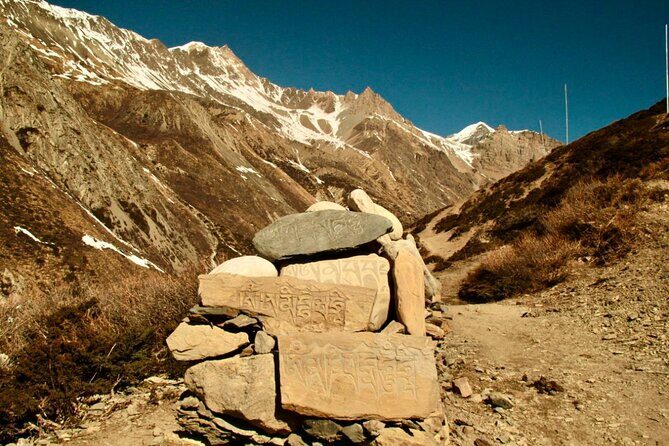
This trek gives you a key piece of altitude survival: a day in Manang that’s specifically for acclimatization.
Day 6 continues the climb in stages:
- You trek from Pisang toward Manang, with the trail gradually ascending
- Himalayan peaks become more prominent as you approach Manang
Then Day 7 is your altitude buffer:
- You spend the day in Manang to adjust to thinner air
- You can use the time to explore the village and get a feel for the Tibetan-influenced culture
Why this matters: people often focus only on the pass day. But your success rate goes up when you give your body a “practice day” before the steepest push later. That extra day in Manang can be the difference between feeling okay on the pass approach and feeling worn down.
One practical consideration: acclimatization days don’t mean you should ignore your health. Even if the day is lighter, you still need to hydrate, pace yourself, and take it seriously.
Days 8–9: Yak Kharka to Thorong Phedi on rougher terrain
From Manang to Yak Kharka:
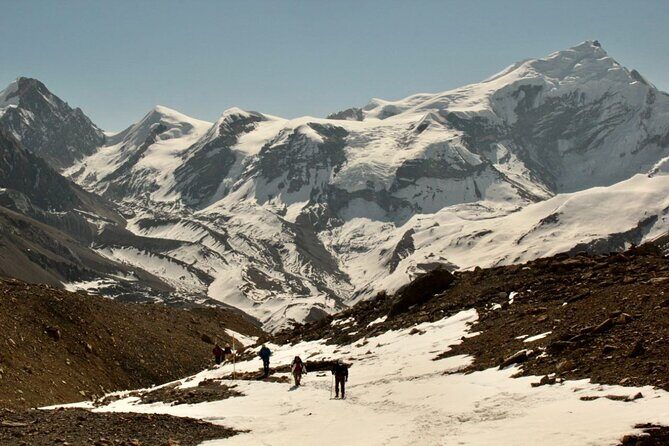
- You move into barren-looking terrain
- You get panoramic views and a feeling of ruggedness increasing as you go
- The trail leads you upward, and you’ll notice fewer trees and more exposed sections
Then the next stage is toward Thorong Phedi:
- This is at the foot of Thorong La
- The trail climbs through rocky terrain and glacial moraine zones
These days are where you need mental endurance more than motivation. The scenery is dramatic, yes, but the ground can be slow. You’ll likely spend more time focusing on footing and breathing than on taking perfect photos every five minutes.
If you’re prone to getting impatient when your pace slows, use this as training. Pass day comes soon, and steady walking habits help you conserve energy.
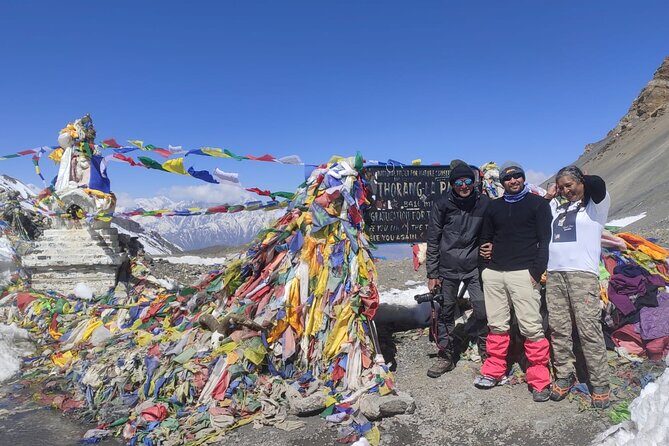
Day 10: crossing Thorong La and descending toward Muktinath
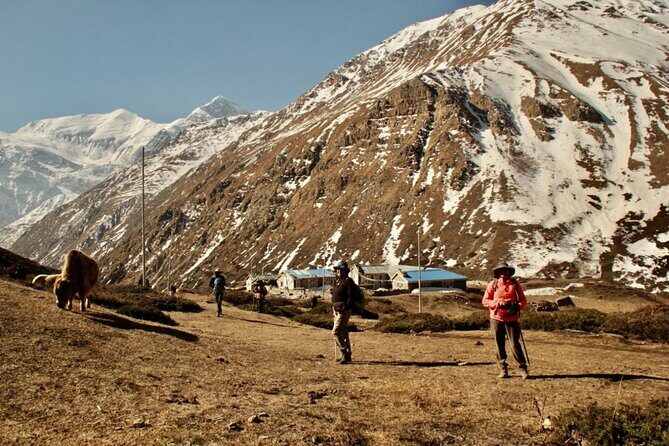
This is the day with the big emotional payoff. The plan calls for:
- An early start
- A steep ascent to reach Thorong La
- Then a descent toward Muktinath, which is sacred to both Hindus and Buddhists
You’ll feel the crossing as both physical and mental. Physically, it’s high and demanding. Mentally, you’re waiting for that moment when the day opens up into sweeping views and you know you’re past the hardest part.
After the pass:
- The descent toward Muktinath is described as gradual
- You’ll have a chance to take in the scenery and visit the sacred temple complex
This is one reason I like this circuit plan: it doesn’t treat the pass as a stunt. You get a cultural reward right after, which makes the effort feel tied to something bigger than just a viewpoint.
Day 10–11: Jomsom’s calmer mood and the drive toward Pokhara
Once you leave Muktinath behind, the next stage is toward Jomsom:
- The route description focuses on a windswept valley and a stark contrast from the earlier green stretches
- Jomsom is noted for apple orchards and a more tranquil atmosphere
Then you move on toward Pokhara via a scenic drive through Mustang Valley (as described in the overview for this experience).
There’s also an important practical note: the package lists the Jomsom to Pokhara flight as not included. That doesn’t mean you’ll fly. It means you should confirm how your operator handles that transfer on your dates. If you end up needing a flight option (because of weather or routing), you’ll want to budget extra.
When you get to Pokhara, this is where the trip turns into recovery:
- Your body gets a break from daily trekking
- You get a more relaxed “after the hike” pace
Pokhara add-ons: Mountain Museum and Devi’s/Davis Fall
The itinerary includes admissions for two Pokhara stops:
- International Mountain Museum
- Devi’s Fall (also spelled Davis Fall)
This is smart for two reasons. First, it gives context for what you just did: the mountains aren’t just scenery; they’re part of Nepal’s identity and natural systems. Second, after a high-altitude trek, it’s nice to do sightseeing that isn’t another uphill grind.
If you’re choosing how to spend limited time in Pokhara, these two are worth your attention because they’re easy to fit into a short schedule and they connect to the larger story of the region.
Practical tips that make the trek easier on your body
You’ll read a lot of gear advice online. Here’s what matters most for this kind of trek structure—especially when there’s a pass day coming.
- Plan for cold and basic amenities: tea, coffee, and hot water aren’t included. Even if you’re warm during the day, evenings can get chilly at higher elevations.
- Treat mornings like the pass day all over again: you start early on the big crossing day, and that same rhythm affects how you sleep and how you manage energy.
- Use porter help wisely: with 1 porter for each 2 trekkers, don’t overload the one person carrying more. Pack smart so you’re not still dragging a heavy bag yourself.
- Stay consistent with pace: days 8–9 can feel slow and rocky; the goal is steady breathing and stable steps, not speed.
- Keep altitude etiquette serious: the Manang acclimatization day exists for safety. If you’re tired, don’t “push through” just to prove you can.
And a small piece of humor that’s actually useful: on a high pass day, your toughest rival is usually not the mountain. It’s your own urge to rush because someone ahead is walking faster.
Who this Annapurna Circuit version suits best
This trek is best for people who:
- Have strong physical fitness and are ready for a challenging pass day
- Want a guided experience with real support (assistant guide and porters)
- Prefer a plan that handles the big logistics and meals for you, at least during trekking days
- Like mixing nature and culture, not just chasing summit shots
It may not be ideal if you:
- Want full independence with no guide
- Hate vehicle travel days (there are long drives before the trek starts)
- Expect lots of included comforts like unlimited hot drinks
Should you book this Annapurna Circuit tour with Yolo Hike?
I’d seriously consider booking if your top priorities are guided support, a safety-minded schedule around altitude (especially the Manang acclimatization day), and fewer surprises in day-to-day logistics.
This operator has a strong signal in the type of feedback they’ve received: people highlight quick responses to questions, friendly organization, and an excellent guide experience. They also mention flexibility when plans need adjustment—exactly what you want when trekking conditions and personal pacing vary.
Before you book, do two sanity checks:
- Confirm the plan for the Jomsom to Pokhara section since the flight option is listed as not included.
- Be honest about fitness. With Thorong La on the calendar and early morning effort built in, this is for travelers who can handle strenuous hiking at altitude.
If you want a classic Annapurna Circuit with practical support and a schedule that respects how bodies handle altitude, this one is a good fit. It’s not a walk in the park, but it’s built to help you get to the views with less stress and more confidence.
FAQ
Where does the trek start?
The meeting point is Tribhuvan Airport in Kathmandu, Nepal.
Does the tour include airport transfers?
Yes. You get Kathmandu airport pickup and drop-off by private vehicle.
How many guides and porters are provided?
The trip includes a professional certified trekking guide plus 1 assistant guide for each 6 trekkers, and 1 porter for each 2 trekkers.
How many nights are included on the trekking route?
You get 9 night accommodations in the trekking area, with twin sharing.
Are meals included during the trek?
Yes. Breakfast is included for 13 days, and lunch and dinner are included for 9 days.
Is tea, coffee, or hot water included?
No. Tea, coffee, and hot water are not included.
What about accommodation in Kathmandu and Pokhara?
Accommodation is included for 2 nights in Kathmandu and 2 nights in Pokhara on a twin sharing basis.
Is the flight from Jomsom to Pokhara included?
No. A Jomsom to Pokhara flight is not included. You’ll want to confirm how your route handles this segment.
What fitness level do I need?
The trip states you should have a strong physical fitness level.
Can I cancel for a full refund?
Yes. Free cancellation is offered up to 24 hours in advance for a full refund.