REVIEW · KATHMANDU
12 Days Everest Base Camp Trek from Kathmandu
Book on Viator →Operated by CAN Travels · Bookable on Viator
One flight, then the Himalaya takes over. From Kathmandu you take a short scenic hop to Lukla, then trek through rhododendron forests and prayer-flag passes toward Everest Base Camp. I love the Sherpa villages and monastery visits (Namche Bazaar, Tengboche, Dingboche), and I love the panoramic peak views that culminate at Kala Patthar. The consideration: the altitude and long walking days mean you need solid physical fitness.
I also like how the plan builds in real acclimatization time, not just hope-and-pray. You get structured rest days in Namche Bazaar and Dingboche, plus viewpoint hikes like Nagarjun Hill, all led by a government-licensed English-speaking guide and supported with an emergency basic first-aid kit.
In This Review
- Key things to know before you go
- Kathmandu to Lukla: the flight that makes this trek real
- Phakding, then the gateway to Everest: walking into Sagarmatha National Park
- Namche Bazaar acclimatization: the day that can save your trek
- Tengboche monastery day: rhododendron climb and spiritual stops
- Dingboche and the Nagarjun Hill hike: rest day done right
- Lobuche and the long road toward Everest Base Camp
- Kala Patthar: where the 360-degree feeling hits
- Back to Kathmandu: farewell dinner and time to recover
- Price and value: what $1,380 really covers
- Guides, group setup, and the safety feel
- Who this trek suits best (and who should rethink it)
- What to pack and how to prepare (without overcomplicating it)
- Should you book CAN Travels for Everest Base Camp?
- FAQ
- What’s included in the tour price?
- What’s not included for the Everest trek?
- How long is the trek?
- Do I need a flight to start and finish the trek?
- Is this a group trek or private?
- How much trekking is there each day?
- Are there acclimatization days?
- What are the key cultural stops?
- What’s the cancellation refund timeline?
Key things to know before you go
- Lukla flight sets the whole tone: short, scenic, and it puts you on the trail fast.
- Acclimatization days are baked in: Namche Bazaar and Dingboche give your body a fighting chance.
- Monasteries aren’t side quests: Tengboche is a major cultural stop with a mountain view backdrop.
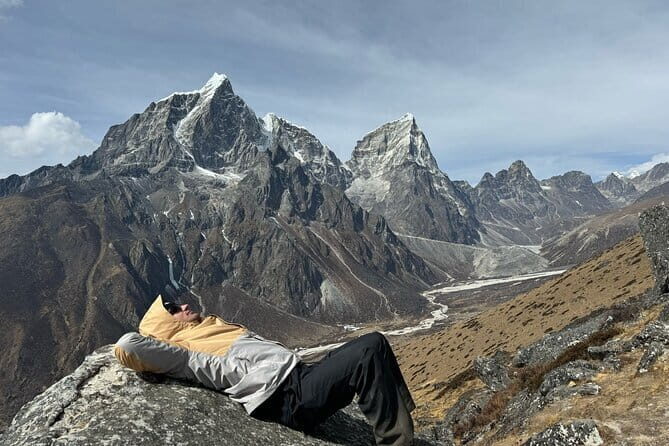
- Kala Patthar is the big payoff: a famous viewpoint above Everest Base Camp for wide 360-degree-style views.
- Private group experience: it’s your group only, with guide support throughout.
- Your budget needs food: trekking permits and lodging are included, but meals are on you (about $25/day as a guide).
Kathmandu to Lukla: the flight that makes this trek real
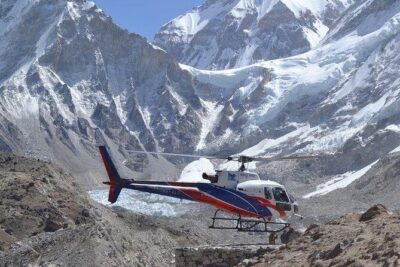
This trek starts with a Kathmandu pickup and then a round-trip flight between Kathmandu and Lukla. That flight matters more than you’d think. It turns Everest Base Camp from an idea into a route you can actually walk, usually without the multi-day slog just to reach the high starting point.
You’ll meet your crew after landing in Lukla. From there, you head down and follow the Dudh Koshi River corridor, which helps you settle into rhythm. Even if your first day feels like “just getting started,” it’s also where your legs learn the local pace: steady steps, frequent pauses, and a guide who keeps everyone moving safely.
Practical note: you’ll want to treat that first day as gentle setup, not a fitness contest. If you go out too hard, you’ll feel it later at altitude.
You can also read our reviews of more hiking tours in Kathmandu


Phakding, then the gateway to Everest: walking into Sagarmatha National Park
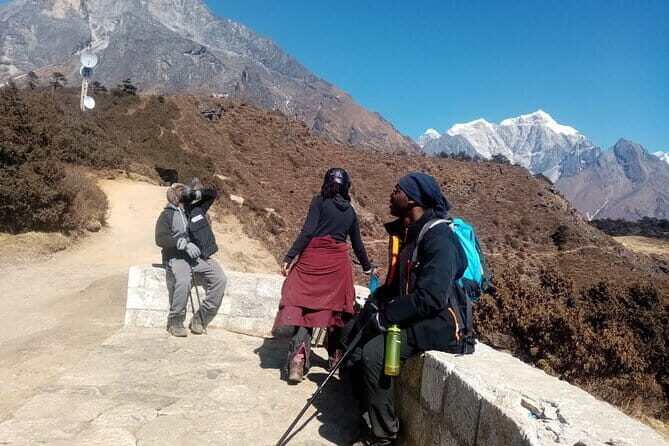
Day 1 begins with Phakding as an initial stop as you transition from Lukla into the Khumbu trekking flow. It’s a good on-ramp because you’re not jumping straight to the highest effort segments.
On Day 2, the route pushes you toward Namche Bazaar via Monjo and through Sagarmatha National Park. This is where the trek shifts from “scenic valley walking” to “Himalayan corridor with real stakes.” You’ll cross streams and pass small villages along the way, and the day naturally builds toward the bigger altitude day ahead.
Why this part is worth paying attention to:
- The scenery is varied early—river views, forest sections, and settlement life.
- The route is a gentle intro to how quickly the air feels different as you gain elevation.
Namche Bazaar acclimatization: the day that can save your trek
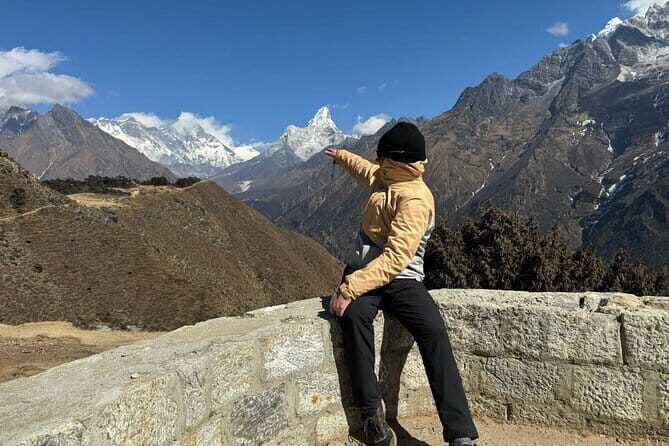
Namche Bazaar is the gateway hub of the Everest region. The plan gives you time here for acclimatization, including a full day to explore and adjust.
You’ll come in after walking from lower villages, then spend your Day 3 doing a short excursion either toward Syangboche Airstrip or to an Everest View Hotel area (your exact option depends on what the itinerary uses that day). The goal is simple: keep moving, get your bearings, and let your body catch up.
What I like about this approach is that it’s not all sightseeing. It’s strategic. You’re training yourself for the pattern you’ll repeat later: walk a bit, rest, hydrate, repeat. If you’re the type who wants to “power through,” this is where your guide will likely steer you back toward a calmer pace.
Also, Namche is where you’ll start noticing the trekking culture: shops, lodges, prayer walls, and the constant reminder that you’re in the heart of Sherpa life, not a movie set.
Tengboche monastery day: rhododendron climb and spiritual stops
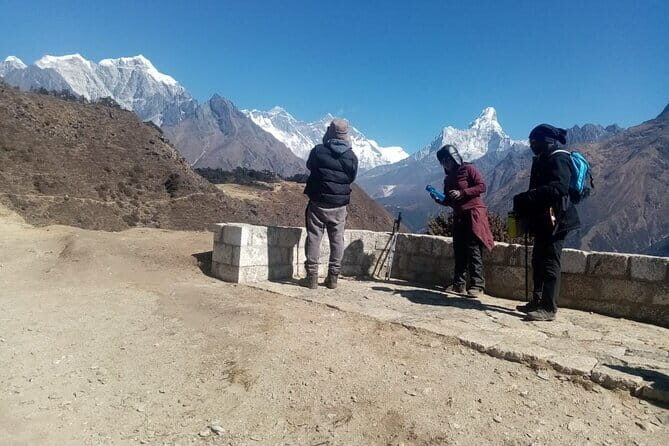
On the way to Tengboche, the trail gradually rises through dense rhododendron forests. That rhododendron section is one of those quiet trek blessings: it makes the climb feel less exposed and more shaded, and it adds a little color before the mountain views hit hard.
You pass Imja Khola along the route and then reach Tengboche village. The big moment is Tengboche Monastery, which the itinerary highlights as the oldest monastery in the Khumbu region. You’ll have time to explore and take in monastery life with the surrounding peaks as your backdrop.
Day 4 is also your reminder that this trek is not only about Everest. This is about the living culture that survives because of, and alongside, the mountain routes. Prayer wheels and Buddhist rituals are part of daily rhythm here, and it’s easy to slow down and pay attention when you’re standing in that setting.
If you’re the type who likes photos, this is where you’ll understand the value of good timing. Arrive with daylight to spare and you’ll get better light on both people and stone.
Dingboche and the Nagarjun Hill hike: rest day done right
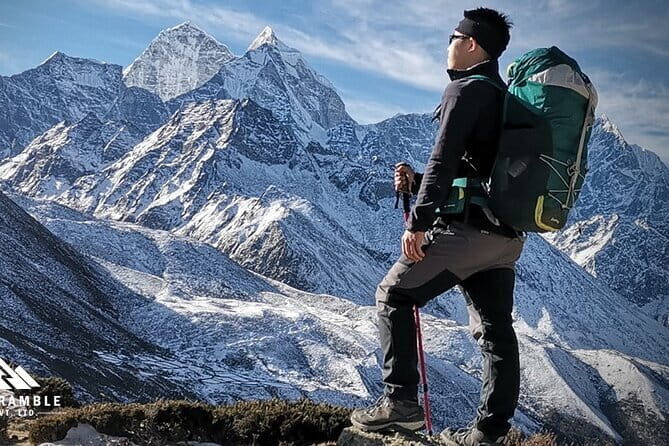
Dingboche is the next big acclimatization checkpoint. The trail from there includes suspension bridges and passes through smaller settlements like Pangboche and Orsho, with lots of stupa and chorten-style religious markers along the way.
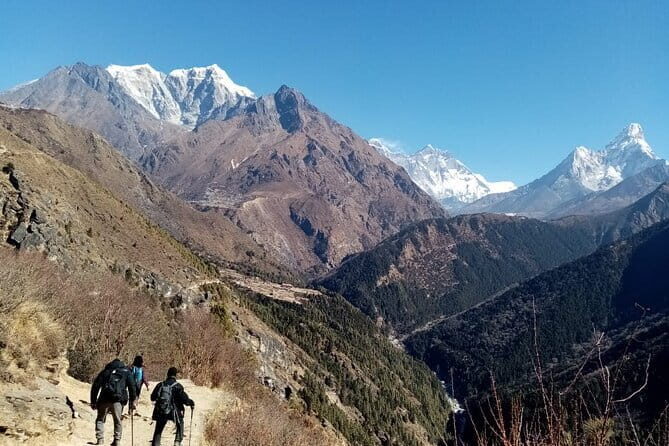
On Day 5, you reach Dingboche and settle in. Then Day 6 is a real adjustment day. You take a break from higher trekking and do a hike to Nagarjun Hill, which gives views of Everest, Lhotse, Ama Dablam, Nuptse, Thamserku, Pumori, and more.
This is one of the smartest parts of the whole plan. People sometimes treat rest days like a total reset. Here, rest means movement in a controlled way. You still get a purpose-built effort, but you’re not pushing toward the next milestone on zero fuel.
How to make this rest day work:
- Go out slow, then return when you still feel okay.
- Use it to hydrate and eat on schedule.
- Follow your guide’s pace even if you feel better than the person next to you.




Lobuche and the long road toward Everest Base Camp
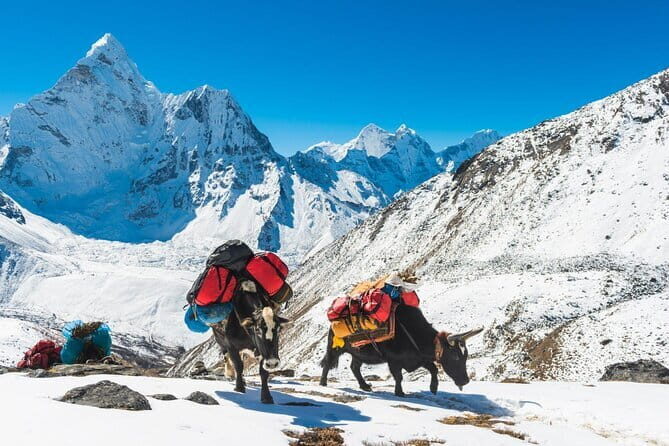
Leaving Dingboche, the trail gradually climbs through smaller villages. Over time the scenery shifts: you trade lush forest feel for a higher-altitude look with more sparse shrubs.
You’ll reach Lobuche around Day 7, and this is where the trek starts to feel more “mountain-only.” The walking is still incremental, but the environment is more severe. You’re getting closer to the high zone where wind, cold, and fatigue become the main story.
Day 8 is the signature push: early morning trekking toward Everest Base Camp. The route passes Gorka Shep, described as the last human settlement area on the way, and then continues to the Base Camp area itself.
One thing I’d take seriously on this day is expectations. Everest Base Camp is a landmark, but it’s not a theme park. It’s windy, cold, and focused on climbers’ preparations and the rhythm of the expedition community. When you arrive, you’ll feel tired in a good way—like you paid for that view with your legs.
Kala Patthar: where the 360-degree feeling hits
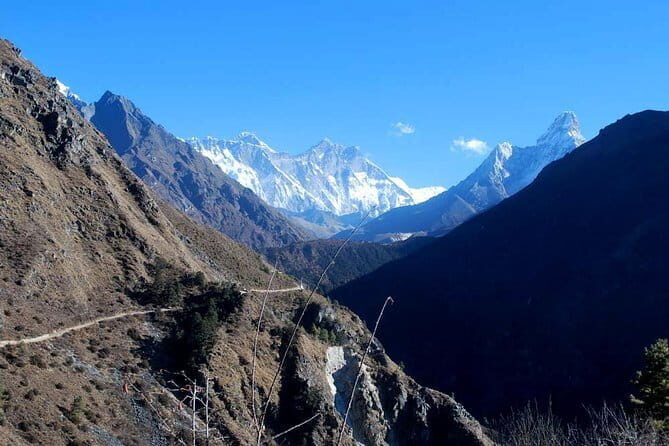
Day 9 adds one of the most famous viewpoints in the region: Kala Patthar. The itinerary frames it as a viewpoint above Everest Base Camp, and that “above” detail matters because it changes the geometry of what you see.
This is the day you go up for wide views—often described as 360-degree style panoramas—over Everest and surrounding peaks. If you’ve been collecting little glimpses all week, this is where the peaks finally line up in your field of view like you waited for it to happen.
After Kala Patthar, the next days tilt toward return. You’ll work your way back down toward Namche Bazaar on the later trekking days, using forested sections again and passing through communities like Tengboche and Phungki Thanka along the descent path.
Then you retrace your steps back toward Lukla: Namche down to Phakding on Day 11, and then your flight back to Kathmandu on Day 12.
Back to Kathmandu: farewell dinner and time to recover
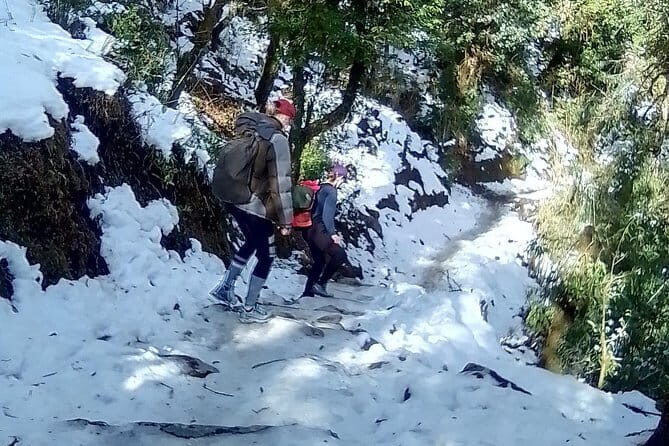
On Day 12, you fly from Lukla back to Kathmandu and then move to your hotel. The plan includes a farewell dinner in the evening, which is a nice touch because it turns the trek into a shared story instead of just a checklist of sights.
Recovery is part of the experience here. Even if you feel proud and wired after reaching Base Camp and Kala Patthar, your body will still want rest. Think of Kathmandu as your reset button: warm meals, clean shower time (if you’re able to arrange it), and a chance to review photos while your calves complain.
Price and value: what $1,380 really covers
At $1,380 per person for a 12-day Everest Base Camp trek, the value is strongest when you look at what’s included versus what you’ll have to pay separately.
Included items that matter:
- Kathmandu to Lukla to Kathmandu flights, which are a core cost for this trek.
- Permits and official documents.
- Guest house accommodation during the trek.
- A government-licensed English-speaking trekking guide.
- Hotel pickup and drop-off in Kathmandu.
- A private tour setup (your group only).
- A basic emergency first aid kit with the guide.
- Trekking guide support plus Kathmandu-side coordination.
What’s not included:
- Food and drinks, estimated around $25/day.
- Gratuities (optional).
My take: the biggest value win is that you’re not paying separately for flights, permits, and core guiding. Meals add up, yes, but you’re still budgeting less than you might if you tried to stitch this together yourself with separate providers.
If you’re comparison shopping, ask yourself one question: can you match this included flight + permits + guided guesthouse setup at a lower price without losing reliability? In the Everest region, trust and organization count.
Guides, group setup, and the safety feel
This trek is a private tour/activity, meaning it’s only your group. That can be a big deal if you prefer less crowd pressure and more control over your daily pace.
The guide is a government-licensed English-speaking trekking guide, and that quality shows up in the way the trek is run. In past trips with this operator, guides like Prakash, Milan, and Dev have been praised for professional support, knowledge, patience, and making the experience safer and smoother for families and groups.
It’s also reassuring that the itinerary includes an emergency normal first aid kit with the guide. That doesn’t mean you ignore altitude or weather reality, but it does mean you have sensible baseline preparedness.
One more point: your strongest “safety tool” is your own pacing. If the group is moving faster than you can comfortably handle, say so early and let the guide adjust. Altitude doesn’t reward stubbornness.
Who this trek suits best (and who should rethink it)
You’ll likely be happiest on this trek if:
- You have strong physical fitness and can handle multi-hour hiking days.
- You want more than summit-buzz and actually care about Sherpa culture—villages, monasteries, and daily religious life.
- You want the classic Everest Base Camp goal plus the famous extra viewpoint at Kala Patthar.
It might not be the right fit if:
- You’re looking for a light, easy holiday with minimal effort. This is a trekking route with real exertion.
- You’re not comfortable with altitude acclimatization days and the mental work of pacing yourself.
And if your priority is photos with meaningful context, you’re in the right place: monastery backdrops, prayer flags, and peaks that keep revealing themselves as you gain elevation.
What to pack and how to prepare (without overcomplicating it)
The data you have here strongly suggests two preparation rules: strong physical fitness and willingness to follow the guide’s pacing. Beyond that, keep your packing practical and altitude-aware.
Start with:
- Hiking layers you can adjust as temps shift.
- Solid trekking shoes with good grip for uneven paths.
- A day pack for water and layers during the walk.
- Sun protection (high altitude + strong light is common sense, even if the exact conditions vary).
If you’re traveling from abroad, get enough rest before day one. Trekking on tired legs is a fast way to make later days harder than they need to be.
Should you book CAN Travels for Everest Base Camp?
I’d book this trek if you want a classic Everest Base Camp experience with private guiding, included flights, permits, and guest house lodging—plus a route that actually includes acclimatization days in Namche and Dingboche. The mix of Sherpa culture stops (especially Tengboche Monastery) and the big viewpoint payoff at Kala Patthar makes it feel like more than a checkbox trek.
I’d be cautious if your fitness level is borderline or if you hate the idea of rest days that still involve hikes and discipline. The itinerary expects you to show up ready to walk and listen.
If you can handle that, you’re likely to come away with something rare: the satisfaction of reaching Everest Base Camp and the calmer pride of knowing you earned it with smart pacing.
FAQ
What’s included in the tour price?
The tour price includes Kathmandu hotel pickup and drop-off, a government-licensed English-speaking trekking guide, flights from Kathmandu to Lukla and back, trekking permits and official documents, guest house accommodation during the trek, a private tour setup, and an emergency normal first aid kit with the guide.
What’s not included for the Everest trek?
Food and drinks are not included, and they’re listed as available for purchase (about US$25 per day). Gratuities are also not included and are optional.
How long is the trek?
The trek runs for about 12 days, including the flight days and the Kathmandu return day.
Do I need a flight to start and finish the trek?
Yes. You fly from Kathmandu to Lukla to begin the trek, and you fly back to Kathmandu at the end.
Is this a group trek or private?
This is a private tour/activity. Only your group participates.
How much trekking is there each day?
Daily trekking time varies by day, with listed trek durations ranging roughly from about 5 to 8 hours depending on the stage.
Are there acclimatization days?
Yes. The itinerary includes time in Namche Bazaar to acclimatize and a rest day in Dingboche that includes a hike to Nagarjun Hill.
What are the key cultural stops?
Tengboche Monastery is a major stop, and you’ll also pass through Sherpa villages and religious sites such as stupas and chortens along the route. Namche Bazaar and Dingboche are also part of the cultural experience.
What’s the cancellation refund timeline?
You can cancel up to 3 days in advance for a full refund. If you cancel less than 3 days before the experience starts, the amount paid is not refunded.