REVIEW · KATHMANDU
11-Day Hike Tour to Annapurna Base Camp Bliss in Kathmandu
Book on Viator →Operated by Himalayan Vista Trekking Pvt. Ltd. · Bookable on Viator
Poon Hill views lead the way. This 11-day trek is interesting because you get both big mountain moments and small village walking, guided end-to-end as a private trek. I especially like the focus on Annapurna Base Camp sunrise and the way the route feeds you through classic waypoints like Ghorepani, Chhomrong, and Deurali. One thing to consider: several days run long, and the climb brings real altitude stress even with a moderate-fitness target.
Logistics stay simple. You fly Kathmandu to Pokhara, hike valley-to-ridge, and return by flight, with pickup offered near Thamel—so you spend less time figuring out the route and more time on the trail. The main catch is that this experience needs good weather, and cold at higher elevations can be a factor even in the best conditions.
In This Review
- Key points before you commit
- Poon Hill to Base Camp: what makes this trek feel worth it
- Day-by-day route: what each section is really like
- Day 1: Kathmandu pickup and settling in
- Day 2: Fly to Pokhara, then begin at Tikhedhunga and Nayapul
- Day 3: Tikhedhunga stream crossing and the Ulleri staircase climb
- Day 4: Poon Hill viewpoint and down/up toward Tadapani
- Day 5: Chhomrong area, Gurung culture, and mirror-face mountain moments
- Day 6: Deurali through rhododendron and bamboo near the Modi Khola
- Day 7: High viewpoints near Annapurna III and the road to Base Camp
- Day 8: Base Camp sunrise walk, then return down to Sinuwa
- Day 9: Descend toward Jhinu Danda and the hot spring recovery
- Day 10: Pokhara recovery day, then onward toward Siwai
- Day 11: Fly back to Kathmandu and wrap up in Ason and Thamel
- What the $1,300 price really buys you (and what to plan for)
- Guides, pacing, and the kind of care you want in the high country
- Weather, altitude, and why your packing list should be boring (in a good way)
- Who this trek suits best (and who should think twice)
- Final verdict: should you book Annapurna Base Camp Bliss?
- FAQ
- Where does the tour start and where does it end?
- Does the tour include airport pickup?
- How long is the trek?
- Is this a private tour or shared group?
- What meals are included during the trek?
- Will I be going by flight during the trip?
- What is the highest point mentioned for the trek?
- Is trekking equipment like a trekking stick included?
- What fitness level is recommended?
- What happens if the weather is poor?
Key points before you commit
- Private group trek: only your group participates, so pacing and support feel more controlled.
- Route hits the classics: Tikhedhunga, Ulleri steps, Poon Hill viewpoint, Ghorepani, Chhomrong, Deurali, Base Camp.
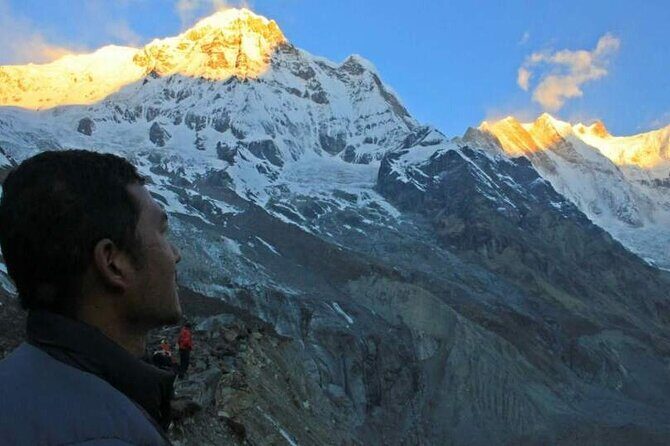
- Altitude is part of the package: Annapurna Base Camp sits around 4,130 meters, with sunrise early on summit-day conditions.
- Culture shows up in walking days: Gurung and Magar villages are on the route, not just scenery stops.
- Jhinu Danda hot spring break: a natural hot spring day gives you a recovery moment on the way out.
- Guide quality shows up repeatedly: names like Raju, Bishal, Ramji, plus porters such as Sandesh and Ishor come up for planning and care.
Poon Hill to Base Camp: what makes this trek feel worth it
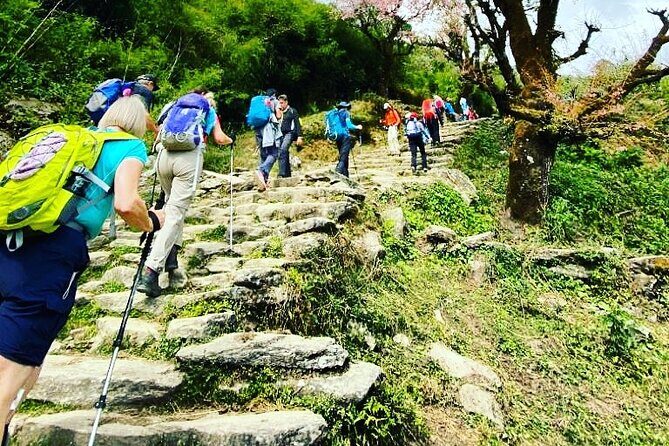
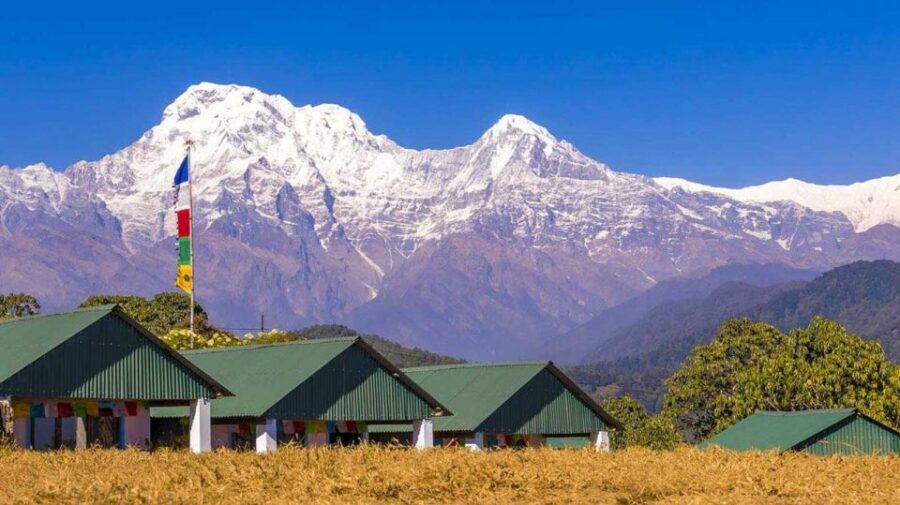
Annapurna Base Camp is the sort of destination that lives in posters for a reason. But this trek earns its reputation by mixing viewpoints with real trail days. You don’t just arrive at Base Camp and call it done. You work through the Annapurna Conservation Area on foot, moving from rivers and terraces up into rhododendron forests, then toward high, exposed walking where weather changes fast.
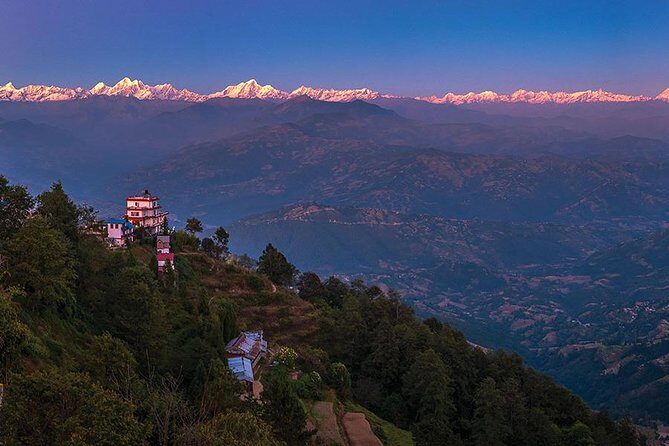
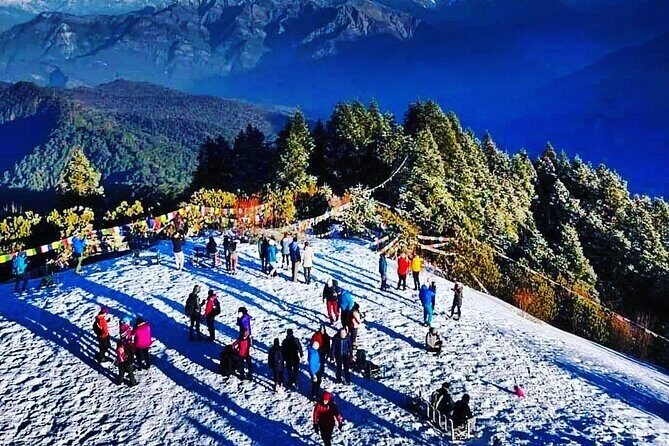
What you’ll like most is that the route includes two layers of payoff. First, Poon Hill gives you early big-picture drama—views toward Annapurna and Fishtail (Machhapuchare also shows up as part of the wider area). Second, Base Camp is the final “all the work paid off” moment, sitting at about 4,130 meters. Then you still have a purposeful descent day and a recovery stop at Jhinu Danda.
The other thing that matters is how the trip is set up to reduce friction. Pickup is offered near Thamel (Kathmandu 44600), and you’re met at Tribhuvan International Airport. That means you’re not landing in Nepal and immediately troubleshooting transport with a jet-lag brain. The same idea continues with domestic flights between Kathmandu and Pokhara.
You can also read our reviews of more hiking tours in Kathmandu


Day-by-day route: what each section is really like

Below is what you can expect each day, with the practical “why it matters” for planning your energy.
Day 1: Kathmandu pickup and settling in
Day 1 starts with an airport meet-and-transfer into Kathmandu by private vehicle. You sleep in a hotel, and the day is basically about getting oriented and rested.
Why it matters: your trek begins soon after, and the first day is your buffer. If you’re prone to altitude anxiety, this is also when you can slow down and set a calmer pace mentally.
Possible drawback: arrival times vary, so don’t assume you’ll get a full day of nothing. Plan for an easy evening near your hotel area.
Day 2: Fly to Pokhara, then begin at Tikhedhunga and Nayapul
You take a domestic flight from Kathmandu to Pokhara. After breakfast, the route heads toward Tikhedhunga (a trekking starting area in the Annapurna Conservation Area) and Nayapul, which is a well-known launch point for Annapurna-region treks.
Why it matters: Pokhara is your altitude reset before the trek proper. Starting the hike near Tikhedhunga also lines you up for the classic next-day climb that defines this trek.
What to watch: travel days can make gear feel heavier than it really is. Keep your pack organized and don’t overpack “just in case.”
Day 3: Tikhedhunga stream crossing and the Ulleri staircase climb
You cross a suspension bridge over the Tikhedhunga stream, then the trail rises steeply toward Ulleri. The route calls out a climb of roughly 3,300 stone steps to reach Ulleri at about 2,080 m.
Why it matters: this day is a reality check, but it’s also short enough that it doesn’t drain you for a whole multi-day grind. Getting your breathing rhythm right early pays off later when the elevation starts stacking.
Practical tip: take the steps in small chunks. Short pauses beat long stops when you’re already working.






Day 4: Poon Hill viewpoint and down/up toward Tadapani
You go to Poon Hill for big views toward Annapurna and Fishtail, then descend back to Ghorepani, eat breakfast, and hike toward Tadapani, passing through rhododendrons and alpine meadows.
Why it matters: Poon Hill is your “mountains just hit harder than you expected” day. Tadapani is also a good bridge day—enough hiking to move you forward, but not the most punishing altitude spike.
Drawback to consider: downhill can still be hard on knees after a long stair day. Trekking poles can help, if you use them.
Day 5: Chhomrong area, Gurung culture, and mirror-face mountain moments
You head from Sinuwa down and around Chhomrong, with stops that include cultural time with the Gurung ethnic group in the Chhomrong area. The route also references views of mountain faces including Annapurna South and Hiunchuli.
Why it matters: this is where the trek starts feeling like a living place, not just a climb. Village life is part of the experience.
What to watch: this day is listed as long, so it’s a good time to avoid aggressive pacing. If you feel fine at the start, that’s when you’re tempted to push. Don’t. Consistency wins at altitude.
Day 6: Deurali through rhododendron and bamboo near the Modi Khola
You trek up to Deurali, with a trail through dense rhododendron forests and along the Modi Khola. The route also references bamboo running through the next stretch.
Why it matters: forest walking is often physically easier than rocky high ground, but it can still be tiring. You’re working into higher elevations, so your breathing changes even when the trail looks gentle.
Practical consideration: if weather turns cloudy or windy, Deurali can feel colder than you expect. Layer planning matters.
Day 7: High viewpoints near Annapurna III and the road to Base Camp
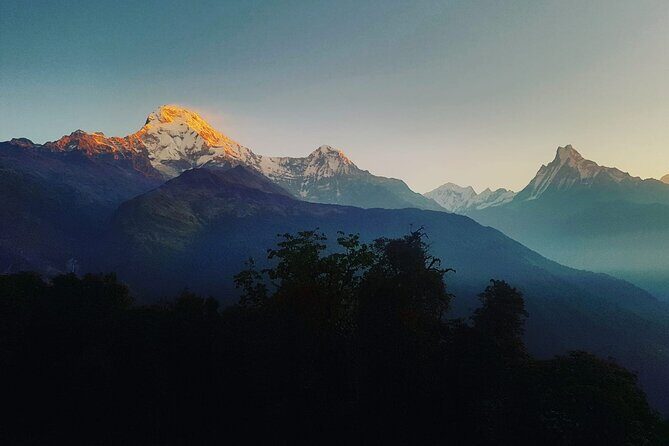
This day brings close encounters with peaks in sight, including Fishtail (Machhapuchare), Annapurna III, Gangapurna, and Annapurna I. The walking then continues toward Machhapuchare base camp area and onward to the Base Camp trekking segment.
Why it matters: it’s one of the days that makes the trek feel like the Himalayas are right there. You also start spending more time thinking in “weather windows.” The route is designed for continued forward progress rather than sightseeing-only breaks.
What to watch: long day timing means you need a steady rhythm for snacks and water. Don’t wait until you feel awful.
Day 8: Base Camp sunrise walk, then return down to Sinuwa
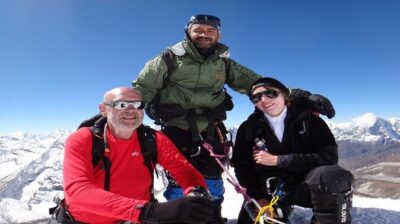
You wake early and walk around the Base Camp cliff area for sunrise over Mt. Annapurna, then return for breakfast and trek down to Sinuwa.
Why it matters: sunrise is the sort of moment that’s hard to copy later. Even if you don’t chase photographs, the cold air plus open mountain views makes it memorable.
Possible drawback: early starts can be rough if you’re not used to waking quickly while tired. Set yourself up the night before with layers ready to go.
Day 9: Descend toward Jhinu Danda and the hot spring recovery
You follow the route back through Chhomrong and then descend steeply toward Jhinu Danda, where you can bathe in the natural hot spring. The day lists breakfast, lunch, dinner included, which helps with energy management.
Why it matters: steep descents can be brutal. The hot spring day is a planned reset that makes the final days feel less like punishment.
What to watch: hot spring water helps sore muscles, but keep rehydrating after. Heat can make you forget you still need fluids.
Day 10: Pokhara recovery day, then onward toward Siwai
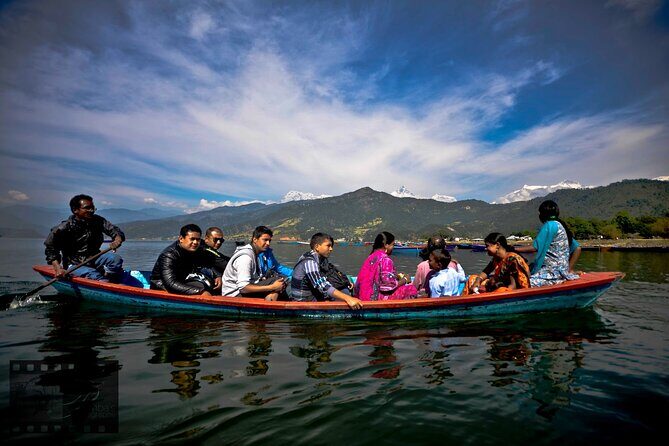
You drive back to Pokhara after breakfast. The route suggests time around Devi’s Fall, Peace Stupa, and boating on Phewa Lake, plus lakeside nightlife. Overnight is in Pokhara, then you return to the trail starting area toward Siwai, with trekking continuing.
Why it matters: this is a classic “restart your brain” day. You get a real break from altitude while still keeping momentum for the final leg.
Practical consideration: if you want sightseeing, don’t schedule it like a full vacation. Your body still knows it trekked yesterday.
Day 11: Fly back to Kathmandu and wrap up in Ason and Thamel
You drive to the Pokhara domestic airport, fly back to Kathmandu, and spend time around the local market area of Ason and the Thamel shopping zone. Then the experience ends back at the meeting point.
Why it matters: it’s the easiest ending possible. You don’t have to figure out long-distance transport after finishing a demanding hike.
What to watch: shopping and easy wandering are fun, but don’t turn it into a second marathon. Your legs may feel okay; your overall stamina might not.
What the $1,300 price really buys you (and what to plan for)
At $1,300 per person, you’re paying for a guided, private, multi-day trekking operation with meals and key transport moving you through Kathmandu and Pokhara. This price is less about fancy add-ons and more about removing uncertainty.
Here’s what’s directly listed as included:
- Breakfast (11), Lunch (11), Dinner (10)
- Pickup offered, with airport representative support
- Domestic flights between Kathmandu and Pokhara, plus flights back to Kathmandu
- A private experience setup (only your group participates)
- A mobile ticket is included
Not included (and worth budgeting for):
- A trekking stick might be helpful; it’s not compulsory and can be found in Thamel area around $3–$20.
Value check: if you’re traveling solo or as a small group, private support plus planned meal coverage can make the overall cost feel fair. The bigger question is whether the trek days are aligned with your fitness and how you handle altitude. This isn’t a short walk in the hills. It’s a real, multi-day high-altitude hiking plan, with Annapurna Base Camp at around 4,130 m.
Guides, pacing, and the kind of care you want in the high country
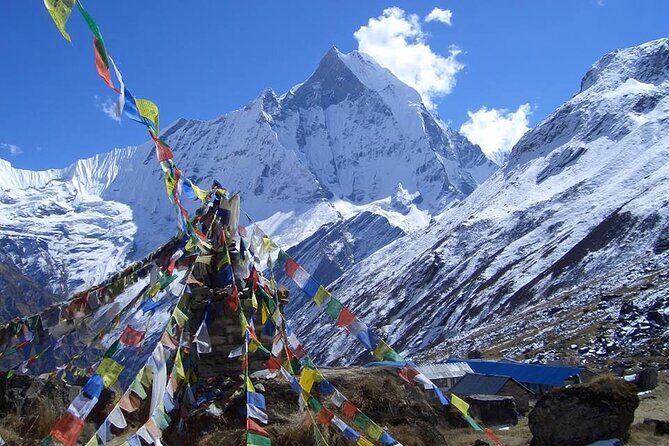
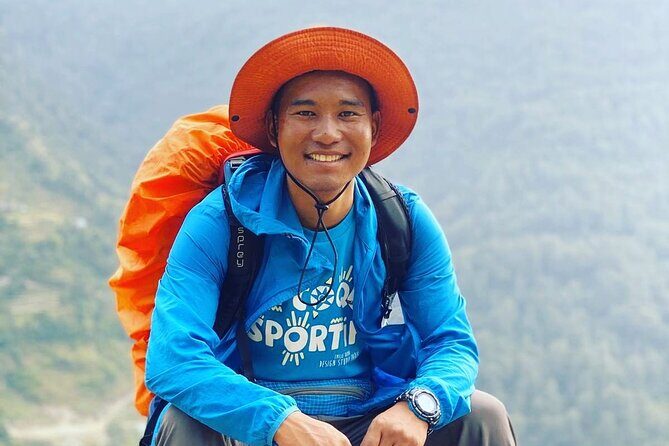
The biggest theme in the support angle is planning and reassurance. Names that stand out in the experience feedback include guides such as Raju, Bishal, and Ramji, with porters including Sandesh and Ishor.
What that tells you as a future trekker: you’re not just buying a route map. You’re buying someone to watch the pacing, help you manage discomfort, and answer questions while the trail gets harder. That matters most on the steep step day toward Ulleri and on the longer push days closer to Base Camp.
Practical advice: when you meet your guide, ask about pacing for your body. Ask how you’ll handle slower days, and what signs mean you should slow down further. A good guide plans around you, not around the calendar.
Weather, altitude, and why your packing list should be boring (in a good way)
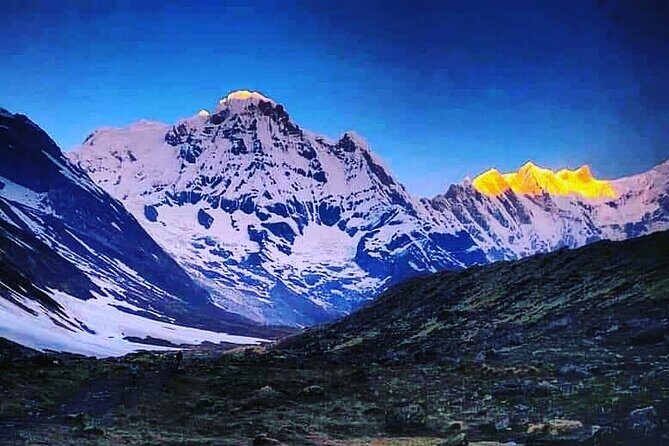
This experience requires good weather. If conditions are poor, you’re offered a different date or a full refund, which is important because Annapurna Base Camp can be miserable in the wrong weather.
Altitude reality: the itinerary is built for forward motion and includes early sunrise at higher elevations. Even if you’re moderately fit, you’ll still feel the elevation. Plan like altitude is the main challenge, not the distance.
Since the only explicitly stated gear note is about trekking sticks, keep everything else simple and functional:
- Bring layers for cold mornings (especially for the Base Camp sunrise timing)
- Pack comfortable day-walking shoes with grip for steep or rocky sections
- Expect long days and plan snacks you can eat without fuss
If you’re worried about altitude sickness, don’t pretend you’re tough. Tell your guide how you feel early. The best time to slow down is at the first sign of trouble.
Who this trek suits best (and who should think twice)
This trek fits people with moderate physical fitness who want a classic Annapurna Base Camp route with viewpoint days and a hot spring recovery stop. If you like cultural villages, you’ll find that the route passes through places such as Chhomrong and references Magar and Gurung village character along the way.
It may be a tough fit if:
- You want a short, low-effort hike (this is a long, multi-day trekking plan)
- You’re sensitive to steep climbs and steep descents
- You don’t handle cold well, since early starts and higher elevations are part of the design
If you’re a beginner, this can still work, but you’ll do best when you treat this as a slower, steady progress trek rather than a race.
Final verdict: should you book Annapurna Base Camp Bliss?
I’d book it if you want a private guided Annapurna Base Camp trek that hits the key scenic and cultural stops without making you manage every detail. The mix of Poon Hill viewpoint energy, the planned Base Camp sunrise morning, and the Jhinu Danda hot spring recovery gives the trip a rhythm that feels smart—not just exhausting.
Skip or reconsider if you know you’re likely to struggle with long hiking days, steep sections, or cold early mornings. Also, if weather is a dealbreaker for your travel dates, build in the flexibility that comes from a good-weather requirement.
If your goal is a meaningful Annapurna trek with strong local support (and named guides like Raju, Bishal, and Ramji in the mix), this looks like a solid value for what’s included and how the days are paced.
FAQ
Where does the tour start and where does it end?
It starts at the meeting point in Thamel, Kathmandu (44600, Nepal) and ends back at the same meeting point.
Does the tour include airport pickup?
Yes. Pickup is offered, and you’re met at Tribhuvan International Airport with a transfer to your hotel by private vehicle.
How long is the trek?
The trek is listed as 11 days (approx.).
Is this a private tour or shared group?
This is a private tour/activity. Only your group participates.
What meals are included during the trek?
Breakfast is included 11 times, lunch is included 11 times, and dinner is included 10 times.
Will I be going by flight during the trip?
Yes. The route includes flying from Kathmandu to Pokhara and then flying back to Kathmandu at the end.
What is the highest point mentioned for the trek?
Annapurna Base Camp is listed at about 4,130 meters.
Is trekking equipment like a trekking stick included?
A trekking stick is not included, but it’s not compulsory. You can find one in the Thamel area for a budget price.
What fitness level is recommended?
The tour says you should have moderate physical fitness.
What happens if the weather is poor?
This experience requires good weather. If it’s canceled due to poor weather, you’ll be offered a different date or a full refund.