REVIEW · KATHMANDU
Private 12 – Day Everest Base Camp Trekking
Book on Viator →Operated by Nepal Alternative Treks & Expeditions Pvt. Ltd. · Bookable on Viator
Everest Base Camp starts with a flight that tests your nerves. This 12-day private trek takes you from Kathmandu to Lukla by plane, then up through classic Khumbu villages to Everest Base Camp with guide and porter support built in.
Two things I really like about this setup are that your biggest logistics are handled for you, and you get real support at altitude. You’re not just shown a route and sent off; you get a trekking team, lodge stays, meals, and practical gear like a trekking map and water purification. The other big plus is the built-in rhythm for altitude: you get a rest day in Namche and an acclimatization day in Dingboche, which is exactly what you want when your body is still learning how to cope with thinner air.
One drawback to keep in mind: Lukla flights can be delayed or rerouted by weather, and while the team can help sort out the admin side fast, you still have to expect some uncertainty. Also, certain trail comforts cost extra (like hot showers/battery charging), and you’ll want travel insurance of your own even though rescue evacuation assistance is included.
In This Review
- Key things I’d watch for
- How this private EBC trek actually feels day-to-day
- The Lukla flight and the Dudh Koshi warm-up (Days 1–2)
- Day 1: Lukla to Phakding
- Day 2: Phakding to Namche Bazaar
- Namche to Tengboche: permits, monasteries, and big mountain faces (Days 2–4)
- Day 3: Khumjung and Khunde (rest day in Namche)
- Day 4: Namche to Tengboche
- Dingboche acclimatization and the view day on Nangkartshang (Days 5–6)
- Day 5: Tengboche to Dingboche
- Day 6: Acclimatization day at Dingboche (optional peak hike)
- Toward Lobuche and Everest Base Camp via Gorakshep (Days 7–8)
- Day 7: Dingboche to Lobuche
- Day 8: Lobuche to Everest Base Camp (through Gorakshep)
- Kala Patthar sunrise views and your return to Pheriche (Day 9)
- Day 9: Gorakshep to Kala Patthar to Pheriche
- Retracing your steps: Namche to Lukla, then Kathmandu (Days 10–12)
- Day 10: Pheriche to Namche Bazaar
- Day 11: Namche to Lukla
- Day 12: Lukla back to Kathmandu
- Price and value: what $1,300 covers (and what it doesn’t)
- Who should book this trek, and who should think twice
- Practical tips to make the Everest days feel easier
- Should you book this private Everest Base Camp trek?
- FAQ
- How long is the Everest Base Camp trek?
- Are round-trip flights between Kathmandu and Lukla included?
- Are the national park and entry permits included?
- What kind of lodging and meals are included?
- Is hotel accommodation in Kathmandu included?
- What costs are not included on the trek?
- Is this a private tour?
Key things I’d watch for
- Private team support: guide and porters are included, with their expenses covered.
- Flights from Kathmandu to Lukla included: less planning stress, more time focused on trekking.
- Acclimatization built into the calendar: a rest day in Namche plus an extra climb-day in Dingboche.
- Everest Base Camp day includes the glacier approach: you’ll reach EBC via Gorakshep and the Khumbu Glacier corridor.
- Company help in rough moments: the owner and guides have been praised for quick emergency/admin problem-solving, including Lukla delays.
How this private EBC trek actually feels day-to-day
This trek is designed for people who want the Everest Base Camp route without playing logistics roulette. You fly into Lukla, then walk the famous Khumbu trail through tea house villages, generally staying in simple but comfortable lodges along the way.
Because it’s private, your pace can be more humane. Some days are steady uphill, some are slow climbs with breaks, and a couple are explicitly planned so you’re not constantly running your lungs at the limit. That matters on a trek where the scenery is spectacular, but the altitude is the real boss.
Your trekking team also changes the feel of the trip. A guide isn’t just there to point the way; they’re the person who keeps your route moving, helps manage paperwork basics like permits, and keeps you oriented on weather and daily conditions. A porter carries your load so you can spend more energy on walking, not hauling.
One practical bonus: this package includes oxygen saturation monitoring, a trekking map, and water purification. Small things, big payoff, especially on cold mornings when you’re trying to stay safe and not guess.
You can also read our reviews of more private tours in Kathmandu


The Lukla flight and the Dudh Koshi warm-up (Days 1–2)
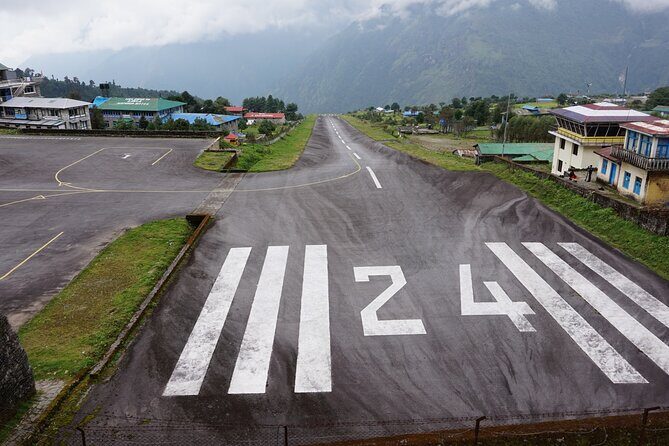
The experience starts early—pickup is offered and the day typically begins around 6:15 am. Then it’s drive to Tribhuvan International Airport, and on to Lukla by domestic flight.
The Lukla flight is short, but it’s memorable: you cross forests and deep ravines on the way in. If you’re the kind of person who worries about details, you’ll appreciate that this trek includes the flights and doesn’t make you line them up yourself.
Day 1: Lukla to Phakding
After arrival, you breakfast and start your first walking day alongside the Dudh Koshi River. The goal here isn’t suffering; it’s getting your legs used to altitude while moving along a route that’s scenic and fairly straightforward. Phakding is a classic first-night village—tea houses, steady trail life, and a place to settle into your trekking routine.
What you’ll notice early is that every day you move higher, but the real difference isn’t just elevation—it’s how your breathing changes. Lodges, hot meals, and a guide who paces you sensibly start to feel like luxury.
Day 2: Phakding to Namche Bazaar
Day two keeps you traveling upstream along the Dudh Koshi. You pass waterfalls and reach Monjo, where you get your Sagarmatha National Park permit. Then it’s onward through Jorsalle and across suspension bridges to Namche Bazaar, the region’s biggest hub.
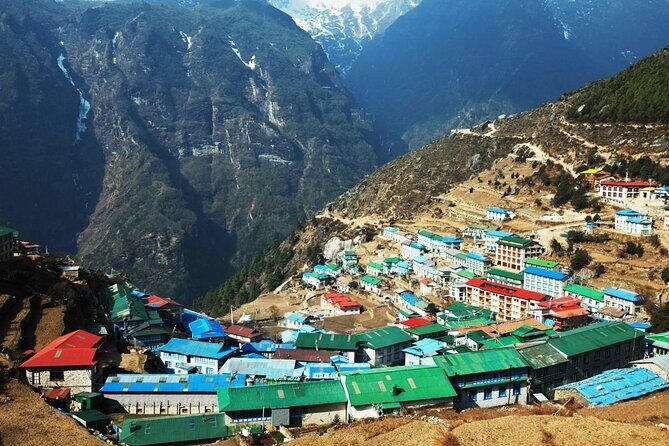
Namche is where the Everest trek stops feeling like a hike and starts feeling like a mission. You’ll likely get your first real sense of the scale—views of peaks like Kongde Ri show up in the background as the village opens up.
Possible downside: day two is longer and more climb-focused. If you push too hard early, altitude can punish you later. Your private guide’s job is to steer you toward consistent effort.
Namche to Tengboche: permits, monasteries, and big mountain faces (Days 2–4)
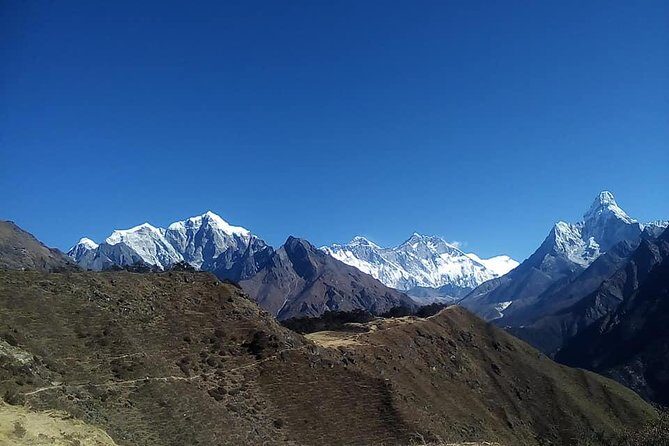
Namche and the trail toward Tengboche are where you start seeing the Everest region as more than just a destination. It’s a living Sherpa heartland with monasteries, schools, and everyday village rhythms.
You can also read our reviews of more hiking tours in Kathmandu



Day 3: Khumjung and Khunde (rest day in Namche)
You get a rest day in Namche, which I love as a concept. Instead of using the day to speed-run more altitude, you can tour around Namche and then take a gentle outing toward Khumjung and Khunde.
This area has a mix of spirituality and heritage details. You’ll reach Khumjung Monastery and pass Syangboche Airport on the way back. There’s also mention of the Edmund Hillary School, and even the preserved legend of the Yeti being displayed in the monastery context.
Physically, this day is a gift. You’re still moving, but you’re not grinding. Altitude improves when you climb enough to stimulate adaptation, then give your body time to catch up.
Day 4: Namche to Tengboche
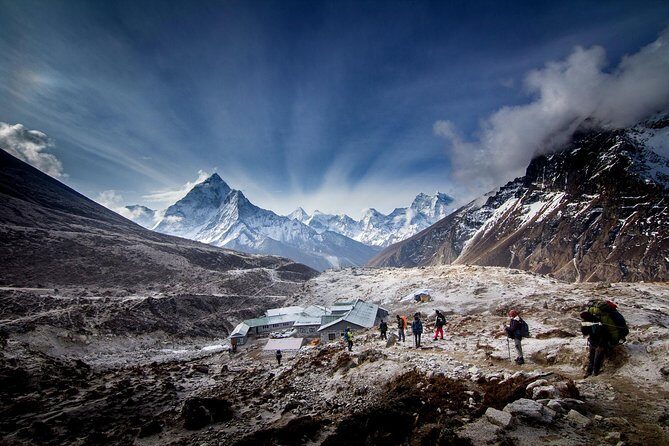
Leaving Namche, you work your way upstream again along the Dudh Koshi River. A steep hike gets you toward Phunki Tenga, and the view moments start stacking up—Ama Dablam (6856m) appears prominently while you climb about 427 meters.
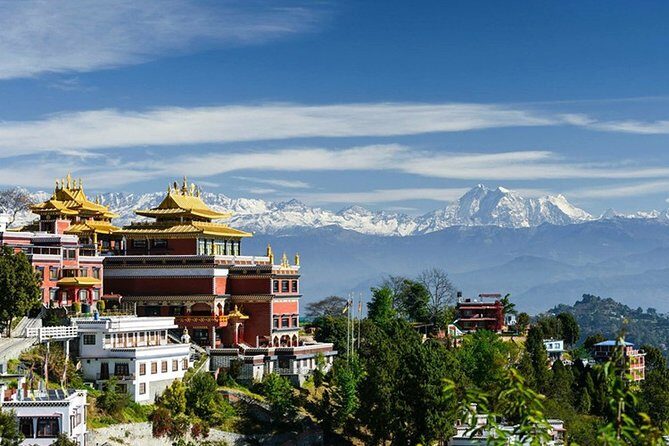
You end in Tengboche, which is home to Tengboche Monastery, one of the most famous monasteries in the Everest region. It’s tied to Tibetan-Buddhist tradition, and the Mani Rimdu festival runs in October.
This is the kind of place where your brain quiets down. The combination of mountain views, monastery atmosphere, and a steady walking day makes it feel grounded, even though you’re surrounded by huge altitudes.
Dingboche acclimatization and the view day on Nangkartshang (Days 5–6)
Day five shifts from forested walking into more rocky terrain. The trail continues toward Dingboche, and you’ll pass places like Debuche, cross areas near Imja Khola, and see mani stones along the route. The sheer presence of prayer stones and the way people built small religious markers into the trail lines makes the hike feel like it’s woven into daily life.
Day 5: Tengboche to Dingboche
You’ll travel uphill along the Dudh Koshi corridor, and the terrain becomes more rugged as you leave the forest behind. Dingboche is a remote Sherpa village with a real “base camp for acclimatization” feel.
This day is often where people start thinking about how they’ll handle the later climbs. The good news: you’re not rushed. Lodge time means rest, and meals help you keep your strength.
Day 6: Acclimatization day at Dingboche (optional peak hike)
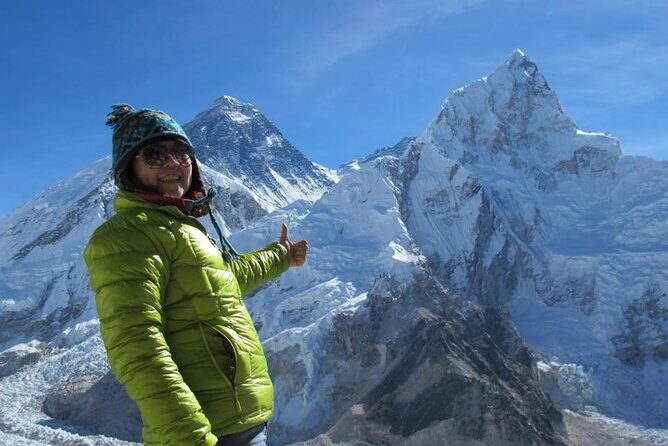
This is your planned acclimatization day. You can hike to Nangkartshang Peak (5083m), tied to the Nangkartshang monastery. From the top, you get a panoramic view of Taboche, Ama Dablam, Island Peak, Lhotse, and Mount Everest.
Even if you don’t go all the way up, the key point is the purpose: you’re giving your body a controlled climb. Then you return to Dingboche, and your energy has time to come back.
One practical note: this optional peak hike is still a workout. It’s worth doing only if you feel steady and your breathing is controlled. Your guide should help you decide based on how you feel that morning.
Toward Lobuche and Everest Base Camp via Gorakshep (Days 7–8)
This is the phase where the trek stops being only about village-to-village travel. It becomes glacier country and big, dramatic high-altitude walking.
Day 7: Dingboche to Lobuche
From Dingboche, you head toward Lobuche. You pass Pheriche and Thukla. Thukla is notable for the Climber’s memorial park, which honors climbers who lost their lives around Everest.
The trail keeps climbing and you’ll move along the Lobuche Glacier toward Lobuche village. It’s the point where the environment starts changing: fewer trees, more stone, and more stark skies.
Day 8: Lobuche to Everest Base Camp (through Gorakshep)
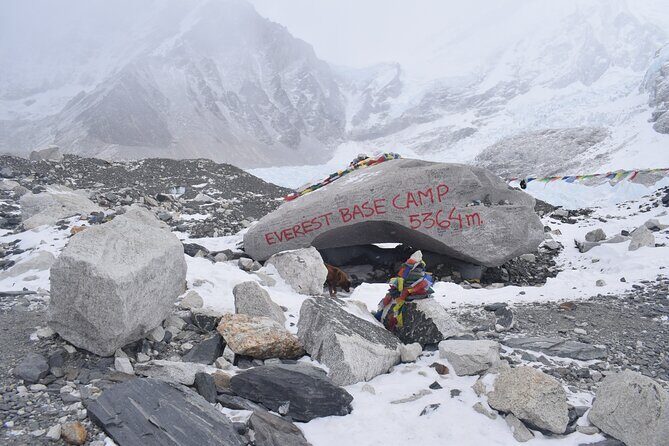
The route goes toward Gorakshep first, then you do the short-but-impressive excursion to Everest Base Camp. The walking is uphill along the Lobuche Glacier and Khumbu Glacier corridor.
At base camp, the big draw is getting the view of the Khumbu Icefall and the climber’s base area in place. It’s not a museum-like moment—it feels alive with activity, even if you’re just observing.
You can also see prominent nearby peaks from the EBC area, including Pumo Ri, Lingtren, Khumbutse, and Nuptse Peak. Afterward, you retrace back to Gorakshep for the overnight.
If you’re sensitive to cold, this day is where layering matters most. Even when the sky looks bright, temperatures can drop quickly at these elevations.
Kala Patthar sunrise views and your return to Pheriche (Day 9)
This is one of the most famous sunrise viewpoints on the Everest route, and for good reason. The hike to Kala Patthar starts early, then climbs over rocky moraine.
Day 9: Gorakshep to Kala Patthar to Pheriche
You reach Kala Patthar and the views are the payoff: Mount Everest (8848m), Nuptse, Lhotse, Khumbutse, Pumo Ri, and Ama Dablam among many others.
After soaking it in, you head back to Gorakshep, eat breakfast, and then continue descending on the way to Pheriche along the Lobuche Glacier area. Pheriche is another key Sherpa village night and a good place to recover after your highest effort day.
A drawback possibility here: some people feel the day’s effort lingering in their legs for a couple days. That’s not failure. It’s your body catching up.
Retracing your steps: Namche to Lukla, then Kathmandu (Days 10–12)
The return isn’t just downhill walking. The trail still climbs and dips, and your brain is processing two things at once: fatigue and the fact you’re leaving a place you’ll remember.
Day 10: Pheriche to Namche Bazaar
You walk downhill and then up and down again, passing Dingboche and reaching Pangboche. There’s a stop at Debuche, then onward through Tengboche before you return downstream along the Dudh Koshi River to Namche Bazaar.
This day often feels strange in a good way. You’ll recognize parts of the trail and notice how your perception changes once you’ve already reached Everest Base Camp.
Day 11: Namche to Lukla
Day eleven is longer, and it gets you back toward Lukla. You’ll cross Jorsalle and continue down to Monjo, and then leave the national park area. After lunch in Phakding, you finish with a short trek back to Lukla, where you’ll spend the evening celebrating.
In Lukla, this kind of celebration can also include stress relief. If any delays happened earlier, this is where the trip either settles or forces patience. The team’s job is to handle those situations so you don’t lose your footing mentally.
Day 12: Lukla back to Kathmandu
You fly back to Kathmandu early, with views over the route as you leave Lukla. Then you drive to your hotel and have the day to do whatever you want—walk off jet lag, eat something that isn’t always a simple lodge menu, and enjoy real shower time if you’re lucky.
Price and value: what $1,300 covers (and what it doesn’t)
$1,300 per person is a fair price for a private, guided Everest Base Camp trek that covers the big-ticket items. You’re not paying just for hiking; you’re paying for planning, permits, flights, daily food, and the people who keep everything functioning.
Included items you’ll feel in your budget:
- Round-trip flights: Kathmandu ↔ Lukla
- Lodge accommodation during the trek
- Meals: breakfast, lunch, and dinner each day noted in the package
- Permits and fees: Sagarmatha National Park fee and Pashang Lhamu entry fee
- Guide and porters: including their expenses
- Support: trekking map, duffle bag, water purification, and oxygen saturation monitoring
- Emergency rescue evacuation assistance, plus public liability insurance
Not included (and you’ll want to plan for it):
- Kathmandu hotel accommodations and meals
- Tea/coffee, hot water, hot shower, battery charging
- Alcohol, laundry, phone bills, desserts
- Travel insurance
- Tips for guide and porters
So is it value? For most people, yes, because the cost of managing flights, permits, and daily logistics on your own adds up quickly. This price makes sense if you want less time coordinating and more time walking.
Who should book this trek, and who should think twice
I’d point you toward this tour if you want:
- A private Everest Base Camp experience with guide and porter support
- A trek with acclimatization days and a sensible pace
- A package that handles permits and the Kathmandu/Lukla flight part
You might think twice if:
- You don’t handle cold or early mornings well, since Kala Patthar day starts early.
- You’re not comfortable with altitude uncertainty. The route is structured to help, but Everest region hiking is still real altitude.
- You expect lots of included comfort extras like hot showers. Those are not part of the package.
The trek is listed for moderate physical fitness, but once you’re walking at higher altitude, your “moderate” becomes “focused.” This is doable for many people, yet you should treat it as a serious hike, not an easy stroll.
Practical tips to make the Everest days feel easier
A few things I’d do if I were prepping for your version of this trek:
- Bring layers that work in wind. Your warm layers matter most from Gorakshep onward.
- Budget for small charges. Hot showers and battery charging are not included, and power is limited in lodges.
- Drink water steadily, then drink again. Water purification is included, but you still need to keep fluids going.
- Use acclimatization days as recovery, not as a challenge. Dingboche is there to help you continue later.
- Plan your walking mood. On the climb toward Lobuche and up to EBC, you’ll get breathless in a way you can’t fix with optimism. Slow steps win.
- If you’re dealing with Lukla delays, stay flexible. The team is set up to manage admin and help quickly, but weather is weather.
Should you book this private Everest Base Camp trek?
If you want Everest Base Camp with the least friction possible, this is a strong choice. The price bundles the big moving parts—Lukla flights, permits, guide/porter support, lodge stays, and meals—so you’re not spending your Kathmandu time wrestling with logistics.
I’d book it if you care about safety structure (acclimatization days, oxygen saturation monitoring, emergency evacuation assistance) and you want a private pace. I’d hesitate only if you’re very sensitive to altitude risk or you expect every comfort item to be included on the trail.
If you want the Everest trek experience to feel like a focused journey, not a project, this one fits.
FAQ
How long is the Everest Base Camp trek?
The trek is listed as 12 days (approx.).
Are round-trip flights between Kathmandu and Lukla included?
Yes. Kathmandu to Lukla and return flight tickets are included.
Are the national park and entry permits included?
Yes. Sagarmatha National Park fee, Pashang Lhamu entry fee, and necessary permits are included.
What kind of lodging and meals are included?
Lodge accommodation during the trek is included, along with meals (breakfast, lunch, and dinner as listed).
Is hotel accommodation in Kathmandu included?
No. Hotel accommodation and meals in Kathmandu are not included.
What costs are not included on the trek?
Tea/coffee, hot water, hot shower, battery charge, alcoholic drinks, laundry, phone bill, and desserts are not included.
Is this a private tour?
Yes. It’s described as a private tour/activity, and only your group participates.