REVIEW · KATHMANDU
Annapurna Base Camp Trek
Book on Viator →Operated by Red Carpet Journey · Bookable on Viator
Kathmandu to Annapurna Base Camp is a real jump in scenery. You’ll start with an easy city setup, then move into Gurung villages, bamboo and rhododendron forest stretches, and that big finish: Annapurna Base Camp. I like that this is a shorter, more focused trek with tea-house nights instead of endless backcountry wandering. One thing to factor in: the schedule expects good weather, and the most strenuous day hits hard.
I also really like how much culture you touch along the way, not just views. Places like Ghandruk and Chhomrong give you a sense of local life, plus you may visit the Gurung Museum when timing allows. Still, you should plan on daily walking that adds up, including big step sections and a long “up then down” feel on the trek.
The price ($810) makes more sense once you see what’s included: a certified English-speaking guide, shared porter support, most meals, and trekking permits. But you’ll still want to budget for personal spending and make sure your travel insurance covers emergency helicopter rescue.
In This Review
- Key Things I’d Pay Attention To
- Kathmandu Setup: Orientation That Helps You Trek Smarter
- Pokhara Warm-Up: Lakeside Views Before the Trail Calls
- Getting Started at Nayapul: Forest Walking and Gurung Village Days
- Dense Bamboo, Himalayan Hotel, and Hinku Cave on the Way to Deurali
- The Big Moment: Machhapuchre Base Camp to Annapurna Base Camp
- The Easy-Feeling Return: Bamboo, Downhill Days, and a Hot Springs Reset
- Back to Cities: Thamel Time and Final Airport Drop
- Tea Houses, Meals, and the Pace You’ll Actually Feel
- Guide and Porter Support That Makes the Trek Feel Fair
- Price and Value: What $810 Buys You (and What It Doesn’t)
- Weather and Fitness: The Only Two Things That Can Really Change Your Trek
- Culture Along the Trail: Gurung Life and Hot Springs Recovery
- Should You Book This Annapurna Base Camp Trek?
- FAQ
- Do you pick me up in Kathmandu?
- Does the trip include a briefing before trekking?
- How do I get to Pokhara?
- Where does the trekking start?
- Are meals included during the trek?
- Where will I sleep during the trek?
- Is there a porter on the trek?
- Are trekking permits and entry fees included?
- Is there a hot springs stop?
- Does the itinerary run even if weather is bad?
Key Things I’d Pay Attention To
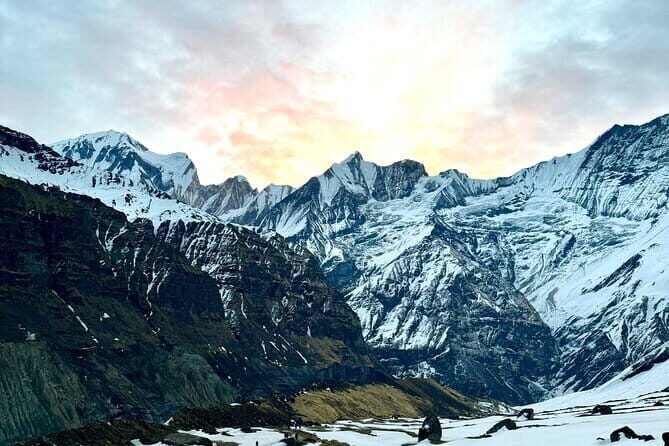
- 360-degree views from Annapurna Base Camp on the trek’s highlight day
- Guided support with a government-certified, English-speaking trek leader
- Tea-house / lodge rhythm with 8 nights in the trekking region (breakfast, lunch, dinner included)
- Village culture stops in Gurung settlements like Ghandruk and Chhomrong
- A shared porter setup (1 porter for 2 trekkers) plus a duffel bag to keep things organized
- Jhinu Danda hot springs as your reward-day reset after hard walking
Kathmandu Setup: Orientation That Helps You Trek Smarter
Your trip starts in Kathmandu with an airport pickup and a transfer to your hotel. If you arrive early, you’ll have time around Thamel and nearby markets, including Ason, which is a good way to get your bearings before your hiking brain kicks in.
That evening, your trek leader runs a detailed briefing around 7 pm. This matters more than people think. It’s where you can ask the practical questions that actually keep you comfortable on trail: how cold it gets at night, how to pack for steady walking, and what your day-by-day pacing will feel like. Having a guide you can ask directly is a big comfort advantage on a trek that includes at least one truly strenuous day.
You sleep in Kathmandu on day 1, then you’re out the door and into Nepal’s lake-and-mountain world the next morning.
You can also read our reviews of more hiking tours in Kathmandu


Pokhara Warm-Up: Lakeside Views Before the Trail Calls
Day 2 is a classic Pokhara arrival day. You travel by road from Kathmandu, check into your hotel in Lakeside Pokhara, and get a chance to reset before the trek begins.
I like that Pokhara is not just a transfer stop here. You get time for Fewa Lake (including a boat ride) and the Tal Barahi Temple visit. If weather cooperates, you also catch views of Mt. Fishtail, along with Annapurna and Dhaulagiri ranges to the north. Even if visibility isn’t perfect, the lakeside stroll and street-food break help you build excitement without rushing straight into the mountains.
This day also helps you handle jet lag and packing stress. You’ll be glad you’re not trekking on arrival day.
Getting Started at Nayapul: Forest Walking and Gurung Village Days
On day 3, you drive to Nayapul, which is the trekking origin point. After Nayapul, the trail threads through dense forest and steeper sections, then pushes you to Ghandruk.
Why Ghandruk is a stand-out day in practice: it’s a major Gurung settlement with a strong sense of place. If you have time, you can visit the Gurung Museum, which gives context to the people you’ll see and the hospitality you’ll experience on trail. You’re also building elevation gradually, which is smart because day 7 is coming.
Day 4 moves you toward Chhomrong. You’ll pass through changing terrain—descent then ascent—via points like Kimrung Danda, Kimrung Khola, and Chere Danda. Chhomrong sits at the base of the Annapurna massif, so the views start feeling closer and more serious. It’s also a good place to remember that trekkers move slower here than you might expect: stone steps and uneven paths take time.
Day 5 is another rhythm day. You descend through roughly 2,500 steps to Chhomrong Khola, then climb again to Sinuwa. After forest walking, you reach Kuldihar and continue toward Bamboo for the night. I like this kind of day because it keeps your body working steadily, not sprinting through one dramatic section only to crash later.
Practical note: days like 4 and 5 can feel mentally easier if you focus on short goals—reach the next tea-house, refill water, eat lunch, repeat.
Dense Bamboo, Himalayan Hotel, and Hinku Cave on the Way to Deurali
Day 6 is your move into colder and more remote-feeling trekking country. The trail leads through dense bamboo forest, with steep ascents that can feel damp and heavy.
You’ll reach Himalayan Hotel, described as an iconic landmark for trekkers. This is one of those spots where you see how your daily grind connects to the bigger “Annapurna story.” You also get views of a glacial river below when the forest opens.
From there, the trail climbs to Hinku Cave, then drops closer to the river and gradually rises to Deurali. Even without going into technical trekking talk, the pattern here matters: steady climbing early, then more downhill feeling. That’s a good setup for the big day later, even though nothing on this trek is truly easy.
The Big Moment: Machhapuchre Base Camp to Annapurna Base Camp
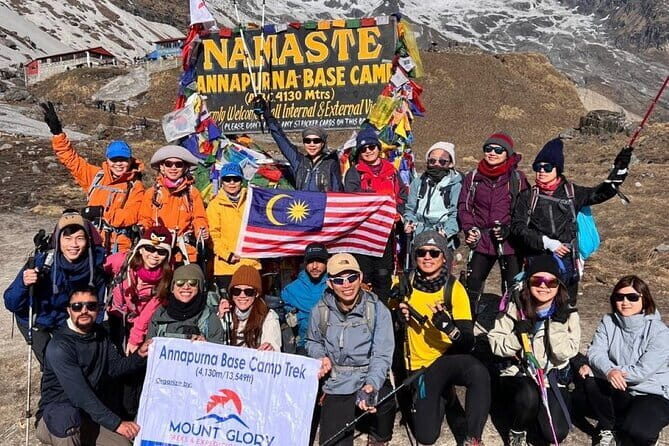
Day 7 is the most strenuous day of the itinerary, and it’s built that way for a reason. You start early, hike first to Bagar, then continue to Machhapuchre Base Camp (MBC). You’re trading comfort for payoff here: sparse vegetation, wide sanctuary-trail stretches, and big views that show up as you gain height.
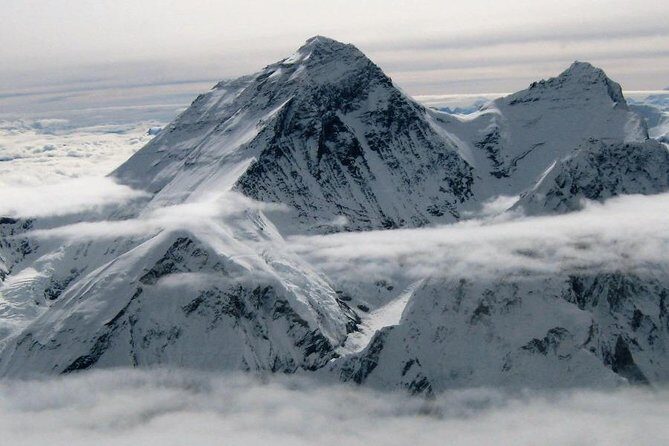
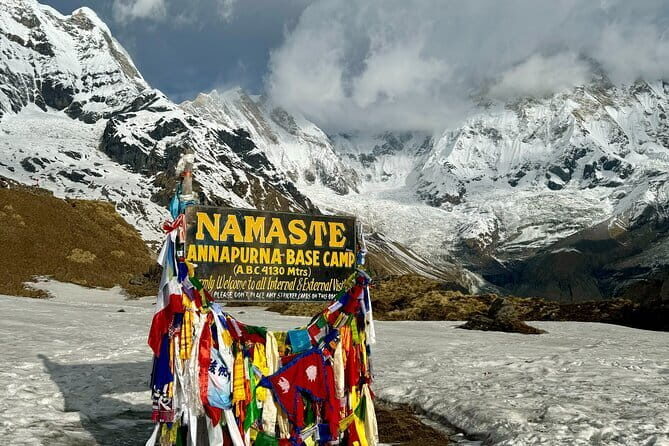
From MBC, you continue to Annapurna Base Camp (ABC), your main highlight. The payoff is not just a pretty view. The trek lists a phenomenal 360 panorama from ABC, and that kind of all-around visibility is what people chase on this route.
Expect this day to feel like work. The “strenuous” label is accurate, and it’s the one day where you’ll want to keep your pace controlled. If you go out too fast, you’ll spend the afternoon paying for it.
One helpful detail: you stay night at Annapurna Base Camp itself. That means you’re not racing through the highlight and rushing away immediately—you get time in the place where the entire trek centers.






The Easy-Feeling Return: Bamboo, Downhill Days, and a Hot Springs Reset
Day 8 retraces your way back to Bamboo. It’s described as primarily downhill and relatively easy. That doesn’t mean you should stroll like you’re on vacation. Downhill can be rough on knees and ankles. But compared with day 7, it’s a welcome change: fewer steep climbs, less strain.
Day 9 shifts you toward Jhinu Danda through Kuldighar, Chhomrong Khola, and again the big 2,500-step climb back toward Chhomrong. Then you descend to Jhinu Danda, and a short walk (about 20 minutes) brings you to popular natural hot springs. This is one of those moments where you stop thinking like a hiker and start thinking like a human. You’ve earned the recovery time.
Day 10 is a full return-day movement: trek downhill from Jhinu to Naya Pul (about 6 hours), then drive back to Pokhara and check into your hotel.
This is a good day for simple pleasures: a shower, an early dinner, and being grateful your legs still work.
Back to Cities: Thamel Time and Final Airport Drop
On day 11, you drive back to Kathmandu. Then you can choose to spend time in Thamel for souvenirs and Nepali handmade products. It’s a practical way to shop without burning trekking energy.
Day 12 ends with your airport drop about 3 hours before your flight. That timing is smart in a country where schedules can change, and it keeps you from sprinting at the airport with wet boots in your bag.
Tea Houses, Meals, and the Pace You’ll Actually Feel
This trip uses trekking lodges/tea houses for 8 nights in the Annapurna trekking areas. That’s a real benefit if you want the mountains without the logistics stress of camping.
You’re also covered for daily breakfast, lunch, and dinner during the trek. That means your energy planning is easier: you don’t need to guess meal availability each day, and your guide can keep you on a consistent rhythm. It also helps you avoid making bad choices when you’re tired and hungry.
The itinerary includes stops at well-known trekking points like Himalayan Hotel and Deurali, which tend to have the sort of basic comfort trekkers depend on. Still, what “comfort” means here is simple: warm drinks, a place to eat, and enough shelter to sleep through cold nights.
If your biggest risk is feeling sluggish, don’t skip water breaks and don’t “save calories” until supper. Trekking food works best when you eat before you feel starving.
Guide and Porter Support That Makes the Trek Feel Fair
One reason I’d recommend this particular setup is that it’s not just a GPS route and a vague map. You travel with a professional, government-certified, English-speaking trekking guide. You also have a porter system: shared porter (1 porter to 2 trekkers) and a duffel bag included.
That shared porter arrangement is a middle ground. You still carry some things, but you’re not carrying everything like an alpine expedition. On a trek where one day is clearly strenuous, that can be the difference between enjoying the last two hours and suffering silently.
In the experiences connected to this operator, I’ve seen mentions of guide names like Khem and Shree for professional, responsive guidance. Even if each trip’s crew mix changes slightly, it’s a good sign when real trekkers remember specific people for making the experience smooth.
Also, because the tour is private, only your group participates. That tends to matter for pacing and communication, even if the trek is still shared with other trekkers on the trail.
Price and Value: What $810 Buys You (and What It Doesn’t)
At $810 per person, the value is strongest when you look at what’s included:
- 2 nights in Kathmandu and Pokhara on BB plan
- 8 nights in trekking lodges/tea houses
- Breakfast, lunch, and dinner during the trek
- Nepali cultural farewell dinner in Kathmandu with local cuisine and performances
- Private car transfers for airport and hotel connections
- Long-distance Kathmandu–Pokhara–Kathmandu by tourist bus
- Trekking permits and entry fees
- Guide and porter support (including daily allowances and insurance costs for staff)
- Duffel bag
What’s not included is also clear, and you should plan around it:
- Your own travel insurance must cover helicopter rescue
- Personal items like drinks and laundry
- Tips for guide and porter
- Trip cancellation charges and costs for extensions if something unexpected happens
My take: this price looks most fair for people who want a guided, structured route and who don’t want to manage permits, meals, and lodge sourcing on their own. If you already have trekking logistics experience and enjoy planning details yourself, you might find cheaper DIY routes. But most people don’t want that hassle on their first real Himalayan trek.
Weather and Fitness: The Only Two Things That Can Really Change Your Trek
The experience notes that it requires good weather. That’s important because trekking in the Himalaya is not just about views—it’s about safety and trail access. If weather cancels the plan, you’ll be offered a different date or a full refund.
On fitness, the trip asks for moderate physical fitness level, and it doesn’t hide that day 7 is the most strenuous. That’s your biggest planning cue. You don’t need to be an ultra-athlete, but you should be comfortable walking uphill for hours and recovering between days.
Also remember: the itinerary includes step-heavy segments like the 2,500-step descent and another 2,500-step climb in the return phase. Your legs will notice.
If you’re wondering what to train before you go: practice walking with a daypack, handle stairs, and build consistency rather than one heroic long hike.
Culture Along the Trail: Gurung Life and Hot Springs Recovery
I like how the trek mixes nature with human-scale places. Ghandruk and Chhomrong aren’t just coordinates. They’re Gurung settlements where you get a real sense of local hospitality, and the route is set up so you sleep in village communities rather than isolated camps.
Then there’s the hot spring payoff at Jhinu Danda. It’s short, simple, and timed perfectly for post-trek recovery. After long walking days, soaking is one of the few strategies that feels like cheating in the best way.
Should You Book This Annapurna Base Camp Trek?
Book it if you want a guided, value-driven route that hits the key Annapurna experience without turning your trip into a logistics project. The mix of city setup, lakeside warm-up in Pokhara, village culture days, lodge-based nights, and that big ABC 360 panorama day is a strong package.
Skip or reconsider if you hate strenuous hikes or if you’re not ready for the idea that weather matters. Also be honest about your insurance and tipping plans; those are the common “surprise” costs people forget.
If you’re the type who enjoys steady effort for a huge payoff, this trek fits. And if you want a trek where your guide and porter help keep you focused on walking and views, you’ll probably feel taken care of from the first briefing in Kathmandu through the final drop at the airport.
FAQ
Do you pick me up in Kathmandu?
Yes. You’re met at Tribhuvan International Airport in Kathmandu and transferred to your hotel. A trek leader briefing happens in the evening around 7 pm.
Does the trip include a briefing before trekking?
Yes. On day 1, the trek leader holds a detailed pre-trip orientation and briefing at your hotel around 7 pm.
How do I get to Pokhara?
You travel from Kathmandu to Pokhara by tourist bus as part of the included long-distance transportation.
Where does the trekking start?
The trek starts from Nayapul. You drive to Nayapul on the morning of day 3, and then begin walking from there.
Are meals included during the trek?
Yes. Breakfast, lunch, and dinner are included daily during the trekking days.
Where will I sleep during the trek?
You stay in trekking lodges or tea houses for 8 nights in the Annapurna trekking areas.
Is there a porter on the trek?
Yes. A porter is included on a shared basis (about 1 porter for 2 trekkers), and a duffel bag is provided.
Are trekking permits and entry fees included?
Yes. Trekking permits and entry fees are included.
Is there a hot springs stop?
Yes. On day 9, after reaching Jhinu Danda, there’s a walk of about 20 minutes to popular natural hot springs.
Does the itinerary run even if weather is bad?
The experience requires good weather. If it’s canceled due to poor weather, you’ll be offered a different date or a full refund.