REVIEW · KATHMANDU
Mt. Everest Base Camp Trek Nepal – 16 Days
Book on Viator →Operated by Himalayan Planet Adventures · Bookable on Viator
Everest feels close the moment you step into the plan. This 16-day private Everest Base Camp trek pairs classic high-altitude walking with real logistics help: airport pickup, Kathmandu briefing, flights to and from Lukla, permits, and a guide/porter who handle the day-to-day.
What I like most is that you get real support from the start, and you don’t arrive needing to figure out gear gaps fast—this package includes a sleeping bag, down jacket, duffel bag, and trekking poles. The second big win is the way the trek is paced with acclimatization built in, so you’re not just rushing up to altitude. Lukla flights can delay or cancel in bad weather, so keep a little breathing room.
One more thing to consider: the trek runs above 5,000 meters, and the “teahouse” version of comfort is basic by design. If you’re sensitive to altitude or you expect hot showers and modern comfort on demand, plan for simpler days.
In This Review
- Key things I’d circle before you book
- Kathmandu arrival: pickup, briefing, and a proper welcome dinner
- Flying to Lukla: where the Himalaya starts to feel real
- Phakding to Namche Bazaar: first park gate, first big bridge, first real altitude lesson
- Namche acclimatization day: museum stops, airstrip views, and an easier day that counts
- Tengboche to Dingboche: monasteries, forests, and thinning air
- Dingboche rest day to Lobuche: Chukung hike and the memorial at Thukla
- Gorakshep and Everest Base Camp: the walk to the icefall edge
- Kalapathar sunrise: the moment you stop thinking and start staring
- Downhill to Namche: Tyangboche monastery vibes and the long return rhythm
- Back to Lukla, then Kathmandu: re-confirm flights and celebrate with the crew
- Price and logistics value: what $1,900 buys you (and what it doesn’t)
- What to realistically expect on the mountain days
- Who this trek suits best
- Should you book this Everest Base Camp package?
- FAQ
- How long is the Everest Base Camp trek?
- What’s the total price?
- What does the tour include?
- Are meals included during the trek?
- What about the Lukla flights if the weather is bad?
- Do I need permits?
- Is this a private trek?
Key things I’d circle before you book
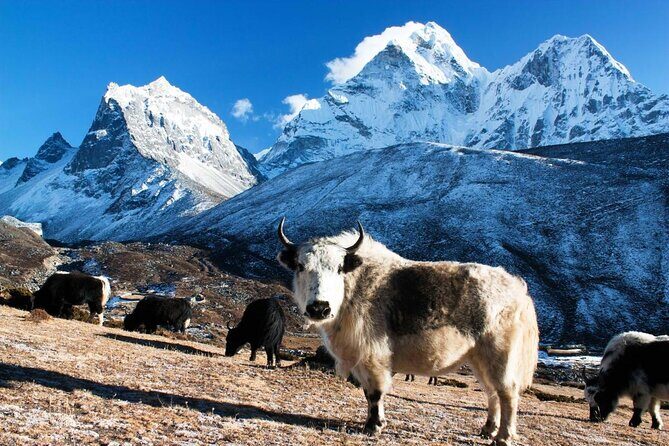
- Private trek for your group with a guide and Sherpa porter handling permits and day flow
- Included gear pack (sleeping bag, down jacket, trekking poles) that reduces last-minute shopping stress
- Acclimatization days in Namche and Dingboche so your body gets a chance to adjust
- Monasteries and Sherpa villages with hands-on culture stops, not just view chasing
- Kalapathar for the best “Everest looks huge” moment of the whole route
- Weather-aware Lukla planning, with airline changes and a buffer day built into the itinerary
Kathmandu arrival: pickup, briefing, and a proper welcome dinner
Your trek starts in Kathmandu, and the early part matters more than most people think. You land at Tribhuvan International Airport and an agent greets you by name, then helps you transfer to your hotel in the capital. After you settle in, you’ll get a program briefing in the hotel lobby. It’s a small thing, but it helps you get your bearings fast—especially when you’re about to switch from city time to mountain time.
Then comes the welcome dinner: a typical Nepalese restaurant with cultural programs. This is the kind of night that makes a difference. You eat well, you meet your guide and porter team in a calm setting, and you know what the next days are supposed to feel like.
If you want a confidence boost based on past service, the company behind this trek is repeatedly praised for being organized and well connected. In one earlier Everest trek, the guide named Hari was singled out for smooth handling from airport pickup through the return flight process. Another past trip credited Naba and his team with strong local connections in Nepal’s unpredictable conditions.
You can also read our reviews of more hiking tours in Kathmandu



Flying to Lukla: where the Himalaya starts to feel real
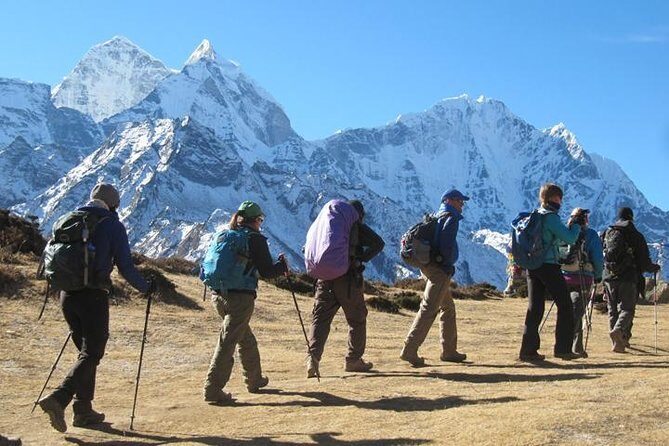
Day 2 is a quick morning pivot: you’re transferred to the domestic airport to fly to Lukla (about 2,800 m / 9,186 ft). The flight is short (about 35 minutes) but scenic, and it’s the moment the trek changes from plan to physical reality.
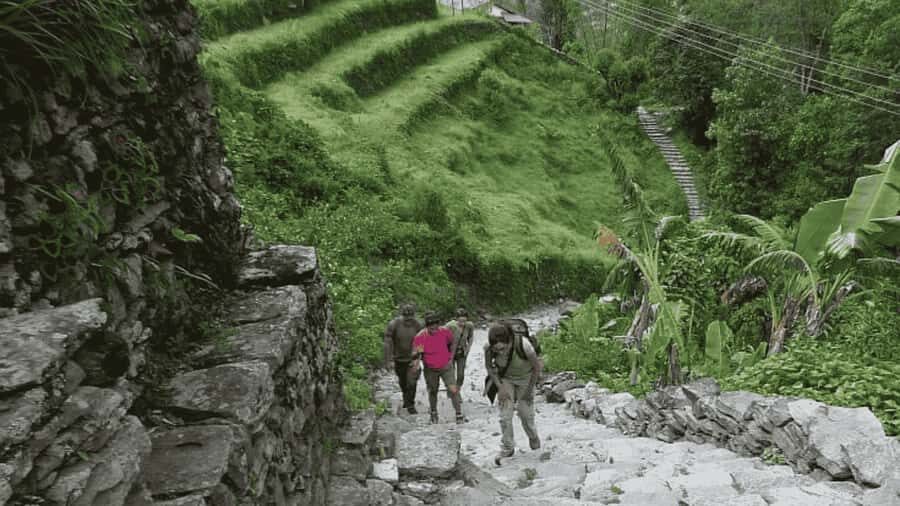
At Lukla, luggage is sorted and handed to the droghers/porters to carry while you trek. Then you start easy—first with views like Number Himal and Mt. Phari, and then with classic Khumbu river and village walking. You follow the Dudh Koshi river area, passing Sherpa farm buildings and crossing through Sherpa hamlets where the trail feels lived-in, not staged.
Practical note: Lukla flights are weather dependent. The trek operator’s approach is to try another similar airline if needed (subject to seat availability). In extreme cases, helicopter options are mentioned with extra costs, and they recommend keeping extra days so you’re not stuck timing your international flights to a tiny runway’s schedule.
Phakding to Namche Bazaar: first park gate, first big bridge, first real altitude lesson
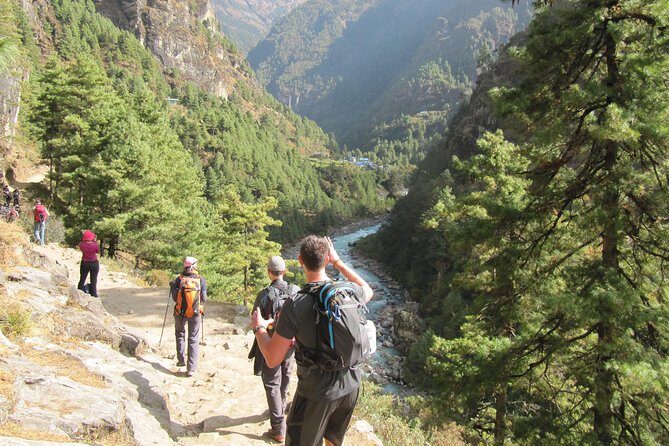
This route portion builds momentum without going full grind mode. You trek across a suspension bridge over the Dudh Koshi and walk through a mix of gentle climbs and descents. Early on, you’ll likely spot the big peaks people come for—along with smaller, more intimate sights like mani-prayer structures and farm fields.
When you reach Monjo, you’re at the entrance area to Sagarmatha National Park, and your trekking permit gets checked. That moment matters. It’s your reminder you’re walking inside a protected zone where the rules are real, and you’re not just hiking for photos—you’re supporting a system that keeps the area functioning.
Then the trek continues toward Namche Bazaar, with stops along the way, including crossing and re-crossing the Dudh Koshi and passing through the villages that make this region feel distinct. For many people, Namche is where altitude starts to show up in your breathing rhythm. The walking isn’t always brutal, but your body will start negotiating.
Namche acclimatization day: museum stops, airstrip views, and an easier day that counts
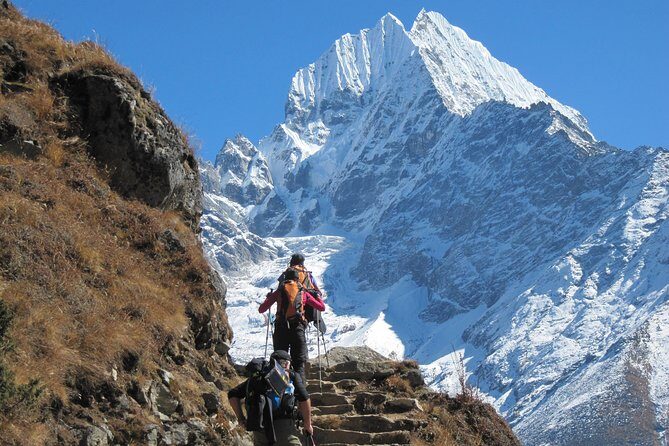
Day 4 is your acclimatization block. This is one of the most valuable parts of the whole package, because it gives you time to adjust before you push higher.
In Namche you can stroll the bazaar, and you might see a busier market scene on Saturdays. There’s also a Sherpa Museum, which is a smart choice on an acclimatization day because it turns the cultural elements you see outside into something you understand. You’ll also have the option to go up to the Everest View Hotel area and the Syangboche airstrip, then return at a comfortable pace.
And yes, there’s an Irish Pub stop in Namche as a named waypoint in this itinerary. Even if you’re not drinking, it can be a useful marker for taking a breather and feeling like you’re in a real town, not a trekking checkpoint.
Tengboche to Dingboche: monasteries, forests, and thinning air
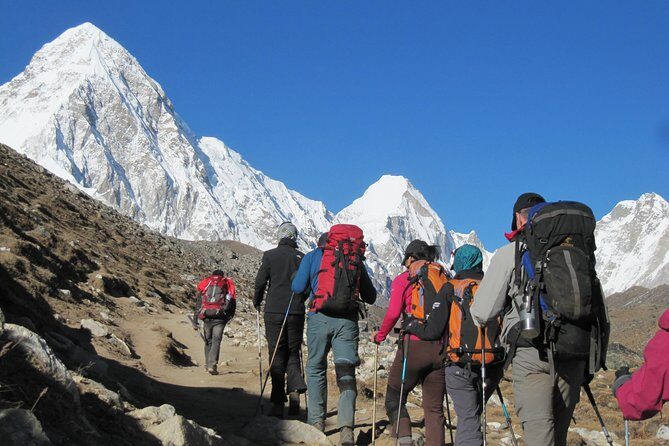
Day 5 shifts you toward Tengboche, with a relatively easy walking day and lots of mountain sightlines. You pass viewpoints where Everest, Nuptse, Lhotse, Ama Dablam, Thamserku, and Kwangde can show up in one sweep. More than the peaks, I like the contrast: you’re moving through forested stretches—silver fir, blue pine, rhododendron, magnolia, birch—and then you pop out into dramatic views.
You arrive at Tengboche with its large monastery (Gumba). The monastery presence is a big part of why this trek feels cultural, not just athletic. You’ll see big prayer sites and the way communities gather around spiritual places.
Day 6 climbs onward to Dingboche via Deboche and Pangboche, with stops that include a long mani wall (prayer wall) along the way. The trail works you gently upward: forests give way to the broader Imjatse Valley feel, and your view opens up. Dingboche sits at a higher altitude, and from here you’ll get strong peak views of Amadablam, Nuptse, and Lhotse.






Dingboche rest day to Lobuche: Chukung hike and the memorial at Thukla
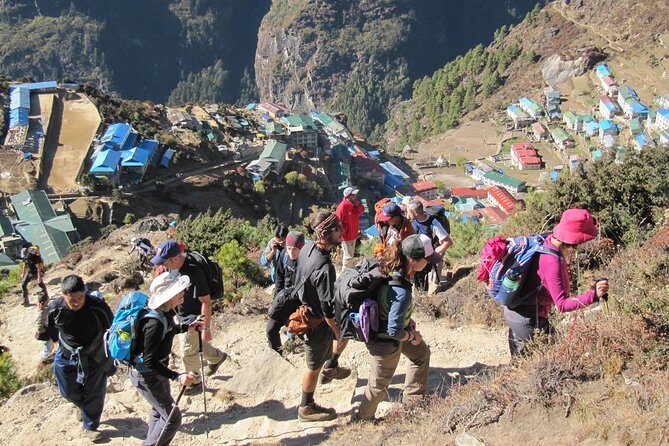
Day 7 is a rest day in Dingboche, which is exactly the right idea at this point. You’re not taking an off day because the trek operator feels generous; you’re taking it because your lungs need time to catch up.
You can do an optional hike to Chukung (about 4,730 m) for views over Lhotse, Amadablam, and the Imja Glacier area. The trek description here emphasizes that the path is gradual, but you still feel the altitude because you’re gaining elevation slowly. That balance is what you want on an acclimatization day: steady work, no sudden steep panic.
Day 8 turns you toward Lobuche. You’ll walk through a route that feels more rugged and more exposed. The itinerary includes a stop at a mani-prayer stupa, a gradual climb, and then a steeper segment leading to Thukla, where you can see memorials for climbers who lost their lives during expeditions in the region. It’s a serious moment, and it changes the way you look at the rest of the walk.
Gorakshep and Everest Base Camp: the walk to the icefall edge
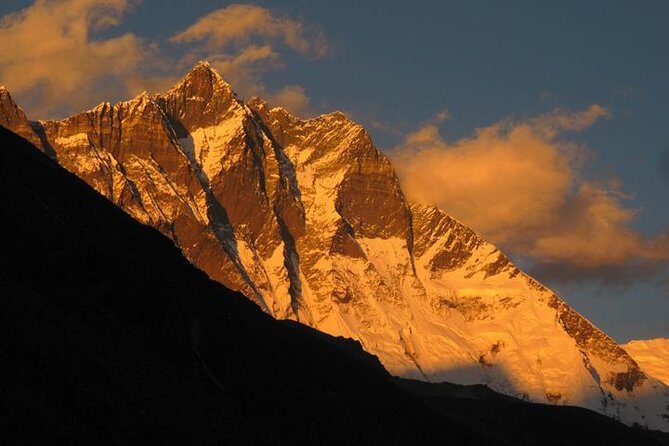
Day 9 starts early, heading toward Gorakshep on a windy, rocky section. The reward is huge: Mt. Pumori, Mt. Nuptse, and a direct sense of where Everest Base Camp sits in the world’s geography.
After checking in, your trek continues toward Everest Base Camp (about 5,360 m / 17,598 ft) and the Khumbu icefall area. The route is described as tough due to altitude and the “thin” conditions at these heights, and you’ll likely follow the lead of Sherpa team members who know how to manage footing and pace.
One thing to keep in mind: at this altitude, fatigue can build fast even if the route isn’t always steep. You’ll want to move calmly, drink water consistently, and accept that “slow” is the smart speed.
Kalapathar sunrise: the moment you stop thinking and start staring
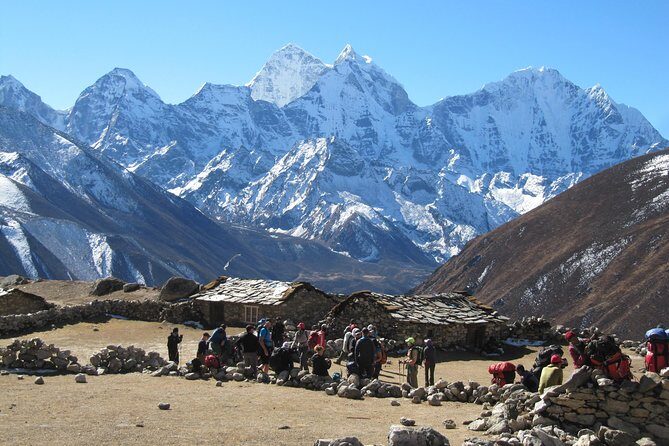
Day 10 is the payoff day: Kala Patthar. You start early, walk up for about two hours at your own pace, and reach a small rocky summit viewpoint.
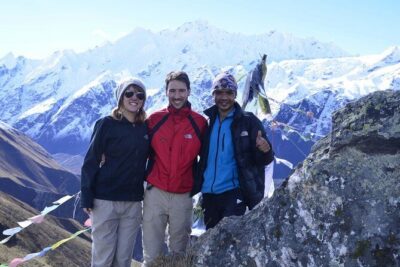
The description promises a moment you’ve been craving, and that’s not marketing talk. Kala Patthar is famous because it gives you a close, dramatic Everest view while also letting you see Everest Base Camp below and the Khumbu Glacier moraine line. The experience here is about perspective: Everest looks bigger than you expected, and the whole route makes sense when you can finally see how everything connects.
Then you head back to Gorakshep for the next stage. Yes, your legs will feel it. That’s normal.
Downhill to Namche: Tyangboche monastery vibes and the long return rhythm
Day 11 shifts you from the high-view zone down toward Tengboche and monastery areas again. The itinerary notes an easier day heading downhill from the Pheriche area toward Tyangboche, with time to see the big monastery and wide tea house fields beneath the grand peaks.
Day 12 is another descent day: you hike down toward Phungithankas, then through forested stretches again, crossing suspension bridges over the Dudh Koshi, and continuing to Sasana before returning to Namche Bazaar for the night.
This is where the trek feels emotional. The altitude pressure eases, your breathing improves, and you start recognizing the same bridges and routes. You’re still working, but it stops being scary and starts being satisfying.
Back to Lukla, then Kathmandu: re-confirm flights and celebrate with the crew
Day 13 is a long walking day back to Lukla. You descend, cross bridges, then walk through Monjo and Phakding for lunch. The total trek time here is listed at around 7–8 hours, and it’s the last sustained effort before the flying part.
When you arrive in Lukla, there’s time to stroll, and your team escorts you so air ticket details get re-confirmed. Then comes the last supper with the crew member team and an overnight back at a hotel.
Day 14 brings the flight to Kathmandu, typically in the morning to avoid afternoon wind issues, but weather can still matter. You’ll transfer to your hotel and unwind after the long route.
Day 15 adds a smart buffer concept: if the flight gets canceled, you’ll use the time for Kathmandu sightseeing and shopping in Thamel, with another chance for a farewell dinner. That prevents the common travel disaster where you’re stuck in Kathmandu with nothing planned.
Day 16 is free for last-minute shopping or simply heading to the airport for departure.
Price and logistics value: what $1,900 buys you (and what it doesn’t)
At $1,900 per person for 16 days, you’re paying for more than walking. You’re paying for reduced uncertainty.
Here’s what’s included:
- 3 nights twin sharing accommodation in Kathmandu
- 12 nights in teahouses on the trek
- Kathmandu to Lukla and return flights
- Guide plus Sherpa porter, and permits
- Meals on full board during the trek, plus breakfast in the city
- A gear kit: sleeping bag, duffel bag, down jacket, trekking poles
- Pre-departure briefing plus welcome and farewell dinner events
What’s not included:
- Kathmandu lunches and dinners beyond those specified dinners
- Personal expenses like hot showers, laundry, Wi-Fi, bar and beverages
- Travel insurance and emergency evacuation
- Gratuities for guide and porter (recommended)
My take on the value: if you already own good trekking gear and you can self-organize permits, flights, porters, and daily meal logistics, you might lower the cost. But for most people, the real expense isn’t dollars—it’s time and stress. Including the gear kit and handling permits and meals for you is what makes this price feel reasonable rather than risky.
Also, the itinerary explicitly mentions that this is a private tour/activity. Only your group participates, so you’re not bargaining with strangers about pace, rest stops, or room arrangements.
What to realistically expect on the mountain days
The itinerary has clear rhythm: gradual climbs, river crossings, and set days for acclimatization. That matters because Everest Base Camp is not just about distance. It’s about how your body adapts to rising altitude.
Teahouse nights are part of the deal. Rooms are simple, meals are basic but filling, and hot water or showers may come at extra cost. The package covers full meals during the trek, which is a huge advantage because at altitude, the last thing you want is hunting down a reliable meal plan.
The other realistic thing is effort. The route includes multiple tougher segments around higher elevations—especially around Gorakshep and the Base Camp/icefall area—and the calendar places Kala Patthar in the right spot so you hit that view before you head down again.
Who this trek suits best
This fits people who:
- want a guided, permit-covered trek with a porter team
- are comfortable with altitude (or at least prepared to take acclimatization seriously)
- value monastery and Sherpa culture stops, not just peak photos
- like a plan with built-in weather awareness around Lukla
It may not suit you if you:
- expect constant modern comfort or easy daily schedules
- are unwilling to accept delays and plan around them
- don’t have a moderate physical fitness base for several days of uphill walking
The data also says you should have moderate physical fitness and that you’ll need proper trekking gear even with the included kit. That’s the right attitude.
Should you book this Everest Base Camp package?
I’d book it if you want a mostly worry-free Everest Base Camp trek where your biggest unknown is the weather—not your logistics. The strengths are practical: included flight arrangements, permits, guide/porter support, and the included gear pack. Those pieces can save both time and budget surprises.
I’d think twice only if you’re extremely sensitive to schedule changes. Lukla flights can delay or cancel, and this plan reacts by trying alternate airlines and using buffer time. It also flags helicopter as an option only if you’re willing to pay extra. If your calendar is locked with no flexibility, you’ll need to manage that risk.
If you have the flexibility and you’re ready for high altitude on a paced schedule, this is one of the cleaner ways to do Everest Base Camp without turning the trek into a logistics project.
FAQ
How long is the Everest Base Camp trek?
The trek is listed as 16 days (approx.).
What’s the total price?
The price is $1,900.00 per person.
What does the tour include?
It includes Kathmandu pickup, 3 nights twin sharing in Kathmandu, 12 nights in teahouses, flights Kathmandu to Lukla and return, a trekking guide and Sherpa porter, permits and fees, full board meals on the trek (plus breakfast in Kathmandu), and a gear set: sleeping bag, duffel bag, down jacket, and trekking poles. It also includes a welcome dinner and farewell dinner.
Are meals included during the trek?
Yes. Meals on the trek are full board, and breakfast in Kathmandu is included. Kathmandu lunches and dinners are not included except for the specified dinners.
What about the Lukla flights if the weather is bad?
Lukla flights can delay or cancel due to weather or technical problems. The operator tries to shift to another similar airline based on seat availability. The itinerary also includes extra buffer time in Kathmandu if needed, and helicopter options are mentioned as a paid alternative in serious cases.
Do I need permits?
Yes, and the permits and fees are included. Your permit is checked around the Sagarmatha National Park entrance area.
Is this a private trek?
Yes. It’s described as a private tour/activity where only your group participates.