REVIEW · POKHARA
Hiking to World Peace Stupa via Foxing Hill to Expose Rural Area
Book on Viator →Operated by Couch Adventure Nepal (CAN) · Bookable on Viator
A hike with views that start fast. This Foxing Hill to World Peace Stupa route mixes Annapurna-range viewpoints with a real taste of Pokhara’s rural life, plus a boat crossing on Fewa Lake. The one thing to plan for is the moderate uphill stretches and uneven village paths.
I also like that you get a guided day that doesn’t feel like a checklist—your guide (Prakash or Bisham, depending on your group) keeps the walk informative, including what to notice at the stupa and how to show cultural respect. Add in a typical Nepali lunch at a homestay and you’ve got more than just scenery; you get a small slice of everyday life.
If you’re only based outside the Lakeside area, double-check pickup, since hotel pickup is limited to Lakeside Pokhara. And if you’re picky about drinks, remember that water is included but other drinks are not.
In This Review
- Key highlights you’ll feel on the trail
- Foxing Hill to the World Peace Stupa: the route in plain English
- What can make or break your experience
- Foxing Hill’s 180-degree view: why that first climb matters
- The likely tempo you’ll feel
- Rural village trekking: seeing Pokhara beyond Lakeside
- A practical note on village sections
- World Peace Stupa near Lumbini: views and respectful behavior
- A quick reality check on time at the stupa
- Fewa Lake boat crossing: the built-in breather
- Why the boat part is more than a photo op
- Price and value: what $56.56 buys you in the real world
- The one place value depends on your expectations
- What to expect day-of: timing, guides, and how the group feels
- Guide style matters, and this one seems to deliver
- Who should book this hike (and who should skip it)
- Small practical tips so you enjoy the climb
- Should you book this World Peace Stupa hike from Pokhara?
- FAQ
- How long is the hiking experience?
- Is hotel pickup and drop-off included?
- What does the tour include for food and drinks?
- Do I need to pay for the stupa admission?
- Is there a boat included during the day?
- What fitness level do I need?
Key highlights you’ll feel on the trail
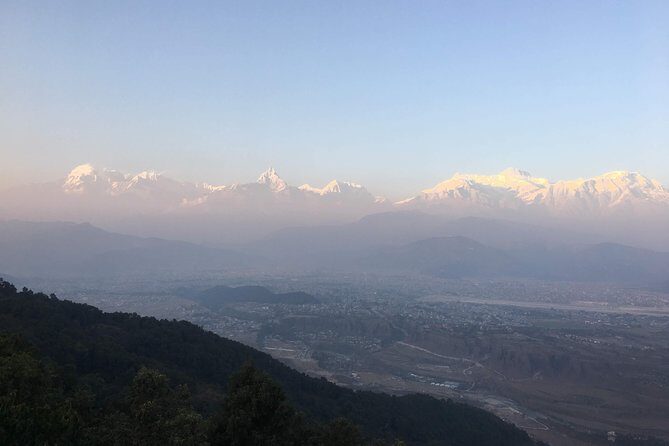
- Foxing Hill viewpoints with a wide 180-degree sweep of Annapurna plus Fewa and Begnas Lakes
- A local guide who explains what you’re looking at, not just where to walk
- Suspension-bridge and river crossings that add motion to the hike (and better photo angles)
- World Peace Stupa time for mountain views and close-up moments at the monument
- Fewa Lake boat crossing built into the day so you get a real break from walking
- Lunch at a homestay that turns the day into something more human than sightseeing
Foxing Hill to the World Peace Stupa: the route in plain English
This is a half-day style hike that starts near Lakeside and works up to a viewpoint, then continues on to the World Peace Pagoda / Stupa area. You’ll meet your guide and get into a private vehicle for about a 30-minute drive before you start hiking.
Once you set off, the day is structured around rhythm: some steady uphill, then downhill sections where you catch your breath and let the scenery land. The route also threads through forest bits and rural villages, which is the big reason this hike feels more grounded than the typical viewpoint-only walk.
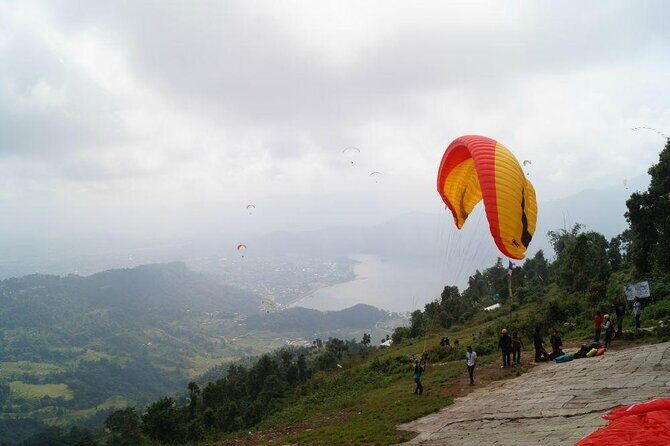
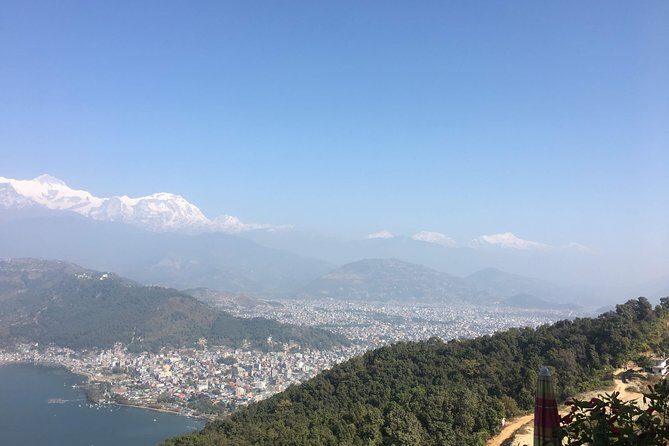
You’ll cross a river via a suspension bridge early on, then climb through mixed terrain—country roads that feel lived-in, plus trail sections where your footing matters. From Foxing Hill’s top, you get the signature payoff: a wide view of the Annapurna mountains and both Fewa and Begnas Lakes. After that, the hike continues with more ups and downs as you head toward the World Peace Stupa.
By the time you reach the stupa, the day shifts from trekking to pausing—so you can look around slowly and enjoy the mountain views close up.
You can also read our reviews of more hiking tours in Pokhara
What can make or break your experience
This isn’t an extreme trek, but it does ask for moderate fitness. Expect uneven paths and some sustained climbing. If your knees get cranky on descents, take it slow on the downhill parts and use the trekking guide’s pace rather than trying to speed ahead.
Foxing Hill’s 180-degree view: why that first climb matters
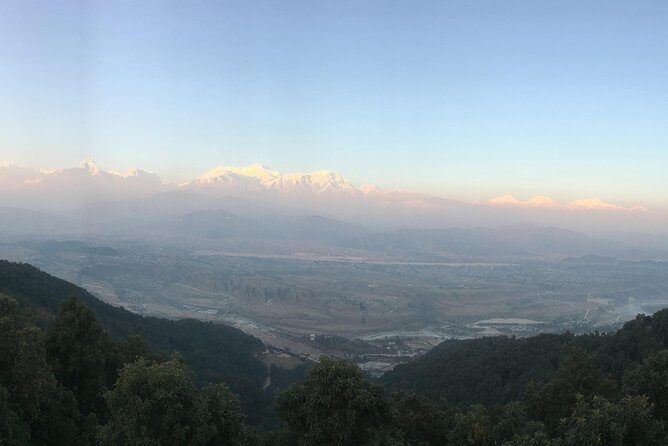
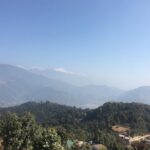
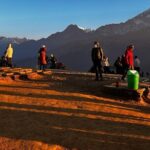
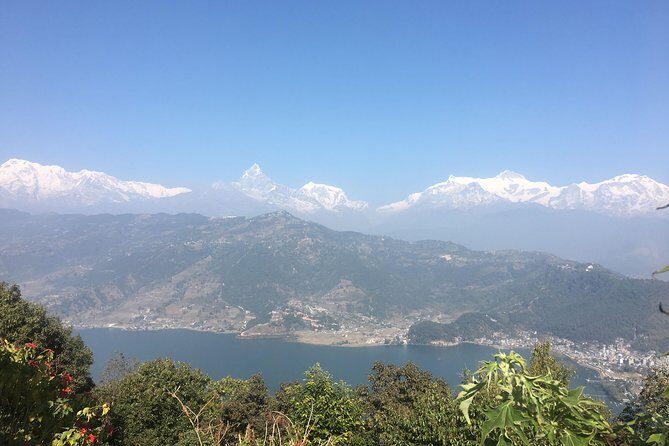
The first major highlight is the Foxing Hill viewpoint, reached after you’ve hiked up through river crossings, forest segments, and rural neighborhoods. When you reach the top, you’re treated to an impressive 180-degree view covering the Annapurna range and the two lakes: Fewa and Begnas.
This is the point where the hike usually stops feeling like a chore and starts feeling like a reward. It’s also the moment you’ll likely notice how Pokhara sits in layers—hills first, then lakes, then the big mountain backdrop.
One helpful detail: the route is designed so you’re not just arriving at a random platform. You climb into the view, then walk away from it. That flow gives you photos from different angles as you move downhill and onward.
The likely tempo you’ll feel
Based on the way the walk is described, you’re looking at a short, manageable hike overall—easy to moderate—with time built in for stopping. One guide-led experience even notes that the hike to the stupa area felt quick, around 45 minutes once you reach that stage of the route. So even with breaks, you won’t feel stuck outdoors all day without a payoff.
Rural village trekking: seeing Pokhara beyond Lakeside
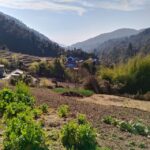
A lot of visitors experience Pokhara as water, hotels, and lakeside cafés. This route adds something more real: village paths and rural areas where you can watch local life from the trail.
You’ll pass through small settlements and walk segments that feel like you’re moving through someone’s everyday commute zone, not just a curated trail. That’s also where your guide becomes extra valuable. With a good guide, you’ll know what you’re seeing and why it matters—especially around religious sites later in the day.
The river crossing also helps. Suspension bridges are never just scenic; they break up the walk and add a sense of change in setting. You get a different visual scale, plus a moment where you can slow down and take in the surroundings instead of grinding uphill.

A practical note on village sections
Village paths can be a little uneven and dusty. Wear shoes with grip, and expect that your pace will be set by trail conditions, not by time on a watch. If you’re used to smooth city sidewalks, this will feel more rustic—in a good way, just plan for it.
World Peace Stupa near Lumbini: views and respectful behavior
When you reach the World Peace Stupa, the hike turns into a cultural and scenic stop. This is where you’ll spend time looking out over the mountains and getting a close-up feel for the stupa itself, with Fewa Lake views adding context to the backdrop.
What I like most here is that your guide isn’t just pointing. In guided experiences, the guide explains history and also gives practical advice on how to respect the culture at the site. That kind of guidance matters because stupa visits aren’t about rushing to a viewpoint—they’re about acting appropriately in a living religious space.
If you want the best experience, come with a calm mindset. Pause, look around from multiple spots, and follow your guide’s cues for where and how to stand or move.
A quick reality check on time at the stupa
The total day is around 6–7 hours including transport, but the stupa stop isn’t presented as a long museum-style visit. It’s more like: walk in, take it in with your guide, then get back on the path. If you’re the type who loves long, slow wandering without structure, you may want to build extra independent time before or after this tour.
Fewa Lake boat crossing: the built-in breather
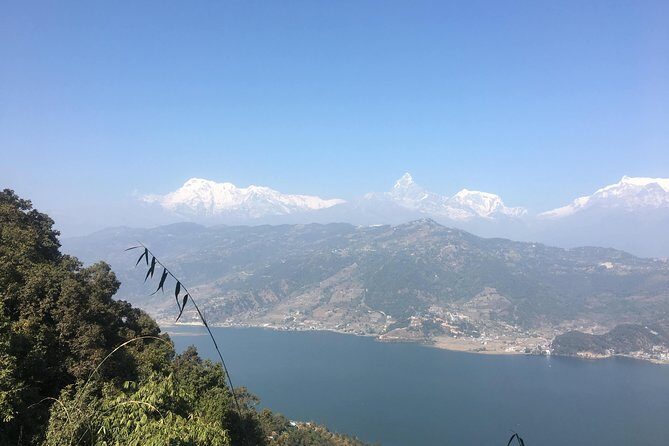
After the stupa stop, the route includes a downhill section and then the day crosses Fewa Lake by boat. It’s not a long ride described in detail, but it’s enough to change your pace and reset your body.
This boat segment also matters for the overall flow. Instead of finishing with only more walking, you get a scenic transit moment over water. It breaks up the physical effort and gives you a different view perspective than you get from the hillside trail.
Why the boat part is more than a photo op
A boat crossing can turn a strenuous-feeling day into something balanced. You also get a chance to chat with your guide, snack if you packed anything, and let your legs cool down after the final walking stretch.
Note: the data specifies a boat crossing on Fewa Lake and includes the day’s main items like lunch and water, but it also clearly says other drinks aren’t included. If you like something beyond water, plan ahead.
Price and value: what $56.56 buys you in the real world
At about $56.56 per person, this hike aims to be good value because it bundles the things that usually add up on their own:
- Hotel pickup and drop-off within Lakeside Pokhara
- Private vehicle transfer to start the hike
- Trekking guide for the route and site explanations
- Admission ticket included for the stop at the stupa area
- Typical Nepali lunch at a homestay
- Bottle of water for each person
- A private tour format where it’s just your group
That’s a lot included for a half-day. The main cost you’d add yourself is drinks beyond the water, plus anything personal you want for snacks or souvenirs.
The big value story here is the mix: viewpoint trekking + religious site interpretation + a rural homestay lunch + a boat crossing. If you only wanted one of those—say, just the stupa—you’d likely spend more time arranging transport and guides separately.
The one place value depends on your expectations
If you expect a full-day trek with intense elevation gain and lots of technical challenge, you might find this feels too “short hiking.” But if you want a satisfying, scenic day that still feels manageable, it fits very well.
What to expect day-of: timing, guides, and how the group feels
The trip typically runs about 6 to 7 hours total, with roughly 5 hours referenced for the core experience when you include the hike and the main stop. The day is built to avoid extreme rushing, since the payoff points—Foxing Hill and the stupa—need time to enjoy.
Pickup is offered from the Lakeside area. After pickup, you’ll drive around 30 minutes to the hike start. Then you’ll hike up, pause for the Foxing Hill view, continue toward the stupa, spend time there, hike down, cross Fewa Lake by boat, and return you to your hotel.
Guide style matters, and this one seems to deliver
From the names and comments tied to the guides, I’d expect more than basic directions. Prakash is praised for guidance and for making the lake and mountain views feel easier to understand. Bisham is highlighted for the way he explains the stupa’s history and for practical cultural respect guidance.
That kind of explanation is what turns a scenic walk into a story you can actually remember.
Who should book this hike (and who should skip it)
This is a solid choice if you:
- Want mountain and lake views without committing to a multi-day trek
- Like hikes that include local villages and not just panoramic platforms
- Care about visiting religious sites with respectful context from a guide
- Want an activity that includes lunch and a guided flow, so you’re not doing logistics all day
You might want to reconsider if you:
- Have very limited mobility or need flat, paved walking only (the route includes ascending and uneven paths)
- Are traveling outside Lakeside and can’t get convenient pickup arranged
- Know you’ll want multiple drinks beyond water, since drinks aren’t included
Small practical tips so you enjoy the climb
- Bring comfortable grippy shoes. Expect uneven village/trail footing.
- Bring a light layer. Forest and open viewpoints can feel different, especially with wind off the hills.
- Plan for hydration. Water is included, but if you like more than water, budget that.
- Treat the stupa visit with calm respect. Follow your guide’s cues for how to move and where to stand.
- Use the timing as part of the fun. Don’t race the hike; the best views come when you pause at the Foxing Hill top and again at the stupa.
Should you book this World Peace Stupa hike from Pokhara?
If you want a half-day that feels complete—Foxing Hill views, a meaningful stop at the World Peace Stupa, a homestay lunch, and an actual change of pace with a Fewa Lake boat crossing—this is the kind of hike I’d recommend. The included admission ticket and guide-driven explanations make it feel like more than just walking to a spot.
I’d book it if your fitness level is moderate and you’re happy with a route that includes both uphill effort and a few downhill moments. If you’re looking for extreme trekking or long hours of uninterrupted hiking, this likely won’t match that.
FAQ
How long is the hiking experience?
The duration is listed as about 6 to 7 hours total, with the core experience described at around 5 hours.
Is hotel pickup and drop-off included?
Yes, pickup and drop-off are included within the Lakeside area of Pokhara.
What does the tour include for food and drinks?
You get a typical Nepali lunch at a homestay and a bottle of water for each person. Other drinks are not included.
Do I need to pay for the stupa admission?
The admission ticket for the stupa stop is included.
Is there a boat included during the day?
Yes. After the stupa area, the route includes crossing Fewa Lake by boat.
What fitness level do I need?
The experience is described as suitable for travelers with moderate physical fitness, since it includes hiking with ascending and descending sections.