REVIEW · KATHMANDU
Kathmandu Heritage Tour (Full Day)
Book on Viator →Operated by Nepal Guide Sujan · Bookable on Viator
Six hours in Kathmandu, and you get context fast. This full-day Kathmandu Heritage Tour is a practical way to connect major sacred sites with everyday local life, from Durbar Square energy to Swayambhunath’s monkey-temple views. You also get a short workshop, artisan interaction, tasting local cuisine, and even a healing session—so it’s not just photo stops.
I especially love the choice of heritage routes, so you can shape the day around what you care about most. I also like that the experience is built for real time on the ground: you get a licensed English/Spanish guide, an AC vehicle, pickup, and a full 6 to 7 hours to see more than one side of the Kathmandu Valley.
One thing to plan for: monument entrance fees and lunch aren’t included, and some temple areas involve steps and walking. If you’re going as a solo traveler, transfers are by motorbike unless you pay a €25 surcharge for a car.
In This Review
- Key highlights worth your time
- How the Kathmandu Valley Heritage Day Is Structured
- Choosing Your Route: Pick the Day That Fits You
- Option 1: Kathmandu Durbar Square + Swayambhunath + Patan City
- Option 2: Pashupati + Boudha Stupa + Bhaktapur Durbar Square
- Option 3: Bhaktapur Durbar Square + Changunarayan Temple
- Kathmandu Durbar Square and Swayambhunath: What You’ll Actually Experience
- The Other Route Stops: Pashupati, Boudha Stupa, Bhaktapur, and Changunarayan
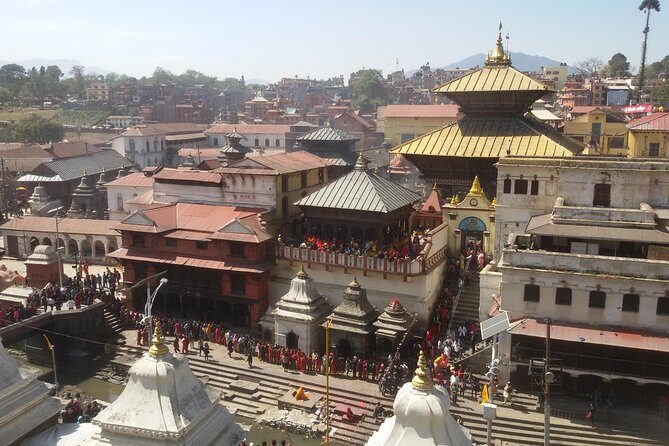
- Pashupati
- Boudha Stupa
- Bhaktapur Durbar Square
- Changunarayan Temple
- Beyond Monuments: Workshop, Artisan Time, and the Healing Session
- Price and What You Really Need to Budget
- Transport Reality in Kathmandu: AC Comfort, Solo Pax, and Timing
- Sujan’s Guiding Style: Why People Trust the Explanation
- Lunch Break: Use the 60 Minutes Wisely
- Should You Book the Kathmandu Heritage Tour?
- FAQ
- What time does the Kathmandu Heritage Tour start, and where do I meet?
- Is pickup from my hotel included?
- Are monument entrance fees included?
- Is lunch included in the tour price?
- What languages does the guide speak?
- Is the tour private or shared?
- What happens if the weather is poor?
- Is it free to cancel?
Key highlights worth your time
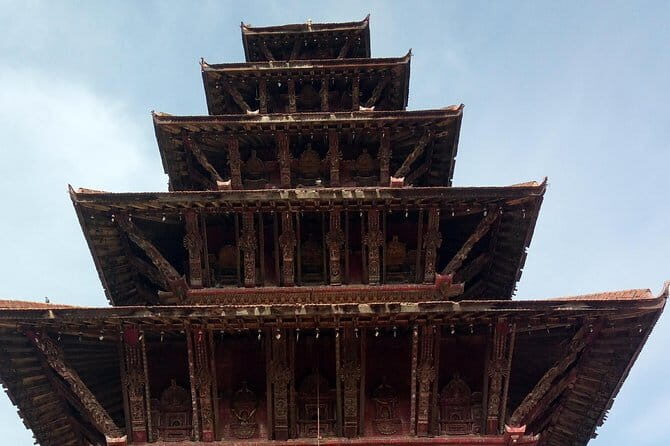
- Three route options let you mix Durbar squares and stupa stops based on your interests
- Pickup from Thamel and an AC vehicle make a long day feel easier
- A licensed English/Spanish guide (Sujan) helps you understand what you’re seeing without awkward guesswork
- Swayambhunath time gives you classic views and a chance to experience the famous monkey-temple vibe
- Workshop + artisan interaction + healing session add local culture beyond monuments
- Private, just your group means you can move at a human pace and ask questions
How the Kathmandu Valley Heritage Day Is Structured
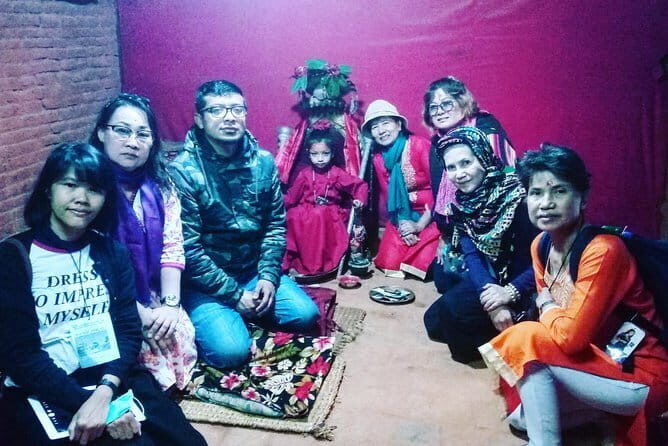
This tour is designed around one simple idea: you’ll leave with more than pictures. You’ll get the cultural sites, local customs, and a look at local products in the same day, with breaks and guided stops that keep the flow tight.
You start in Thamel at 9:30am. You should expect pickup around five minutes before departure, either from your hotel/homestay or a very short pre-tour meet. The total time is about 6 to 7 hours, including a 1-hour lunch break. After that, you return to your accommodation area, so you’re not stuck figuring out transport late in the day.
The tour is private, meaning only your group participates. That matters in Kathmandu, where the tempo can change fast. Having your own guide and vehicle keeps you from feeling like you’re fighting a crowd, especially when you want time to ask questions or slow down at a temple corner.
You can also read our reviews of more historical tours in Kathmandu


Choosing Your Route: Pick the Day That Fits You
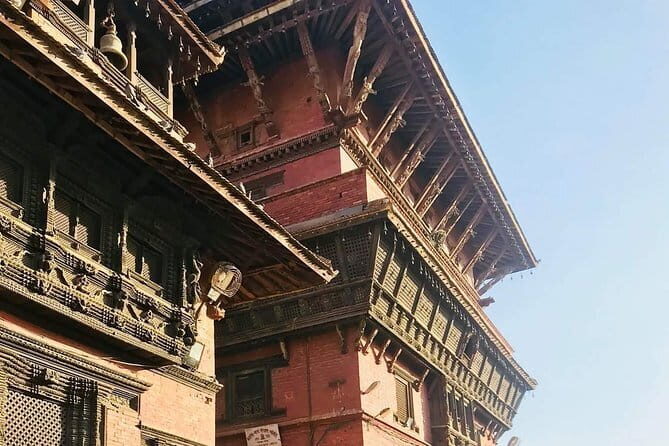
One of the strongest value points here is the way your day can be customized. You’re not locked into only one pattern. There are three heritage route options in Kathmandu Valley, and each one gives a different flavor of the region.
Option 1: Kathmandu Durbar Square + Swayambhunath + Patan City
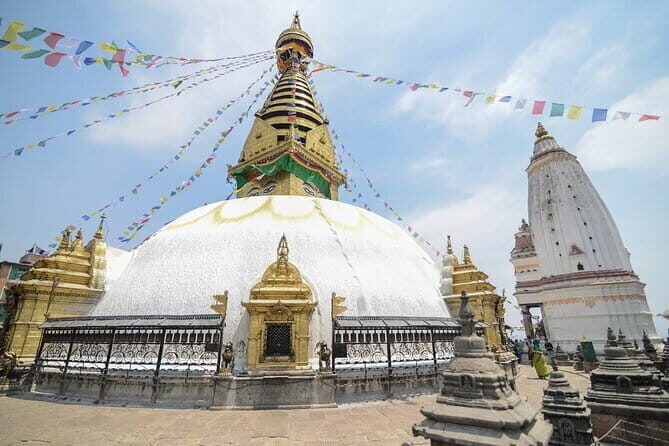
This is the best fit if you want a classic “highlights of the valley” day. Kathmandu Durbar Square gives you the royal-and-religious heart of the city, with old architecture and symbolic spaces. Then you head to Swayambhunath, which is where you’ll see the famous stupa viewpoint and the busy monkey-temple atmosphere. Patan rounds it out with craft-and-community energy.
The schedule gives you about 2 hours for the first major stop, and about 1 hour at Swayambhunath. Those time blocks help you avoid the common problem of “we rushed through everything” sightseeing.
Option 2: Pashupati + Boudha Stupa + Bhaktapur Durbar Square
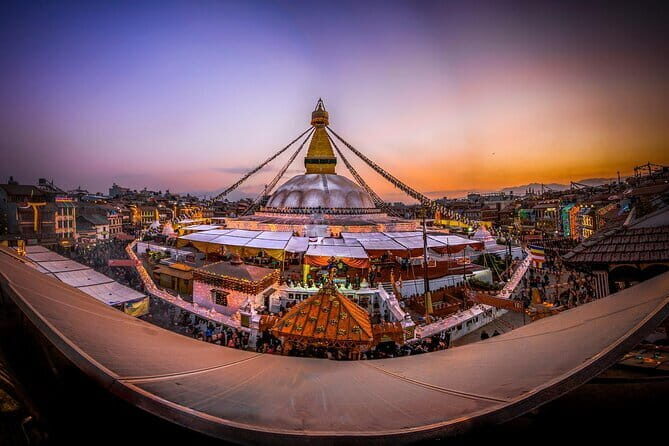
Choose this if you want sacred Kathmandu Valley in a more spread-out, layered way. Pashupati brings a dramatic spiritual feel and deep cultural context. Boudha Stupa adds a softer, more contemplative atmosphere, and you also get that iconic stupa sight everyone travels for. Bhaktapur Durbar Square shifts the mood again with its historical urban character.
This route tends to feel like a heritage journey rather than a checklist, because you’re moving between very different sacred spaces.
Option 3: Bhaktapur Durbar Square + Changunarayan Temple
If your priorities are craftsmanship, old stonework, and a sense of place beyond the busiest central sites, this option can be a great match. Bhaktapur Durbar Square gives you the old-world street scale, while Changunarayan Temple brings a focused temple experience that rewards slower attention.
This route is a smart pick for travelers who want fewer “big-name” jumps and more “look closer” moments.
A few more Kathmandu tours and experiences worth a look


Kathmandu Durbar Square and Swayambhunath: What You’ll Actually Experience
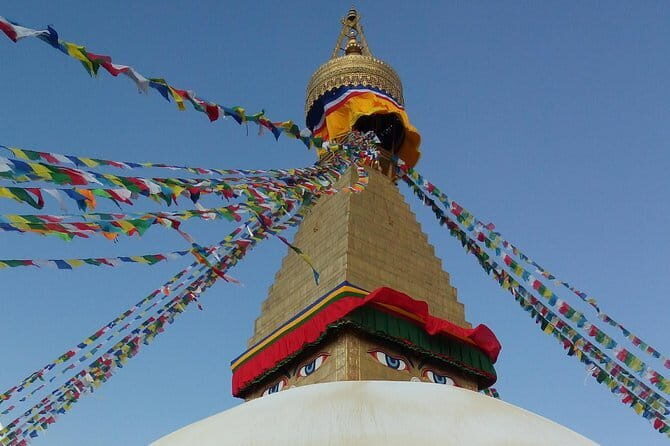
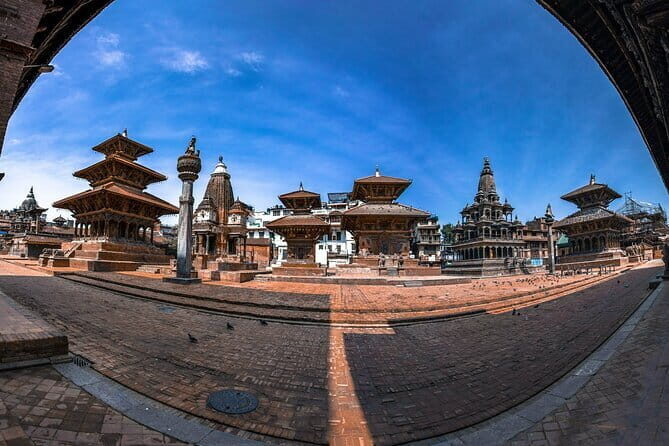
If you pick the Kathmandu Durbar Square + Swayambhunath route, your day starts with a strong cultural anchor. Kathmandu Durbar Square is a place where the city’s history shows up in carvings, courtyards, and sacred symbolism. You’ll get guided time to understand why these places matter, not just where to take photos.
Expect about 2 hours at the first big stop area. That’s enough time to notice details, ask your guide what you’re looking at, and step away from the pressure of constant walking.
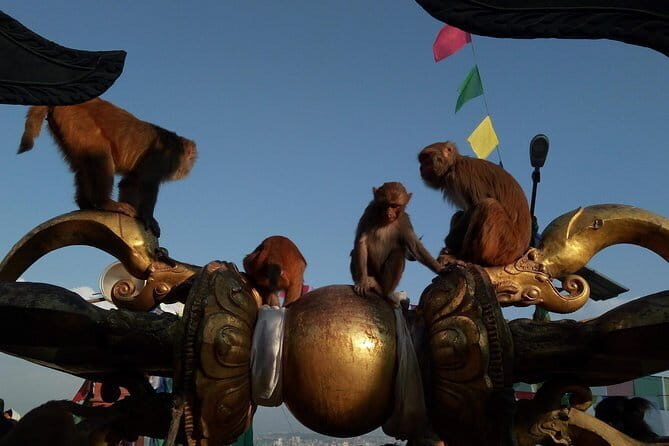
Then comes Swayambhunath Temple. This is one of those Kathmandu experiences that works even if you’re tired. The viewpoint helps you see why people love this spot, and the “monkey temple” energy is real—lively, chaotic in a small way, and unforgettable.
Your Swayambhunath time is about 1 hour. I like that it’s not an endless climb window. You get the essence, you get the views, and you still have the rest of the day to explore other heritage pieces without burning out.
Practical tip: wear shoes you can move in. Temple stairs and stone steps are part of the deal, and you’ll enjoy the views more if your legs aren’t fighting you.
The Other Route Stops: Pashupati, Boudha Stupa, Bhaktapur, and Changunarayan
Even when you’re not on the Kathmandu Durbar Square + Swayambhunath route, the tour still has the same “guided meaning” strength. The standout thing is how the options mix major sacred sites with a sense of Kathmandu Valley living around them.
Pashupati
Pashupati has an intense spiritual atmosphere. You’ll want a guide to help you read what you’re seeing—symbols, routines, and why visitors behave the way they do. With this tour, your licensed guide is there to translate the day’s moments into context.
Boudha Stupa
Boudha Stupa tends to slow people down. It’s not just architecture; it’s a working sacred space. This stop is a good balance to the more intense energy elsewhere on the route.
Bhaktapur Durbar Square
Bhaktapur Durbar Square feels like history you can walk through. It’s a great stop for travelers who like old streets, craft traditions, and architecture that tells stories without needing a museum label.
Changunarayan Temple
Changunarayan is more focused, and that’s a plus. If your “heritage day” style is about fewer stops but more attention per stop, this route option makes sense.
Across all options, you’ll have the same structure: guided time, a lunch break in the middle, and a return to your accommodation afterward.
Beyond Monuments: Workshop, Artisan Time, and the Healing Session
This is where the tour gets more interesting than a standard sightseeing day. The experience includes time for local customs and products, a short workshop, interaction with local artisans, tasting local cuisines, and a healing session.
Because the specifics of the workshop and healing session aren’t broken down in detail, I recommend thinking of these moments as cultural “windows,” not scripted entertainment. You’re there to watch, ask questions, and learn how locals frame everyday life, belief, and craft.
This matters for value. If you only see temples and squares, you get a gorgeous visual day but less connection to how people actually live. The artisan interaction and product focus help close that gap.
Also, it’s a good way to break the walking rhythm. Instead of constant movement, you get structured downtime with a guided explanation, which is exactly what you want on a 6 to 7 hour schedule.
Price and What You Really Need to Budget
The price is $38.66 per person, and on paper that can look almost too low for a full guided day. The reason it still makes sense is the included core: pickup, a private AC vehicle, and a licensed English/Spanish guide.
But here’s the balance you should plan for:
- Lunch is not included, and the tour includes a 1-hour lunch break, so you’ll want to budget for a meal.
- Monument entrance fees are not included, and those fees can add up depending on which route you choose and what permits you use.
- Tips and personal expenses are also not included.
For me, this tour feels like good value when you factor in what’s genuinely included: private transport, professional guiding, and time allocation that doesn’t feel rushed.
If you want the cheapest possible day, you may find cheaper options. If you want a guide who can explain what you’re seeing and a comfortable way to cover multiple heritage areas, this sits in a sweet spot.
Transport Reality in Kathmandu: AC Comfort, Solo Pax, and Timing
The logistics are straightforward, and that’s a compliment in Kathmandu. You’ll use a private air-conditioned vehicle, and pickup is handled from Thamel and your accommodation area.
For single travelers, the tour specifies that transfers may be by motorbike, or you’ll pay a €25 surcharge for a car. That’s an important detail because it affects comfort and how smooth the day feels, especially if you have mobility concerns.
The tour starts at 9:30am, which is a solid time to beat the heaviest rush. Your guide pickup happens about five minutes before the sightseeing start, so have your bags ready and be dressed for quick departure.
One more practical note: the experience requires good weather. If conditions are poor, you’ll be offered a different date or a full refund.
Sujan’s Guiding Style: Why People Trust the Explanation
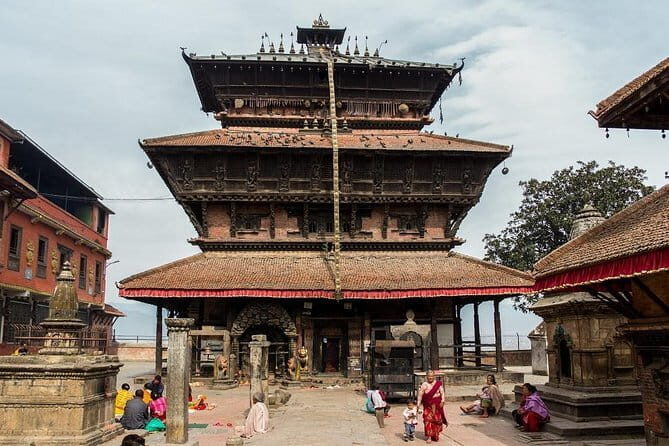
The guiding is a big part of why this tour performs so well. The guide behind the scenes, Sujan, is repeatedly described as patient and reliable, with solid communication in English and excellent Spanish when you choose that option.
I like the practical tone that comes through in how he handles a day like this. You’re not only getting facts. You’re getting guidance that helps you decide where to look, what to respect, and how to keep moving without losing your interest.
There’s also a recurring theme around punctuality and clear explanations. In a city where plans can shift and roads can surprise you, punctuality and a calm pace make the day feel safer.
If you’re traveling with family or you want a guide who can adapt when you want a quick stop or a slower look, this style is a strong match.
Lunch Break: Use the 60 Minutes Wisely
The tour includes a 1-hour lunch break, but lunch itself is not included. That hour is your chance to reset and recharge before your second half.
Here’s how to make it work:
- Eat somewhere convenient to where your vehicle can pick you up quickly.
- Keep it simple. You want energy, not a heavy meal that slows you down for temples and stairways.
- If you’re unsure where to go, ask your guide what nearby spots are good. The guide can help you choose with the time crunch in mind.
This lunch hour also helps the day stay realistic. A heritage tour without a planned break can turn stressful fast.
Should You Book the Kathmandu Heritage Tour?
Book it if you want:
- a guided Kathmandu Valley heritage day (not just a driver with a map),
- private AC transport and easy pickup from Thamel,
- a mix of major sacred sites plus artisan/product culture,
- and communication in English or Spanish with the guide, Sujan.
Skip it (or at least plan carefully) if:
- you’re counting every dollar and want entrance fees included,
- you know you’ll have trouble with stairs and walking at temples,
- or you’re a solo traveler who strongly prefers car transfer over motorbike.
For most travelers, this is a smart way to spend a day in Kathmandu without feeling like you’re rushing through “random places.” You’ll get structure, context, and the kind of small cultural moments that make a city feel lived-in rather than just seen.
FAQ
What time does the Kathmandu Heritage Tour start, and where do I meet?
The tour starts at 9:30am in Thamel, Kathmandu 44600, Nepal.
Is pickup from my hotel included?
Yes. You’ll be picked up from your hotel or homestay about five minutes before the sightseeing tour starts.
Are monument entrance fees included?
No. Monument entrance fees are not included.
Is lunch included in the tour price?
No. Lunch meals, drinks, and beverages are not included, but the tour does include a 1-hour lunch break.
What languages does the guide speak?
The guide provides English or Spanish interpretation.
Is the tour private or shared?
This is a private tour/activity. Only your group will participate.
What happens if the weather is poor?
The experience requires good weather. If it’s canceled due to poor weather, you’ll be offered a different date or a full refund.
Is it free to cancel?
Yes. You can cancel for a full refund up to 24 hours in advance of the experience start time.